Subacute Thyroiditis
Subacute Thyroiditis is temporary thyroid inflammation causing neck pain and thyroid hormone changes. Learn symptoms, diagnosis and treatment.

Quick answer
Subacute thyroiditis is an inflammatory condition of the thyroid, often following a viral infection, that can cause neck pain, tenderness, and temporary changes in thyroid hormone levels. Treatment focuses on relieving inflammation and symptoms while monitoring thyroid function, and at Acibadem in Turkey, care is planned through endocrinology evaluation, imaging, laboratory tests, and follow-up to support recovery and detect any…
Subacute thyroiditis is a usually temporary inflammation of the thyroid gland, often following a viral illness, that can cause neck pain and short-term changes in thyroid hormone levels. Most people recover with appropriate medical assessment and symptom-focused treatment.
Overview
Subacute thyroiditis is an inflammation of the thyroid gland that develops over days or weeks and is most often temporary. The thyroid is a small gland at the front of the neck that produces hormones involved in metabolism, heart rate, temperature regulation, energy, and many other body functions. In subacute thyroiditis, inflammation can make the gland painful and can temporarily release stored thyroid hormones into the bloodstream.
The condition is sometimes called de Quervain thyroiditis, subacute granulomatous thyroiditis, or painful subacute thyroiditis. It commonly appears after an upper respiratory infection or flu-like illness, although a clear trigger is not always found. Unlike many thyroid disorders, subacute thyroiditis often causes noticeable tenderness in the neck, which can help distinguish it from other causes of thyroid hormone imbalance.
Subacute thyroiditis usually follows a pattern. First, inflammation may cause a temporary overactive thyroid phase because stored hormone leaks from the gland. Later, some people develop a temporary underactive thyroid phase while the gland recovers. In many cases, thyroid function returns to normal over time, but follow-up is important because a smaller number of people may need longer-term monitoring or treatment for hypothyroidism.
Symptoms
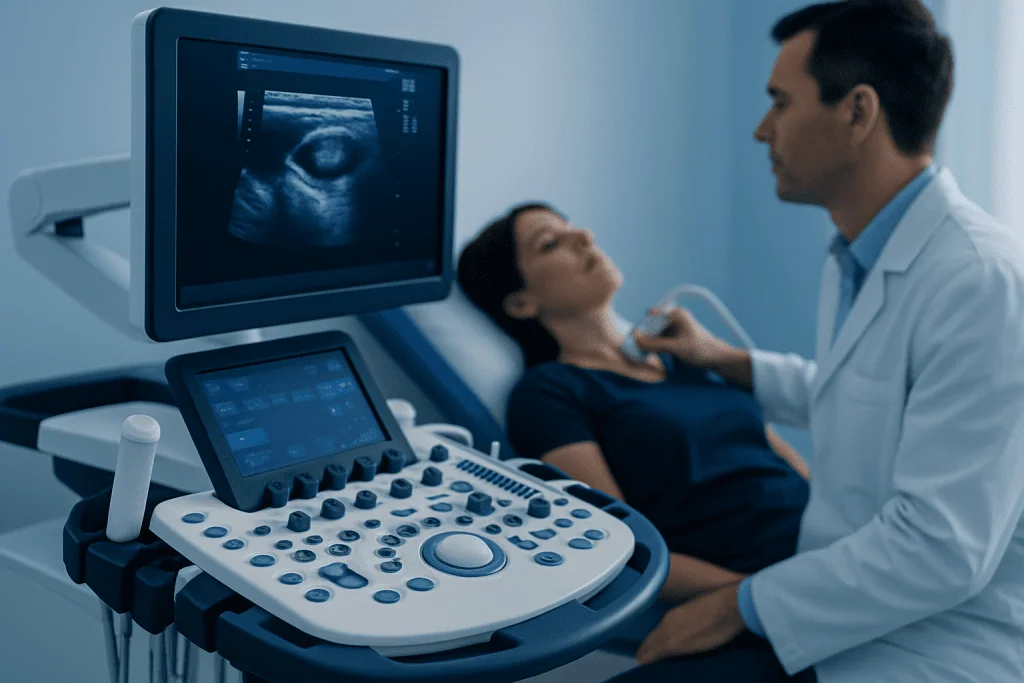
The most characteristic symptom of subacute thyroiditis is pain or tenderness at the front of the neck, where the thyroid gland sits. The pain may be on one side or both sides, and it can spread to the jaw, ears, or upper chest. Some people notice that swallowing, turning the head, or touching the neck makes the discomfort worse.
Because the condition often follows an infection, general symptoms may feel similar to a viral illness. These can include low-grade fever, fatigue, muscle aches, and a feeling of being unwell. The thyroid gland may feel enlarged or tender, and some people describe pressure in the neck rather than sharp pain.
Symptoms can also reflect changing thyroid hormone levels. During the early overactive phase, a person may have a fast heartbeat, palpitations, anxiety, sweating, heat intolerance, tremor, increased bowel movements, or unintended weight loss. If a later underactive phase develops, symptoms may shift toward tiredness, feeling cold, constipation, dry skin, low mood, slower heart rate, or weight gain. Not every person experiences every phase, and symptoms vary in intensity.
Causes & Risk Factors
Subacute thyroiditis is thought to be related to inflammation triggered by an infection, most often a viral upper respiratory illness. The immune response that follows the infection may irritate the thyroid tissue, leading to swelling, pain, and leakage of stored thyroid hormones. It is not usually caused by excess iodine intake, and it is different from the chronic autoimmune process seen in Hashimoto thyroiditis.
The exact cause is not always identified. Some people remember having a sore throat, cold, flu-like illness, or another viral infection in the weeks before thyroid pain begins, while others do not. The condition is not considered contagious in itself; rather, it is the thyroid inflammation that develops after the body responds to a trigger.
Risk can vary by age, sex, and individual immune response. Subacute thyroiditis is seen more often in adults and is reported more frequently in women than in men. A personal or family history of thyroid disease may be relevant, but many affected people have no previous thyroid condition. Because neck pain and abnormal thyroid tests can have several causes, a doctor should evaluate symptoms rather than assuming they are due to subacute thyroiditis.
Diagnosis
Diagnosis begins with a medical history and physical examination. A doctor asks about recent infections, the timing of neck pain, fever, weight change, palpitations, fatigue, medications, pregnancy status when relevant, and any previous thyroid disease. During the examination, the thyroid may be tender and sometimes enlarged, and the clinician also checks pulse, blood pressure, temperature, and signs of thyroid hormone imbalance.
Blood tests are central to confirming the pattern of disease. Thyroid function tests usually include thyroid-stimulating hormone and thyroid hormone levels. In the early phase, thyroid-stimulating hormone may be low while thyroid hormone levels are elevated; later, results may shift toward an underactive pattern. Inflammation markers in the blood are often raised, supporting an inflammatory cause. Thyroid antibody tests may be used to help distinguish subacute thyroiditis from autoimmune thyroid disorders such as Graves disease or Hashimoto thyroiditis.
Imaging may be recommended when the diagnosis is unclear or when the doctor needs to exclude other conditions. Thyroid ultrasound can show areas of inflammation and can help assess nodules or structural changes. In selected cases, thyroid uptake imaging may help differentiate thyroid hormone leakage from true overproduction of thyroid hormone. The diagnosis also involves ruling out other causes of painful neck swelling, such as acute bacterial thyroid infection, lymph node infection, thyroid bleeding, or other neck conditions.
Treatment Options
Treatment for subacute thyroiditis is based on the severity of pain, the degree of inflammation, thyroid hormone levels, and the person’s overall health. The right approach should be decided by an endocrinologist or another qualified specialist after assessment. Because the condition is often temporary, treatment is usually aimed at relieving symptoms, reducing inflammation, and monitoring thyroid function as the gland heals.
For mild cases, supportive care and pain-relieving anti-inflammatory medicines may be enough, under medical guidance. If pain or inflammation is more significant, a doctor may consider stronger anti-inflammatory therapy, including corticosteroid treatment for a limited period. When symptoms of temporary thyroid overactivity are troublesome, such as fast heartbeat or tremor, heart-rate controlling medicines may be used for symptom relief; these do not cure the inflammation but can make the early phase more comfortable.
If a temporary underactive thyroid phase occurs, some patients may need thyroid hormone replacement for a period of time, especially if symptoms are significant or blood tests show marked hypothyroidism. The need for ongoing treatment is reassessed with repeat thyroid blood tests. Antibiotics are not routinely used for subacute thyroiditis because the usual cause is not a bacterial infection, but they may be needed if a different diagnosis, such as acute bacterial thyroiditis, is confirmed. Surgery is rarely part of treatment and is generally considered only when another thyroid problem is present or diagnosis remains uncertain after evaluation.
Living With / Prognosis
The outlook for subacute thyroiditis is generally good. Many people improve gradually as inflammation settles, although symptoms can fluctuate and recovery may take time. It is common for thyroid blood tests to change during the course of the illness, so follow-up appointments are important even after neck pain improves.
Living with subacute thyroiditis involves pacing activities, staying well hydrated, and following the treatment and monitoring plan provided by the clinician. Patients should tell their doctor if symptoms change from an overactive pattern, such as palpitations and heat intolerance, to an underactive pattern, such as fatigue and cold intolerance. This shift can be part of the expected course, but it may require repeat testing or treatment adjustment.
Most patients regain normal thyroid function, but a minority develop persistent hypothyroidism and need longer-term care. Regular follow-up helps identify this early and prevents symptoms from being overlooked. For international patients who need coordinated evaluation, Acibadem International’s multidisciplinary specialists and JCI-accredited hospitals diagnose and treat thyroid conditions, including subacute thyroiditis, with individualized assessment and follow-up planning.
When to See a Doctor
A person should seek medical advice if they develop pain, tenderness, swelling, or a lump at the front of the neck, especially if it is accompanied by fever, recent illness, palpitations, tremor, weight change, or unusual fatigue. These symptoms may be due to subacute thyroiditis, but other thyroid and neck conditions can look similar and require different treatment.
Prompt evaluation is particularly important if there is difficulty breathing or swallowing, severe or rapidly worsening neck swelling, high fever, confusion, chest pain, fainting, or a very fast or irregular heartbeat. These features are not typical of uncomplicated subacute thyroiditis and should be assessed urgently. People who are pregnant, have known heart disease, are immunocompromised, or already take thyroid medication should contact a doctor early if thyroid symptoms appear.
Follow-up should continue after the first diagnosis because thyroid levels may change over weeks to months. Patients should not start, stop, or change thyroid-related medication without professional guidance. A qualified doctor can interpret blood tests in context and decide whether observation, symptom control, or temporary hormone support is appropriate.
Frequently asked questions
What is subacute thyroiditis?
Subacute thyroiditis is a temporary inflammation of the thyroid gland, usually associated with pain or tenderness in the front of the neck. It often follows a viral or flu-like illness and can cause short-term changes in thyroid hormone levels. Most people recover, but medical follow-up is important.
Is subacute thyroiditis the same as hyperthyroidism?
No. Subacute thyroiditis can cause a temporary hyperthyroid phase because stored thyroid hormone leaks from the inflamed gland. This is different from conditions where the thyroid actively produces too much hormone, and treatment decisions are therefore different.
How long does subacute thyroiditis last?
The course varies from person to person. Pain and overactive thyroid symptoms may improve gradually, but thyroid blood tests can change over several weeks or months. Some people pass through a temporary underactive phase before thyroid function returns to normal.
Can subacute thyroiditis become permanent?
Most cases are temporary and resolve with appropriate monitoring and symptom-focused care. However, some people may develop persistent hypothyroidism and need longer-term follow-up or thyroid hormone replacement. Repeat blood tests help determine whether thyroid function has fully recovered.
Is subacute thyroiditis contagious?
Subacute thyroiditis itself is not considered contagious. It may occur after a viral infection, but the thyroid inflammation is the body’s response rather than an infection spreading from the thyroid to others. Usual hygiene measures are still sensible during any active respiratory illness.
How is subacute thyroiditis diagnosed?
Doctors diagnose it using symptoms, physical examination, thyroid blood tests, and markers of inflammation. Ultrasound or thyroid uptake imaging may be used when the diagnosis is uncertain. The doctor also considers other causes of painful neck swelling or abnormal thyroid function.
What treatment is used for subacute thyroiditis?
Treatment depends on the severity of pain, inflammation, and thyroid hormone imbalance. Options may include supportive care, anti-inflammatory medication, short-term heart-rate control for palpitations, or temporary thyroid hormone support during an underactive phase. A specialist should decide the safest approach after assessment.
References
- American Thyroid Association
- Endocrine Society
- National Institute of Diabetes and Digestive and Kidney Diseases
- Merck Manual Professional Edition
- Mayo Clinic
This article is for general information only and is not a substitute for professional medical advice. Please consult a qualified doctor about your individual situation.
Doctors Who Treat This Condition

Prof. Dr. Abdullah Büyükçelik
Medical Oncology
Prof. Dr. Ali Arican
Medical Oncology
Prof. Dr. Aziz Yazar
Medical Oncology
Prof. Dr. Başak Oyan Uluç
Medical Oncology
Prof. Dr. Bülent Karabulut
Medical Oncology
Prof. Dr. Deniz Gökalp
Endocrinology
Prof. Dr. Emre Bozkırlı
Endocrinology
Prof. Dr. Ender Arıkan
Endocrinology
Prof. Dr. Ersin Özaslan
Medical Oncology
Prof. Dr. Mehmet Temel Yilmaz
Endocrinology
Prof. Dr. Mehtap Çakır
Endocrinology
Prof. Dr. Mitat Bahçeci
EndocrinologyRelated Articles

Diabetes Specialist: When Primary Care Is Not Enough

Goiter: Causes, Symptoms, and When an Enlarged Thyroid Needs Treatment

Diabetes Insipidus: Why Extreme Thirst and Frequent Urination Need Evaluation

PCOS Symptoms: When Hormones May Be Affecting Periods, Skin, and Fertility

Primary Aldosteronism: A Treatable Hormone Cause of High Blood Pressure

Endocrinologist Meaning: A Simple Guide for Patients

Multiple Endocrine Neoplasia: When Inherited Hormone Tumors Run in Families

Pheochromocytoma: Sudden High Blood Pressure, Sweating, and Adrenal Tumors

Prolactinoma: Causes of High Prolactin and When Treatment Is Needed

Acromegaly: Early Signs, Causes, and Treatment Options

Pituitary Tumors: Symptoms, Hormone Changes, and Diagnosis