

Pituitary Tumors: Symptoms, Hormone Changes, and Diagnosis

Most pituitary tumors are benign growths called adenomas. Symptoms may come from hormone overproduction, hormone deficiency, or pressure on nearby tissues.
Key Takeaways
- Most pituitary tumors are benign growths called adenomas.
- Symptoms may come from hormone overproduction, hormone deficiency, or pressure on nearby tissues.
- Common warning signs include headaches, vision changes, menstrual changes, sexual dysfunction, and unexplained milk discharge.
- Diagnosis usually involves hormone blood tests, eye assessment, and MRI imaging.
- Treatment depends on the tumor type, size, symptoms, and hormone effects and may include monitoring, medication, surgery, or radiation.
- Early evaluation is important when symptoms suggest hormone imbalance or visual involvement.
Pituitary tumors are abnormal growths in the pituitary gland, a small gland at the base of the brain that controls many hormones in the body. Most are noncancerous, but they can still cause symptoms by changing hormone production or pressing on nearby structures such as the optic nerves.
Overview of pituitary tumors
The pituitary gland is a pea-sized gland located at the base of the brain. It is often called the “master gland” because it helps regulate many other glands and body functions, including growth, reproduction, stress response, thyroid activity, and water balance. A pituitary tumor is an abnormal growth in this gland.
Most pituitary tumors are benign, meaning they are not cancer. They are commonly called pituitary adenomas. Even when noncancerous, they can still affect health in important ways. Some tumors make too much of a hormone, while others interfere with normal hormone production. Larger tumors can also press on nearby structures, especially the optic nerves, which may affect vision.
Pituitary tumors are often divided into functioning and nonfunctioning tumors. Functioning tumors release excess hormones and tend to cause symptoms related to those hormone changes. Nonfunctioning tumors do not produce active hormones, but they may grow silently for a long time and later cause headaches, vision problems, or low hormone levels by compressing normal pituitary tissue.
Symptoms and hormone changes
The symptoms of pituitary tumors vary widely because the pituitary controls many hormone systems. Some people notice gradual changes over months or years, while others are diagnosed after imaging done for another reason. Symptoms may be caused by excess hormone production, reduced hormone production, or pressure from the tumor itself.
General symptoms can include headaches, tiredness, reduced energy, and changes in vision, especially loss of side vision. Hormone-related symptoms may include irregular or absent periods, infertility, erectile dysfunction, low sex drive, unexpected breast milk production, weight changes, or changes in growth and body appearance. In children and adolescents, pituitary hormone imbalance may affect growth and puberty.
Different tumor types can cause different patterns. A prolactin-secreting tumor may lead to high prolactin levels with menstrual changes or milk discharge. Tumors that reduce normal gland function can cause hypopituitarism, which may lead to weakness, low blood pressure, cold intolerance, or decreased sexual function. Some patients may also develop features of hypogonadism if reproductive hormones fall.
- Headaches or pressure behind the eyes
- Blurred vision or reduced peripheral vision
- Irregular periods or loss of menstruation
- Milk discharge unrelated to pregnancy or breastfeeding
- Low libido, erectile dysfunction, or infertility
- Fatigue, weakness, or unexplained weight change
- Changes in growth, hands, feet, or facial features in hormone-secreting tumors
Causes and risk factors
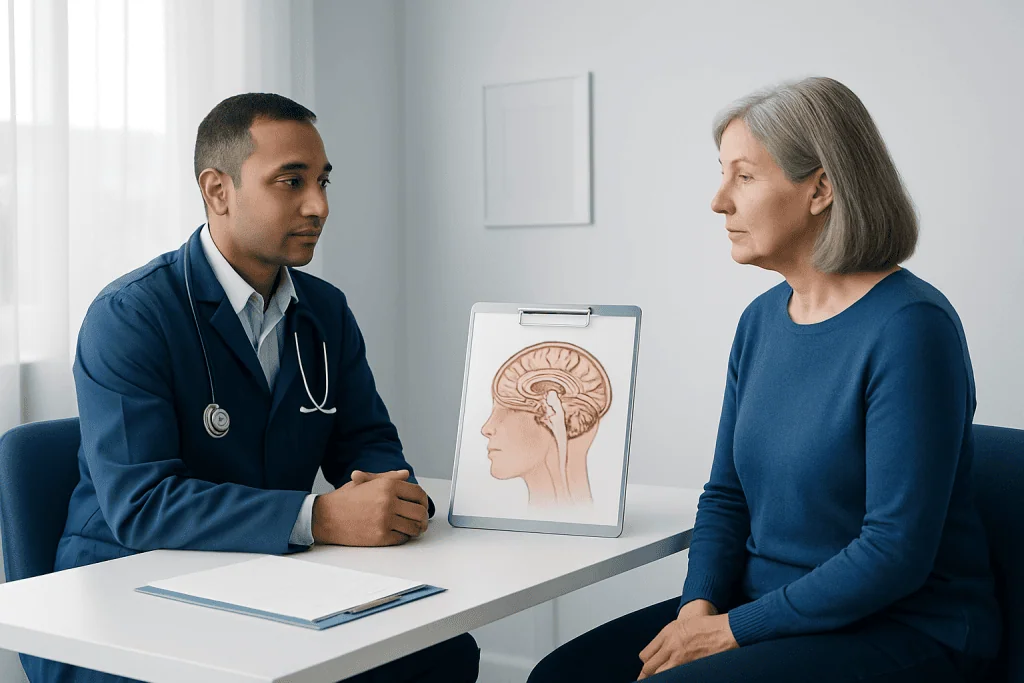
In most cases, the exact cause of a pituitary tumor is not known. These tumors usually develop sporadically, meaning they happen without a clear trigger. They are not typically caused by lifestyle choices, stress, or minor head injury. For many patients, there is no obvious reason why the tumor formed.
A small number of pituitary tumors are linked to inherited genetic conditions, such as multiple endocrine neoplasia type 1. A family history of certain endocrine tumors may make a specialist consider genetic counseling or testing, especially if the tumor appears at a younger age or if there are other hormone-related conditions in the family.
Risk factors are not as well defined as they are for many other conditions. Age can play a role, as pituitary adenomas are often found in adults. Some are discovered incidentally during brain imaging done for unrelated reasons. Although pituitary tumors are usually not preventable, recognizing symptoms early can help reduce complications from hormone imbalance or pressure on surrounding tissues.
How pituitary tumors are diagnosed
Diagnosis begins with a detailed medical history and physical examination. The doctor asks about headaches, changes in vision, menstrual history, fertility, sexual function, energy level, weight changes, and any signs of hormone excess or deficiency. Because symptoms can overlap with many other conditions, diagnosis often requires several types of tests.
Blood tests are central to diagnosis. These may measure prolactin, growth hormone-related markers, cortisol, thyroid hormones, sex hormones, and other pituitary hormones. In some cases, urine tests or special stimulation or suppression tests are also needed to understand whether the tumor is producing hormones or impairing normal gland function.
MRI is the main imaging test for pituitary tumors because it gives detailed pictures of the pituitary gland and nearby structures. If the tumor is close to the optic nerves, formal visual field testing may be recommended to detect subtle vision loss. These steps help the care team determine the tumor’s size, type, and whether it is affecting nearby tissues.
Diagnosis may involve several specialists, including an endocrinologist, neuroradiologist, ophthalmologist, and neurosurgeon. This team approach is useful because treatment decisions depend not only on the MRI appearance but also on the tumor’s hormone behavior and its effect on daily life.
Treatment options
Treatment depends on the type of pituitary tumor, whether it produces hormones, its size, its growth pattern, and the symptoms it causes. Not every pituitary tumor needs immediate intervention. Small tumors without symptoms may be monitored over time with repeat MRI scans, hormone tests, and follow-up visits.
Medication is often the first treatment for certain functioning tumors, especially prolactin-secreting adenomas. These medicines can lower prolactin levels and sometimes shrink the tumor. Other hormone-related tumors may require medicines to block hormone production or control the effects of hormone excess. If the tumor causes hormone deficiencies, hormone replacement may also be needed.
Surgery may be recommended if the tumor is pressing on the optic nerves, causing significant symptoms, not responding to medication, or producing hormones that are better treated with removal. Many pituitary tumors are removed through minimally invasive brain tumor surgery performed through the nose, a technique often called transsphenoidal surgery. Radiation therapy can be considered when residual tumor remains, when surgery is not possible, or when the tumor returns.
After treatment, careful follow-up is important because hormone levels may take time to normalize and some patients need long-term monitoring. In complex cases, care may include neurosurgery expertise together with endocrine management and imaging follow-up. Near the end of the treatment journey, some international patients choose centers such as Acibadem International, where multidisciplinary specialists in JCI-accredited hospitals diagnose and treat pituitary disorders.
Living with a pituitary tumor: monitoring and self-care
Many people with pituitary tumors live well with treatment and regular follow-up. Even when a tumor is benign, long-term monitoring can matter because hormone levels may change over time and some tumors can grow or recur. Follow-up usually includes periodic blood tests, MRI scans, and symptom review.
Self-care does not replace medical treatment, but it can support overall health. Keeping a record of symptoms, menstrual changes, headaches, vision changes, medications, and energy levels can help during clinic visits. Taking prescribed medicines consistently and attending scheduled appointments are important parts of safe care.
It can also help to protect general health through adequate sleep, balanced nutrition, regular physical activity as tolerated, and stress management. If hormone deficiencies affect bone health, metabolism, or fertility, the medical team may discuss targeted support and referrals. Because symptoms are often gradual, family members may sometimes notice changes before the patient does.
When to see a doctor
A doctor should evaluate ongoing symptoms that suggest hormone imbalance or pressure on the pituitary region. These include persistent headaches, unexplained vision changes, menstrual irregularity, infertility, erectile dysfunction, low libido, unusual milk discharge, or major changes in energy, weight, or body appearance. These symptoms do not always mean a pituitary tumor is present, but they deserve medical attention.
Urgent assessment is especially important for sudden severe headache, rapidly worsening vision, double vision, confusion, fainting, or severe nausea and vomiting, particularly if these symptoms occur together. In rare cases, a pituitary tumor can bleed suddenly, a condition called pituitary apoplexy, which is a medical emergency.
Early diagnosis can improve symptom control and reduce the risk of complications. Patients who are unsure where to start can speak with a primary care doctor, endocrinologist, or neurologist. If symptoms involve eyesight, prompt ophthalmologic evaluation may also be recommended.
Frequently asked questions
Are pituitary tumors usually cancerous?
No. Most pituitary tumors are benign adenomas, which means they are not cancer. Even so, they can still cause important health problems by changing hormone levels or pressing on nearby structures such as the optic nerves.
Can a pituitary tumor cause vision problems?
Yes. A larger pituitary tumor can press on the optic nerves or optic chiasm, which may reduce peripheral vision or cause blurred vision. Any new or worsening vision change should be assessed promptly by a doctor.
What hormones can be affected by a pituitary tumor?
Pituitary tumors may affect prolactin, growth hormone, ACTH, thyroid-stimulating hormone, and hormones that control the ovaries or testes. Some tumors cause hormone excess, while others reduce normal pituitary function and lead to hormone deficiency.
How is a pituitary tumor found?
Diagnosis usually involves blood tests to check hormone levels and an MRI scan of the pituitary gland. Doctors may also recommend visual field testing if the tumor is near the optic nerves or if vision symptoms are present.
Do all pituitary tumors need surgery?
No. Some small or nonfunctioning tumors can be monitored, and some hormone-secreting tumors respond well to medication. Surgery is usually considered when the tumor causes pressure symptoms, threatens vision, or cannot be controlled with medicines alone.
Can pituitary tumors come back after treatment?
They can in some cases, which is why follow-up is important even after successful treatment. Repeat MRI scans, hormone testing, and clinical review help doctors detect recurrence or ongoing hormone problems early.
References
- National Institute of Diabetes and Digestive and Kidney Diseases
- National Institute of Neurological Disorders and Stroke
- Endocrine Society
- NHS
- American Association of Neurological Surgeons
This article is for general information only and is not a substitute for professional medical advice. Please consult a qualified doctor about your individual situation.
Pituitary Tumor in Turkey — costs, top hospitals & a free quote
JCI-accredited · board-certified surgeons · reply within 24h
Add us as a Preferred Source to see more of our trusted health content across Google Search, AI Overviews and Discover.
Check your numbers in seconds
BMI, calories, due date, blood pressure and 30+ more clinical calculators — free, instant, doctor-reviewed ranges.

Related Conditions
More from the Health Library



Related Specialists

Prof. Dr. Neslihan Kurtulmuş
Endocrinology
Prof. Dr. İnan Anaforoğlu
Endocrinology
Assoc. Prof. Dr. Ayşenur Özderya
Endocrinology
Assoc. Prof. Dr. Müjdat Kara
Endocrinology