Atrial Fibrillation: Irregular Heartbeat, Stroke Risk, and Treatment

Atrial fibrillation, often called AFib, causes an irregular heartbeat that may be constant or come and go. Some people feel palpitations, fatigue, breathlessness, or chest discomfort, while others have no noticeable symptoms.
Key Takeaways
- Atrial fibrillation, often called AFib, causes an irregular heartbeat that may be constant or come and go.
- Some people feel palpitations, fatigue, breathlessness, or chest discomfort, while others have no noticeable symptoms.
- AFib can increase the risk of blood clots and stroke, so stroke prevention is a central part of care.
- Treatment may include lifestyle changes, medications, electrical cardioversion, catheter ablation, or device-based therapies.
- Regular follow-up with a cardiologist helps adjust treatment, monitor rhythm, and manage underlying conditions.
Atrial fibrillation is a common heart rhythm disorder in which the upper chambers of the heart beat irregularly and often too fast. With timely diagnosis, stroke-risk assessment, and individualized treatment, many people with atrial fibrillation live active and well-managed lives.
Overview
Atrial fibrillation is a heart rhythm disorder in which the atria, the two upper chambers of the heart, beat in a fast and disorganized way. Instead of a steady electrical signal guiding each heartbeat, many irregular signals occur at once. This can make the pulse feel uneven, rapid, or fluttering, and it may reduce how efficiently the heart pumps blood.
AFib may happen in short episodes that stop on their own, or it may become persistent and require medical treatment to restore or control the rhythm. In some people it is discovered during a routine examination or electrocardiogram because it causes few or no symptoms. In others, it can noticeably affect daily activities, exercise tolerance, sleep, and quality of life.
The condition is important because blood may not move smoothly through the atria during AFib. This can allow clots to form, and if a clot travels to the brain, it can cause a stroke. For this reason, care focuses not only on controlling symptoms but also on assessing stroke risk and protecting long-term heart and brain health.
Symptoms

Symptoms of atrial fibrillation vary widely. Some people feel a sudden racing or fluttering heartbeat, sometimes described as a pounding sensation in the chest. Others notice tiredness, reduced stamina, lightheadedness, shortness of breath, or an uneasy awareness that the heartbeat is not regular.
AFib episodes can last minutes, hours, or longer. They may begin suddenly and resolve spontaneously, or they may continue until treatment is given. Symptoms may be more noticeable during physical activity, stress, alcohol use, dehydration, or after poor sleep, although triggers are different for each person.
Common symptoms may include:
- Palpitations or an irregular pulse
- Fast heartbeat, especially at rest
- Fatigue or reduced ability to exercise
- Shortness of breath
- Dizziness, lightheadedness, or feeling faint
- Chest discomfort or pressure
Chest pain, fainting, severe breathlessness, or symptoms that may suggest a stroke require urgent medical attention. Stroke warning signs include sudden weakness on one side of the body, facial drooping, speech difficulty, sudden vision changes, confusion, or loss of balance.
Causes and Risk Factors
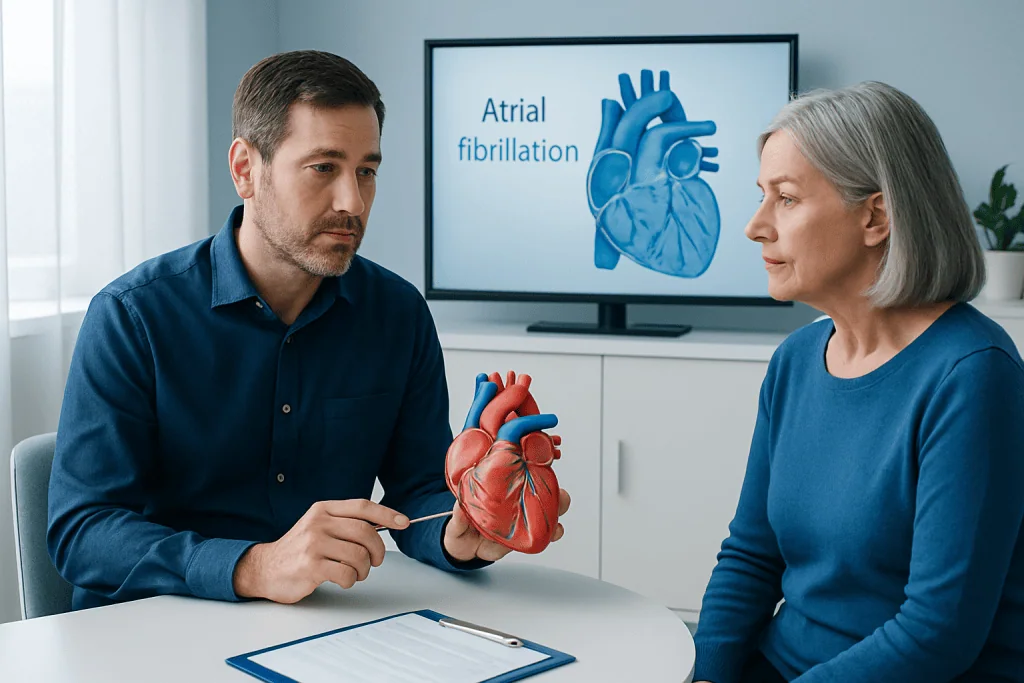
Atrial fibrillation usually develops because the heart’s electrical system becomes irritated or remodeled over time. High blood pressure is one of the most common contributing factors because it increases strain on the heart. Other heart-related causes include coronary artery disease, heart valve disease, heart failure, previous heart surgery, and inflammation around the heart.
Non-cardiac conditions can also increase the likelihood of AFib. These include an overactive thyroid, sleep apnea, diabetes, chronic kidney disease, lung disease, obesity, and significant infections or acute illness. Age is an important risk factor, and AFib becomes more common as people get older.
Lifestyle and environmental factors may contribute as well. Excess alcohol intake, stimulant use, smoking, dehydration, and high levels of physical or emotional stress can trigger episodes in susceptible individuals. Some people notice AFib after heavy meals, poor sleep, or intense endurance exercise, although triggers should be discussed with a clinician rather than assumed.
In some cases, no single cause is identified. Even then, a careful evaluation is helpful because treating underlying conditions, such as high blood pressure or sleep apnea, can reduce symptoms and may improve rhythm control.
Diagnosis and Stroke-Risk Assessment
Diagnosis begins with a medical history, physical examination, and pulse assessment. The key test is an electrocardiogram, or ECG, which records the heart’s electrical activity and can confirm atrial fibrillation if it is happening at the time of the test. If episodes come and go, a doctor may recommend longer monitoring with a Holter monitor, event recorder, patch monitor, or implantable loop recorder.
Additional tests help identify causes and guide treatment. Blood tests may check thyroid function, kidney function, electrolytes, blood counts, and other medical conditions. An echocardiogram uses ultrasound to assess heart structure, valve function, chamber size, and pumping strength. In selected patients, stress testing or other imaging may be used to evaluate coronary artery disease.
Once AFib is diagnosed, stroke risk is assessed using validated clinical factors such as age, high blood pressure, diabetes, heart failure, prior stroke or transient ischemic attack, vascular disease, and sex-related risk considerations. Bleeding risk is also reviewed, especially if blood-thinning medication is being considered. These tools support shared decision-making but do not replace individualized medical judgment.
AFib is often described by pattern. Paroxysmal AFib starts and stops, persistent AFib continues and may need treatment to stop, and permanent AFib is accepted as an ongoing rhythm when rhythm restoration is not the goal. The pattern can influence treatment choices, but stroke prevention remains important regardless of whether symptoms are mild or severe.
Treatment Options
Treatment for atrial fibrillation is individualized. The main goals are to reduce stroke risk, control the heart rate, restore or maintain a normal rhythm when appropriate, improve symptoms, and manage underlying conditions. The best plan depends on age, symptoms, AFib pattern, heart structure, other illnesses, stroke risk, bleeding risk, and patient preferences.
Stroke prevention may involve anticoagulant medication, often called a blood thinner, for people whose stroke risk is high enough to benefit. These medicines do not dissolve existing clots; they reduce the chance that new clots will form. The choice of medication and monitoring needs should be reviewed carefully with a doctor, especially for people with kidney disease, bleeding history, planned surgery, or other medications that may interact.
Rate control aims to keep the heartbeat from being too fast, even if AFib continues. Rhythm control aims to restore and maintain a normal rhythm. Rhythm-control strategies may include antiarrhythmic medication, electrical cardioversion, or catheter ablation. Cardioversion uses a controlled electrical shock under medical supervision to reset the rhythm. Catheter ablation uses thin tubes guided into the heart to target areas that trigger or sustain abnormal electrical signals.
Some patients may need additional options, such as treatment for heart valve disease, pacemaker implantation in selected rhythm problems, or left atrial appendage closure when long-term anticoagulation is not suitable. These decisions require specialist assessment. The treatment plan may change over time as symptoms, test results, and overall health evolve.
Prevention and Self-care
Not every case of atrial fibrillation can be prevented, but many people can reduce episodes and improve heart health by managing risk factors. Good blood pressure control is especially important. People with diabetes, thyroid disease, sleep apnea, obesity, or heart failure should follow their treatment plans closely and attend regular follow-up appointments.
Daily self-care can support medical treatment. A heart-healthy lifestyle usually includes regular physical activity appropriate to the person’s condition, a balanced diet rich in vegetables, fruits, whole grains, lean proteins, and healthy fats, and limiting highly processed foods. Alcohol moderation or avoidance may be recommended, particularly when alcohol triggers episodes. Smoking cessation is also important for overall cardiovascular health.
Practical steps may include:
- Taking prescribed medicines exactly as directed
- Not stopping anticoagulants without medical advice
- Checking pulse or using approved monitoring devices if advised
- Maintaining a healthy weight
- Treating sleep apnea when present
- Limiting excess caffeine or stimulants if they trigger symptoms
- Keeping a record of symptoms, triggers, and heart rate readings
People taking anticoagulants should ask their healthcare team about bleeding precautions, medication interactions, and what to do before dental work or surgery. Self-care is most effective when it is coordinated with a clinician rather than used as a substitute for medical treatment.
When to See a Doctor
A person should arrange a medical evaluation if they notice a new irregular heartbeat, repeated palpitations, unexplained fatigue, shortness of breath, dizziness, or reduced exercise capacity. Even brief or occasional symptoms deserve attention, because AFib may come and go and may still carry a risk of complications.
Urgent care is needed for severe chest pain, fainting, extreme breathlessness, a very rapid heart rate that does not settle, or symptoms of stroke such as sudden weakness, facial drooping, speech problems, confusion, sudden vision loss, or trouble walking. In these situations, emergency services should be contacted immediately.
People already diagnosed with AFib should seek medical advice if symptoms worsen, heart rate remains unusually high or low, bleeding occurs while taking anticoagulants, or a procedure or new medication is planned. Regular cardiology follow-up helps ensure that treatment remains safe and appropriate.
For international patients seeking evaluation, Acibadem International’s multidisciplinary specialists and JCI-accredited hospitals provide diagnosis and treatment for heart rhythm disorders, including atrial fibrillation. Care decisions should always be based on a personal consultation, test results, and the recommendations of qualified clinicians.
Frequently asked questions
Is atrial fibrillation the same as an irregular heartbeat?
Atrial fibrillation is one specific type of irregular heartbeat. It occurs when the upper chambers of the heart beat in a disorganized pattern. Other rhythm disorders can also cause an irregular pulse, so an ECG is needed to confirm the diagnosis.
Can atrial fibrillation go away on its own?
Some AFib episodes stop on their own, especially in paroxysmal atrial fibrillation. However, the condition may return and can become more persistent over time. A doctor should evaluate the cause, stroke risk, and whether treatment is needed even if symptoms improve.
Why does atrial fibrillation increase stroke risk?
During AFib, blood may not flow smoothly through the atria, especially a small area called the left atrial appendage. This can allow a clot to form. If a clot travels to the brain, it can block blood flow and cause a stroke.
Does everyone with AFib need a blood thinner?
Not everyone with AFib needs anticoagulant medication. The decision depends on an individual's stroke risk, bleeding risk, other medical conditions, and preferences. A clinician uses validated risk factors and medical judgment to recommend the safest approach.
What is the difference between rate control and rhythm control?
Rate control focuses on keeping the heart rate in a safer and more comfortable range while AFib may continue. Rhythm control aims to restore and maintain a normal heart rhythm. The best strategy depends on symptoms, heart health, AFib duration, and treatment risks and benefits.
Can lifestyle changes help atrial fibrillation?
Lifestyle changes can be very helpful, especially when they address triggers and risk factors. Weight management, blood pressure control, limiting alcohol, treating sleep apnea, regular activity, and smoking cessation may reduce episodes and improve overall heart health. These steps should complement, not replace, medical care.
This article is for general information only and is not a substitute for professional medical advice. Please consult a qualified doctor about your individual situation.
Heart care in Turkey — expert evaluation and treatment
JCI-accredited · board-certified surgeons · reply within 24h
Add us as a Preferred Source to see more of our trusted health content across Google Search, AI Overviews and Discover.
Check your numbers in seconds
BMI, calories, due date, blood pressure and 30+ more clinical calculators — free, instant, doctor-reviewed ranges.

Cardiology Department
Diagnosis and treatment of heart and vascular conditions, from prevention to advanced interventional procedures.
93 specialists in this unitRelated Treatments
Related Conditions
More from the Health Library

What Does a Cardiologist Do at Your First Visit?

Kawasaki Disease in Children: Early Symptoms, Heart Risks, and Follow-Up Care

Heart Bypass Surgery in Turkey: What International Patients Should Know

Hypertension: Symptoms, Causes, and How It Is Diagnosed

Heart-Lung Machine During CABG: How Cardiopulmonary Bypass Supports Surgery