

Smart Lens Surgery in Turkey: Treatment Guide

Smart lens surgery replaces the eye’s natural lens with an artificial intraocular lens to reduce dependence on glasses and treat vision problems such as presbyopia, cataracts, or refractive errors. In Turkey, Acibadem plans this procedure after a detailed eye evaluation and performs it with modern diagnostic and surgical techniques, followed by structured postoperative follow-up.
This guide explains smart lens surgery in Turkey for international patients, including who may benefit, lens options, what happens before and during treatment, recovery expectations, travel planning and follow-up. It is designed to help you understand the patient journey at Acibadem International and prepare for a safe, well-informed consultation.
At a glance
- Procedure type: Ophthalmic lens replacement surgery using a premium intraocular lens
- Purpose: To reduce dependence on glasses for distance, intermediate and/or near vision, and to treat cataract when present
- Anesthesia: Usually topical local anesthesia with eye drops; mild sedation may be considered when appropriate
- Hospital stay: Typically same-day discharge; overnight stay is usually not required
- Estimated recovery: Many patients notice clearer vision within days, with adaptation continuing over several weeks
- Return to daily life: Light daily activities are often possible within a few days, depending on your doctor’s advice
- Final result timeline: Visual stabilization and brain adaptation commonly progress over 1–3 months; individual results vary
- Suitable department: Ophthalmology / Eye Diseases
- International patient support: Interpreter assistance, appointment coordination, transfer planning, accommodation guidance and remote follow-up support
What is this treatment?
Smart lens surgery is an eye procedure in which your eye’s natural lens is removed and replaced with a premium intraocular lens, often called a smart lens. These lenses are designed to improve vision at more than one distance, such as far, intermediate and near, depending on the lens type selected. The procedure is similar in technique to cataract surgery, but it may also be used as a refractive lens exchange for people who want to reduce dependence on glasses when they are not ideal candidates for laser eye surgery.
The term “smart lens” is commonly used for advanced intraocular lenses such as trifocal, multifocal, extended-depth-of-focus and toric lenses. Each lens type has different advantages and limitations. Your ophthalmologist evaluates your eye health, glasses prescription, corneal shape, pupil characteristics, retina and lifestyle expectations before recommending whether this treatment is appropriate.
At Acibadem International, smart lens surgery is planned by ophthalmology specialists using detailed diagnostic measurements. The goal is not simply to place an advanced lens, but to choose the most suitable lens strategy for your eyes and daily life, while explaining realistic expectations in a clear and balanced way.
When is it recommended?
Smart lens surgery may be recommended when the natural lens has become cloudy due to cataract and you would like to improve vision while also reducing glasses dependence. It may also be considered for presbyopia, the age-related loss of near focusing ability, especially when reading glasses or progressive lenses have become inconvenient. Some people with high hyperopia, myopia or astigmatism may also be evaluated for lens replacement if other vision correction options are unsuitable.
The treatment is not recommended only because a patient wants to be glasses-free. A safe recommendation depends on the health and measurements of your entire eye. Conditions such as significant dry eye, irregular cornea, advanced glaucoma, macular disease, uncontrolled diabetes-related eye changes or unrealistic expectations may affect suitability.
Your doctor will also consider your occupation and hobbies. For example, people who drive frequently at night, work in visually demanding environments or are very sensitive to contrast changes may need a careful discussion about lens selection and possible visual effects such as halos or glare.
Who is a good candidate?
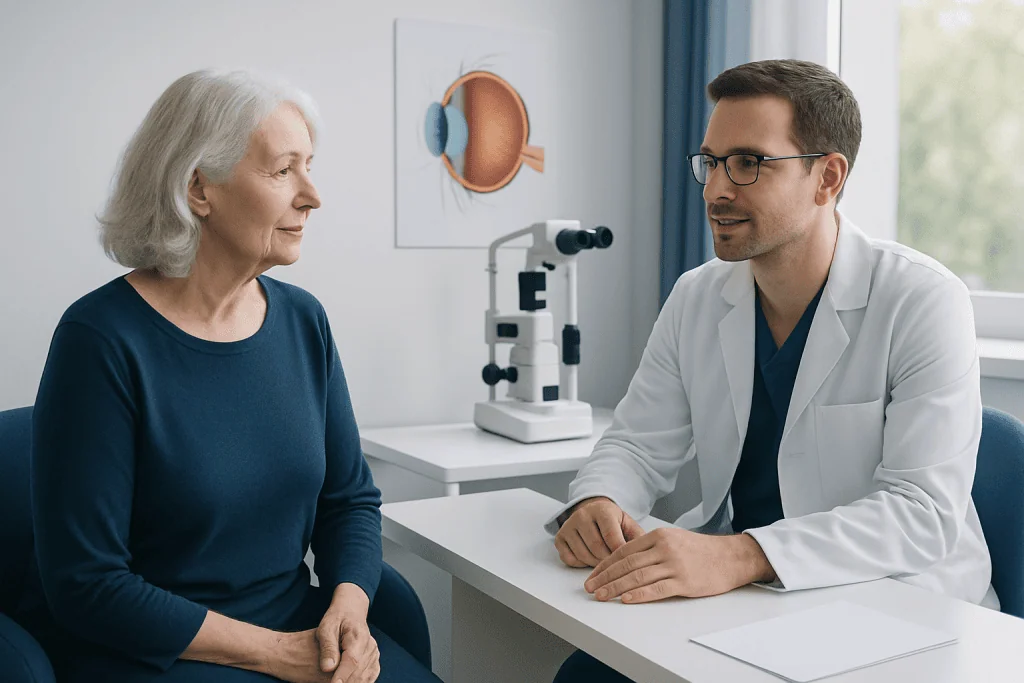
A good candidate is usually someone whose eyes are otherwise healthy, whose prescription and measurements are suitable, and who understands both the benefits and limitations of premium intraocular lenses. You may be considered if you have cataract, presbyopia, or a refractive error that cannot be optimally corrected with laser vision correction. Stable general health and the ability to follow post-operative care instructions are also important.
Before surgery, your ophthalmologist will assess the cornea, lens, retina, optic nerve, tear film, eye pressure and exact optical measurements. These tests help identify whether smart lens surgery is likely to meet your needs and whether one or both eyes should be treated. In many cases, the two eyes are operated on separate days, but the timing depends on your surgeon’s protocol and your individual condition.
You may not be an ideal candidate if you have active eye infection, severe uncontrolled dry eye, significant corneal irregularity, untreated retinal problems or other conditions that may limit visual quality after surgery. If another eye treatment is needed first, your doctor will explain the safest sequence.
Treatment options
Several lens options may be discussed during your consultation. Trifocal intraocular lenses aim to support distance, intermediate and near vision, which may help with activities such as walking outdoors, using a computer and reading. Multifocal lenses also provide more than one focus point, while extended-depth-of-focus lenses may offer a smoother range of vision, often with a different balance between reading ability and night-vision comfort.
If you have astigmatism, a toric smart lens may be considered to correct the cylindrical component of your prescription. Some patients may benefit from a monofocal lens strategy, monovision, or an enhanced monofocal lens instead of a multifocal or trifocal lens. This is why a personalized evaluation is essential; the “best” lens is not the same for every patient.
Smart lens surgery may be performed as cataract surgery when the natural lens is cloudy, or as refractive lens exchange when the lens is still clear but the goal is refractive correction. Your surgeon will explain the planned lens model, expected vision range, possible need for glasses for certain tasks, and whether any additional procedures, such as laser correction or treatment for dry eye, may be considered later.
Online evaluation before travel
Before you travel to Turkey, Acibadem International can help organize an initial remote review. You may be asked to share your age, glasses prescription, previous eye diagnoses, eye surgery history, medication list and any recent eye examination results. If you have cataract or retinal imaging reports, these can be especially helpful for the preliminary assessment.
This online evaluation helps the medical team understand whether smart lens surgery may be worth exploring in person. However, it cannot replace detailed eye measurements performed with ophthalmic devices. Lens power calculation, corneal mapping, retina evaluation and eye pressure measurement must be done in person before any final treatment decision.
The international patient team can also explain the expected appointment flow, approximate length of stay needed for consultation, surgery and early control visits. This helps you plan flights and accommodation more safely, without assuming surgery is guaranteed before your full examination.
Before the treatment
Before smart lens surgery, you will attend a comprehensive ophthalmology consultation. Your doctor will review your medical history, visual goals, daily activities and any concerns such as night driving, reading needs or computer work. You may undergo tests such as visual acuity measurement, refraction, eye pressure measurement, corneal topography, biometry for lens power calculation, pupil evaluation and retinal examination.
If you use contact lenses, your doctor may ask you to stop wearing them for a period before measurements, because they can temporarily affect corneal shape. You should inform the team about blood thinners, diabetes medication, allergy history, previous eye surgery, eye trauma, dry eye treatment and any systemic diseases. Do not stop prescribed medication unless your physician specifically instructs you to do so.
Your surgeon will explain the planned lens, anesthesia approach, whether one or both eyes will be treated during your trip, and what to expect after surgery. You will receive instructions about eye drops, fasting if sedation is planned, hygiene, arrival time and the need for a companion when appropriate.
What happens during the treatment
Smart lens surgery is usually performed in an operating room under sterile conditions. The eye is numbed with anesthetic drops, and you may receive mild sedation if it is suitable for you. You are awake in most cases, but the procedure is generally not painful; you may feel light, pressure or water around the eye.
The surgeon makes a very small incision, removes the natural lens using modern microsurgical techniques and places the selected intraocular lens inside the eye. The incision is usually self-sealing, although the exact approach depends on your eye and the surgeon’s decision. The procedure for one eye is typically brief, but you should expect to spend additional time at the hospital for preparation and observation.
If both eyes require treatment, the second eye may be scheduled on another day or according to your doctor’s plan. This allows the team to check the first eye’s early response and maintain safety. Your vision may be brighter or clearer soon after surgery, but it is also normal for it to fluctuate during early healing.
Hospital stay and discharge
Smart lens surgery is commonly performed as a day procedure, meaning you can usually leave the hospital the same day after a short observation period. The medical team will check your general comfort and eye condition before discharge. You should not drive immediately after surgery, and international patients are advised to arrange transportation through their companion or the international patient services team.
Before leaving, you will receive instructions on eye drops, protective eye shield use, hygiene and activity restrictions. It is important to follow these instructions exactly, even if you feel well. You may notice mild watering, foreign-body sensation, light sensitivity or blurred vision during the first day; these symptoms often improve gradually, but your doctor will tell you what is expected in your case.
A first control visit is usually scheduled soon after surgery. This visit allows your ophthalmologist to check eye pressure, incision healing and early lens position. Do not leave Turkey before your doctor confirms that it is safe for you to travel.
Recovery timeline
Recovery after smart lens surgery is usually progressive. Many patients notice vision improvement quickly, but the eye still needs time to heal and the brain needs time to adapt to the new optical system. Adaptation may be especially important with multifocal or trifocal lenses, because your visual system learns how to use different focus points.
| Timeframe | What to expect |
|---|---|
| First 24 hours | Vision may be cloudy or fluctuating. Mild discomfort, watering, light sensitivity or a gritty feeling can occur. Rest and use prescribed drops as instructed. |
| First week | Many patients return to light daily activities. Vision often becomes clearer, but glare, halos or dryness may be noticeable. Your control visit is important. |
| Weeks 2-4 | Comfort and clarity usually continue to improve. You may resume more activities if your doctor allows. Avoid eye rubbing and follow hygiene guidance. |
| Months 1-3 | Visual stability and neuroadaptation progress. Night-vision symptoms may reduce for many patients, although some effects can persist depending on the eye and lens type. |
| Final result | The final visual outcome is assessed after healing and adaptation. Some patients may still need glasses for specific tasks, and additional treatment may occasionally be considered. |
Your recovery may differ if you have dry eye, retinal disease, glaucoma, diabetes-related eye changes or previous eye surgery. The safest timeline is the one given by your treating ophthalmologist after examining your eye.
What to avoid after treatment
After surgery, avoid rubbing or pressing on your eye, as this can affect healing. You should also avoid swimming pools, saunas, hot tubs and dusty environments until your doctor confirms it is safe. Keep water, soap and cosmetics away from the operated eye during the early healing period, and use the protective shield or glasses as instructed.
Heavy lifting, intense exercise, bending with strain and contact sports should be avoided until your doctor gives permission. You may be able to read, watch television or use a phone soon after surgery, but take breaks if your eye feels tired. Driving should only resume when your doctor confirms that your vision is safe and legal for driving.
Do not skip prescribed drops or change the schedule without medical advice. If you are traveling home soon after the early control visit, carry your eye drops in your hand luggage and keep written instructions with you. Remote follow-up can support you after return, but urgent symptoms should be assessed locally without delay.
Risks and possible complications
Smart lens surgery is widely performed, but like any eye operation it has risks. Possible complications include infection, inflammation, increased eye pressure, bleeding, corneal swelling, retinal problems, lens position issues, dry eye symptoms or delayed healing. Serious complications are uncommon but can affect vision, which is why careful patient selection, sterile operating conditions and follow-up are essential.
Premium lenses can also be associated with visual phenomena such as halos around lights, glare, reduced contrast sensitivity or difficulty adapting, especially in low-light conditions. Some patients may still need glasses for fine print, prolonged near work or specific tasks. In selected cases, additional laser correction, lens repositioning, lens exchange or treatment of posterior capsule clouding may be needed after healing.
Your individual risk depends on your eye health, general health, anatomy and lens choice. During your consultation at Acibadem, your surgeon will discuss the benefits and risks relevant to your situation so that you can make an informed decision without unrealistic expectations.
Warning signs: when to contact a doctor
Some mild discomfort, watering and fluctuating vision can be normal early after surgery. However, certain symptoms require prompt medical advice because early treatment can be important. You should contact your Acibadem team, your local ophthalmologist or an emergency eye service if you experience concerning changes.
- Sudden decrease in vision or a dark curtain-like shadow
- Severe or worsening eye pain that does not improve
- Increasing redness, swelling or discharge
- New flashes of light, many new floaters or loss of part of the visual field
- Nausea, vomiting or severe headache with eye pain
- Significant trauma or accidental pressure to the operated eye
- Persistent sensitivity to light with worsening discomfort
- Any symptom that feels unusual, rapidly worsening or worrying to you
If you are already back in your home country, do not wait for a routine remote appointment if urgent symptoms appear. Seek local eye care immediately and inform the Acibadem International team so your records and surgical details can be shared if needed.
Results and expectations
The aim of smart lens surgery is to improve your range of vision and reduce dependence on glasses. Many patients appreciate being able to perform daily activities with less need for correction, especially when the lens choice matches their lifestyle. However, no intraocular lens can perfectly copy the natural focusing ability of a young eye, and results vary from person to person.
You may still need glasses for certain tasks, such as very small print, long reading sessions, night driving or detailed close work. Halos, glare or contrast changes may occur, particularly during the adaptation period. Your doctor will explain how your chosen lens is expected to perform for distance, intermediate and near vision.
Realistic expectations are a key part of satisfaction. Your final result depends on accurate measurements, appropriate lens selection, surgical healing, retina and optic nerve health, and your brain’s adaptation. Revision or additional treatment is not routine for everyone, but it can sometimes be needed to improve comfort or visual quality.
International patient travel planning
For international patients, travel planning should allow enough time for consultation, diagnostic testing, surgery, the first post-operative control and medical clearance before flying home. It is wise not to book a very tight return schedule until your treatment plan is confirmed. Your coordinator can help you understand the expected sequence based on whether one or both eyes will be treated.
Bring your passport, previous eye reports, glasses prescriptions, medication list and any relevant medical records. If you have a companion, they can help with transport and daily comfort after surgery. Acibadem International can support appointment coordination, interpreter services, airport transfer planning and accommodation guidance, helping you navigate the process more smoothly in Turkey.
Flying is often possible after your ophthalmologist confirms early healing is satisfactory, but travel clearance must be individualized. Keep your post-operative drops accessible during the journey, avoid touching your eye during travel and follow hygiene precautions carefully.
Cost and package information
The cost of smart lens surgery depends on several factors, including the type of intraocular lens selected, whether one or both eyes are treated, the complexity of your case, required diagnostic tests, operating room needs and follow-up schedule. Toric, trifocal, multifocal or extended-depth-of-focus lenses may have different cost structures. Additional treatment for dry eye, retina issues, glaucoma or other eye conditions may also affect the overall plan.
An international patient package may typically include medical consultation coordination, pre-operative eye measurements, the surgical procedure, standard hospital services related to the operation, early control visits and interpreter support where available. Depending on the package, airport transfers or accommodation guidance may be arranged separately through international patient services.
Items that may not be included can vary and may involve flights, hotel accommodation, companion expenses, additional tests requested after examination, medications for extended use, treatment of unrelated conditions or extra follow-up outside the initial plan. Acibadem International provides a personalized quotation after medical review, so you understand what is included before making travel decisions.
Why choose Acibadem
Choosing where to have eye surgery abroad is an important decision. Acibadem International brings together ophthalmology specialists, modern diagnostic technology and hospital standards designed for patient safety. As part of a JCI-accredited healthcare group in Turkey, Acibadem follows structured processes for evaluation, surgery, infection control and follow-up.
For smart lens surgery, detailed measurements and careful lens selection are central to the treatment plan. Your care team can evaluate not only your glasses prescription but also corneal shape, retinal health, eye pressure and lifestyle needs. If another specialty opinion is needed, multidisciplinary coordination is available within the hospital group.
International patient services help make the experience more manageable by supporting communication, appointment scheduling, interpreter arrangements, transfers, accommodation guidance and remote follow-up. The aim is to help you feel informed and cared for before, during and after your visit, while keeping all medical decisions based on physician evaluation.
Medical review and disclaimer
This guide has been reviewed by the Acibadem International medical team. It is provided for general information to help international patients understand smart lens surgery, possible treatment options, recovery and travel considerations. It should not be used as a diagnosis, medical advice or a replacement for a consultation with a qualified ophthalmologist.
Your suitability for smart lens surgery can only be determined after a physician evaluates your eyes in detail. The final treatment plan, lens selection, timing, risks and expected results depend on your individual examination findings and medical history. Always follow the instructions of your treating doctor and seek urgent medical care if warning symptoms occur.
Step by step
- Initial contact. You contact Acibadem International and share your main vision concerns, preferred travel dates and whether you have been diagnosed with cataract, presbyopia or another eye condition.
- Medical record / photo submission. You send available eye reports, glasses prescriptions, medication list, medical history and any imaging or test results. Photos are not usually enough for eye surgery planning, but reports from your ophthalmologist can be very helpful.
- Preliminary medical review. The ophthalmology team reviews the information to assess whether smart lens surgery may be appropriate to explore. This review is preliminary and does not replace in-person testing.
- Treatment plan and quotation. If the treatment appears suitable for further evaluation, you receive an outline of the proposed process and a personalized quotation based on the expected services. Final decisions are made after your in-person examination.
- Travel planning. Your coordinator helps with appointment scheduling, expected length of stay, airport transfer planning and accommodation guidance. You should avoid tight return travel plans until medical clearance is confirmed.
- Arrival. When you arrive in Turkey, the international patient team supports your hospital visit, interpreter arrangements when needed and coordination of your appointment schedule.
- In-person consultation. You meet the ophthalmologist for a detailed eye examination and discussion of your goals, lifestyle and expectations. Your doctor confirms whether smart lens surgery is suitable for you.
- Pre-operative tests. You undergo measurements such as refraction, biometry, corneal mapping, eye pressure testing and retinal evaluation. These tests help calculate lens power and choose the most appropriate lens type.
- Treatment. The smart lens procedure is performed in sterile operating room conditions, usually with topical local anesthesia. The natural lens is removed and replaced with the planned intraocular lens.
- Hospital stay. You are observed after surgery and usually discharged the same day if your condition is stable. You receive eye drop instructions, protective guidance and activity restrictions.
- First control. Your doctor checks early healing, eye pressure, vision and lens position. This visit is important before continuing your travel plans.
- Discharge / travel clearance. Your ophthalmologist confirms whether you are ready to leave the hospital and, later, whether it is safe to fly home. You receive written instructions for ongoing care.
- Remote follow-up. After returning home, Acibadem International can support remote communication for planned follow-up questions. Urgent eye symptoms should be assessed immediately by a local ophthalmologist.
Your checklist
- Passport and travel documents
- Recent glasses or contact lens prescription
- Previous ophthalmology reports and eye test results
- Retinal imaging, corneal topography or biometry reports if available
- List of current medications, including eye drops and blood thinners
- Allergy information, especially medication or antiseptic allergies
- History of previous eye surgeries, laser procedures, trauma or infections
- General medical history, including diabetes, hypertension, autoimmune disease or bleeding disorders
- Current symptoms such as glare, halos, blurred vision, dryness or night driving difficulty
- Contact lens use history and lens type
- Questions about your visual goals, work needs, hobbies and expectations
- Companion contact information, if someone will travel with you
Key takeaways
- Smart lens surgery may be suitable if you have cataract, presbyopia, high glasses dependence or are not a good candidate for laser vision correction, but eligibility requires detailed eye testing.
- Your lens choice is personalized; trifocal, multifocal, extended-depth-of-focus and toric lenses may be considered depending on your eye structure and lifestyle needs.
- International patients usually need time for pre-operative measurements, surgery, early controls and travel clearance before returning home.
- Recovery is generally comfortable, but you must follow eye drop instructions, avoid rubbing the eye and attend scheduled follow-ups.
- Possible visual phenomena such as halos, glare or adaptation difficulties should be discussed honestly before surgery; results vary and further treatment may sometimes be needed.
Frequently asked questions
Is smart lens surgery the same as cataract surgery?
The surgical technique is similar because the natural lens is removed and replaced with an intraocular lens. In cataract surgery, the lens is cloudy and must be removed to restore clarity. In refractive lens exchange, the lens may be clear, but it is replaced to reduce dependence on glasses.
Am I suitable for smart lens surgery?
Suitability depends on your eye measurements, retina and optic nerve health, corneal shape, prescription, lifestyle and expectations. A remote review can help guide planning, but only an in-person ophthalmology examination can confirm whether the treatment is appropriate for you.
Which smart lens is best for me?
There is no single best lens for every patient. Trifocal, multifocal, extended-depth-of-focus, toric and monofocal-enhanced options each have different benefits and trade-offs. Your doctor recommends a lens based on your eye structure, astigmatism, reading needs, night driving habits and tolerance for visual phenomena.
How long should I stay in Turkey?
Your length of stay depends on your examination schedule, whether one or both eyes are treated, and the timing of early control visits. You should plan enough time for consultation, tests, surgery and medical clearance before flying. Your coordinator can help estimate the needed stay after preliminary review.
Will I be completely free from glasses?
Smart lenses can significantly reduce dependence on glasses for many daily activities, but complete freedom from glasses cannot be guaranteed. Some patients still prefer or need glasses for fine print, night driving, prolonged computer work or specific tasks. Your doctor will discuss realistic expectations before surgery.
Is the surgery painful?
The procedure is usually performed with numbing eye drops, and most patients do not describe it as painful. You may feel light, pressure, water or mild discomfort. After surgery, temporary grittiness, watering or light sensitivity may occur and is managed with your doctor’s instructions.
What are halos and glare after smart lens surgery?
Halos and glare are visual effects that may appear around lights, especially at night. They can occur with premium lenses because of how the lens divides or extends focus. Many patients adapt over time, but some may continue to notice these effects, so they should be discussed before choosing a lens.
Can both eyes be treated on the same day?
Treatment timing depends on your surgeon’s protocol, your eye health and your travel plan. Many doctors prefer treating the eyes on separate days to monitor the first eye’s early response. Your ophthalmologist will recommend the safest schedule for you.
What affects the cost of smart lens surgery in Turkey?
Cost is influenced by the lens type, whether one or both eyes are treated, required diagnostic tests, surgical complexity, hospital services and follow-up needs. Additional treatment for dry eye, retina problems or other eye conditions may also affect the plan. A personalized quotation is provided after medical review.
Is it safe to travel after smart lens surgery?
Many patients can travel after early healing is checked, but you should not fly home until your ophthalmologist gives clearance. Carry your drops and instructions with you, avoid touching the eye, and seek local care urgently if warning symptoms develop after returning home.
What happens if I need follow-up after returning home?
Acibadem International can support remote communication for planned follow-up and help share relevant medical details when needed. However, urgent symptoms such as sudden vision loss, severe pain or increasing redness require immediate examination by a local eye doctor or emergency service.
Add us as a Preferred Source to see more of our trusted health content across Google Search, AI Overviews and Discover.
More Patient Guides
Day Surgery in Turkey: Can You Leave Hospital the Same Day?
Day surgery in Turkey often lets you go home the same day if your procedure and recovery are suitable and your doctor…
11 min read
General Anesthesia in Turkey: How to Prepare and What Happens Before You Sleep
General anesthesia in Turkey helps you sleep safely through surgery. Learn preparation, recovery, risks, and travel planning in Istanbul.
11 min read
Choosing Between Outpatient and Inpatient Treatment in Turkey: What Affects the Decision
Choosing Between Outpatient and Inpatient Treatment in Turkey depends on your procedure, health, recovery needs and travel plans.
11 min read