Quick answer
Golfer’s elbow is a painful overuse condition that affects the tendons on the inner side of the elbow, often causing tenderness, weakness, and discomfort with gripping or wrist movement. Treatment depends on symptom severity and may include clinical evaluation, activity modification, medication, physical therapy, supportive bracing, and in selected cases, minimally invasive or surgical procedures.
Overview
Golfer’s elbow is a common orthopedic condition that causes pain on the inner side of the elbow. The medical term is medial epicondylitis. It happens when the tendons that attach the forearm muscles to the inner part of the elbow become irritated or overloaded. These tendons help control wrist and finger movements, especially gripping, lifting, and twisting.
Despite its name, golfer’s elbow does not only affect golfers. It can occur in anyone who repeatedly uses the wrist, hand, or forearm, including people who do racket sports, weight training, manual work, computer work, or hobbies that involve gripping tools. The condition can be uncomfortable, but many people improve with appropriate care and changes to activities that trigger symptoms.
Symptoms
The main symptom of golfer’s elbow is pain or tenderness on the inner side of the elbow. The discomfort may develop gradually or appear after a specific activity. Symptoms can range from mild irritation to pain that affects daily tasks.
- Pain or tenderness on the inside of the elbow
- Pain that may spread down the inner forearm toward the wrist
- Discomfort when gripping, lifting, shaking hands, or turning a doorknob
- Stiffness in the elbow, especially after rest
- Weakness in the hand or wrist during certain movements
- Tingling or numbness in the ring and little fingers in some cases
Symptoms may worsen with repeated wrist bending, forceful gripping, or lifting with the palm facing upward. Some people notice pain during sports, while others feel it during work or household activities.
Causes and Risk Factors
Golfer’s elbow is usually related to repeated stress on the tendons and muscles that bend the wrist and fingers. Over time, small areas of irritation can develop where the tendon attaches to the inner elbow. This may cause pain, sensitivity, and reduced strength.
Activities that involve repeated gripping, twisting, throwing, or lifting can increase the risk. The problem may also occur when a person suddenly increases training intensity, uses poor technique, or works with tools that require forceful hand movements.
- Golf, tennis, throwing sports, or weight training
- Jobs involving repeated use of tools, such as construction, plumbing, carpentry, or assembly work
- Frequent lifting, carrying, or gripping heavy objects
- Repetitive computer, hand, or craft activities
- Poor sports technique or unsuitable equipment
- Reduced flexibility or strength in the forearm, wrist, or shoulder
- Previous elbow, wrist, or shoulder problems
Age-related tendon changes may also make tendons more vulnerable to irritation. However, golfer’s elbow can affect adults of different ages and activity levels.
Diagnosis
A healthcare professional usually diagnoses golfer’s elbow by discussing symptoms, activity history, and performing a physical examination. The doctor may check where the elbow is tender, how the wrist and fingers move, and whether certain resisted movements reproduce the pain.
The examination may also include checking grip strength, elbow flexibility, and sensation in the hand and fingers. This helps distinguish golfer’s elbow from other conditions, such as nerve irritation, arthritis, ligament injury, or pain referred from the neck or shoulder.
Imaging tests are not always needed. In some cases, an X-ray, ultrasound, or magnetic resonance imaging may be recommended to look for other causes of pain or to assess tendon changes, especially if symptoms are severe, long-lasting, or related to an injury.
Treatment Options
Treatment for golfer’s elbow depends on the severity of symptoms, the person’s activities, and how long the problem has been present. The main goal is to reduce tendon irritation, restore comfortable movement, and help the person return to normal activities safely.
Initial care often includes modifying or reducing activities that trigger pain. This may involve changing technique, adjusting work tasks, or temporarily limiting repetitive gripping or lifting. A healthcare professional may recommend supportive measures such as a brace, physical therapy, or a structured exercise program focused on flexibility and gradual strengthening.
- Activity modification to reduce stress on the irritated tendon
- Physical therapy to improve strength, flexibility, and movement patterns
- Guidance on sports technique, workplace ergonomics, or equipment changes
- Supportive braces or straps in selected cases
- Pain-relief approaches when appropriate and advised by a clinician
- Injection-based treatments in certain persistent cases
- Surgery, rarely, if symptoms do not improve with non-surgical treatment
Recovery time varies from person to person. Tendons often need time to settle and adapt. Returning too quickly to painful activities may prolong symptoms, so a gradual return guided by a healthcare professional is usually recommended.
When to See a Doctor
Medical assessment is recommended if inner elbow pain does not improve, keeps returning, or interferes with work, sports, or daily activities. Early evaluation can help confirm the cause and guide appropriate treatment.
- Pain lasts for more than a short period or is getting worse
- There is swelling, bruising, or a clear injury to the elbow
- You have weakness, numbness, or tingling in the hand or fingers
- You cannot fully bend or straighten the elbow
- Pain affects sleep, work, sports, or normal hand use
- Symptoms return despite rest or activity changes
Urgent medical attention is needed if elbow pain follows a major injury, there is visible deformity, severe swelling, loss of hand function, or signs of infection such as fever, redness, warmth, or increasing pain. A doctor can assess the condition and recommend the most suitable next steps.
Doctors Who Treat This Condition

Prof. Dr. Ahmet Alanay
Orthopedic Surgery & Traumatology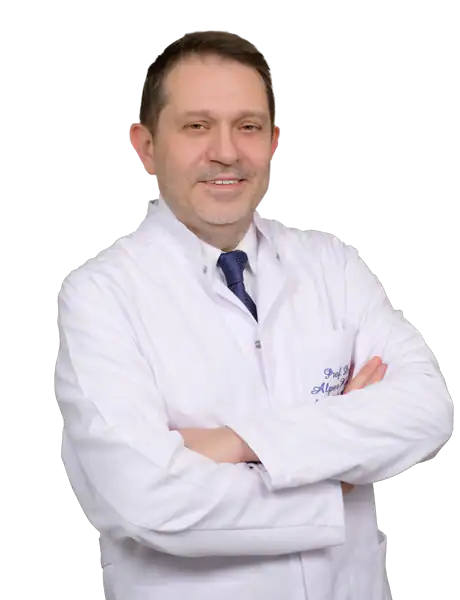
Prof. Dr. Alper Kaya
Orthopedic Surgery & Traumatology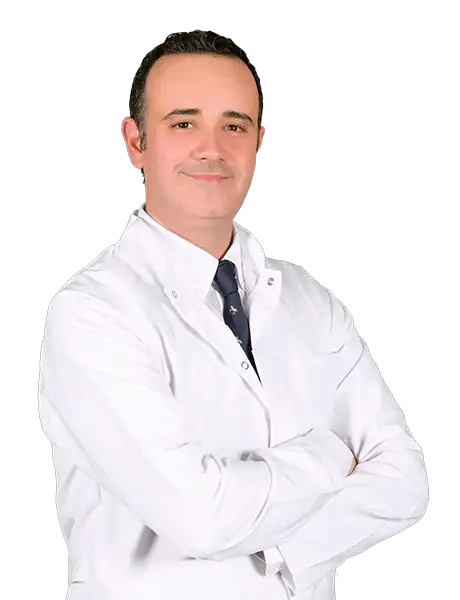
Prof. Dr. Arel Gereli
Orthopedic Surgery & Traumatology
Prof. Dr. Ata Can Atalar
Orthopedic Surgery & Traumatology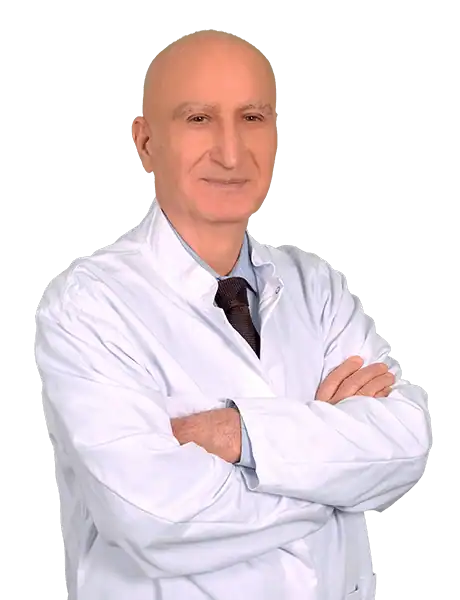
Prof. Dr. Aziz Kaya Alturfan
Orthopedic Surgery & Traumatology
Prof. Dr. Barış Kocaoğlu
Orthopedic Surgery & Traumatology
Prof. Dr. Burak Akan
Orthopedic Surgery & Traumatology
Prof. Dr. Cihangir Tetik
Orthopedic Surgery & Traumatology
Prof. Dr. Emre Toğrul
Orthopedic Surgery & Traumatology
Prof. Dr. Erhan Serin
Orthopedic Surgery & Traumatology
Prof. Dr. Fatih Dikici
Orthopedic Surgery & Traumatology