


Quick answer
Thalassemia is an inherited blood disorder in which the body produces too little or abnormal hemoglobin, leading to anemia and related complications. Treatment depends on the type and severity and may include regular monitoring, blood transfusions, iron chelation therapy, and in selected cases stem cell transplantation, with care coordinated through specialist hematology services at Acibadem in Turkey.
Overview
Thalassemia is an inherited blood disorder that affects the body’s ability to make hemoglobin, the protein in red blood cells that carries oxygen. When hemoglobin production is reduced or abnormal, red blood cells may be smaller, more fragile, and fewer in number. This can lead to anemia, which means the body’s tissues may not receive enough oxygen.
There are different forms of thalassemia, commonly grouped as alpha thalassemia and beta thalassemia. The severity can vary widely. Some people have a mild form and may have few or no symptoms, while others have a more severe form that requires regular medical care throughout life. Thalassemia is not contagious; it is passed from parents to children through genes.
With appropriate monitoring and specialist care, many people with thalassemia can manage the condition and maintain good quality of life. Care is usually provided by a hematology team, often with support from other specialists when needed.
Symptoms
Symptoms depend on the type and severity of thalassemia. Mild forms may be discovered only during routine blood tests. More significant forms can cause symptoms related to anemia and changes in the body’s attempt to produce more blood cells.
- Fatigue, weakness, or reduced energy
- Pale or yellowish skin
- Shortness of breath during activity
- Dizziness or lightheadedness
- Slow growth or delayed puberty in children with more severe disease
- Dark urine in some cases
- Abdominal swelling due to an enlarged spleen or liver
- Bone changes, especially in the face or skull, in severe untreated cases
- Frequent infections in some patients, particularly after spleen-related complications or surgery
Symptoms can develop in infancy or childhood in more severe forms. In milder forms, a person may not notice symptoms until later or may never experience significant health problems.
Causes and Risk Factors
Thalassemia is caused by changes in the genes that control hemoglobin production. A person may inherit these gene changes from one or both parents. If only one altered gene is inherited, the person may be a carrier, sometimes called having a thalassemia trait. Carriers often have mild anemia or no symptoms, but they can pass the gene change to their children.
The risk of thalassemia is higher in families with a history of the condition. It is also more common in people with ancestry from certain regions, including the Mediterranean, Middle East, South Asia, Southeast Asia, and parts of Africa. However, thalassemia can occur in people from any background.
For couples planning a pregnancy, especially if there is a family history or known carrier status, genetic counseling can help explain inheritance patterns and reproductive options. This information can be important because two carriers may have a chance of having a child with a more severe form of thalassemia.
Diagnosis
Thalassemia is evaluated with blood tests and, when needed, genetic testing. A complete blood count can show anemia and red blood cells that are smaller than usual. Additional blood tests can assess hemoglobin types and help distinguish thalassemia from other causes of anemia, such as iron deficiency.
Because thalassemia and iron deficiency can sometimes look similar on basic blood tests, it is important that results are interpreted by a healthcare professional. Taking iron when it is not needed may be harmful, especially for people who already have iron overload risk.
Genetic testing may be recommended to confirm the type of thalassemia, identify carrier status, or support family planning decisions. In some cases, testing may also be discussed during pregnancy if both parents are carriers or if there is a known risk in the family.
For people with moderate or severe thalassemia, doctors may also monitor organ function, growth in children, hormone health, heart and liver status, and iron levels over time.
Treatment Options
Treatment depends on the severity of the condition, symptoms, age, overall health, and test results. Mild thalassemia may require no specific treatment, but regular follow-up may be recommended to monitor anemia and avoid unnecessary therapies.
People with more severe thalassemia may need regular blood transfusions to maintain healthier hemoglobin levels and reduce symptoms of anemia. Over time, repeated transfusions can cause excess iron to build up in the body. Iron overload can affect organs such as the heart, liver, and endocrine glands. To manage this, doctors may recommend iron removal therapy and ongoing monitoring.
Some patients may need folate or other supportive nutritional guidance, but supplements should only be used when advised by a clinician. Vaccination planning, infection prevention, and careful management of spleen-related problems may also be part of care.
In selected cases, a stem cell or bone marrow transplant may be considered. This is a complex treatment that depends on factors such as disease severity, donor availability, age, and overall health. Newer treatment approaches may also be discussed in specialized centers, but suitability varies from person to person.
Long-term thalassemia care often involves a coordinated team, including hematologists, pediatricians or adult medicine specialists, cardiologists, endocrinologists, liver specialists, genetic counselors, and nurses experienced in transfusion care.
When to See a Doctor
Seek medical advice if you or your child has persistent fatigue, paleness, shortness of breath, poor growth, yellowing of the skin or eyes, abdominal swelling, or unexplained anemia on a blood test. A doctor can evaluate possible causes and decide whether further testing is needed.
People with a family history of thalassemia, known carrier status, or ancestry from regions where thalassemia is more common may benefit from screening, particularly before pregnancy. Couples who are both carriers should consider genetic counseling to understand potential risks for future children.
If you have already been diagnosed with thalassemia, regular follow-up is important even when you feel well. Ongoing monitoring helps detect anemia-related issues, iron overload, growth concerns in children, and organ complications early. Contact your healthcare team promptly if symptoms worsen, fever develops, or you experience chest pain, severe weakness, fainting, or difficulty breathing.
Treatments for This Condition
Doctors Who Treat This Condition
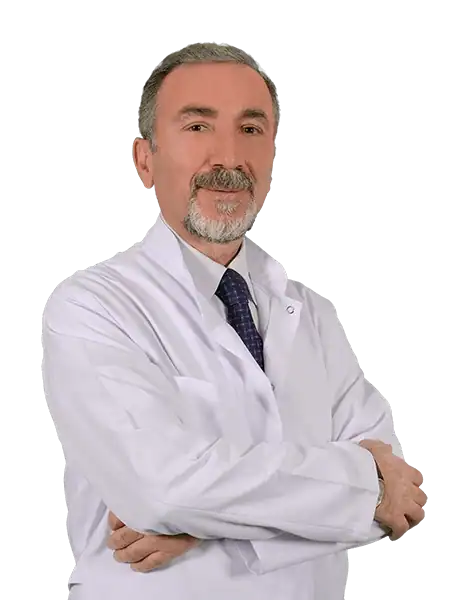
Prof. Dr. Ahmet Öztürk
Hematology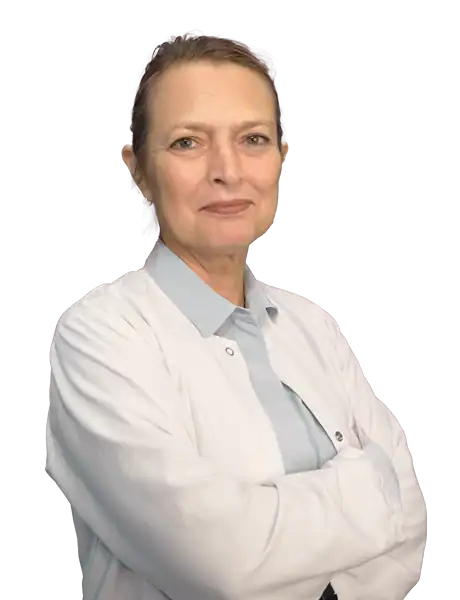
Prof. Dr. Ayşen Timurağaoğlu
Hematology
Prof. Dr. Eren Erken
Hematology
Prof. Dr. Funda Vesile Çorapcıoğlu
Pediatric Hematology & Oncology
Prof. Dr. Gülsan Sucak
Hematology
Prof. Dr. Meliha Nalçacı
Hematology
Prof. Dr. Mustafa Çetiner
Hematology
Prof. Dr. S. Sami Kartı
Hematology
Prof. Dr. Salim Başol Tekin
Hematology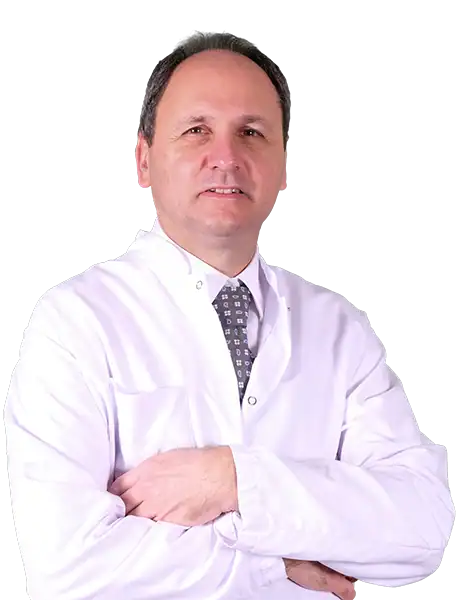
Prof. Dr. Siret Ratip
Hematology
Prof. Dr. Soner Solmaz
Hematology