

Pediatric Surgery
Acibadem's Pediatric Surgery unit provides surgical care for newborns, children and adolescents — from day surgery to complex conditions — with child-focused anesthesia and intensive care.

Quick answer
Pediatric surgery is the medical unit dedicated to the surgical care of newborns, infants, children and adolescents. Children are not small adults: their anatomy, physiology and emotional needs are different, and safe surgery for a child depends on teams, anesthesia and equipment designed specifically around those differences.
Pediatric surgery is the medical unit dedicated to the surgical care of newborns, infants, children and adolescents. Children are not small adults: their anatomy, physiology and emotional needs are different, and safe surgery for a child depends on teams, anesthesia and equipment designed specifically around those differences. At Acıbadem International, pediatric surgery is delivered by experienced pediatric surgeons working alongside pediatric anesthesiologists, pediatricians and child-focused nursing teams within fully equipped hospitals — so that a child’s operation, however small or complex, takes place in an environment built for children.
What the pediatric surgery unit covers
The unit evaluates and surgically treats conditions that arise from the newborn period through adolescence. Its scope ranges from frequently performed day-case procedures to the planned treatment of congenital conditions that are ideally corrected in childhood. Every case begins the same way: a careful evaluation of the child, a clear explanation to the family of what is found, and a treatment plan that considers not only the operation itself but the child’s growth, development and comfort.
Because the unit works inside a large hospital group, a child who needs input from another specialty — cardiology before anesthesia, for example, or imaging that requires sedation — receives it within the same coordinated system, without the family having to organize care across separate institutions.
Why children need their own surgical care
A child’s airway, fluid balance, temperature regulation and response to medication differ from an adult’s, and they change with age — a newborn, a toddler and a teenager each require a different approach. Pediatric surgical care therefore involves more than operative technique: it includes pediatric anesthesia delivered by teams who work with children every day, age-appropriate equipment in the operating room, and post-operative care on units accustomed to monitoring children.
The emotional side matters just as much. Hospitals can be frightening for children and stressful for parents. Care teams explain procedures in language families can understand, keep parents involved and close to their child wherever clinically possible, and plan admissions so that the time spent in hospital is no longer than the child’s condition requires.
Conditions commonly evaluated and treated
Pediatric surgeons commonly deal with conditions such as inguinal and umbilical hernias, undescended testis, hydrocele and circumcision-related needs; appendicitis and other acute abdominal conditions; and a range of congenital anomalies of the gastrointestinal tract, chest wall and urogenital system that are identified at birth or in early childhood. Some conditions are treated with a short, planned day-case operation; others call for staged care that is scheduled around the child’s age and development.
Which approach is right for an individual child — and whether surgery is needed at all — can only be decided after a proper evaluation of that child. Families are encouraged to share existing reports and imaging for review, so the team can advise on whether treatment is appropriate and how it would be planned.
Child-focused anesthesia and pain management
Anesthesia for children is planned by anesthesiology teams experienced in pediatric care, taking into account the child’s age, weight, medical history and the nature of the procedure. Families are informed beforehand about fasting rules, what will happen on the day, and how their child will be monitored. After surgery, pain is assessed and managed with age-appropriate methods, because a comfortable child recovers, feeds and mobilizes sooner.
The multidisciplinary team
Around the pediatric surgeon stands a wider team: pediatric anesthesiologists, pediatricians, neonatal and pediatric intensive-care teams for children who need closer monitoring, radiologists experienced in imaging children, and nursing teams trained in pediatric care. For conditions that touch other specialties — pediatric urology, pediatric cardiology, orthopedics or ENT — the relevant specialists are brought into the plan, so the child’s care is decided jointly rather than in isolation.
Minimally invasive approaches in children
Where clinically appropriate, pediatric surgeons use laparoscopic and other minimally invasive techniques adapted to children, with instruments sized for small patients. Minimally invasive surgery may offer smaller incisions and a shorter recovery for suitable cases — but the choice of technique is always made case by case, based on the child’s condition, age and safety, not on preference for a particular method.
The international patient journey
For families travelling from abroad, the journey usually begins before the trip: medical reports, imaging and referral notes can be shared for a remote review, and the team advises whether an operation is likely to be appropriate, what the treatment plan could look like and how long the family should expect to stay. On arrival, the child is examined in person and the plan is confirmed or adjusted before any procedure takes place.
Throughout the stay, the international patient team assists with appointments, language support and practical arrangements, so parents can focus on their child. Before departure, families receive clear discharge guidance — wound care, activity, feeding and warning signs — together with the medical documentation their doctors at home will need for follow-up. A remote check-in after returning home can be arranged where appropriate. You can start this process with a free consultation.
Why families choose Acıbadem for pediatric surgery
Families come to Acıbadem for the combination that pediatric surgery demands: experienced pediatric surgeons, anesthesia and intensive-care teams focused on children, fully equipped hospitals where every supporting specialty is on site, and an international patient service that manages the practical side of treatment abroad. The same group provides comprehensive children’s care through its Pediatrics unit, so surgical and medical care of a child connect naturally when both are needed.
What to expect and practical notes
Bring your child’s existing medical reports, imaging and vaccination information; if your child takes regular medication, share the details in advance. Ask the team anything that is unclear — about anesthesia, the operation, pain relief or recovery — before the day of surgery. For planned procedures, the team will advise how many days to allow in Türkiye, including the follow-up visit before flying home. This page is for general information only: it does not replace an examination, and your child’s own medical team is always the right source of advice for their individual situation.
Frequently Asked Questions
Can my child’s case be reviewed before we travel?
Yes. You can share your child’s reports and imaging for a remote review, and the team will advise whether surgery appears appropriate, what the plan could involve and how long you should expect to stay — before you book anything.
What ages does the pediatric surgery unit treat?
The unit cares for children from the newborn period through adolescence. The approach — anesthesia, equipment and aftercare — is adapted to the child’s age and development at every step.
Will my child have anesthesia designed for children?
Yes. Anesthesia is planned and delivered by teams experienced in pediatric care, using age-appropriate methods and monitoring, with fasting and preparation instructions explained to the family beforehand.
Can I stay with my child in hospital?
Parents are kept involved and close to their child wherever clinically possible, and the care team will explain the arrangements for your child’s admission — including accompanying your child before and after the operation.
Are minimally invasive techniques used for children?
Where clinically appropriate, yes — laparoscopic and other minimally invasive approaches adapted to children are used for suitable cases. The technique is always chosen case by case, based on the child’s condition and safety.
How long will we need to stay in Türkiye?
It depends on the procedure and your child’s recovery. Many planned operations require only a short stay, while more complex care takes longer; the team will give you a realistic estimate during the pre-travel review and confirm it after the in-person examination.
Specialists in this Unit

Prof. Dr. Burak Tander
Pediatric Surgery
Prof. Dr. E. Levent Elemen
Pediatric Surgery
Prof. Dr. Hüseyin Dindar
Pediatric Surgery
Prof. Dr. Muazzez Çevik
Pediatric Surgery
Prof. Dr. Selim Aksöyek
Pediatric Surgery
Assoc. Prof. Dr. Tunç Özdemir
Pediatric Surgery
Dr. Abdullah Özel
Pediatric Surgery
Dr. Cem Kara
Pediatric Surgery
Dr. Ertunç Karadağ
Pediatric Surgery
Dr. Harun Ayangil
Pediatric Surgery
Dr. Kaan Maşrabacı
Pediatric Surgery
Dr. Mehmet Celal Şen
Pediatric Surgery
Dr. Mustafa Candan
Pediatric Surgery
Dr. Mustafa Yücel
Pediatric Surgery
Dr. Teoman Şen
Pediatric SurgeryAvailable at these Hospitals














What patients say about this unit
★★★★★From 2,400+ verified patient reviews“Our son’s pediatric cardiology reviews happen here every year now. Echo, consultation and a translated report in a single afternoon, scheduled around our flights. The continuity — same doctor, same nurse — matters enormously to him.”
“The pediatric ward is designed around children — play areas, parents sleeping in, procedures explained with pictures. Our daughter’s operation went perfectly, but what I remember is her waving at the nurses on discharge day.”
“My nine-year-old had otoplasty before the school year and the pediatric team made it easy for him — child-friendly anesthesia induction, both ears done in under two hours, and a headband protocol he actually tolerated.”
Patient stories from this unit
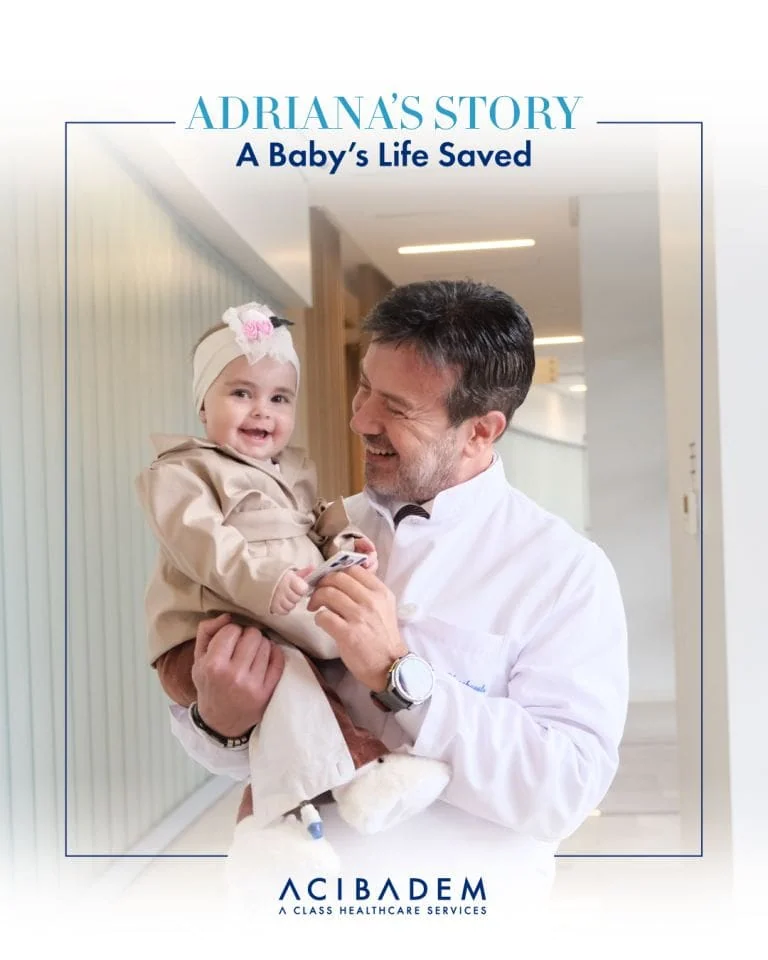 International Pediatric Liver Transplant at 11 Months: Adriana’s Story
 At 11 months old, Adriana faced liver cancer with no treatment options left at home. A living-donor transplant with a graft from her father…
Read the story →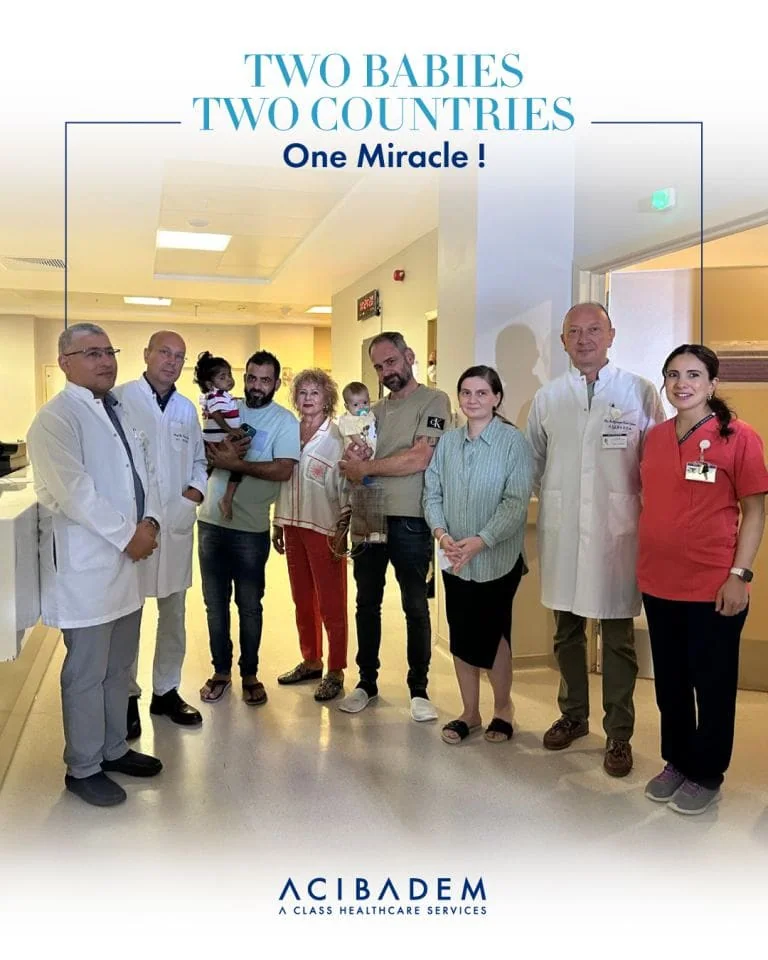 Libya & Georgia Two Pediatric Liver Transplants, Days Apart: Hatan & Saba
 Two children arrived at Acibadem days apart, both in urgent need of liver transplants. Each received a living-donor graft from a parent and recovered…
Read the story →Comparison guides for this specialty
Speak with our medical team
Share your case and our international patient team will guide you to the right specialist — free of charge.