

Sedation Dentistry: Options for Anxiety and Complex Dental Care

Sedation dentistry ranges from mild relaxation with nitrous oxide to deeper sedation or general anesthesia for selected cases. Local anesthesia still numbs the treatment area; sedation mainly helps with anxiety, comfort, and cooperation.
Key Takeaways
- Sedation dentistry ranges from mild relaxation with nitrous oxide to deeper sedation or general anesthesia for selected cases.
- Local anesthesia still numbs the treatment area; sedation mainly helps with anxiety, comfort, and cooperation.
- A careful medical review is essential, especially for people with heart, lung, sleep, pregnancy, allergy, or medication concerns.
- Most patients need clear pre- and post-procedure instructions, and some types of sedation require fasting and an adult escort home.
- Sedation can be useful for dental anxiety, a strong gag reflex, special care needs, or lengthy treatments such as oral surgery or multiple procedures.
Sedation dentistry can help people who feel anxious, have a strong gag reflex, or need longer or more complex dental treatment feel calmer and more comfortable. The right option depends on the procedure, medical history, anxiety level, and the dentist’s or anesthesiology team’s assessment.
Overview
Sedation dentistry refers to the use of medication to help a patient feel relaxed and comfortable during dental care. It may be offered for people with dental anxiety, previous difficult dental experiences, a sensitive gag reflex, difficulty sitting still, special healthcare needs, or the need for long or complex procedures. Sedation does not replace good communication, gentle technique, and local anesthesia, but it can make treatment easier to tolerate.
The level of sedation can vary. Some patients remain fully awake but calm, while others feel drowsy and remember little of the appointment. In deeper levels of sedation or general anesthesia, the patient may not be aware of the procedure. The choice is individualized and should be based on the patient’s health, the type and length of dental treatment, and the training and facilities available.
For many people, the most important first step is a discussion with the dental team. Patients are encouraged to explain what worries them, what has happened in previous appointments, and what would help them feel more in control. A personalized plan can often combine sedation with practical comfort measures, such as breaks during treatment, clear signals to pause, topical numbing gel, and music or guided breathing.
Who May Benefit from Sedation Dentistry
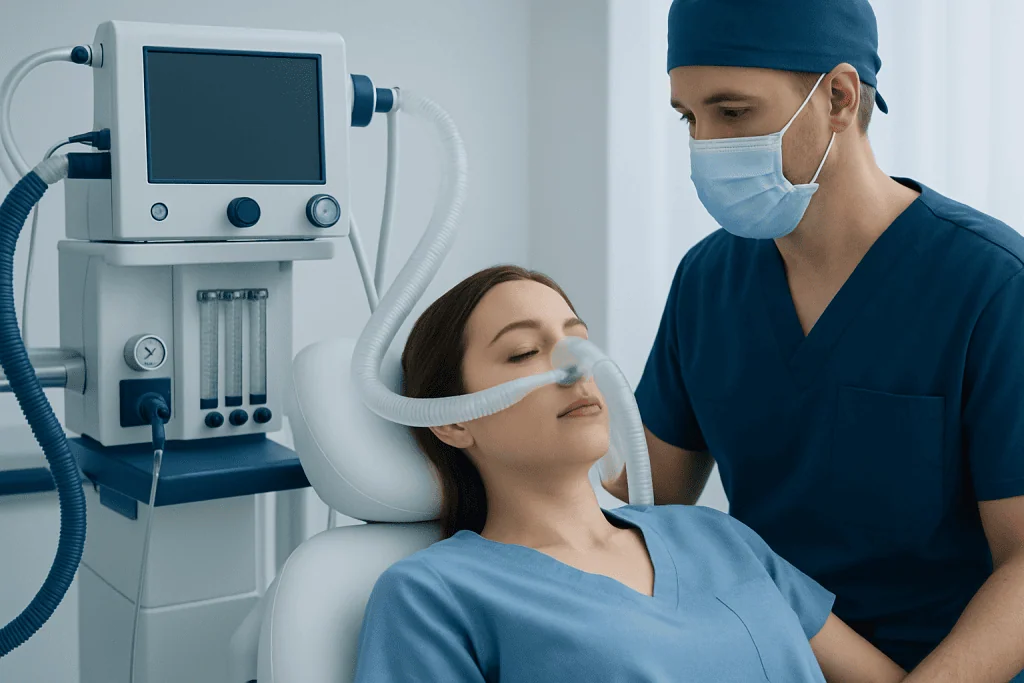
Sedation dentistry may be considered when anxiety or physical discomfort prevents a person from receiving needed dental care. Avoiding dental visits can allow small problems to become more complicated, so creating a safe and manageable experience is an important part of oral health. Sedation may also help when several treatments are planned in one appointment, reducing the number of visits needed.
Common reasons for considering sedation include moderate to severe dental anxiety, fear of injections, a strong gag reflex, difficulty becoming numb, jaw discomfort during long appointments, or sensitive teeth. It may also be useful for oral surgery, implant placement, wisdom tooth removal, complex restorative work, periodontal procedures, or treatment in patients who have trouble cooperating because of medical, developmental, or neurological conditions.
Not every patient needs medication-based sedation. Some people do well with reassurance, gradual desensitization, a calm environment, local anesthesia, or shorter appointments. Others benefit from a structured sedation plan. The safest and most effective option is the one that matches the person’s needs without using more medication than necessary.
Levels and Options for Sedation

Sedation options are often described by depth. Minimal sedation helps a patient feel relaxed while remaining awake and responsive. Moderate sedation makes the patient more drowsy; they can usually respond to verbal instructions but may have limited memory of the procedure. Deep sedation and general anesthesia involve a much lower level of awareness and require more intensive monitoring and specialized training.
The main options used in dentistry include:
- Nitrous oxide sedation: Sometimes called laughing gas, nitrous oxide is inhaled through a small nose mask. It acts quickly, wears off quickly, and is often used for mild to moderate anxiety.
- Oral conscious sedation: Medication is taken by mouth before treatment to reduce anxiety and increase relaxation. The patient remains conscious but may feel sleepy and should not drive afterward.
- IV sedation dentistry: Sedative medication is given through a vein, allowing the clinician to adjust the level of sedation during treatment. It is commonly considered for higher anxiety or longer procedures.
- General anesthesia: The patient is fully unconscious and does not feel or remember the procedure. This is reserved for selected cases and requires appropriate anesthesia support, equipment, and recovery monitoring.
Local anesthesia is still commonly used during dental treatment, even when sedation is provided. Local anesthesia numbs the tooth, gum, or jaw area so the procedure is not painful. Sedation mainly reduces anxiety, awareness, and the stress response; it should be planned together with pain control.
Safety, Medical Assessment, and Preparation
When provided by trained professionals with appropriate monitoring, sedation dentistry is generally safe for suitable patients. Safety begins before the appointment with a detailed medical history. The dental or anesthesia team should ask about medical conditions, allergies, previous reactions to anesthesia or sedation, pregnancy status, sleep apnea, breathing problems, heart disease, liver or kidney disease, and all medications and supplements.
Some patients may need coordination with their physician before sedation, especially if they have complex medical conditions or take blood thinners, diabetes medicines, psychiatric medications, opioids, or medicines that affect breathing or alertness. Patients should never stop or change prescribed medication without medical guidance. The sedation plan may also depend on age, body weight, airway assessment, and the expected length of the procedure.
Preparation instructions differ by sedation type. For nitrous oxide, restrictions may be minimal, while oral sedation, IV sedation, deep sedation, or general anesthesia may require fasting for a specified period. Patients may be asked to wear comfortable clothing, avoid alcohol, arrange for a responsible adult to accompany them, and plan to rest afterward. Following these instructions helps the team provide care as safely as possible.
During sedation, monitoring may include blood pressure, oxygen level, breathing, pulse, and level of responsiveness. The level of monitoring depends on the sedation depth and the patient’s health. After the procedure, patients are observed until they meet recovery criteria and receive written aftercare instructions.
What to Expect During and After the Appointment
Before treatment begins, the dental team usually reviews the plan, confirms consent, and answers remaining questions. If nitrous oxide is used, the patient breathes it through a small mask and should start to feel relaxed within minutes. If oral sedation is used, the medication is taken before the procedure according to the clinician’s instructions. With IV sedation, a small cannula is placed in a vein so medication can be administered and adjusted.
Many patients describe sedation as feeling calm, sleepy, or less aware of time. Some remember parts of the appointment, while others remember very little. The team continues to communicate and monitor comfort, breathing, and vital signs. If local anesthesia is needed, it is usually given after sedation has begun so the injection is easier to tolerate.
Recovery depends on the type of sedation. Nitrous oxide often clears quickly, and some patients can return to normal activities soon after the dentist confirms they are ready. Oral sedation, IV sedation, and general anesthesia can affect coordination, judgment, and reaction time for the rest of the day. Patients should not drive, operate machinery, drink alcohol, sign important documents, or make major decisions until the sedative effects have fully worn off, as advised by the clinical team.
Risks, Side Effects, and Limitations
Most side effects of dental sedation are temporary. Depending on the method used, a patient may experience drowsiness, dry mouth, mild nausea, headache, dizziness, or temporary forgetfulness. Some people feel emotional or unsteady as medication wears off. These effects usually improve with time, rest, hydration, and following the aftercare instructions provided.
More significant complications are uncommon but can include breathing difficulties, oxygen level changes, unexpected reactions to medication, aspiration risk if fasting instructions are not followed, or prolonged sedation. This is why a proper medical assessment, trained providers, emergency readiness, and appropriate monitoring are essential. Patients should tell the team immediately if they have allergies, respiratory illness, recent infection, or any change in health before the appointment.
Sedation also has limitations. It can reduce anxiety and discomfort, but it does not treat the underlying dental problem by itself. It may not be appropriate for every patient, and certain medical conditions may require care in a hospital-based or specialist setting. In some cases, psychological support for dental phobia, staged appointments, or referral to a specialist may be recommended alongside or instead of sedation.
When to Speak with a Dentist or Specialist
A person should speak with a dentist if fear, gagging, sensitivity, or previous negative experiences are delaying needed dental care. Early discussion allows the team to plan gradually, explain options, and choose an approach that supports both comfort and safety. Patients should also ask about sedation if they are scheduled for wisdom tooth removal, implant surgery, complex root canal treatment, extensive restorative care, or multiple procedures in one visit.
Medical review is especially important for people with sleep apnea, asthma or chronic lung disease, heart conditions, neurological disorders, pregnancy, obesity-related airway concerns, liver or kidney disease, or a history of difficult anesthesia. Patients who take sedatives, opioids, antidepressants, antianxiety medicines, or multiple long-term medications should share a complete medication list. This helps avoid interactions and guides the safest sedation choice.
Urgent advice is appropriate if, after a sedated dental procedure, a patient has persistent vomiting, worsening breathing difficulty, chest pain, fainting, confusion that does not improve, uncontrolled bleeding, or severe pain not relieved by the prescribed plan. For international patients seeking coordinated dental and medical evaluation, Acibadem International’s multidisciplinary specialists and JCI-accredited hospitals can diagnose and treat dental conditions, including cases where sedation or anesthesia planning is needed.
Frequently asked questions
Is sedation dentistry the same as being put to sleep?
Not always. Many forms of sedation dentistry keep the patient awake but relaxed, such as nitrous oxide or oral conscious sedation. Being fully asleep usually refers to general anesthesia, which is reserved for selected situations and requires more intensive monitoring.
Will the patient feel pain during sedated dental treatment?
Sedation helps with relaxation and awareness, but local anesthesia is usually used to numb the treatment area. The goal is to keep the patient comfortable while the dental work is completed. Patients should tell the team if they feel discomfort so adjustments can be made.
Can a patient drive home after sedation dentistry?
After nitrous oxide, some patients may be cleared to drive once the effects have worn off, but this depends on the dentist’s assessment. After oral sedation, IV sedation, deep sedation, or general anesthesia, patients typically need a responsible adult to take them home. They should avoid driving and other safety-sensitive activities until advised.
Is sedation dentistry safe for children?
Sedation can be used for children in appropriate circumstances, but it requires careful assessment, child-specific dosing, trained providers, and proper monitoring. Parents should ask what type of sedation is planned, who will administer it, and how the child will be monitored during recovery.
What should patients tell the dentist before sedation?
Patients should share their full medical history, allergies, previous anesthesia experiences, pregnancy status, and all prescription medicines, over-the-counter medicines, supplements, and recreational substances. They should also mention sleep apnea, snoring, breathing problems, heart conditions, or recent illness. This information helps the team reduce risks and select the most suitable option.
Does sedation dentistry help with severe dental anxiety?
Yes, sedation can be very helpful for many people with dental anxiety, especially when combined with clear communication and a supportive care plan. Some patients may also benefit from gradual exposure, counseling, or behavioral strategies. The best approach depends on the person’s level of anxiety and dental needs.
References
- American Dental Association
- American Society of Anesthesiologists
- American Academy of Pediatric Dentistry
- National Institute of Dental and Craniofacial Research
- World Health Organization
This article is for general information only and is not a substitute for professional medical advice. Please consult a qualified doctor about your individual situation.
Sedation Dentistry in Turkey — costs, top hospitals & a free quote
JCI-accredited · board-certified surgeons · reply within 24h
Add us as a Preferred Source to see more of our trusted health content across Google Search, AI Overviews and Discover.

Dental & Oral Health
Full-scope dental care from implants and aesthetics to oral and maxillofacial surgery.
158 specialists in this unitRelated Treatments
More from the Health Library



Related Specialists

Assoc. Prof. Dr. Ferit Bayram
Oral & Dental Health
Dt. Alara Naz Kenir
Oral & Dental Health
Dt. Gonca Katmer
Oral & Dental HealthDt. Doğa Baysal
Oral & Dental Health