Brain Injury Rehabilitation
Brain injury rehabilitation is a structured program that helps people recover movement, thinking, communication, and daily living skills after a traumatic brain injury, stroke, oxygen deprivation, infection, or other damage to the…
Quick answer
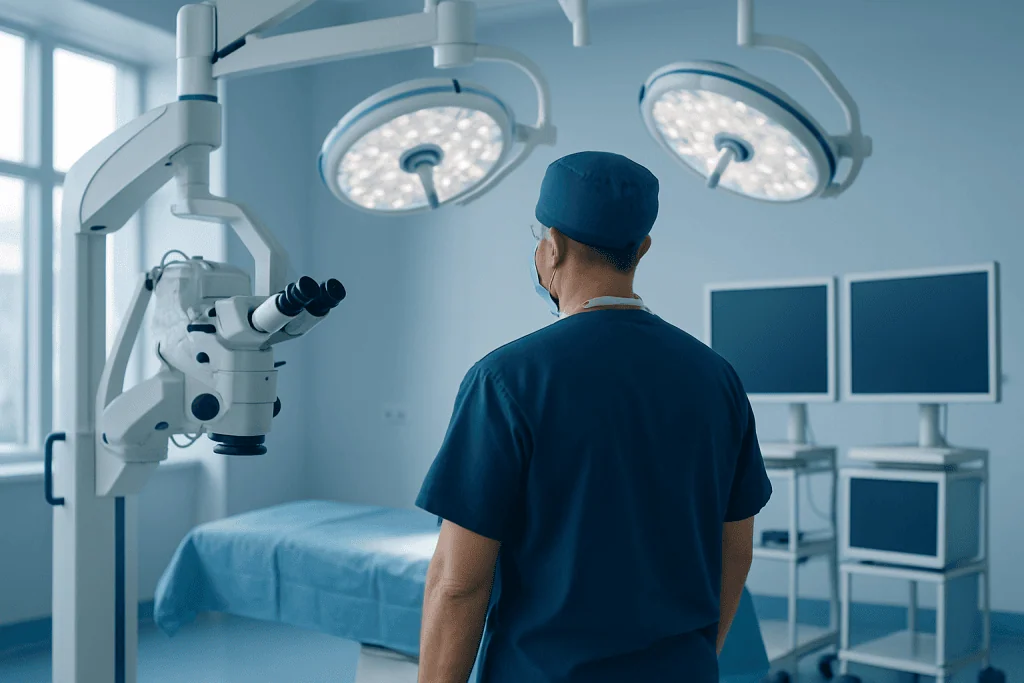
Brain injury rehabilitation is a coordinated program of physical, occupational, speech, and psychological therapies that helps people regain function and independence after a traumatic or acquired brain injury. It usually begins once the person is medically stable, is delivered by a specialist team in an inpatient unit and then outpatient settings, and may continue for many months.
What is brain injury rehabilitation?
Brain injury rehabilitation is a structured program of therapies designed to help a person regain function, independence, and quality of life after the brain has been damaged. It is not a single procedure or medicine. Instead, it is a coordinated plan delivered by a team of specialists, usually over weeks or months, that addresses physical, cognitive (thinking and memory), emotional, and communication problems caused by the injury.
The most common reason for referral is a traumatic brain injury, often shortened to TBI. A traumatic brain injury is damage caused by an external force, such as a fall, a road traffic collision, a sports injury, or an assault. Traumatic brain injury rehabilitation, sometimes called TBI rehabilitation, is tailored to the pattern of problems that follow that particular injury.
Rehabilitation is also used after non-traumatic brain injuries, sometimes grouped under the term acquired brain injury. These include:
- Stroke, when blood flow to part of the brain is blocked or a vessel bleeds.
- Lack of oxygen to the brain (hypoxic or anoxic injury), for example after cardiac arrest or near-drowning.
- Brain infections such as encephalitis (inflammation of the brain) or meningitis (inflammation of the membranes around the brain).
- Brain tumors and the effects of their treatment.
- Some poisonings and severe metabolic disturbances.
Care is typically delivered in a dedicated brain injury rehabilitation centre or hospital unit, and later in outpatient clinics or at home. In many hospital groups this care is coordinated through the Physical Medicine & Rehabilitation department, which is the case at Acibadem.
Who is a candidate
Most people who have had a moderate or severe brain injury, and many with a milder injury whose symptoms persist, may be considered for brain injury rehabilitation. Your doctor may recommend it if you have difficulties with:
- Movement, balance, coordination, or weakness on one side of the body.
- Memory, attention, problem-solving, planning, or processing information.
- Speaking, understanding language, reading, or writing.
- Swallowing (dysphagia), which can raise the risk of choking or chest infections.
- Mood, behavior, or personality, including irritability, low mood, or anxiety.
- Everyday tasks such as dressing, cooking, managing money, or returning to work or school.
- Fatigue, sleep problems, headaches, dizziness, or changes in vision.
Rehabilitation is generally started as soon as a person is medically stable, meaning that life-threatening problems have been controlled and the brain is no longer under acute threat. In practice, gentle rehabilitation often begins in the intensive care unit or on the neurosurgical ward and then intensifies as the person improves.
There are situations in which formal rehabilitation is delayed or adapted rather than started right away:
- When the person is medically unstable, for example with uncontrolled pressure inside the skull, ongoing bleeding, or severe infection.
- When the person is in a coma or a prolonged disorder of consciousness. In these cases a specialized program focused on positioning, preventing complications, and monitoring responses is used instead of active task-based therapy.
- When other injuries, such as unstable fractures, prevent safe movement until they have been treated.
- When the person cannot yet tolerate therapy because of severe agitation or pain; the team may first address these problems.
Suitability is decided by the treating team, who weigh the person’s medical condition, likely ability to participate, and personal goals. Age alone is not a reason to withhold rehabilitation.
How the procedure works
Because brain injury rehabilitation is a program rather than a single event, it helps to think of it in three stages.
Before: assessment and goal setting
A rehabilitation physician, sometimes called a physiatrist, leads a detailed assessment. This usually includes a review of the injury and brain imaging, a physical and neurological examination, and standardized tests of movement, thinking, speech, and swallowing. The team then meets with the patient and family to agree on realistic goals. Goals are often practical, such as walking safely to the bathroom, remembering appointments, or returning to part-time work.
During: the therapy program
Therapy is delivered by several professionals who work together and share notes. The mix depends on the person’s needs:
- Physical therapy works on strength, balance, walking, and preventing stiffness in the joints.
- Occupational therapy focuses on daily living skills, hand function, and adapting the home or workplace.
- Speech and language therapy addresses speaking, understanding, reading, writing, and swallowing safety.
- Neuropsychology assesses thinking and behavior and provides strategies for memory, attention, and emotional adjustment.
- Nursing supports medication, skin care, bladder and bowel management, and carries therapy into everyday routines on the ward.
- Social work and case management help with discharge planning, benefits, and community services.
In an inpatient brain injury rehabilitation centre, patients typically take part in several hours of therapy each weekday, broken into sessions with rest periods. Sessions are adjusted to the person’s fatigue and tolerance. Medications may be used alongside therapy to manage spasticity (muscle tightness), pain, seizures, sleep problems, or mood.
After: transition and continuing care
As the person becomes more independent, care moves to a day program, outpatient clinic, or home-based therapy. Community rehabilitation may continue for many months. The team also trains family members and caregivers, since much of brain injury recovery happens through practice in daily life rather than only in the therapy room.
Preparation for brain injury rehabilitation
Much of the preparation is done by the hospital team, but patients and families can help the process go smoothly.
- Gather medical information. Bring or arrange transfer of imaging reports, operation notes, discharge summaries, and a current medication list.
- Describe the person before the injury. Information about work, hobbies, education, and daily routines helps the team set meaningful goals and notice changes.
- Identify a main contact person. Families are usually asked to choose one or two people who will attend planning meetings and receive updates.
- Bring comfortable clothing and footwear. Loose clothes and supportive shoes make therapy safer and easier.
- Bring familiar items. Photographs, glasses, hearing aids, and favorite music can support orientation and comfort.
- Ask about visiting and rest times. People with brain injury often tire quickly; many centres limit visitors during therapy hours.
- Discuss legal and financial matters early. If the person cannot make decisions, ask the team about who is legally able to consent to care in your country.
If you are entering an outpatient program after time at home, your doctor may ask you to keep a short diary of symptoms such as headaches, sleep, and fatigue in the week before your first visit.
Recovery and aftercare
Brain injury recovery follows a different path for every person, and doctors are usually cautious about giving exact timelines. Some general patterns are widely recognized.
- The fastest changes often happen in the first weeks and months after injury, as swelling settles and the brain begins to reorganize.
- Improvement typically continues, more slowly, for a year or more. Some people report gains for several years, particularly in thinking skills and emotional adjustment.
- Many patients with mild injury recover most of their function within weeks to a few months, although a proportion have longer-lasting symptoms.
- People with severe injury may need long-term support, and some changes may be permanent.
Fatigue is one of the most common and persistent problems. It is often described as different from ordinary tiredness and can worsen thinking and mood. Pacing activities, planned rest breaks, and good sleep habits are standard parts of aftercare.
Aftercare typically includes:
- Regular follow-up with the rehabilitation physician and, when needed, a neurologist or neurosurgeon.
- A home exercise and activity program provided by the therapists.
- Gradual, planned return to driving, work, school, and sport, usually only after the team has assessed safety. Driving in particular is often restricted for a period after brain injury and may require formal assessment depending on local law.
- Ongoing review of medications, especially those for seizures, spasticity, and mood.
- Support for family members and caregivers, whose own health can be affected.
Risks and side effects
Rehabilitation therapies are generally considered low risk, but they are not free of problems, and the underlying injury itself carries risks that the team monitors during the program.
- Fatigue and temporary worsening of symptoms. Therapy can be tiring, and headaches, dizziness, or irritability may increase after a demanding day. Programs are adjusted to avoid overloading the person.
- Falls. Practicing balance and walking carries a risk of falling. Therapists use supports, harnesses, and close supervision to reduce this risk.
- Muscle and joint soreness. Stretching stiff limbs can be uncomfortable in the short term.
- Emotional distress. Becoming aware of one’s limitations can lead to frustration, sadness, or anxiety. Psychological support is part of most programs for this reason.
- Medication side effects. Drugs used for spasticity, sleep, seizures, or mood can cause drowsiness, dizziness, or other effects that the doctor will review.
- Complications of the injury. During rehabilitation the team also watches for seizures, blood clots in the legs, pressure sores, chest infections related to swallowing problems, and a rare condition called hydrocephalus in which fluid builds up in the brain.
Some newer approaches, such as certain electrical stimulation techniques or intensive robotic therapies, are still being studied. Your doctor should explain which parts of a program are standard care and which are considered experimental.
Results and outlook
The evidence generally shows that organized, specialist rehabilitation after brain injury improves independence in everyday activities and reduces long-term disability compared with no structured rehabilitation. Starting rehabilitation early, once the person is medically stable, and delivering it with enough intensity are widely considered important.
Outcomes depend on many factors, including the severity and location of the injury, the person’s age and health before the injury, the presence of other injuries, and access to continued therapy and support. Because of this variability, clinicians are usually careful not to predict a specific level of recovery early on.
Some people return to their previous work, studies, and relationships with few lasting problems. Others live with permanent changes in movement, thinking, or behavior and learn to manage these with strategies, equipment, and support. Even when full recovery is not possible, rehabilitation can help a person and their family adapt and maintain the best possible quality of life. It is worth noting that improvement can be uneven, with plateaus and occasional setbacks, and that progress may continue long after formal therapy ends.
Cost considerations
The cost of brain injury rehabilitation varies widely, and it is not possible to give a meaningful figure without knowing the individual situation. Factors that typically drive the total cost include:
- Length and setting of stay. Inpatient care in a specialized unit is generally the most expensive component, and severe injuries may require longer stays.
- Intensity of therapy. The number of professionals involved and the hours of therapy each day affect cost.
- Medical complexity. Ongoing needs such as tube feeding, ventilator weaning, wound care, or frequent imaging add to the cost.
- Devices and equipment. Wheelchairs, walking aids, orthoses (braces), communication devices, and home modifications may be needed.
- Medications, including injections used to treat spasticity, and any implanted pumps for muscle relaxants in selected cases.
- Follow-up and community care over months or years, including outpatient therapy and neuropsychology.
- Travel and accommodation for family members if the centre is far from home.
Insurance coverage, national health systems, and compensation schemes for accidents differ widely between countries. It is reasonable to ask the hospital’s patient services team for a written estimate and to clarify what is included before starting a program.
Frequently asked questions
How long does brain injury rehabilitation take?
There is no standard length. Inpatient stays for moderate to severe injuries often last several weeks to a few months, followed by outpatient or community therapy that may continue for a year or longer. People with milder injuries may need only a short course of outpatient therapy. The team reviews progress regularly and adjusts the plan.
When should traumatic brain injury rehabilitation start?
Most specialists recommend beginning as soon as the person is medically stable, which may be within days of the injury. Early rehabilitation focuses on preventing complications such as joint stiffness and pressure sores, and on gently stimulating awareness and movement. More active therapy is added as the person is able to participate.
What happens in a brain injury rehabilitation centre each day?
A typical weekday includes several therapy sessions with physical, occupational, and speech therapists, sometimes with a neuropsychologist, separated by rest periods and meals. Nursing staff continue therapy goals during daily routines. Weekends are usually lighter. Family members are often invited to observe sessions and learn techniques to use at home.
Is TBI rehabilitation only for severe injuries?
No. Although people with severe injuries usually need the most intensive programs, those with mild traumatic brain injury, sometimes called concussion, can also benefit when symptoms such as headaches, dizziness, poor concentration, or fatigue persist beyond the expected period. In these cases rehabilitation is usually delivered as outpatient care.
Can the brain recover after injury, and does rehabilitation help?
The brain has a capacity to reorganize, known as neuroplasticity, which allows undamaged areas to take over some functions. Rehabilitation is designed to guide and strengthen this process through repeated, meaningful practice. Recovery is rarely complete after severe injury, but structured therapy is generally associated with better function than recovery without it.
What can family members do to support brain injury recovery?
Families play an important part. Learning from the therapy team, encouraging practice of skills at home, keeping routines predictable, and allowing for rest all help. It is also important for caregivers to look after their own health and to ask for support, since caring for someone with a brain injury can be demanding over a long period.
Will I be able to drive or work again after brain injury rehabilitation?
Many people do return to driving and work, but the timing depends on the type and severity of the injury, whether seizures have occurred, and the results of formal assessments. Laws about driving after brain injury vary by country. Your rehabilitation doctor can advise on when an assessment is appropriate and how to plan a gradual return to work.
When to see a doctor
Anyone who has had a significant head injury, a stroke, or another event that affected the brain should be assessed by a medical team. You should ask for a referral to a rehabilitation specialist if, after the initial treatment, you or a family member notice:
- Difficulty with walking, balance, or using an arm or hand.
- Problems with memory, concentration, or organizing everyday tasks.
- Changes in speech, understanding, or swallowing.
- Persistent headaches, dizziness, fatigue, or sleep disturbance after a concussion that do not settle over the expected period.
- Noticeable changes in mood, behavior, or personality.
- Difficulty returning to work, school, driving, or social activities.
During or after rehabilitation, certain symptoms need urgent medical attention because they may indicate a new or worsening problem in the brain or another serious complication. Seek emergency care if any of the following occur:
- A seizure, especially a first seizure or one that lasts longer than usual.
- Sudden severe headache, repeated vomiting, or a rapid decline in alertness or responsiveness.
- New or worsening weakness, numbness, facial drooping, or trouble speaking.
- Sudden confusion or unusual drowsiness that is different from the person’s usual state.
- Fever with stiff neck, or signs of infection around a surgical wound or shunt.
- Swelling, pain, or redness in a leg, or sudden shortness of breath or chest pain, which can be signs of a blood clot.
- Choking episodes, coughing during meals, or repeated chest infections, which may indicate unsafe swallowing.
- Thoughts of self-harm or a marked deterioration in mood.
If you are unsure whether a symptom is serious, it is safer to contact the treating team or emergency services than to wait.
Preparation
- Gather imaging reports, discharge summaries, and a current medication list for the rehabilitation team. Share information about the person's work, routines, and interests before the injury so goals can be realistic and meaningful. Bring comfortable clothing, supportive shoes, glasses or hearing aids, and familiar items. Agree on one or two family contacts who will attend planning meetings.
Aftercare
- Follow the home exercise and activity program provided by the therapists and pace activities to manage fatigue. Attend follow-up appointments with the rehabilitation physician and take medications as prescribed, reporting side effects. Do not return to driving, work, or sport until the team has assessed safety. Seek urgent care for seizures, sudden weakness, severe headache, or new confusion.
Medically reviewed by the Acıbadem International Medical Board — September 8, 2026
See our medical review board →
Update history
- PublishedSeptember 8, 2026
- Medical review approvedSeptember 8, 2026
- Last content updateSeptember 8, 2026
References3
Doctors Performing This Treatment

Prof. Dr. Cihan Aksoy
Physical Medicine & Rehabilitation
Prof. Dr. İlker Yağcı
Physical Medicine & Rehabilitation
Prof. Dr. Ayhan Aşkın
Physical Medicine & Rehabilitation
Prof. Dr. Halil Koyuncu
Physical Medicine & Rehabilitation
Prof. Dr. Tuba Ümit Gafuroğlu
Physical Medicine & Rehabilitation
Prof. Dr. Ece Aydoğ
Physical Medicine & Rehabilitation
Assoc. Prof. Dr. Gökşen Gökşenoğlu
Physical Medicine & Rehabilitation
Dr. Mukhtar Shahgaldıyev
Physical Medicine & Rehabilitation
Dr. Aynur Göksel
Physical Medicine & RehabilitationDr. Serap Kapcı
Physical Medicine & Rehabilitation
Dr. R.Şirin Atlığ
Physical Medicine & Rehabilitation
Dr. Nesrin Yılmaz Baıramov
Physical Medicine & Rehabilitation
Dr. Tuba Hazal Taş
Physical Medicine & Rehabilitation
Fzt. Perihan Yıldız
Physical Medicine & Rehabilitation
Fzt. Kenan Kesgin
Physical Medicine & Rehabilitation
Fzt. Serkan Başkurt
Physical Medicine & Rehabilitation
Fzt. Mert Vural
Physical Medicine & Rehabilitation
Fzt. Erdem Terzi
Physical Medicine & Rehabilitation
Fzt. Gizem Aydın
Physical Medicine & Rehabilitation
Fzt. Necla Aleyna Yiğit
Physical Medicine & Rehabilitation
Fzt. Eda Özgür
Physical Medicine & Rehabilitation
Fzt. Busenur Sezer
Physical Medicine & Rehabilitation
Fzt. Elif Tokgöz Nizam
Physical Medicine & Rehabilitation
Fzt. Beyza Nur Gündüz
Physical Medicine & RehabilitationMedical Units
Available at These Hospitals