Pulmonary Rehabilitation
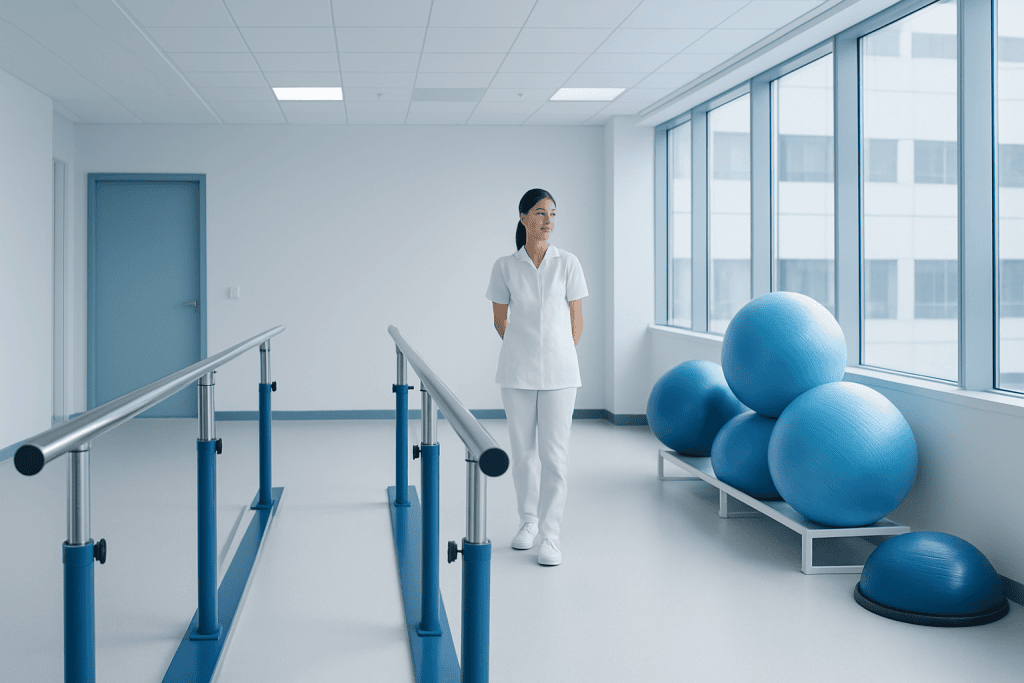
Pulmonary rehabilitation is a structured, team-delivered program for people whose chronic lung disease limits everyday activity. It is most often used for COPD but also for interstitial lung disease, bronchiectasis, and before…
Quick answer
Pulmonary rehabilitation is a supervised outpatient program of exercise training, breathing techniques, education, and support for people with chronic lung disease, most often COPD. It usually runs six to twelve weeks with two or three sessions weekly. It does not cure lung disease but often reduces breathlessness and improves exercise capacity and quality of life.
What is pulmonary rehabilitation?
Pulmonary rehabilitation is a structured, supervised program that combines exercise training, education, and support for people living with long-term lung disease. The word “pulmonary” simply means “relating to the lungs.” The program does not cure lung disease and does not replace medicines, inhalers, or oxygen. Instead, it aims to help you breathe more comfortably, move more easily, and manage day-to-day life with a chronic lung condition.
A pulmonary rehabilitation program is usually delivered by a team that may include a lung specialist (pulmonologist), respiratory therapists, physical therapists, nurses, dietitians, and sometimes psychologists or social workers. Sessions typically take place in an outpatient hospital department or rehabilitation center, and some programs offer home-based or remotely supervised options.
The condition most often treated is chronic obstructive pulmonary disease (COPD), which is why the phrase lung rehabilitation COPD is so commonly searched. COPD is an umbrella term for emphysema and chronic bronchitis, conditions in which airflow out of the lungs is persistently limited. Pulmonary rehabilitation is also used for other conditions, including:
- Interstitial lung disease, including pulmonary fibrosis (scarring of lung tissue)
- Bronchiectasis (permanently widened, mucus-prone airways)
- Cystic fibrosis
- Pulmonary hypertension (high blood pressure in the lung arteries), in selected cases
- Long-standing asthma that limits activity despite treatment
- Lung cancer, before or after surgery, when the care team considers it appropriate
- Preparation for, and recovery after, lung surgery or lung transplantation
- Lingering breathlessness after severe respiratory infections, including some cases of long COVID
Who is a candidate
In general, a person may be considered for pulmonary rehabilitation when a chronic lung condition causes shortness of breath that limits everyday activities, even though medicines are being taken correctly. Common reasons a doctor may refer someone include:
- Breathlessness when walking, climbing stairs, or doing household tasks
- Reduced fitness or muscle weakness because activity has become uncomfortable
- Recent hospital admission for a flare-up (exacerbation) of COPD or another lung disease
- Difficulty coping with the emotional impact of a lung condition, such as anxiety or low mood
- An upcoming lung operation, where improving fitness beforehand may help recovery
COPD rehabilitation is not restricted to people with mild disease. Many programs accept people who need supplemental oxygen or who have advanced disease, provided they are stable and can take part safely with adjustments.
Pulmonary rehabilitation is generally not suitable, or is postponed, in the following situations:
- An unstable heart condition, such as a recent heart attack or uncontrolled heart rhythm problem, until it is treated
- A current lung infection or flare-up that has not yet settled
- Severe joint, bone, or neurological problems that make exercise unsafe or impossible, unless the program can be adapted
- Serious memory or cognitive impairment that prevents following instructions safely
- Inability or unwillingness to attend regularly, since benefit depends on consistent participation
Smoking is not usually an absolute barrier, but most programs strongly encourage stopping and offer support to do so, because continued smoking limits what rehabilitation can achieve.
How the procedure works
Although it is often called a “procedure,” pulmonary rehabilitation is a course of therapy rather than a single treatment. It usually unfolds in three stages.
Before the program: assessment
You will first have an initial assessment. The team reviews your medical history, current medicines, and recent lung function tests (spirometry, which measures how much air you can blow out and how fast). They typically measure your oxygen level with a small finger clip (pulse oximeter), check blood pressure and heart rate, and ask about your symptoms and daily limitations.
Most programs include a walking test, such as a six-minute walk test, in which you walk at your own pace for six minutes while the team records distance, oxygen level, and breathlessness. You may also complete questionnaires about quality of life, mood, and how breathless you feel with different activities. These baseline results allow the team to set a safe starting level and to measure change later.
During the program: exercise, education, and support
A typical pulmonary rehabilitation program runs for about six to twelve weeks, with two or three supervised sessions per week. Each session often lasts one to two hours and includes the following elements.
- Pulmonary rehab exercises for endurance: walking on a treadmill or track, or pedaling a stationary bicycle, at an intensity chosen for you. The aim is to gradually build the length and effort of activity you can tolerate.
- Strength training: light weights, resistance bands, or body-weight exercises for the legs, arms, and trunk. Stronger muscles need less oxygen for the same task, which can reduce breathlessness.
- Breathing techniques: methods such as pursed-lip breathing (breathing in through the nose and out slowly through partly closed lips) and diaphragmatic breathing (using the large muscle under the lungs) to help control breathlessness and slow the breathing rate.
- Airway clearance: for people with excess mucus, techniques to help cough it up more effectively.
- Education: sessions on how the lungs work, how to use inhalers correctly, how to recognize and act on early signs of a flare-up, nutrition, energy conservation, sleep, and travel with a lung condition.
- Psychological and social support: discussion of anxiety, panic related to breathlessness, low mood, and practical issues, sometimes in a group setting.
Throughout, staff monitor your oxygen level, heart rate, and symptoms. If you use oxygen, it is usually continued during exercise, and the flow rate may be adjusted under supervision.
After the program: reassessment and maintenance
At the end of the course, the walking test and questionnaires are repeated to compare with your baseline. The team then gives you a personalized home exercise plan and advice on maintaining activity. Some centers offer maintenance classes or community groups; others arrange a follow-up review with your lung specialist.
In many hospital groups, this service is coordinated between the respiratory (chest) medicine team and the department of Physical Medicine & Rehabilitation, which supervises the exercise components. At Acibadem, referral usually comes from a pulmonologist after assessment.
Preparation for pulmonary rehabilitation
Preparing well helps you get the most from the program and keeps sessions safe.
- Bring your medicines and inhalers to the first visit, including a list of doses, so the team can review your treatment and inhaler technique.
- Take your usual medicines on session days unless told otherwise. Your doctor may advise using a quick-relief inhaler shortly before exercise.
- Wear comfortable clothing and supportive shoes suitable for walking and light exercise.
- Eat a light meal one to two hours before a session rather than exercising on a very full or empty stomach, and bring water.
- Arrange your oxygen supply if you use portable oxygen, and check that you have enough for travel and the session.
- Plan transport for regular attendance, since missing sessions reduces benefit.
- Tell the team about other health problems, such as heart disease, diabetes, joint pain, or recent falls, so exercises can be adapted.
- Consider stopping smoking and ask about support; many programs include this as part of the education component.
You do not need to fast, and no anesthesia or sedation is involved. If you develop a cold, fever, or worsening breathlessness before a session, let the team know, as they may ask you to rest until you have recovered.
Recovery and aftercare after pulmonary rehabilitation
Because pulmonary rehabilitation is exercise-based rather than surgical, “recovery” refers mainly to how your body adapts over the weeks of the program and how you maintain gains afterward.
During the first one to two weeks, many patients notice muscle soreness and tiredness after sessions. This is expected and typically eases as fitness improves. Some people feel more breathless during exercise than they do at rest; the team teaches you to distinguish this normal exertional breathlessness from warning symptoms.
Improvements in walking distance and confidence often become noticeable after about three to four weeks, and continue to build through the end of the program. Not everyone improves at the same pace, and progress can be interrupted by flare-ups, other illnesses, or missed sessions.
After the program ends, the benefits tend to fade over the following months if regular activity stops. Aftercare therefore focuses on maintenance:
- Following the home exercise plan, often aiming for activity on most days of the week
- Continuing breathing techniques during daily tasks
- Attending maintenance classes, community exercise groups, or follow-up reviews where available
- Using the written action plan for flare-ups, and keeping regular contact with your lung specialist or family doctor
- Keeping up with vaccinations recommended by your doctor, such as influenza and pneumococcal vaccines
Some people repeat a full program later, for example after a hospital admission, if their doctor feels it would help.
Risks and side effects
Pulmonary rehabilitation is widely regarded as a low-risk treatment when it is delivered under proper supervision and after a medical assessment. Most side effects are minor and short-lived:
- Muscle aches, stiffness, and fatigue, especially early in the program
- Temporary increase in breathlessness or coughing during exercise
- Minor strains or joint discomfort, particularly in people with arthritis
- Feeling anxious during exercise, which usually improves as confidence grows
Less common but more serious risks are the reason exercise is monitored. A drop in blood oxygen during exertion may occur in some people, which is why oxygen levels are checked and supplemental oxygen used when needed. People with underlying heart disease face a small risk of chest pain, abnormal heart rhythms, or, very rarely, a cardiac event during exertion; screening before the program is designed to identify and manage this risk. Dizziness or falls can occur, particularly in older participants or those with balance problems.
The team will explain which symptoms mean you should stop exercising and tell staff immediately, including chest pain, severe or unusual breathlessness, light-headedness, or palpitations.
Results and outlook
Pulmonary rehabilitation is one of the most thoroughly studied non-drug treatments for COPD and is recommended in international clinical guidelines. The evidence generally shows that, for people with COPD who complete a program, it tends to reduce breathlessness, improve exercise capacity, improve health-related quality of life, and reduce feelings of anxiety and depression connected to the illness. When started soon after a hospital admission for a flare-up, it may also reduce the likelihood of readmission.
It is important to understand what pulmonary rehabilitation does not do. It does not reverse lung damage, and lung function tests such as spirometry usually do not change much. The improvements come mainly from stronger muscles, better breathing control, greater confidence, and better self-management. The evidence for conditions other than COPD, such as interstitial lung disease and bronchiectasis, is smaller but generally points in the same direction of improved symptoms and exercise capacity.
Results vary considerably between individuals. People who attend regularly, engage with the education sessions, and continue exercising afterward tend to keep more of their gains. Those who stop activity often find that benefits decline within six to twelve months, which is why maintenance is emphasized.
Cost considerations
The cost of a pulmonary rehabilitation program is influenced by several factors rather than a single fee. These typically include:
- Program length and intensity: the number of weeks and sessions per week, and whether sessions are individual or group-based
- Staffing: the mix of specialists involved, such as respiratory therapists, physical therapists, dietitians, and psychologists
- Initial and final testing: lung function tests, walking tests, and any additional heart or blood tests requested for safety
- Equipment and oxygen: use of monitored exercise equipment and supplemental oxygen during sessions
- Setting: hospital outpatient department, community center, or home-based program with remote monitoring
- Follow-up and maintenance: additional specialist reviews or ongoing maintenance classes
Pulmonary rehabilitation is an outpatient service, so it does not usually involve a hospital stay or implanted devices. Coverage by health insurance or national health systems varies widely, and it is sensible to ask the program coordinator and your insurer what is included before starting.
Frequently asked questions
Is pulmonary rehabilitation only for COPD?
No. Although lung rehabilitation for COPD is the most common and best-studied use, programs are also offered for interstitial lung disease, bronchiectasis, cystic fibrosis, pulmonary hypertension, and for people preparing for or recovering from lung surgery. Whether it is appropriate for a particular condition depends on an individual medical assessment.
How long does a pulmonary rehabilitation program last?
Most programs run for about six to twelve weeks, with two or three supervised sessions each week, and each session commonly lasts one to two hours. Some centers offer shorter or longer courses, and home-based programs may follow a different schedule. Your team will explain the format offered locally.
What pulmonary rehab exercises will I do?
Sessions usually combine endurance exercise, such as walking or stationary cycling, with strength training using light weights or resistance bands, plus breathing techniques and stretching. The intensity is set individually based on your assessment, and it is increased gradually as your tolerance improves. Exercises are adapted for people who use oxygen or have joint problems.
Can I do pulmonary rehabilitation at home?
Some programs offer home-based or remotely supervised options, often with an initial in-person assessment, written or video exercise plans, and regular telephone or video check-ins. Home-based programs can be helpful for people who cannot travel, but they require a safe home environment and the ability to monitor your own symptoms. Your doctor can advise which format is suitable for you.
Does COPD rehabilitation improve lung function?
Lung function measured by breathing tests usually changes little, because rehabilitation does not repair damaged lung tissue. The improvements people experience come mainly from stronger muscles, better breathing control, greater confidence, and improved self-management, which together can reduce breathlessness and increase what you are able to do.
Is pulmonary rehabilitation safe if I use oxygen?
In many cases, yes. People who use supplemental oxygen are commonly included in programs, with oxygen continued during exercise and levels monitored by staff. The flow rate may be adjusted under supervision. Safety depends on a proper assessment beforehand, so your team will review your oxygen needs before you start.
What happens after the program finishes?
You are typically given a personalized home exercise plan and advice on staying active. Some centers offer maintenance classes or community exercise groups. Because the benefits tend to fade if activity stops, continuing regular exercise is considered the most important step after completing a pulmonary rehabilitation program.
When to see a doctor
Consider asking a lung specialist about pulmonary rehabilitation if you have a diagnosed chronic lung condition and notice any of the following:
- Breathlessness that limits walking, climbing stairs, or daily tasks despite using your medicines correctly
- Avoiding activity because you fear becoming breathless, leading to reduced fitness
- A recent hospital admission for a flare-up of COPD or another lung disease
- Increasing anxiety or low mood related to your breathing
- An upcoming lung operation where improving fitness beforehand has been suggested
During or after a pulmonary rehabilitation program, some symptoms need prompt medical assessment rather than waiting for your next session. Seek urgent medical help if you experience:
- Chest pain, pressure, or tightness that does not settle with rest
- Severe or rapidly worsening breathlessness that does not improve with your usual inhalers or rest
- Blue or gray lips or fingertips, or a much lower oxygen reading than usual if you monitor at home
- Fainting, severe dizziness, or a very fast or irregular heartbeat
- Coughing up blood
- Fever, increased or discolored mucus, or other signs of a chest infection, especially if you are becoming more breathless
- New swelling of the legs or sudden weight gain, which can signal heart or fluid problems
Less urgent but still important reasons to contact your care team include persistent muscle or joint pain that prevents exercise, symptoms that are steadily getting worse rather than better over the program, or uncertainty about how to adjust your exercise plan during an illness. Your doctor can decide whether the program should be paused, adapted, or continued.
Preparation
- Bring a list of your medicines and your inhalers to the first assessment so the team can review your treatment and technique. Wear comfortable clothing and supportive shoes, eat a light meal one to two hours beforehand, and bring water. If you use portable oxygen, make sure you have enough for travel and the session. Tell the team about heart disease, joint problems, or recent falls so exercises can be adapted.
Aftercare
- Follow the personalized home exercise plan you are given, aiming for activity on most days, and keep using breathing techniques during daily tasks. Attend any maintenance classes or follow-up reviews offered, and use your written action plan if you notice early signs of a flare-up. Expect some muscle soreness early on, but report chest pain, severe breathlessness, dizziness, or palpitations promptly.
Medically reviewed by the Acıbadem International Medical Board — September 8, 2026
See our medical review board →
Update history
- PublishedSeptember 8, 2026
- Medical review approvedSeptember 8, 2026
- Last content updateSeptember 8, 2026
References2
Doctors Performing This Treatment

Prof. Dr. Cihan Aksoy
Physical Medicine & Rehabilitation
Prof. Dr. İlker Yağcı
Physical Medicine & Rehabilitation
Prof. Dr. Ayhan Aşkın
Physical Medicine & Rehabilitation
Prof. Dr. Halil Koyuncu
Physical Medicine & Rehabilitation
Prof. Dr. Emel Özcan
Physical Medicine & Rehabilitation
Prof. Dr. Ece Aydoğ
Physical Medicine & Rehabilitation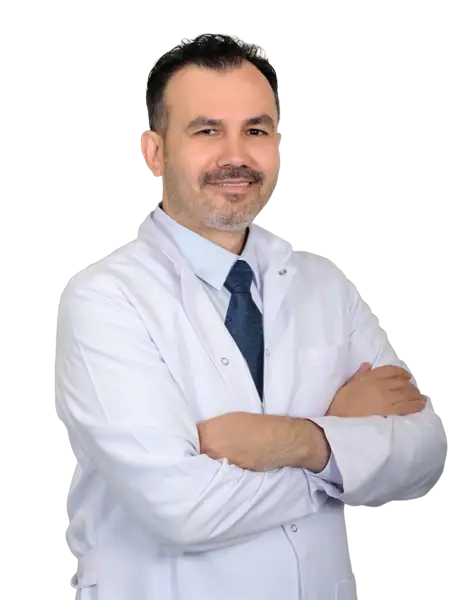
Assoc. Prof. Dr. Gökşen Gökşenoğlu
Physical Medicine & Rehabilitation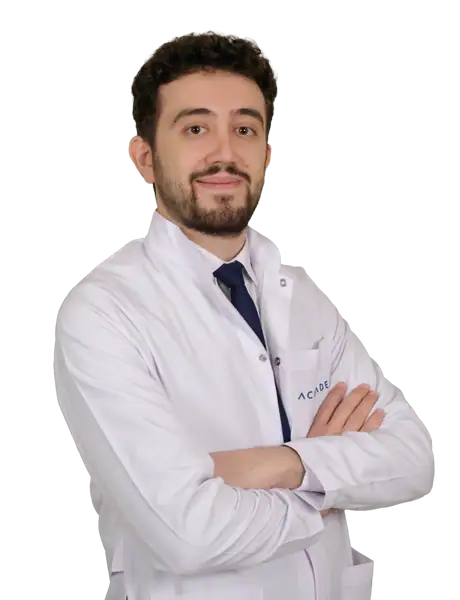
Dr. Mukhtar Shahgaldıyev
Physical Medicine & Rehabilitation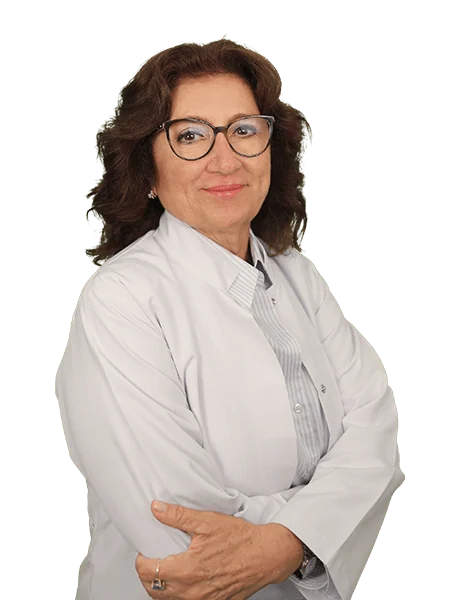
Dr. Aynur Göksel
Physical Medicine & Rehabilitation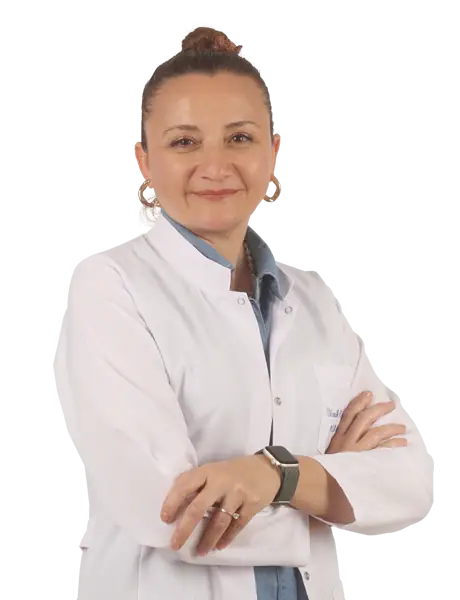
Dr. R.Şirin Atlığ
Physical Medicine & Rehabilitation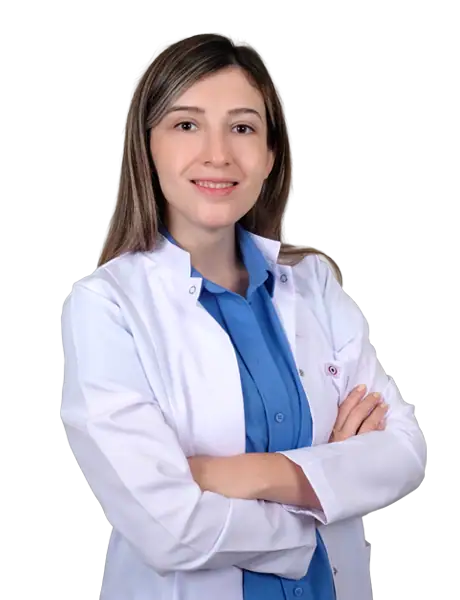
Dr. Nesrin Yılmaz Baıramov
Physical Medicine & Rehabilitation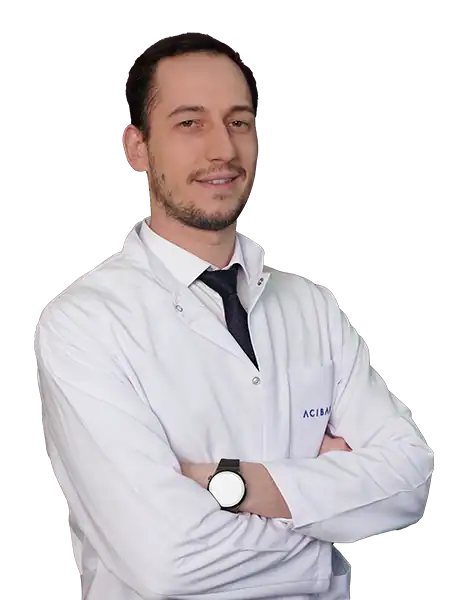
Dr. Ufuk Güngör
Physical Medicine & Rehabilitation
Dr. Sema Çetin
Physical Medicine & Rehabilitation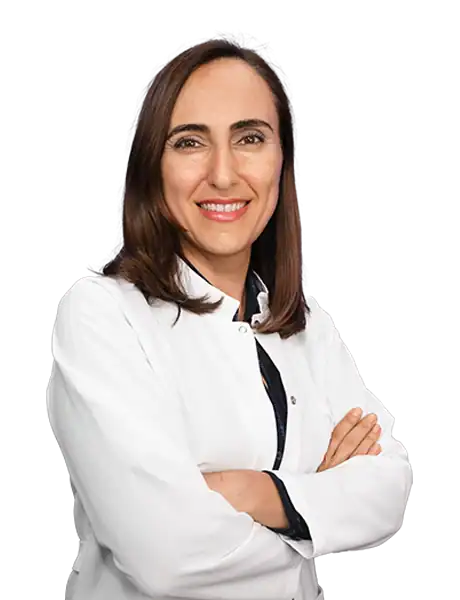
Fzt. Perihan Yıldız
Physical Medicine & Rehabilitation
Fzt. Serkan Başkurt
Physical Medicine & Rehabilitation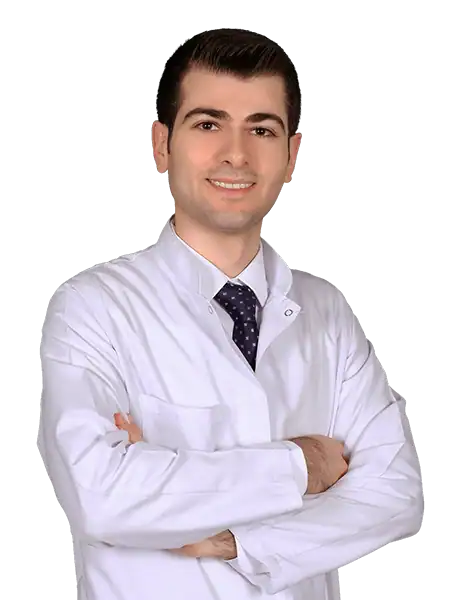
Fzt. Mert Vural
Physical Medicine & Rehabilitation
Fzt. Erdem Terzi
Physical Medicine & Rehabilitation
Fzt. Gizem Aydın
Physical Medicine & Rehabilitation
Fzt. Necla Aleyna Yiğit
Physical Medicine & Rehabilitation
Fzt. Busenur Sezer
Physical Medicine & Rehabilitation
Fzt. Elif Tokgöz Nizam
Physical Medicine & Rehabilitation
Fzt. Yaren Yıldız
Physical Medicine & Rehabilitation
Fzt. Gizem Sevimli
Physical Medicine & Rehabilitation
Fzt. Ece Burçak Özuyguntaş
Physical Medicine & RehabilitationMedical Units
Available at These Hospitals