

Eyelid Surgery: Drooping Lids, Under-Eye Bags, and Blepharoplasty

Blepharoplasty may be performed for cosmetic reasons, functional vision improvement, or both. Upper eyelid surgery usually removes or repositions excess skin, muscle, and sometimes fat that make the lids look heavy.
Key Takeaways
- Blepharoplasty may be performed for cosmetic reasons, functional vision improvement, or both.
- Upper eyelid surgery usually removes or repositions excess skin, muscle, and sometimes fat that make the lids look heavy.
- Lower eyelid surgery can address under-eye bags, puffiness, loose skin, and certain tear-trough concerns.
- A careful eye and facial assessment is important to distinguish true eyelid drooping from eyebrow descent or other medical causes.
- Recovery commonly includes temporary swelling, bruising, dryness, and sensitivity, with final refinement taking several weeks to months.
- Choosing a qualified surgeon and following aftercare instructions helps support safe healing and natural-looking results.
Eyelid surgery, also called blepharoplasty, can improve the appearance of drooping upper lids, puffy under-eye bags, and excess eyelid skin. In some people, it may also improve vision when heavy upper lids block the visual field.
Overview
Eyelid surgery, medically known as blepharoplasty, is a procedure that reshapes the upper eyelids, lower eyelids, or both. It is often chosen to reduce excess skin, puffiness, and under-eye bags that can make the face look tired or older than a person feels. In the upper eyelids, surgery may also be functional when extra skin hangs over the lashes and interferes with vision.
The eyelid area is delicate and has an important role in eye protection, blinking, tear distribution, and facial expression. For this reason, blepharoplasty is not simply a skin-tightening procedure. A well-planned operation considers eyelid anatomy, eyebrow position, eye health, skin quality, facial balance, and the patient’s goals.
Some people seek eyelid surgery after natural aging changes, while others have inherited fullness or heavy lids from a young age. The goal is usually a refreshed, rested appearance rather than a dramatically different look. When surgery is appropriate, the results can be long-lasting, although the normal aging process continues over time.
Drooping Lids, Under-Eye Bags, and Related Concerns
People often use the term “drooping eyelids” to describe different issues. Excess upper eyelid skin is called dermatochalasis and may create folds that rest on the eyelashes. True eyelid drooping, or ptosis, occurs when the eyelid margin itself sits too low because the lifting muscle is weak or stretched. Eyebrow descent can also make the upper lids look heavy, even when the eyelid skin is not the main problem.
Under-eye bags are commonly caused by a combination of fat bulging, skin looseness, fluid retention, and changes in the support structures around the eye. In some patients, a hollow groove under the eye, often called a tear trough, makes puffiness look more pronounced. Dark circles may be related to skin pigmentation, visible blood vessels, shadowing, allergies, or lifestyle factors, and surgery may not fully correct all types.
Common concerns that may be evaluated for eyelid surgery include:
- Heavy upper eyelid folds that affect appearance or vision
- Upper eyelid skin resting on the eyelashes
- Puffy lower lids or under-eye bags
- Loose or crepey lower eyelid skin
- Asymmetry between the eyelids
- A tired or aged expression despite feeling well-rested
Causes and Risk Factors

Aging is the most common reason for eyelid changes. With time, skin loses elasticity, connective tissues become more relaxed, and fat pads around the eye may shift forward. The muscles that support the eyelids and eyebrows may also weaken. These changes can create skin folds, puffiness, and a less defined eyelid contour.
Genetics plays an important role. Some people naturally have fuller upper lids, early under-eye bags, or a family tendency toward drooping lids. Sun exposure, smoking, chronic rubbing of the eyes, allergies, and fluctuations in fluid retention may contribute to skin laxity or puffiness. Sleep patterns, salt intake, and certain medical conditions can also make swelling more noticeable from day to day.
Medical conditions should be considered before assuming that surgery is the answer. Thyroid eye disease, kidney or heart conditions that cause fluid retention, chronic sinus or allergy problems, facial nerve issues, and neuromuscular disorders can affect eyelid appearance. Dry eye disease, glaucoma, previous eye surgery, or contact lens intolerance are also important to discuss during consultation because they may influence surgical planning and aftercare.
Assessment and Diagnosis Before Surgery
A thorough consultation helps determine whether blepharoplasty is suitable and which approach is most appropriate. The surgeon reviews medical history, eye symptoms, medications, allergies, previous eye procedures, and expectations. Patients should mention dry eyes, irritation, excessive tearing, changes in vision, thyroid disease, bleeding problems, and use of blood-thinning medicines or supplements.
The physical examination usually includes assessment of eyelid skin, fat distribution, eyelid position, eyebrow height, facial symmetry, and lower eyelid support. In some cases, the doctor may check tear production, eyelid closure, and the relationship between the eyelid and the surface of the eye. Standardized photographs are commonly taken for planning and medical documentation.
If upper eyelid skin appears to affect vision, visual field testing may be recommended. This test helps measure whether the eyelid is blocking the upper part of sight. When true ptosis, eyebrow drooping, or another eye condition is suspected, evaluation by an ophthalmologist or oculoplastic surgeon may be appropriate. Accurate diagnosis is important because a brow lift, ptosis repair, skin treatment, or non-surgical option may be needed instead of or in addition to blepharoplasty.
Treatment Options and How Blepharoplasty Is Performed
Blepharoplasty can be performed on the upper eyelids, lower eyelids, or both. Upper eyelid surgery typically involves placing an incision within the natural eyelid crease, removing a measured amount of excess skin, and adjusting muscle or fat when needed. The aim is to create a cleaner eyelid fold while preserving enough skin for comfortable eye closure.
Lower eyelid surgery may be performed through an incision just below the eyelashes or from inside the lower eyelid, known as a transconjunctival approach. The surgeon may remove, reposition, or sculpt fat to reduce bags and smooth the transition between the eyelid and cheek. When skin laxity is present, a small amount of skin may be removed or tightened carefully to avoid pulling the lower lid downward.
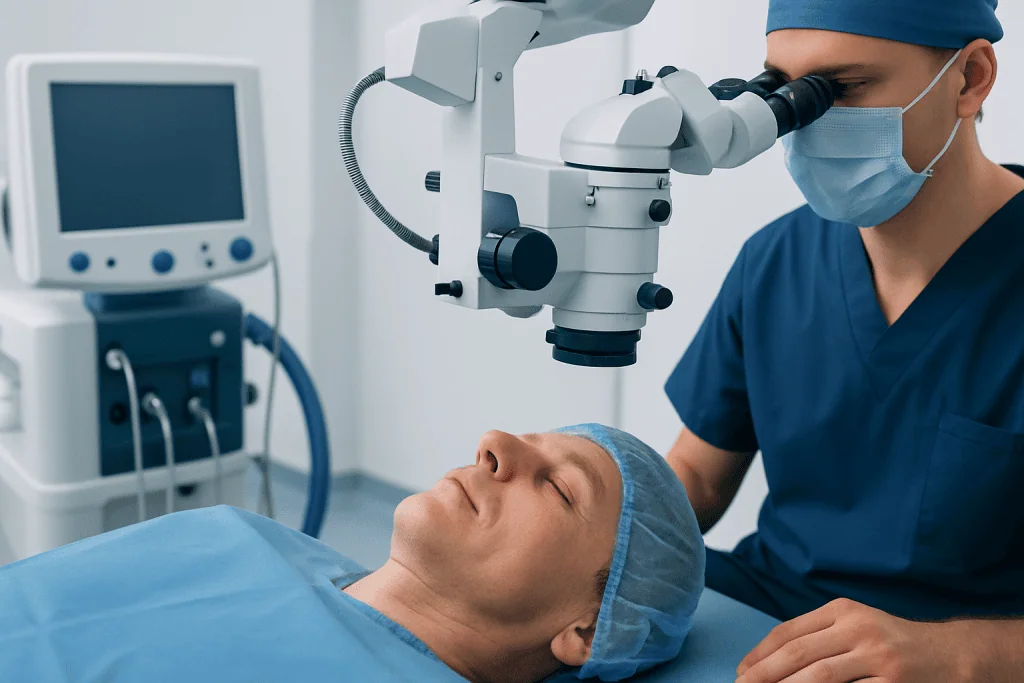
The procedure may be done under local anesthesia with sedation or under general anesthesia, depending on the extent of surgery, patient comfort, and medical factors. It is often an outpatient procedure, meaning the patient goes home the same day with written aftercare instructions. Surgery time varies according to whether upper lids, lower lids, or additional procedures are included.
Non-surgical treatments may help selected concerns but do not replace surgery when there is significant excess skin or fat bulging. Options such as skin resurfacing, injectable fillers, neuromodulators, or medical treatment for allergies and fluid retention may improve texture, hollowness, or muscle-related wrinkles. A qualified clinician can explain which concerns are best treated surgically and which may respond to other methods.
Recovery, Aftercare, and Expected Results
Recovery after eyelid surgery is usually manageable, but it requires patience and careful aftercare. Swelling, bruising, mild tightness, watery eyes, dryness, and temporary light sensitivity are common in the first days. Cold compresses, head elevation, prescribed eye drops or ointments, and avoiding strenuous activity may be recommended by the surgical team.
Most patients can return to light daily activities within a relatively short period, but the timeline varies. Bruising and swelling generally improve gradually, and makeup or social activities are usually discussed at the follow-up visit. Contact lenses, exercise, swimming, and heavy lifting should be resumed only when the doctor says it is safe.
Incision lines are placed in natural creases or discreet locations whenever possible. They typically fade over time, although individual healing and skin type affect the final appearance. The eyelids may look more open and refreshed once swelling settles, but final refinement can take several weeks to a few months.
Good results depend on realistic expectations. Blepharoplasty can improve heavy lids and bags, but it does not stop aging, remove all wrinkles, lift the entire brow, or correct every cause of dark circles. Long-term skin care, sun protection, healthy sleep habits, and not smoking can help maintain the results.
Risks, Safety, and Choosing the Right Specialist
All surgery carries some risks, and eyelid surgery should be planned with attention to both appearance and eye function. Possible short-term effects include swelling, bruising, dryness, irritation, temporary blurred vision, and asymmetry during healing. Less common risks include infection, bleeding, noticeable scarring, difficulty closing the eyes, eyelid position changes, persistent dry eye symptoms, or the need for revision surgery.
Safety starts with an individualized assessment and a surgeon experienced in eyelid anatomy. Patients should ask about the surgeon’s training, the planned technique, anesthesia, recovery instructions, and what to do if concerns arise after surgery. It is also important to disclose all medications, supplements, smoking or nicotine use, and medical conditions because these can affect healing and bleeding risk.
Patients may be advised to avoid certain medicines or supplements before surgery, but changes should only be made with medical guidance, especially for prescribed blood thinners or heart medications. Stopping smoking or nicotine products before and after surgery is often recommended because nicotine can impair wound healing. Clear communication and follow-up visits help the care team identify normal healing changes and address any issues early.
When to See a Doctor
A person should consider a medical consultation if heavy upper lids interfere with reading, driving, computer use, or peripheral vision. Evaluation is also helpful when eyelid drooping appears suddenly, affects one side more than the other, or is associated with double vision, eye pain, new headaches, weakness, or other neurological symptoms. These situations require prompt medical assessment to rule out non-cosmetic causes.
Anyone considering blepharoplasty should see a qualified plastic surgeon, ophthalmologist, or oculoplastic surgeon for a personalized examination. The best plan may involve eyelid surgery, ptosis repair, brow treatment, skin therapy, medical management of dry eyes or allergies, or a combination approach. Patients with chronic eye disease should involve their eye doctor before elective eyelid surgery.
Acibadem International’s multidisciplinary specialists and JCI-accredited hospitals diagnose and treat eyelid and facial aesthetic concerns for international patients, including those who need coordinated eye and plastic surgery evaluation. As with any procedure, patients should seek individualized advice from a qualified doctor before deciding on treatment.
Frequently asked questions
Is eyelid surgery the same as blepharoplasty?
Yes. Blepharoplasty is the medical term for eyelid surgery that removes or repositions excess skin, muscle, and sometimes fat from the upper or lower eyelids. It may be performed for cosmetic improvement, functional vision improvement, or both.
Can blepharoplasty improve vision?
Upper eyelid surgery can improve vision when excess eyelid skin hangs low enough to block the upper visual field. A doctor may recommend visual field testing to document the problem. If the main issue is true eyelid ptosis or eyebrow drooping, a different or additional procedure may be needed.
Does lower eyelid surgery remove dark circles?
Lower eyelid surgery can reduce bags and improve shadowing caused by bulging fat or contour changes. However, dark circles caused by pigmentation, thin skin, visible vessels, allergies, or lifestyle factors may not fully improve with surgery. A personalized assessment helps clarify what result is realistic.
How long does recovery take after eyelid surgery?
Early swelling and bruising usually improve gradually over the first one to two weeks, although individual recovery varies. Many people return to light activities relatively soon, but exercise, contact lenses, and makeup should follow the surgeon’s instructions. Final settling and scar fading can take several weeks to months.
Will the scars be visible?
Incisions for upper eyelid surgery are usually placed within the natural eyelid crease, while lower eyelid incisions may be hidden just below the lashes or inside the eyelid. Scars typically fade with time, but healing varies by skin type, surgical technique, and aftercare. Sun protection and following wound-care instructions can support better scar maturation.
What is the best age for eyelid surgery?
There is no single best age. Some people seek surgery in midlife or later because of aging changes, while others have inherited eyelid fullness or bags at a younger age. Suitability depends more on anatomy, eye health, medical history, and expectations than age alone.
Can under-eye bags come back after surgery?
Blepharoplasty can provide long-lasting improvement, but the face and skin continue to age naturally. Weight changes, fluid retention, allergies, sun exposure, and genetics can influence how the lower eyelids look over time. Healthy habits and appropriate skin care may help maintain the result.
References
- American Academy of Ophthalmology
- American Society of Plastic Surgeons
- British Association of Aesthetic Plastic Surgeons
- American Society of Ophthalmic Plastic and Reconstructive Surgery
- Mayo Clinic
This article is for general information only and is not a substitute for professional medical advice. Please consult a qualified doctor about your individual situation.
Explore treatments in Turkey — costs, top hospitals & a free quote
JCI-accredited · board-certified surgeons · reply within 24h
Add us as a Preferred Source to see more of our trusted health content across Google Search, AI Overviews and Discover.

Related Treatments
Related Conditions
More from the Health Library



Related Specialists

Prof. Dr. Şükrü Yazar
Aesthetic Plastic & Reconstructive Surgery
Assoc. Prof. Dr. Erdem Güven (m)
Aesthetic Plastic & Reconstructive Surgery
Prof. Dr. Hakan Ağır
Aesthetic Plastic & Reconstructive Surgery
Prof. Dr. Bülent Saçak
Aesthetic Plastic & Reconstructive Surgery