

Breast Lift: Sagging Breasts, Mastopexy Techniques, and Scarring

A breast lift improves breast shape and nipple position but does not significantly increase breast size unless combined with implants or fat transfer. The most suitable mastopexy technique depends on the degree of sagging, breast size, skin quality and the patient's goals.
Key Takeaways
- A breast lift improves breast shape and nipple position but does not significantly increase breast size unless combined with implants or fat transfer.
- The most suitable mastopexy technique depends on the degree of sagging, breast size, skin quality and the patient's goals.
- Scars are expected after a breast lift, but they usually fade over time and can often be placed in less visible areas.
- Recovery typically involves temporary swelling, bruising and activity restrictions while the breasts settle into their new shape.
- Choosing a qualified plastic surgeon and following aftercare instructions are important for safety, healing and long-term results.
A breast lift, or mastopexy, is a surgical procedure that reshapes and raises sagging breasts by removing excess skin and repositioning the nipple and areola. Understanding the techniques, scar patterns, recovery process and realistic outcomes can help patients make informed decisions with a qualified plastic surgeon.
Overview: What Is a Breast Lift?
A breast lift, medically called mastopexy, is a cosmetic surgical procedure designed to raise and reshape breasts that have become saggy or stretched over time. During the procedure, excess skin is removed, the breast tissue is reshaped, and the nipple and areola are moved to a more youthful position. The goal is not to create a standard breast shape, but to restore proportions that suit the patient’s body, anatomy and preferences.
Breast sagging, also called breast ptosis, may affect one or both breasts. It can occur after pregnancy, breastfeeding, weight changes, aging, or because of inherited skin and tissue characteristics. Some patients notice that the nipple points downward, sits below the breast crease, or that the upper part of the breast appears flatter than before.
A breast lift differs from breast augmentation. A lift improves position and shape, while augmentation increases volume with an implant or, in selected cases, fat transfer. Some patients choose a lift alone, while others may combine mastopexy with augmentation or breast reduction when volume, heaviness or asymmetry also needs correction.
Why Breasts Sag: Causes and Risk Factors

Breast tissue changes throughout life. The skin, ligaments and glandular tissue can gradually lose elasticity, allowing the breast to sit lower on the chest. This is a normal process and does not mean anything is medically wrong. However, for some people, sagging breasts may affect comfort, clothing choices or self-confidence.
Common factors that contribute to breast ptosis include pregnancy, breastfeeding, natural aging, significant weight gain or loss, larger breast size and genetic skin elasticity. Gravity also plays a role over many years. Smoking, sun exposure and certain lifestyle factors may affect skin quality and healing, although they are not the only causes of sagging.
The degree of sagging is often described by the position of the nipple in relation to the breast fold. Mild sagging may involve a nipple near the fold, while moderate or severe sagging may involve the nipple sitting below the fold or pointing downward. This assessment helps the surgeon choose the safest and most effective technique.
Who May Be a Good Candidate?

A good candidate for a breast lift is generally someone who is physically healthy, has stable body weight, and is bothered by breast sagging, downward-pointing nipples, stretched areolas or loss of breast shape. Patients should also have realistic expectations. A mastopexy can improve contour and position, but it cannot stop normal aging or guarantee permanent breast firmness.
Women considering future pregnancy or major weight loss may be advised to postpone surgery, because these changes can stretch the skin again and affect results. This does not mean a breast lift cannot be performed before pregnancy, but timing should be discussed carefully with a surgeon.
During consultation, the surgeon reviews medical history, current medications, allergies, previous surgeries, smoking status and breast health screening history. A breast examination is performed to assess skin quality, breast volume, nipple position and asymmetry. In some patients, breast imaging may be recommended according to age, symptoms or national screening guidance.
Mastopexy Techniques and Incision Patterns
There is no single breast lift technique that is best for everyone. The choice depends on breast size, degree of sagging, skin excess, areola size, tissue quality and whether implants or reduction are planned. The surgeon selects an incision pattern that allows enough reshaping while keeping scars as limited as safely possible.
Common mastopexy approaches include:
- Crescent lift: A small crescent of skin is removed above the areola. This is used only for very mild lifting and is less common as a standalone procedure.
- Periareolar or donut lift: An incision is made around the edge of the areola. It may help with mild sagging or areola reduction, but it has limits when more lifting is needed.
- Vertical or lollipop lift: Incisions go around the areola and vertically down to the breast fold. This is commonly used for moderate sagging and allows more reshaping.
- Anchor or inverted-T lift: Incisions go around the areola, vertically down, and along the breast crease. This is often used for more significant sagging, larger breasts or when reduction is combined.
In all techniques, the nipple usually remains attached to underlying tissue to preserve blood supply and sensation as much as possible. The areola can also be reduced if it has become stretched. The final breast shape continues to change as swelling decreases and tissues settle during healing.
Breast Lift Scars: What to Expect
Scarring is a normal part of breast lift surgery because skin must be removed and reshaped. The location and length of scars depend on the incision pattern. Scars may be limited to the areola in very mild cases, or may include a vertical line and a scar in the breast crease when a stronger lift is needed.
In the first weeks, scars may look pink, red, firm or slightly raised. Over several months, they usually soften, flatten and fade. Scar appearance varies from person to person and is influenced by genetics, skin tone, incision tension, wound healing, smoking, sun exposure and adherence to aftercare instructions. Some patients naturally form thicker or darker scars, such as hypertrophic scars or keloids.
Surgeons typically place incisions where they can be hidden by natural breast contours and bras or swimwear when possible. Scar care may include keeping incisions clean and protected, avoiding sun exposure, using recommended silicone products after the wounds close, and attending follow-up appointments. Patients should not apply creams, oils or scar treatments to fresh incisions unless their surgical team approves them.
Surgery, Anesthesia and Recovery
A breast lift is usually performed under general anesthesia, although the exact approach depends on the procedure and the patient’s medical needs. Surgery time varies depending on complexity and whether augmentation, reduction or additional procedures are performed. Patients typically receive detailed instructions about fasting, medications, smoking cessation and transportation before surgery.
After surgery, the breasts are usually supported with dressings and a surgical bra. Mild to moderate soreness, swelling, bruising and tightness are expected in the early recovery period. Some patients have temporary changes in nipple or breast sensation. Drainage tubes are not always needed, but if used, the care team explains how they are managed and when they are removed.
Most patients are advised to rest initially, walk gently to support circulation, and avoid heavy lifting, strenuous exercise and sleeping on the stomach until cleared by the surgeon. Many people return to desk-based work after a short recovery period, but this varies. Final results are not immediate; swelling gradually improves, scars mature and the breasts settle over several months.
Risks, Results and Long-Term Self-Care
Like all surgery, mastopexy has potential risks. These may include bleeding, infection, delayed wound healing, visible scarring, asymmetry, changes in nipple or breast sensation, fluid collection, skin or tissue healing problems, and the possible need for revision surgery. A qualified plastic surgeon will explain risks in the context of the patient’s health, anatomy and planned technique.
Breast lift results can be long lasting, but they are not permanent in the sense that aging, gravity, pregnancy and weight changes continue to affect breast shape. Maintaining a stable weight, wearing supportive bras during exercise, protecting scars from sun exposure and avoiding smoking can support healing and help preserve results.
Patients should seek medical advice promptly if they develop increasing pain, fever, spreading redness, unusual swelling, wound opening, drainage with odor, chest pain or shortness of breath. For international patients, Acibadem International’s multidisciplinary specialists and JCI-accredited hospitals provide diagnosis, surgical planning and follow-up pathways for breast lift and related aesthetic breast procedures.
Frequently asked questions
Does a breast lift increase breast size?
A breast lift improves breast position and shape, but it does not significantly increase breast volume. If a patient wants fuller breasts, the surgeon may discuss combining the lift with implants or fat transfer. If the breasts feel too heavy, a breast reduction may be more appropriate.
Will breast lift scars go away completely?
Scars do not disappear completely, but they usually fade and soften over time. Their final appearance depends on the incision pattern, skin type, healing response and aftercare. A surgeon can recommend scar management once the incisions have fully closed.
Can a breast lift correct uneven breasts?
A breast lift can often improve breast asymmetry by adjusting nipple position, reshaping tissue and sometimes removing different amounts of skin or tissue from each side. Perfect symmetry is not realistic because natural breasts are never exactly identical. The goal is improved balance and proportion.
How long do breast lift results last?
Results can last for many years, especially when weight remains stable and the skin has good elasticity. However, aging, gravity, pregnancy and weight changes can gradually affect breast shape again. Some patients may choose revision surgery in the future, but many do not.
Is breastfeeding possible after a breast lift?
Some patients can breastfeed after mastopexy, especially when the nipple remains attached to underlying tissue. However, breastfeeding ability cannot be guaranteed because surgery, previous breast changes and individual anatomy may affect milk production. Patients planning future pregnancy should discuss timing and priorities with their surgeon.
What is the difference between a breast lift and breast reduction?
A breast lift mainly raises and reshapes sagging breasts by removing excess skin. A breast reduction removes breast tissue and skin to reduce size and weight, while also lifting the breast. Many reduction procedures include a lifting component.
References
- American Society of Plastic Surgeons
- The Aesthetic Society
- British Association of Plastic, Reconstructive and Aesthetic Surgeons
- International Society of Aesthetic Plastic Surgery
- Royal College of Surgeons of England
This article is for general information only and is not a substitute for professional medical advice. Please consult a qualified doctor about your individual situation.
Explore treatments in Turkey — costs, top hospitals & a free quote
JCI-accredited · board-certified surgeons · reply within 24h
Add us as a Preferred Source to see more of our trusted health content across Google Search, AI Overviews and Discover.

Plastic, Reconstructive & Aesthetic Surgery
Reconstructive and aesthetic procedures for the face and body, performed by experienced surgeons.
35 specialists in this unitRelated Treatments
Related Conditions
More from the Health Library



Related Specialists

Prof. Dr. Şükrü Yazar
Aesthetic Plastic & Reconstructive Surgery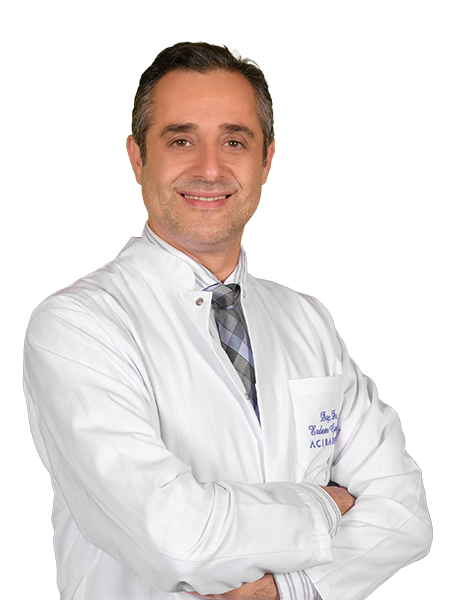
Assoc. Prof. Dr. Erdem Güven (m)
Aesthetic Plastic & Reconstructive Surgery
Prof. Dr. Hakan Ağır
Aesthetic Plastic & Reconstructive Surgery
Prof. Dr. Bülent Saçak
Aesthetic Plastic & Reconstructive Surgery