Botox for Chronic Migraine: Candidates, Treatment Schedule, and Results

Botox is used for chronic migraine, not occasional migraine, and is generally considered when headaches occur on 15 or more days per month. Treatment involves small injections into specific head and neck muscle areas, typically repeated about every 12 weeks.
Key Takeaways
- Botox is used for chronic migraine, not occasional migraine, and is generally considered when headaches occur on 15 or more days per month.
- Treatment involves small injections into specific head and neck muscle areas, typically repeated about every 12 weeks.
- Benefits are gradual; many patients and doctors judge response after two or three treatment cycles using a headache diary.
- Possible side effects are usually temporary and may include neck discomfort, injection-site pain, or eyelid heaviness.
- A neurologist can confirm the diagnosis, review other causes of headache, and decide whether Botox fits the patient’s overall migraine plan.
Botox for chronic migraine is a preventive treatment that may reduce headache frequency and severity in carefully selected adults. It is given on a regular schedule by a trained clinician and is usually assessed over several treatment cycles.
Overview
Botox for chronic migraine refers to treatment with onabotulinumtoxinA, a purified form of botulinum toxin type A used in very small, controlled amounts for medical purposes. In migraine care, it is not used to “relax the face” for cosmetic reasons; it is used as a preventive therapy to reduce how often migraine attacks occur and how disabling they become.
Chronic migraine is usually defined as headache on 15 or more days per month for more than three months, with migraine features on at least some of those days. This can include throbbing pain, nausea, sensitivity to light or sound, and worsening with routine activity. Because frequent headache can also be linked to medication overuse, sleep problems, neck disorders, or other medical conditions, an accurate diagnosis is important before treatment begins.
Botox is one option within a broader chronic migraine treatment plan. It may be considered when lifestyle measures and standard preventive medicines are not enough, are not tolerated, or are unsuitable for the individual. Care is commonly coordinated through a neurologist or a clinician experienced in headache medicine, who can tailor prevention, acute medication, and self-care strategies together.
Who May Be a Candidate?
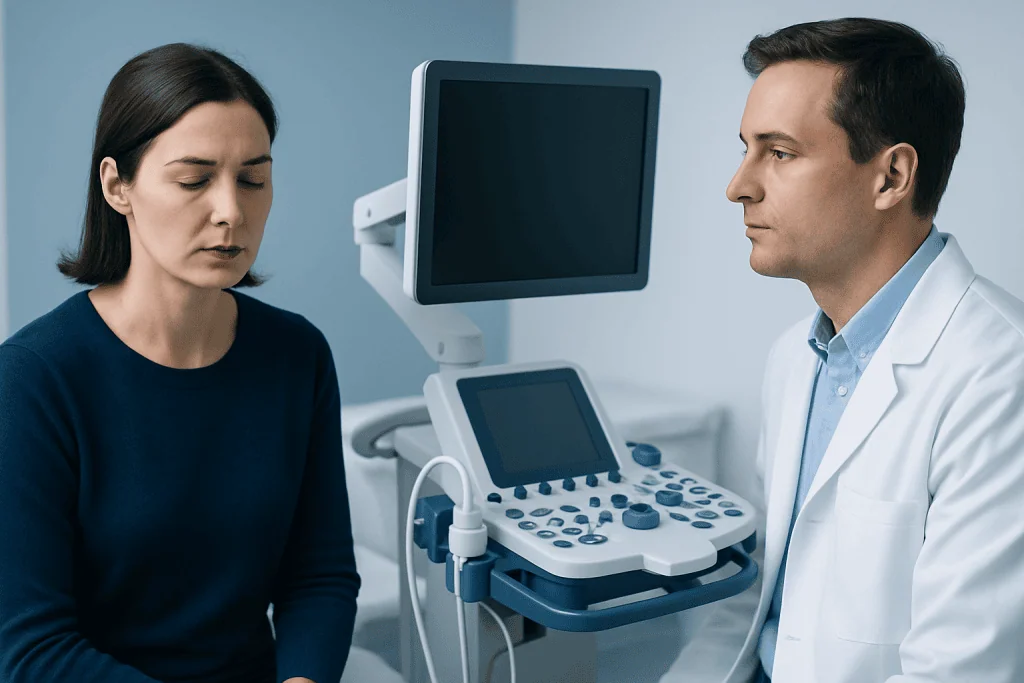
The best candidates are typically adults with chronic migraine rather than people who have infrequent or occasional migraine attacks. A doctor will usually ask about the number of headache days per month, the number of days with migraine symptoms, how long the pattern has been present, and how much headache interferes with work, school, family life, sleep, and daily function.
Botox may be discussed when the person has tried other preventive approaches or when those options are limited by side effects, other health conditions, or interactions with current medicines. It may also be considered when frequent use of pain relievers or migraine attack medicines has become a concern, because medication overuse can make headaches more persistent. In that situation, Botox is often combined with a carefully supervised plan to reduce overuse safely.
A patient may not be a suitable candidate if the diagnosis is uncertain, if headaches are better explained by another condition, or if there is a history of serious reaction to botulinum toxin products. People who are pregnant, planning pregnancy, breastfeeding, or living with certain neuromuscular conditions should discuss risks and alternatives in detail with their doctor. The decision is individualized, balancing expected benefit, safety, preferences, and previous treatment history.
How Botox Helps Prevent Migraine

Botox works differently from many tablets used for migraine prevention. After it is injected into specific areas of the scalp, forehead, temples, back of the head, neck, and shoulders, it is thought to reduce the release of pain-related chemical messengers from nerve endings. This may calm overactive pain pathways involved in migraine, especially around the trigeminal nerve system.
The goal is prevention, not immediate treatment of an active migraine attack. A person should not expect Botox to stop a migraine that has already started in the way that acute medicines may. Instead, treatment aims to reduce the number of headache days, lessen intensity, improve response to acute medicines, and support better day-to-day functioning over time.
Because chronic migraine is a neurological disorder with multiple contributing factors, Botox is rarely the only part of care. Sleep regularity, hydration, meal timing, stress management, treatment of anxiety or depression when present, and attention to triggers can all matter. Some patients may also need evaluation for related neurological symptoms, and clinicians may use services such as neurophysiology testing when another nerve or muscle disorder needs to be considered.
Treatment Schedule and What to Expect
Botox for chronic migraine is typically given in a clinic setting. The procedure usually involves a series of small injections placed in a standardized pattern across the forehead, temples, back of the head, upper neck, and shoulders. The appointment is usually brief, and most people can return to normal non-strenuous activities the same day unless their clinician advises otherwise.
Treatment is commonly repeated about every 12 weeks. This interval matters because the preventive effect develops and then gradually wears off. Receiving injections too frequently is generally avoided, while waiting too long may allow symptoms to return. The schedule should be set by the treating doctor according to clinical guidance and the patient’s response.
During the first visit, the clinician may review current medicines, allergies, prior preventive treatments, headache patterns, and any history of neck problems or muscle weakness. Patients are usually advised not to rub the injection areas immediately after treatment and to follow any specific aftercare instructions given by the clinic. Mild tenderness or small bumps at injection sites can occur and often settle without special treatment.
Results: How Improvement Is Measured
Results are usually gradual. Some people notice improvement after the first treatment cycle, while others need two or three cycles before the benefit is clear. A lack of immediate change does not always mean treatment has failed, but persistent lack of improvement should be reviewed with the treating doctor.
The most useful way to measure response is with a headache diary. Patients can record headache days, migraine days, pain severity, acute medicine use, missed activities, menstrual cycle timing if relevant, sleep, and possible triggers. This information helps the doctor decide whether Botox is reducing frequency, improving function, or allowing safer use of acute medicines.
Meaningful improvement may look different from one patient to another. For some, it means fewer migraine days; for others, attacks may be shorter, less severe, or easier to treat. If Botox helps, the doctor may recommend continuing on the regular schedule. If it does not help after an adequate trial, other chronic migraine treatment options can be considered, including different preventive medicines or combination strategies.
Possible Side Effects and Safety Considerations
Botox for chronic migraine is generally well tolerated when given by an appropriately trained clinician, but side effects can occur. The most commonly discussed issues include injection-site discomfort, neck pain, temporary muscle stiffness or weakness, headache shortly after the procedure, and a feeling of heaviness around the eyelid or brow. These effects are usually temporary, but any troubling or persistent symptom should be reported.
Rarely, botulinum toxin effects can spread beyond the injection area and cause symptoms such as generalized weakness, difficulty swallowing, voice changes, or breathing problems. These symptoms require prompt medical attention. Patients should tell their doctor about any previous reactions to botulinum toxin, muscle or nerve disorders, swallowing problems, breathing conditions, and all medicines or supplements they take.
Safety also depends on correct diagnosis and technique. Botox should be administered by clinicians familiar with the chronic migraine injection protocol and anatomy of the head and neck. Patients should avoid receiving botulinum toxin from unqualified providers or in settings where medical assessment, sterile technique, and follow-up care are not clear.
Prevention, Self-Care, and Long-Term Planning
Botox may reduce the burden of chronic migraine, but daily prevention habits remain important. A consistent sleep schedule, regular meals, adequate fluids, physical activity as tolerated, and limiting known triggers can support treatment. Because triggers vary, broad avoidance of many foods or activities is not usually helpful unless a clear pattern is identified.
Medication use should be reviewed regularly. Taking pain relievers, combination analgesics, opioids, or triptans too often can contribute to medication-overuse headache in some people. A clinician can help create a safe plan for acute treatment days, including what to take, when to take it, and when to seek reassessment.
Long-term planning may include deciding how long to continue Botox if it works well, whether to combine it with other preventive options, and how to manage flares. Some patients eventually reduce treatment if migraine remains controlled, while others need ongoing prevention. At Acibadem International, multidisciplinary neurology teams in JCI-accredited hospitals evaluate and treat chronic migraine for international patients, including those considering Botox as part of a personalized care plan.
When to See a Doctor
A person should see a doctor if headaches are becoming more frequent, if migraine attacks are interfering with normal life, or if acute medicines are needed often. Early assessment can help prevent a pattern of episodic migraine from progressing into chronic migraine and can identify treatable contributing factors.
Prompt medical evaluation is especially important for a sudden, severe headache; headache with weakness, confusion, fainting, fever, stiff neck, vision loss, seizure, or speech difficulty; headache after head injury; or a new headache pattern after age 50. These features do not always mean a serious condition is present, but they need urgent assessment to be safe.
Patients already receiving Botox should contact their clinician if side effects are concerning, if migraine suddenly worsens, or if the benefit wears off earlier than expected. Follow-up visits are an opportunity to adjust the overall treatment plan, review the headache diary, and make sure preventive and acute medicines are being used effectively and safely.
Frequently asked questions
Is Botox used for all types of migraine?
No. Botox is used for chronic migraine, which involves headache on 15 or more days per month for more than three months, with migraine features on a number of those days. It is not generally used for people with occasional migraine attacks.
How soon does Botox start working for chronic migraine?
Some people notice improvement after the first treatment cycle, but others need two or three cycles before the effect is clear. Doctors usually assess progress with a headache diary rather than judging by one or two attacks.
Does Botox treat a migraine attack that is already happening?
Botox is a preventive treatment, not an acute rescue medicine. It is intended to reduce future headache days and migraine burden over time. Patients usually still need a separate plan for treating attacks when they occur.
How often are Botox injections given for chronic migraine?
They are commonly scheduled about every 12 weeks. The exact timing should be decided by the treating clinician, based on established protocols, safety considerations, and the patient’s response.
Are the injections painful?
Most patients describe the injections as brief pinpricks or mild stinging. Discomfort is usually short-lived, and the appointment is typically completed quickly. People who are anxious about needles can discuss comfort measures with the clinic team beforehand.
Can Botox be combined with other migraine treatments?
Yes, in some cases it can be part of a broader prevention plan that includes lifestyle strategies, acute medicines, and other preventive therapies. Combination treatment should be supervised by a doctor to reduce side effects, interactions, and medication overuse.
What happens if Botox does not help?
If there is no meaningful improvement after an adequate trial, the doctor may recommend stopping Botox and considering other preventive options. The headache diary, diagnosis, medication use, sleep, and other health factors should be reviewed before deciding on the next step.
References
- American Headache Society
- International Headache Society
- National Institute for Health and Care Excellence
- U.S. Food and Drug Administration
- European Headache Federation
This article is for general information only and is not a substitute for professional medical advice. Please consult a qualified doctor about your individual situation.
Migraine in Turkey — costs, top hospitals & a free quote
JCI-accredited · board-certified surgeons · reply within 24h

Related Treatments
Related Conditions
More from the Health Library



Related Specialists

Prof. Dr. Ayşe Sağduyu Kocaman
Neurology
Prof. Dr. Mehmet Zafer Berkman
Neurosurgery
Prof. Dr. Pınar Yalınay Dikmen
Neurology
Prof. Dr. Elif Ilgaz Aydınlar
Neurology