Endometriosis and IVF: When Assisted Reproduction May Help
Endometriosis can reduce fertility by affecting the ovaries, fallopian tubes, egg quality, pelvic anatomy, and the inflammatory environment around conception. IVF may help by fertilizing eggs outside the body and transferring an embryo directly into the uterus, partly bypassing pelvic factors.
Key Takeaways
- Endometriosis can reduce fertility by affecting the ovaries, fallopian tubes, egg quality, pelvic anatomy, and the inflammatory environment around conception.
- IVF may help by fertilizing eggs outside the body and transferring an embryo directly into the uterus, partly bypassing pelvic factors.
- The best timing for IVF depends on age, ovarian reserve, duration of infertility, previous surgery, symptoms, and whether sperm or tubal factors are also present.
- Surgery before IVF is not always needed and should be considered carefully, especially when ovarian endometriomas may affect ovarian reserve.
- A fertility specialist can individualize treatment, discuss realistic expectations, and coordinate pain management with reproductive goals.
Endometriosis can affect fertility in several ways, but many people with the condition can still become pregnant with appropriate care. IVF may be recommended when endometriosis-related inflammation, ovarian factors, tubal problems, or time-sensitive fertility concerns make other options less effective.
Overview
Endometriosis is a long-term condition in which tissue similar to the lining of the uterus grows outside the uterus, most commonly on the ovaries, fallopian tubes, pelvic lining, bowel, or bladder. This tissue can respond to monthly hormonal changes, leading to inflammation, scar tissue, adhesions, ovarian cysts called endometriomas, and pain. Not everyone with endometriosis has infertility, and the severity of symptoms does not always match the extent of the disease.
For people trying to conceive, endometriosis can be frustrating because fertility may be affected in more than one way. It may interfere with ovulation, egg quality, sperm and egg interaction, embryo development, fallopian tube function, or implantation. Some people conceive naturally, while others benefit from fertility treatment after a careful assessment.
In vitro fertilization, commonly called IVF, is one of the main assisted reproduction options for endometriosis-related infertility. During IVF treatment, eggs are collected from the ovaries, fertilized with sperm in a laboratory, and one or more embryos are transferred into the uterus. This process does not cure endometriosis, but it can improve the chance of pregnancy in selected patients by reducing the impact of pelvic scarring and tubal dysfunction.
How Endometriosis Can Affect Fertility
Endometriosis may affect fertility through inflammation and changes in pelvic anatomy. Inflammation can influence the environment around the ovaries, fallopian tubes, and uterus, potentially affecting egg release, sperm movement, fertilization, and early embryo development. Adhesions may distort the normal relationship between the ovary and fallopian tube, making it harder for the tube to pick up an egg after ovulation.
When endometriosis involves the ovary, it may form an endometrioma. These cysts can be associated with a lower number of available eggs, and surgery to remove them can sometimes further reduce ovarian reserve if healthy ovarian tissue is affected. For this reason, fertility specialists usually assess ovarian reserve with blood tests and ultrasound before deciding whether surgery, IVF, or another approach is most appropriate.
Endometriosis can also coexist with other causes of infertility. A person may have irregular ovulation, blocked tubes, reduced ovarian reserve, male factor infertility, or uterine conditions in addition to endometriosis. A full evaluation for female infertility helps avoid assuming that endometriosis is the only reason pregnancy has not occurred.
When IVF May Be Recommended
IVF may be considered when pregnancy has not occurred after a reasonable period of trying, especially if the person is over 35, has moderate to severe endometriosis, has had previous endometriosis surgery, or has signs of reduced ovarian reserve. It may also be recommended when the fallopian tubes are blocked or damaged, because IVF does not require the tubes to transport the egg and sperm.
For mild endometriosis, some patients may first try expectant management, ovulation induction, or intrauterine insemination, depending on age and other fertility factors. However, if time is important or simpler treatments have not worked, IVF may be a more efficient next step. The decision is individualized and should balance pregnancy goals, symptom burden, ovarian reserve, cost, emotional readiness, and medical safety.
IVF may also be helpful when endometriosis is combined with male factor infertility. In some cases, fertilization in the laboratory is supported with intracytoplasmic sperm injection, where a single sperm is placed directly into an egg. This method, known as ICSI, may be recommended when sperm count, movement, or shape is significantly affected, or when previous fertilization has been poor.
Diagnosis and Fertility Assessment Before IVF
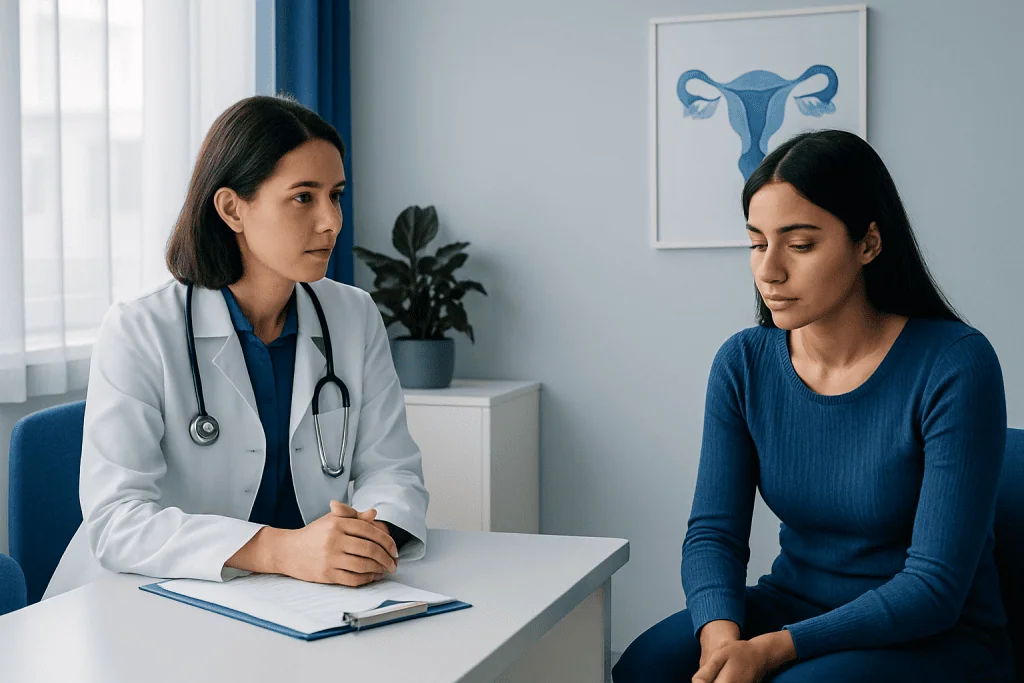
A fertility assessment usually starts with a detailed medical history, including menstrual symptoms, pelvic pain, previous surgeries, infections, pregnancies, and how long conception has been attempted. A pelvic ultrasound may identify endometriomas, uterine fibroids, ovarian reserve markers, or other structural findings. Blood tests may include anti-Müllerian hormone, follicle-stimulating hormone, estradiol, thyroid tests, and other tests based on the individual situation.
The partner or sperm provider should also have a semen analysis because male factor infertility is common and can change the treatment plan. Tubal testing may be performed if non-IVF treatment is being considered, although it may be less central when IVF is already planned. If symptoms suggest bowel, bladder, or deep infiltrating endometriosis, additional imaging such as specialized ultrasound or MRI may be used to map disease before surgery or pregnancy planning.
Laparoscopy is the only way to confirm endometriosis by direct visualization and, when needed, tissue diagnosis. However, surgery is not required for every person before fertility treatment. Many patients can be managed based on symptoms, imaging, fertility history, and reproductive goals, especially when IVF is the preferred treatment pathway.
What Happens During IVF for Endometriosis
IVF begins with ovarian stimulation, where hormone medications encourage several follicles to mature in the same cycle. The response is monitored with ultrasound and blood tests so the care team can adjust treatment and plan egg collection at the right time. People with endometriosis may have a variable response, particularly if they have endometriomas, previous ovarian surgery, or reduced ovarian reserve.
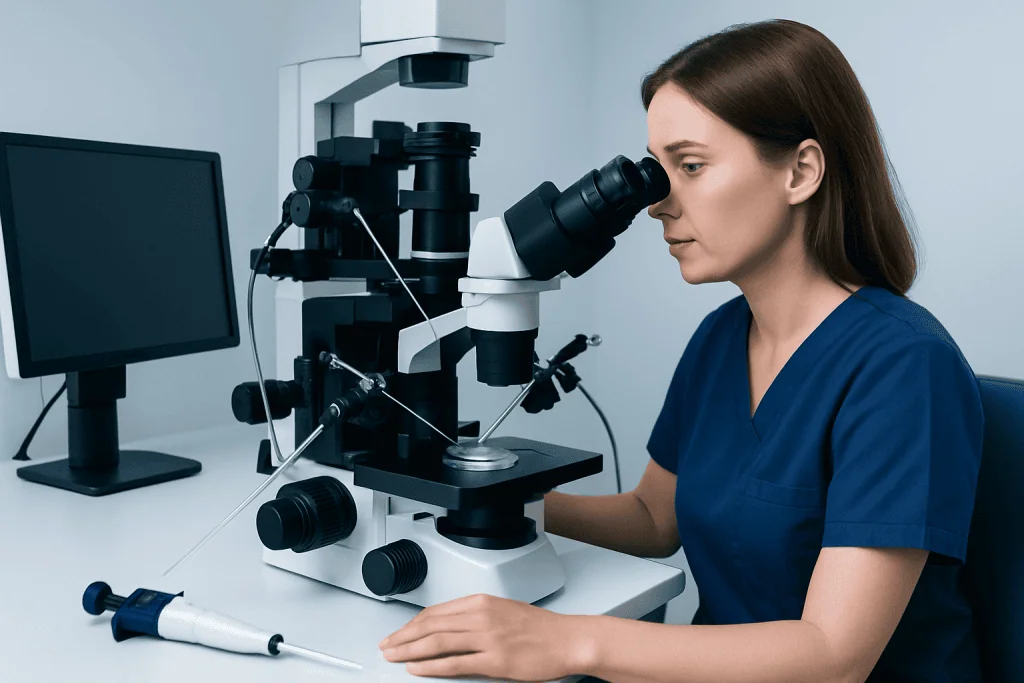
Egg collection is performed with ultrasound guidance, usually as a short procedure under sedation or anesthesia. The eggs are then fertilized with sperm in the laboratory using standard IVF or ICSI, depending on sperm quality and previous fertilization history. Embryos are monitored as they develop, and the most suitable embryo is selected for transfer or freezing.
Embryo transfer may take place in the same cycle or in a later frozen embryo transfer cycle. Some clinics may recommend freezing embryos when the uterine environment, hormone levels, or medical circumstances make a later transfer preferable. In selected cases, a fertility specialist may also discuss preimplantation genetic testing, but it is not automatically required for endometriosis.
IVF treatment can be physically and emotionally demanding. Pelvic tenderness, medication side effects, waiting periods, and uncertainty can be stressful, particularly for patients already living with chronic pain. Supportive communication, realistic planning, and clear explanations can make the process easier to navigate.
Surgery, Medication, and Timing Considerations
Surgery can improve pain and may improve fertility in some people with endometriosis, especially when adhesions, endometriomas, or deep lesions are affecting pelvic organs. However, surgery before IVF is not automatically recommended. Removing an ovarian endometrioma may make egg collection easier or address pain, but it can also reduce ovarian reserve, so the benefits and risks should be discussed carefully.
Medication that suppresses endometriosis activity, such as hormonal therapy, can reduce pain but usually prevents ovulation while it is being used. Therefore, it is not a fertility treatment by itself when a person is actively trying to conceive. In some IVF plans, a doctor may use hormonal suppression before embryo transfer, but the value and duration of this approach vary by patient and clinic protocol.
Timing is especially important when age or ovarian reserve is a concern. A person with low ovarian reserve may be advised to proceed to egg or embryo collection before considering extensive surgery. In contrast, someone with severe pain, suspected bowel or bladder involvement, or a large cyst that complicates access to the ovary may need surgical evaluation first.
Self-Care and Emotional Support During Treatment
Self-care cannot remove endometriosis, but it can support general health during fertility treatment. A balanced diet, regular gentle movement, adequate sleep, avoiding smoking, limiting alcohol, and maintaining a healthy weight can help prepare the body for pregnancy. People should also review medications, supplements, and pain-relief strategies with their doctor before and during IVF.
Managing pain is an important part of fertility care. Heat therapy, pelvic floor physiotherapy, relaxation techniques, and individualized pain plans may help some patients. Nonsteroidal anti-inflammatory medicines and hormonal treatments are not suitable at every stage of conception or IVF, so they should be used only with medical guidance when pregnancy is possible.
Emotional support matters. Endometriosis and infertility can affect relationships, work, body image, and mental well-being. Counseling, support groups, and open communication with the fertility team can help patients make decisions that feel informed rather than rushed. Partners may also benefit from support, especially when treatment involves repeated appointments or difficult choices.
When to See a Fertility Specialist
A person with known or suspected endometriosis should consider seeing a fertility specialist if pregnancy has not occurred after 12 months of regular unprotected intercourse, or after 6 months if they are 35 or older. Earlier evaluation is reasonable for anyone with severe pelvic pain, irregular periods, previous ovarian surgery, known endometriomas, blocked tubes, or a history suggesting reduced ovarian reserve.
Medical care should also be sought promptly if pelvic pain becomes severe, bowel or bladder symptoms are cyclical or worsening, periods are extremely heavy, or pain interferes with daily life. These symptoms do not always mean fertility treatment is needed immediately, but they may indicate that endometriosis should be assessed more fully before pregnancy planning.
Patients considering international care may benefit from coordinated evaluation by gynecologists, reproductive medicine specialists, embryologists, pain specialists, and surgeons when needed. Acibadem International provides diagnosis and treatment for endometriosis-related fertility concerns in multidisciplinary, JCI-accredited hospitals for international patients, including assessment and treatment planning for infertility.
Frequently asked questions
Can a person with endometriosis get pregnant naturally?
Yes. Many people with endometriosis conceive naturally, especially when the disease is mild and there are no additional fertility factors. However, endometriosis can reduce the chance of conception for some patients, so evaluation is recommended if pregnancy does not occur within the expected timeframe.
Does IVF cure endometriosis?
No. IVF is a fertility treatment, not a cure for endometriosis. It may help achieve pregnancy by bypassing some effects of pelvic inflammation, scarring, or tubal dysfunction, but pain and disease management may still be needed before or after treatment.
Is surgery always needed before IVF for endometriosis?
No. Surgery before IVF is considered case by case. It may be helpful for severe pain, large or suspicious cysts, or disease affecting other organs, but it may also reduce ovarian reserve when ovarian tissue is involved, so careful specialist advice is important.
Does an endometrioma reduce IVF success?
An endometrioma may be associated with lower ovarian reserve or fewer eggs collected, particularly if it is large or if previous surgery has affected the ovary. However, many people with endometriomas still proceed with IVF. The decision to remove or monitor the cyst depends on symptoms, size, appearance, ovarian reserve, and access for egg collection.
How long should someone try naturally before seeking help?
General guidance is to seek fertility evaluation after 12 months of trying if under 35, or after 6 months if 35 or older. People with known endometriosis, severe symptoms, previous ovarian surgery, or suspected tubal problems may benefit from earlier assessment.
Can pregnancy improve endometriosis symptoms?
Some people notice temporary improvement in endometriosis symptoms during pregnancy because menstrual cycles stop and hormone patterns change. This effect is not guaranteed, and symptoms may return after pregnancy or breastfeeding. Long-term management should be discussed with a gynecologist.
References
- European Society of Human Reproduction and Embryology
- American Society for Reproductive Medicine
- American College of Obstetricians and Gynecologists
- National Institute for Health and Care Excellence
- World Health Organization
This article is for general information only and is not a substitute for professional medical advice. Please consult a qualified doctor about your individual situation.
Endometriosis in Turkey — costs, top hospitals & a free quote
JCI-accredited · board-certified surgeons · reply within 24h
Check your numbers in seconds
BMI, calories, due date, blood pressure and 30+ more clinical calculators — free, instant, doctor-reviewed ranges.

Related Treatments
Related Conditions
More from the Health Library
Related Specialists
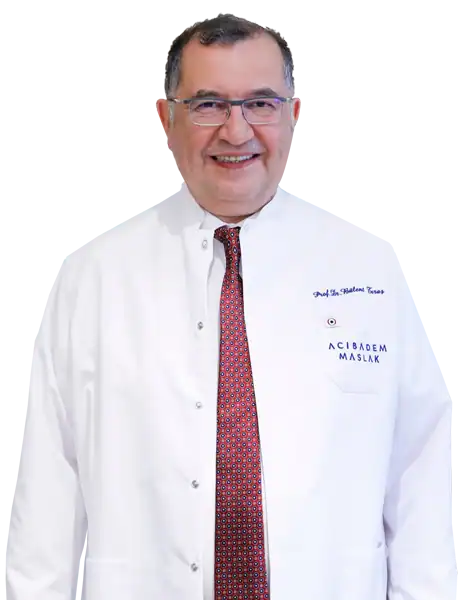
Prof. Dr. Bülent Tıraş
Gynecology & Obstetrics
Prof. Dr. Mete Güngör
Gynecology & Obstetrics
Prof. Dr. Faruk Suat Dede
Gynecology & Obstetrics
Prof. Dr. Tansu Küçük
Gynecology & Obstetrics