EEG Monitoring: When Long-Term Brain Wave Testing Is Needed
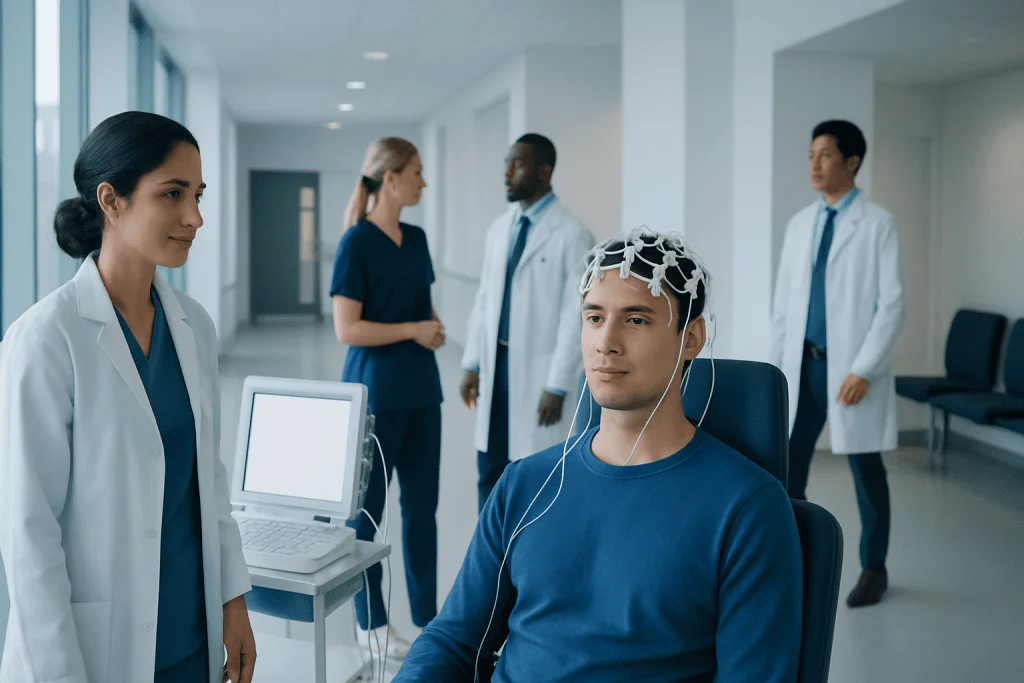
EEG monitoring records brain wave patterns using small sensors placed on the scalp; it does not read thoughts or send electricity into the brain. Long-term EEG may be recommended when brief routine EEG testing does not capture symptoms or when events need to be matched with brain activity.
Key Takeaways
- EEG monitoring records brain wave patterns using small sensors placed on the scalp; it does not read thoughts or send electricity into the brain.
- Long-term EEG may be recommended when brief routine EEG testing does not capture symptoms or when events need to be matched with brain activity.
- Video EEG monitoring can help distinguish epileptic seizures from fainting, sleep disorders, movement episodes, migraine-related symptoms, and other conditions.
- Ambulatory EEG is performed at home, while inpatient video EEG is performed in a hospital or specialized epilepsy monitoring unit.
- Results are interpreted by trained specialists and combined with medical history, examination findings, and sometimes imaging or sleep testing.
EEG monitoring is a safe, non-invasive test that records the brain's electrical activity over an extended period. It is often used when symptoms happen unpredictably, when seizures are suspected, or when doctors need more information than a short routine EEG can provide.
Overview
EEG monitoring, or electroencephalography monitoring, is a test that records the brain’s natural electrical activity. Small metal discs called electrodes are placed on the scalp with adhesive or a soft cap. These electrodes detect tiny voltage changes produced by groups of brain cells, and the patterns are displayed as brain wave tracings for a specialist to review.
A routine EEG usually lasts about 20 to 60 minutes. Long-term EEG monitoring lasts longer, from several hours to several days, depending on the reason for testing. This extended recording increases the chance of capturing symptoms that occur only occasionally, such as brief staring spells, unusual movements, unexplained blackouts, nighttime events, or suspected seizures.
EEG monitoring is non-invasive and painless. It does not deliver electricity into the brain, control thoughts, or cause seizures by itself. For many patients, the main inconvenience is wearing the electrodes and, during some hospital-based tests, staying in a monitored room until enough information is collected.
When Long-Term EEG Monitoring Is Needed
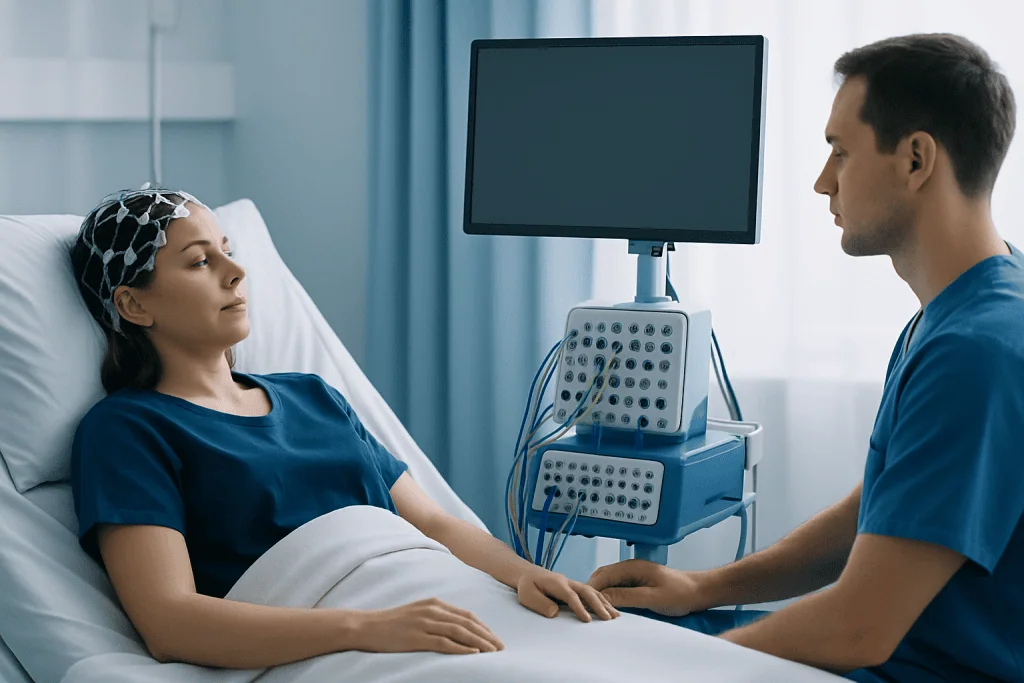
Doctors may recommend long-term EEG monitoring when symptoms are difficult to explain from the medical history alone. A brief episode of confusion, collapse, shaking, altered awareness, or unusual sensation can have several possible causes. Long-term EEG helps determine whether these episodes are linked to abnormal electrical activity in the brain.
It is commonly used when epilepsy is suspected but a routine EEG is normal or inconclusive. A normal routine EEG does not completely rule out epilepsy, because abnormal patterns may not appear during the short recording. Longer monitoring may also be helpful when a person with known epilepsy continues to have episodes despite treatment, or when the type of seizure needs to be clarified.
Long-term EEG can also help evaluate events that happen during sleep or on waking. Some nighttime movements are seizures, while others are sleep-related behaviors, parasomnias, breathing-related sleep problems, or movement disorders. In selected cases, EEG findings are considered together with sleep evaluation through neurological sleep medicine.
Types of EEG Monitoring
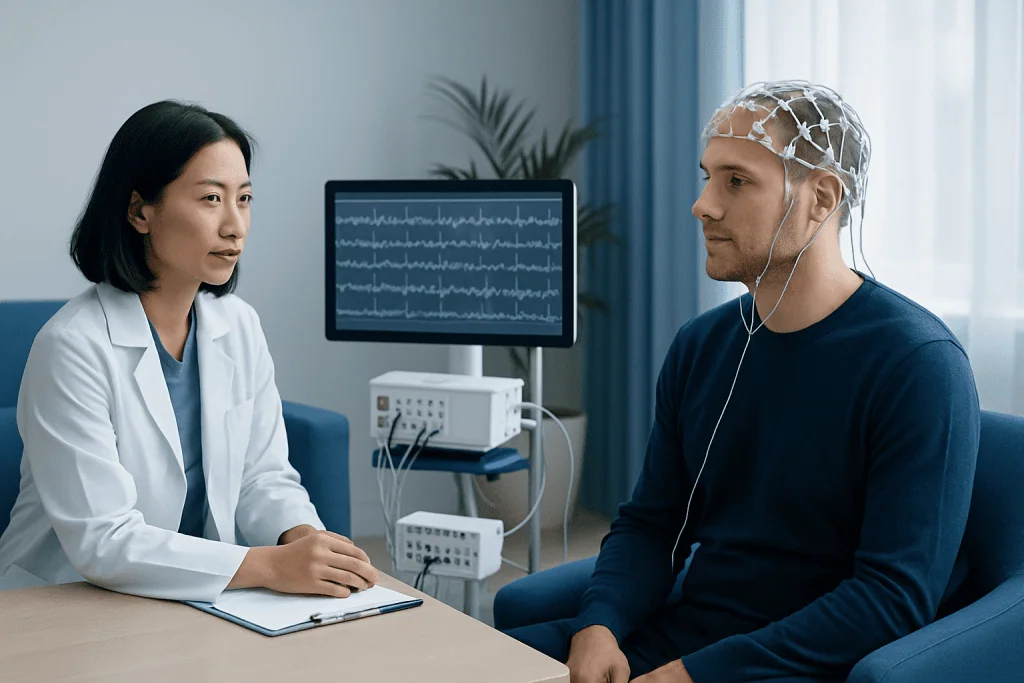
Several types of EEG monitoring are available. The best option depends on how often symptoms occur, the patient’s age and medical condition, the level of safety supervision needed, and whether video recording is important. A neurologist or clinical neurophysiology team explains which approach is most suitable.
- Routine EEG: A short recording performed in an outpatient setting, often with breathing exercises, flashing lights, and sometimes sleep or drowsiness.
- Ambulatory EEG: A portable recorder is worn at home for one or more days while the person follows many normal daily activities.
- Video EEG monitoring: EEG is recorded at the same time as video, allowing doctors to compare visible symptoms with brain wave changes.
- Inpatient EEG monitoring: The person stays in a hospital or specialized monitoring unit, where staff can respond quickly if an event occurs.
Video EEG is especially useful because it links what is happening outwardly with what is happening electrically in the brain. For example, a spell that looks like a seizure may not show seizure-related EEG changes, suggesting another cause. Conversely, subtle changes on video may match clear EEG abnormalities and confirm a seizure type.
What EEG Monitoring Can Help Diagnose
EEG monitoring is most often associated with seizure diagnosis, but its role is broader. It can help identify epileptic seizures, determine seizure type, locate the likely brain region where seizures begin, and guide medication or other treatment decisions. It may also help document how often abnormal brain wave patterns occur, including during sleep.
In some people, long-term EEG helps distinguish epileptic seizures from non-epileptic events. These may include fainting, panic attacks, functional neurological episodes, certain migraine phenomena, sleep disorders, heart rhythm problems, or movement-related spells. Because these conditions require different treatment plans, an accurate diagnosis is important and can be reassuring for patients and families.
EEG is interpreted within the broader field of clinical neurophysiology, where electrical signals from the nervous system are studied. It may be combined with brain MRI, blood tests, cardiac monitoring, neuropsychological testing, or sleep studies when the diagnosis is complex. Children may need age-specific evaluation, and long-term EEG is often planned with pediatric expertise such as pediatric neurology.
How to Prepare and What to Expect
Before the test, patients are usually asked to wash their hair and avoid heavy oils, gels, or sprays so the electrodes can attach well. The care team may give specific instructions about sleep, food, caffeine, and current medications. Patients should not stop seizure medicines or other prescribed treatments unless their doctor specifically instructs them to do so.
During setup, the scalp is measured and cleaned in small areas, then electrodes are attached with paste, glue, or a cap. The process can take some time but is not painful. For ambulatory EEG, the patient carries a small recorder and is given instructions for keeping the equipment dry, pressing an event button, and writing down symptoms, sleep times, and activities.
For inpatient video EEG, the patient stays in a monitored room with cameras and EEG equipment. Nurses and technologists check the electrodes and respond if an event occurs. In some cases, doctors may adjust sleep schedules or medications under close supervision to increase the likelihood of capturing an event, but this is done with safety planning and informed consent.
Understanding Results and Treatment Planning
EEG results are reviewed by a neurologist or other specialist trained in EEG interpretation. The report may describe normal background rhythms, sleep patterns, epileptiform discharges, slowing, seizure activity, or whether a recorded event was associated with EEG changes. The meaning of these findings depends on the person’s symptoms, examination, medical history, and other tests.
A normal long-term EEG can still provide useful information. If typical symptoms occur during monitoring without seizure-related EEG changes, the doctor may investigate other causes and avoid unnecessary seizure treatment. If no symptoms occur during the recording, the result may be less definitive, and the next step depends on how concerning or frequent the episodes are.
If seizures are confirmed, treatment may include anti-seizure medication, lifestyle measures, safety counseling, or further evaluation for advanced options. Some patients with drug-resistant focal seizures may be referred to a comprehensive epilepsy or neurosurgery team for detailed assessment. Decisions are individualized and should be made with a qualified specialist who can explain benefits, risks, and alternatives.
Safety, Practical Tips, and When to See a Doctor
EEG monitoring is generally safe. Mild skin irritation, itching, or discomfort from the electrodes can occur, especially after longer recordings, but these effects are usually temporary. The main safety concern is the underlying condition being monitored, such as a seizure or fainting episode, which is why inpatient monitoring may be recommended when closer supervision is needed.
Patients can help the test by following instructions closely, keeping a clear event diary, and pressing the event button when symptoms occur. Family members may be asked to describe typical events because details such as eye position, awareness, breathing pattern, movements, and recovery time can help doctors interpret the EEG. Bringing a list of medications, prior test results, and videos of past events, if available, may also be helpful.
Medical advice should be sought promptly if a person has a first seizure-like episode, repeated unexplained blackouts, spells with injury, events during sleep, new confusion, or episodes associated with pregnancy, fever, severe headache, weakness, or chest symptoms. Acibadem International’s multidisciplinary specialists and JCI-accredited hospitals provide diagnostic evaluation and treatment planning for international patients with neurological symptoms, including long-term EEG monitoring when appropriate.
Frequently asked questions
Is EEG monitoring painful?
EEG monitoring is not painful because the electrodes only record electrical activity from the scalp. They do not send electricity into the brain. Some people may notice mild scalp irritation, pressure from the cap, or sticky residue after the electrodes are removed.
How long does long-term EEG monitoring take?
The duration depends on the reason for testing and how often symptoms occur. Ambulatory EEG may last one to several days, while inpatient video EEG may continue for several days if needed. The care team will explain the expected timeframe before the test begins.
Can a normal EEG rule out epilepsy?
A normal EEG does not always rule out epilepsy, especially if no typical event occurred during the recording. Some people with epilepsy have normal EEG results between seizures. Doctors interpret EEG findings together with the person's history, examination, and other tests.
What is the difference between ambulatory EEG and video EEG?
Ambulatory EEG is usually performed at home with a portable recorder and may or may not include video. Video EEG records brain waves and a continuous video image at the same time, often in a hospital setting. Video EEG is especially helpful when doctors need to compare symptoms with EEG changes.
Can patients take their usual medications before EEG monitoring?
Patients should follow the instructions given by their doctor. Many medicines are continued as usual, but in some inpatient monitoring situations, seizure medicines may be adjusted under close supervision. No prescribed medication should be stopped without medical guidance.
What happens if a seizure occurs during monitoring?
If monitoring is performed in a hospital, trained staff can respond quickly and document the event. The EEG and video help the medical team understand what happened and whether the event was epileptic. For home ambulatory EEG, patients receive safety instructions and should follow their doctor's plan for urgent symptoms.
References
- International League Against Epilepsy
- American Clinical Neurophysiology Society
- National Institute for Health and Care Excellence
- Epilepsy Foundation
- American Academy of Neurology
This article is for general information only and is not a substitute for professional medical advice. Please consult a qualified doctor about your individual situation.
Hair transplant in Turkey — costs, graft counts & a free assessment
JCI-accredited · board-certified surgeons · reply within 24h