

Bariatric Surgery and Fatty Liver Disease: Weight Loss Benefits and Follow-Up

Fatty liver disease linked to excess weight is now often called MASLD, and its inflammatory form is called MASH. Bariatric surgery can improve liver fat, inflammation, and metabolic risk factors in many patients, but it is not suitable for everyone.
Key Takeaways
- Fatty liver disease linked to excess weight is now often called MASLD, and its inflammatory form is called MASH.
- Bariatric surgery can improve liver fat, inflammation, and metabolic risk factors in many patients, but it is not suitable for everyone.
- People with advanced fibrosis or cirrhosis need specialist assessment before any weight loss procedure.
- Follow-up after surgery is essential to monitor liver tests, nutrition, weight changes, and possible complications.
- Long-term success depends on healthy eating, physical activity, vitamin supplementation when prescribed, and regular medical care.
Bariatric surgery may help many people with obesity-related fatty liver disease by reducing liver fat, improving insulin resistance, and supporting long-term weight loss. Safe results depend on careful patient selection, nutrition, liver monitoring, and ongoing follow-up with qualified specialists.
Overview
Fatty liver disease occurs when excess fat builds up in liver cells. In people who have overweight, obesity, insulin resistance, or type 2 diabetes, the condition is now commonly described as metabolic dysfunction-associated steatotic liver disease, or MASLD. Some people develop liver inflammation and cell injury, known as metabolic dysfunction-associated steatohepatitis, or MASH. Over time, MASH can lead to scarring of the liver, called fibrosis.
Bariatric surgery is a group of operations designed to support substantial and sustained weight loss in people with obesity. Because obesity and insulin resistance are major drivers of MASLD, weight loss can reduce the amount of fat stored in the liver and improve metabolic health. For many patients, bariatric surgery offers benefits that go beyond body weight, including improvements in blood sugar control, blood pressure, sleep apnea, and liver-related markers.
However, surgery is not a simple or automatic treatment for fatty liver disease. The liver condition must be assessed before the operation, especially if there may be advanced fibrosis or cirrhosis. The safest approach is individualized care involving bariatric surgeons, gastroenterologists or hepatologists, dietitians, and primary care physicians.
How Fatty Liver Disease and Obesity Are Connected
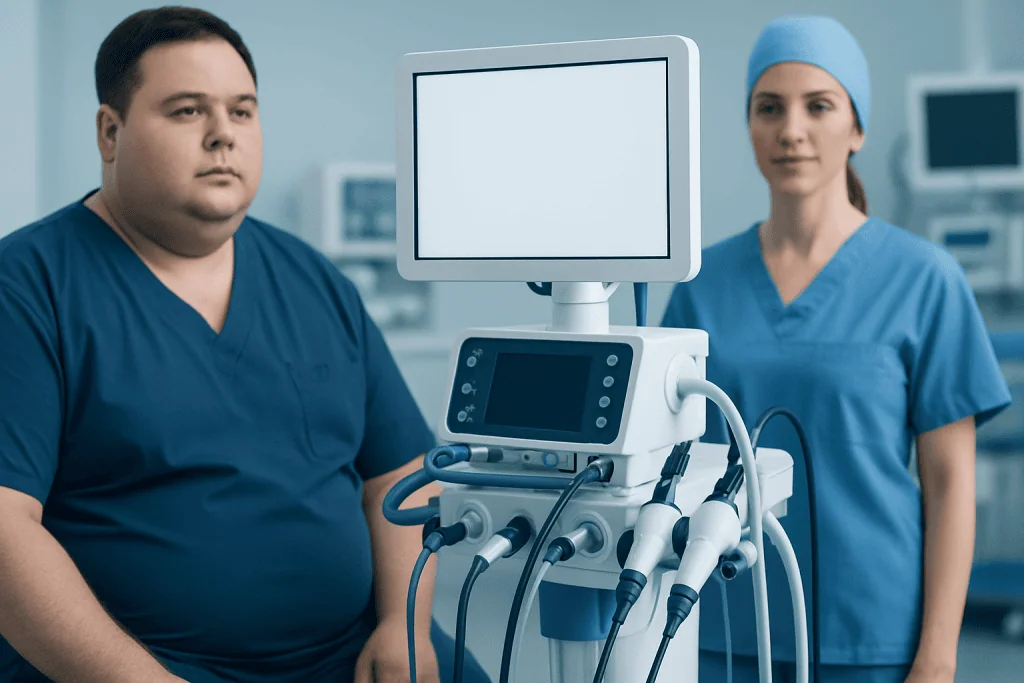
The liver helps process fats, sugars, and proteins. When the body has insulin resistance, excess calories, and increased fat tissue inflammation, more fat may be delivered to the liver and stored there. This can create a cycle in which liver fat worsens insulin resistance, and insulin resistance promotes more liver fat.
MASLD often develops silently. Many people have no symptoms and learn about it only after abnormal liver blood tests or an ultrasound performed for another reason. The condition is more common in people with obesity, type 2 diabetes, high triglycerides, high blood pressure, or a larger waist circumference. These factors are part of a broader metabolic pattern that affects the liver, heart, kidneys, and blood vessels.
Not everyone with fatty liver disease develops serious liver damage. Still, identifying risk is important. The main medical concern is whether simple fat accumulation has progressed to inflammation, fibrosis, or cirrhosis. The degree of fibrosis is one of the most important predictors of long-term liver outcomes.
Weight Loss Benefits for the Liver

Weight loss can reduce liver fat and improve insulin sensitivity. In many patients, modest weight loss improves liver enzyme levels, while greater and sustained weight loss may improve inflammation and, in some cases, fibrosis. Bariatric surgery can help achieve this level of weight reduction when lifestyle measures and medical therapy have not been enough or when obesity-related health risks are significant.
Common bariatric procedures reduce food intake, alter hunger and fullness signals, and may change gut hormones that influence blood sugar and metabolism. Procedures such as gastric sleeve surgery and gastric bypass are frequently considered for eligible patients, depending on body mass index, medical history, reflux symptoms, diabetes status, and surgical risk.
For fatty liver disease, the expected benefits may include lower liver fat content, improved liver enzyme results, better blood sugar control, lower triglycerides, and reduced inflammatory activity. These changes do not happen overnight. Liver improvement usually follows gradual weight loss, healthier nutrition, and long-term metabolic stability.
It is also important to avoid overly rapid or poorly monitored weight loss. After surgery, the body’s needs change, and inadequate protein, vitamin, or mineral intake can harm overall health. A structured follow-up plan helps patients lose weight safely while protecting the liver and the rest of the body.
Who May Be a Candidate
Candidacy for bariatric surgery depends on several factors, including body mass index, obesity-related conditions, previous weight loss efforts, psychological readiness, and the ability to attend long-term follow-up. Fatty liver disease may be one of several obesity-related health concerns considered during evaluation, but it is rarely the only factor.
A preoperative assessment usually reviews medical history, medications, nutrition patterns, eating behaviors, sleep apnea risk, diabetes control, heart health, and previous abdominal surgery. For patients with suspected liver disease, clinicians may order liver blood tests, ultrasound, transient elastography, magnetic resonance-based tests, or noninvasive fibrosis scores. Some patients need assessment by a liver specialist before surgery.
People with advanced fibrosis or cirrhosis require special caution. Compensated cirrhosis means the liver is scarred but still performing many essential functions, while decompensated cirrhosis involves complications such as fluid buildup, bleeding varices, confusion related to liver disease, or jaundice. Bariatric surgery may be inappropriate or higher risk in some of these situations, and decisions should be made only in experienced centers.
Patients who are not candidates for surgery may still have options. Intensive lifestyle therapy, medication for obesity when appropriate, diabetes management, and less invasive weight loss approaches can be discussed with a qualified doctor. The goal is to reduce metabolic stress on the liver in the safest possible way.
Diagnosis and Liver Assessment Before Surgery
Before bariatric surgery, doctors try to understand both the patient’s overall surgical risk and the stage of liver disease. Standard blood tests may include liver enzymes, bilirubin, albumin, platelet count, clotting measures, glucose or HbA1c, cholesterol, and triglycerides. These tests help identify patterns that may suggest inflammation, impaired liver function, or advanced scarring.
Imaging can show fat in the liver and sometimes signs of scarring or portal hypertension. Ultrasound is commonly used, while elastography estimates liver stiffness, which can suggest fibrosis. In selected cases, magnetic resonance imaging or a liver biopsy may be considered. A biopsy is not needed for every person, but it may help when the diagnosis is uncertain or when knowing the exact stage would change management.
Doctors also look for other causes of liver disease. These may include viral hepatitis, alcohol-related liver injury, autoimmune liver disease, iron overload, certain medications, or genetic conditions. A correct diagnosis matters because treatment and follow-up may differ.
Preoperative assessment is also a chance to set realistic expectations. Bariatric surgery can be a powerful tool, but it works best when patients understand dietary stages after surgery, protein goals, hydration, supplements, physical activity, and the need for lifelong monitoring.
Treatment Options and Procedure Considerations
There is no single best bariatric procedure for every person with fatty liver disease. The choice depends on medical history, weight loss goals, diabetes status, reflux disease, medication use, previous surgery, and liver stage. The bariatric team explains the benefits and risks of each option so the patient can make an informed decision.
Sleeve gastrectomy removes a portion of the stomach and creates a smaller stomach tube. It can support significant weight loss and metabolic improvement. Gastric bypass creates a small stomach pouch and changes the pathway of food through part of the small intestine, which can have strong effects on weight and blood sugar control. Other approaches, including revisional or less invasive options, may be considered in selected patients, but they require the same commitment to follow-up.
For patients with liver scarring, the choice of procedure may be more complex. Surgeons and liver specialists consider bleeding risk, nutritional risk, portal hypertension, anesthesia safety, and the possibility that liver function could worsen under stress. A patient with more advanced liver disease may need care in a center with experience managing both obesity and liver disorders.
Treatment for obesity should be viewed as long-term chronic disease care rather than a one-time procedure. Surgery can create the opportunity for major improvement, but nutrition, movement, sleep, mental health support, and medical monitoring remain central to maintaining benefits.
Follow-Up After Surgery
Follow-up is essential after bariatric surgery, especially for patients with fatty liver disease. Early visits focus on healing, hydration, diet progression, nausea or reflux symptoms, and safe physical activity. Over time, visits monitor weight loss, muscle preservation, liver blood tests, blood sugar, cholesterol, and nutritional status.
Patients are usually advised to follow a staged eating plan after surgery, beginning with liquids and gradually advancing to soft and then solid foods as directed by the care team. Protein intake, fluid intake, and eating slowly are important. Vitamin and mineral supplements may be required, depending on the operation and the patient’s blood test results. Deficiencies in iron, vitamin B12, vitamin D, calcium, folate, or thiamine can occur if monitoring is missed.
Liver follow-up may include repeat liver enzymes, fibrosis assessment, or imaging at intervals recommended by the physician. If fibrosis was present before surgery, monitoring may continue even if weight and liver enzymes improve. People with cirrhosis need ongoing surveillance for liver-related complications and should not stop specialist care after weight loss.
Long-term follow-up also helps detect weight regain early. Weight regain can occur for many reasons, including changes in eating patterns, reduced activity, hormonal adaptation, emotional stress, medication effects, or untreated sleep problems. Addressing these issues early is more effective than waiting until weight or liver markers worsen significantly.
Prevention, Self-Care, and When to See a Doctor
Self-care after bariatric surgery supports both weight control and liver health. Patients are usually encouraged to choose protein-rich foods, vegetables, fruits in appropriate portions, whole grains when tolerated, and healthy fats. Sugary drinks, frequent snacking, and high-calorie liquid foods can reduce the effectiveness of surgery. Alcohol should be discussed with the care team because tolerance can change after some procedures, and alcohol may harm the liver.
Physical activity helps preserve muscle, improve insulin sensitivity, and support long-term weight maintenance. Patients should begin activity according to their surgeon’s guidance and gradually build toward a sustainable routine. Sleep quality, stress management, and treatment of depression or binge-eating symptoms are also important parts of recovery and long-term health.
A doctor should be contacted promptly for persistent vomiting, inability to drink fluids, severe abdominal pain, black stools, yellowing of the eyes or skin, confusion, fainting, fever, or signs of dehydration. Patients should also seek care if they develop increasing swelling of the abdomen or legs, easy bruising, or worsening fatigue, especially if they have known liver disease.
International patients may benefit from coordinated care that includes bariatric surgery, hepatology, nutrition, and follow-up planning. Acibadem International’s multidisciplinary specialists and JCI-accredited hospitals diagnose and treat obesity-related fatty liver disease for international patients, with care plans adapted to individual medical needs.
Frequently asked questions
Can bariatric surgery cure fatty liver disease?
Bariatric surgery can improve liver fat, inflammation, and metabolic risk factors in many people, but it should not be described as a guaranteed cure. The outcome depends on the stage of liver disease, weight loss, nutrition, diabetes control, and long-term follow-up. People with fibrosis or cirrhosis need ongoing liver monitoring even after successful weight loss.
Is fatty liver disease dangerous before weight loss surgery?
Many people with fatty liver disease can undergo bariatric surgery safely after proper evaluation. The key issue is whether there is advanced fibrosis, cirrhosis, or impaired liver function. If these are suspected, a liver specialist should be involved before surgery is planned.
How soon do liver tests improve after bariatric surgery?
Some patients see liver enzyme improvement within months as weight decreases and insulin resistance improves. However, blood tests do not always show the full picture of liver scarring. Doctors may recommend repeat imaging or fibrosis assessment over time, especially if liver disease was more advanced before surgery.
Which bariatric procedure is best for fatty liver disease?
There is no single procedure that is best for everyone with fatty liver disease. Sleeve gastrectomy, gastric bypass, and other approaches have different benefits and risks. The safest choice depends on the patient’s weight, diabetes status, reflux symptoms, liver stage, nutritional risk, and surgical history.
Can fatty liver disease come back after surgery?
Yes, fatty liver disease can return or worsen if significant weight regain occurs or if diabetes, high triglycerides, or alcohol use are not well controlled. Long-term nutrition, activity, and medical follow-up help reduce this risk. Regular monitoring also allows early action if liver tests or weight trends change.
Do patients need vitamins after bariatric surgery?
Many patients need lifelong vitamin and mineral supplementation after bariatric surgery, depending on the procedure and individual blood test results. Deficiencies can affect the nervous system, bones, blood counts, and general health. Supplements should be taken as prescribed and monitored by the healthcare team.
References
- American Association for the Study of Liver Diseases
- European Association for the Study of the Liver
- World Health Organization
- American Society for Metabolic and Bariatric Surgery
- National Institute of Diabetes and Digestive and Kidney Diseases
This article is for general information only and is not a substitute for professional medical advice. Please consult a qualified doctor about your individual situation.
Bariatric Surgery in Turkey — costs, top hospitals & a free quote
JCI-accredited · board-certified surgeons · reply within 24h
Add us as a Preferred Source to see more of our trusted health content across Google Search, AI Overviews and Discover.
Check your numbers in seconds
BMI, calories, due date, blood pressure and 30+ more clinical calculators — free, instant, doctor-reviewed ranges.

Bariatric & Metabolic Surgery
Surgical and endoscopic treatments for obesity and metabolic conditions.
Related Treatments
Related Conditions
More from the Health Library



Related Specialists

Prof. Dr. Tayfun Karahasanoğlu
General Surgery
Prof. Dr. Güralp Onur Ceyhan
General Surgery
Prof. Dr. Volkan Özben
General Surgery
Assoc. Prof. Dr. Halil Kara
General Surgery