

Oculoplastic Surgery: What It Treats and How It Works

Oculoplastic surgery focuses on the eyelids, tear ducts, orbit, and nearby facial structures. It may be used for drooping lids, eyelid malpositions, blocked tear ducts, trauma, tumors, and some cosmetic concerns.
Key Takeaways
- Oculoplastic surgery focuses on the eyelids, tear ducts, orbit, and nearby facial structures.
- It may be used for drooping lids, eyelid malpositions, blocked tear ducts, trauma, tumors, and some cosmetic concerns.
- Evaluation usually includes a detailed eye exam and a review of function, vision, and facial anatomy.
- Treatment may be surgical or non-surgical, depending on the cause and goals of care.
- Recovery is often straightforward, but follow-up is important to protect vision and healing.
Oculoplastic surgery is a specialized field that treats conditions affecting the eyelids, tear ducts, eye socket, and surrounding facial structures. It can improve comfort, vision, eye protection, and appearance using both reconstructive and aesthetic techniques.
Overview
Oculoplastic surgery is not a single operation. It is a group of procedures tailored to a patient’s diagnosis, anatomy, and goals. Some procedures are performed to improve function, such as helping the eyelid close fully to protect the cornea. Others are aimed at improving the eye area’s appearance after aging, prior surgery, or congenital differences.
Because the area around the eyes is delicate, these procedures require detailed planning. The surgeon considers eyelid movement, tear production, skin quality, muscle function, and the position of the brow and cheek. This careful approach helps achieve results that are both medically appropriate and cosmetically natural.
Common Symptoms and Conditions Treated
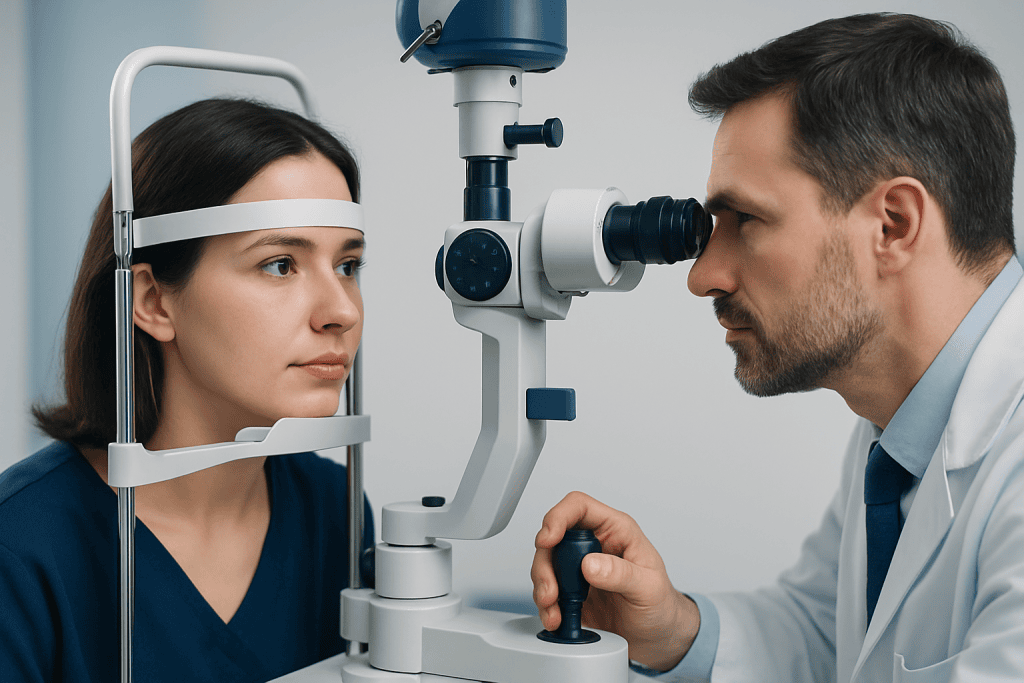
Not every eyelid change needs surgery. In some situations, observation, medication, lubricating drops, or minor office procedures may be enough. A specialist evaluation helps distinguish normal aging from a condition that should be treated.
When symptoms affect daily life, eye protection, or vision, surgery may offer meaningful improvement. The most appropriate plan depends on whether the problem is functional, cosmetic, or both. Many patients have a combination of concerns, and treatment is often individualized to address them together.
Causes & Risk Factors

Because the eye area is highly specialized, even small anatomic changes can affect blinking, tear flow, or eyelid closure. That is why a general cosmetic concern can sometimes have functional consequences, and why a medical evaluation is important before deciding on treatment.
Patients with sudden eyelid drooping, double vision, pain, reduced vision, or swelling after injury should be assessed promptly. These features can point to conditions that need timely diagnosis rather than routine cosmetic care.
Diagnosis
Diagnosis is not limited to identifying the visible problem. The surgeon also considers what is happening underneath the surface, including muscle function, nerve supply, and how the eye is protected during blinking and sleep. This broader assessment helps avoid treatments that might improve appearance but compromise eye comfort or safety.
Patients should share a complete list of symptoms and prior procedures, including contact lens use, dry eye history, and any changes in vision. Clear communication helps the surgeon match the treatment to the patient’s goals and medical needs.
Treatment Options
When the issue is cosmetic, the surgeon still focuses on safety and natural results. Removing too much eyelid skin or changing eyelid position can lead to dryness or incomplete closure, so careful planning matters. In this way, aesthetic and functional goals are often closely linked.
After surgery, patients usually receive instructions on wound care, activity limits, cold compresses, and follow-up visits. Healing times vary by procedure, but swelling and bruising around the eyes are common in the early phase and usually improve gradually. The surgeon will explain what to expect and when normal activities can be resumed.
Prevention & Self-care
It is also helpful to sleep with the head slightly elevated if recommended, since this may reduce swelling in the early recovery period. Makeup, contact lenses, and heavy exercise are often delayed until the surgeon confirms that healing is sufficient.
Good communication with the care team supports a smooth recovery. Patients should ask when it is safe to drive, return to work, or resume exercise, since these timelines differ by procedure and by individual healing.
When to See a Doctor
Even when a problem seems minor, an assessment can be reassuring. Some eyelid changes are best observed, while others are more effectively treated before they cause irritation or visual strain. A careful exam helps determine the safest path forward.
If a symptom is new, one-sided, or associated with eye pain or vision change, it should not be ignored. A medical review can distinguish routine eyelid changes from problems that need attention.
Frequently asked questions
What does an oculoplastic surgeon treat?
An oculoplastic surgeon treats problems of the eyelids, tear ducts, eye socket, and nearby facial tissues. This includes both functional conditions, such as drooping lids or blocked tear ducts, and reconstructive or cosmetic concerns. The specialist’s focus is protecting the eye while improving structure and appearance.
Is oculoplastic surgery only cosmetic?
No. Many oculoplastic procedures are medically necessary because they improve vision, eye closure, tear drainage, or healing after injury or disease. Cosmetic treatment is only one part of the field, and it is usually planned with eye function in mind.
How is oculoplastic surgery different from regular eyelid surgery?
Oculoplastic surgery is performed by a specialist trained in both eye care and facial reconstruction around the eye. Regular eyelid surgery may address simpler cosmetic concerns, while oculoplastic procedures often involve more complex anatomy, eye protection, or tear drainage issues. This specialized training can be important when function and appearance both matter.
What is recovery usually like after oculoplastic surgery?
Recovery depends on the procedure, but mild swelling, bruising, and temporary tightness are common. Most patients receive instructions about cleaning the area, using cold compresses if advised, and avoiding strain for a period of time. Follow-up visits help ensure that healing is progressing as expected.
Can oculoplastic surgery improve dry eye or tearing?
It can, if the tearing is caused by an eyelid position problem or a blocked tear drainage system. Some procedures help the eyelid close better or restore more normal tear flow. Dry eye symptoms should be evaluated carefully, because the best treatment depends on the underlying cause.
When should a person seek medical advice for an eyelid problem?
Medical advice is recommended if the eyelid change affects vision, eye comfort, or eye closure, or if it appears suddenly. Pain, double vision, swelling after injury, or a new lump should be assessed promptly. A specialist can determine whether observation, medical treatment, or surgery is most appropriate.
References
- American Academy of Ophthalmology
- Mayo Clinic
- National Eye Institute
- Merck Manual Professional Edition
This article is for general information only and is not a substitute for professional medical advice. Please consult a qualified doctor about your individual situation.
Oculoplastic Surgery in Turkey — costs, top hospitals & a free quote
JCI-accredited · board-certified surgeons · reply within 24h
Add us as a Preferred Source to see more of our trusted health content across Google Search, AI Overviews and Discover.

Related Treatments
Related Conditions
More from the Health Library



Related Specialists

Prof. Dr. Şükrü Yazar
Aesthetic Plastic & Reconstructive Surgery
Assoc. Prof. Dr. Erdem Güven (m)
Aesthetic Plastic & Reconstructive Surgery
Prof. Dr. Hakan Ağır
Aesthetic Plastic & Reconstructive Surgery
Prof. Dr. Bülent Saçak
Aesthetic Plastic & Reconstructive Surgery