

Stomach Reduction Without Surgery: Options, Limits, and Results

Non-surgical stomach reduction is designed to reduce stomach capacity or slow eating, not replace healthy habits. Options are usually temporary and may include endoscopic devices or other doctor-guided weight-loss treatments.
Key Takeaways
- Non-surgical stomach reduction is designed to reduce stomach capacity or slow eating, not replace healthy habits.
- Options are usually temporary and may include endoscopic devices or other doctor-guided weight-loss treatments.
- Results vary, and long-term success depends on diet, activity, and behavior changes.
- Not everyone is a candidate; eligibility depends on BMI, health history, and treatment goals.
- A qualified bariatric or gastroenterology team can help choose the safest option.
Stomach reduction without surgery refers to non-surgical treatments that help some people feel full sooner and eat smaller portions. These approaches are not permanent solutions, but they can support weight loss when combined with nutrition, activity, and follow-up care.
Overview
Stomach reduction without surgery describes treatments that may help a person feel full with less food, without making permanent surgical changes to the stomach. These methods are often considered for people who have not reached their weight goals with lifestyle changes alone and want a less invasive approach than bariatric surgery.
The best-known non-surgical options are endoscopic or device-based treatments, such as a gastric balloon, which sits in the stomach temporarily and can support portion control. In some cases, doctors may also discuss broader obesity care pathways, including supervised nutrition, medication, and structured follow-up, to address the causes of weight gain rather than focusing on the stomach alone. For those comparing options, a general overview of obesity treatment can help place these approaches in context.
It is important to understand that “stomach reduction” without surgery does not usually shrink the stomach permanently. Instead, it aims to change how quickly a person feels satisfied, how much they can comfortably eat, or how they eat, so that healthier habits become easier to maintain.
Symptoms

There are no symptoms that require a person to have stomach reduction without surgery. Rather, the treatment is considered when excess weight or obesity is affecting health, mobility, energy, sleep, or daily life, and smaller portions may help support weight loss.
People commonly notice patterns such as frequent hunger, difficulty feeling full, emotional eating, or repeated weight regain after dieting. Some also describe frustration with large portions, nighttime snacking, or reduced confidence in maintaining long-term lifestyle changes.
When weight is affecting health, signs may include breathlessness with activity, joint discomfort, snoring, reflux, elevated blood pressure, or abnormal blood sugar. These concerns do not automatically mean a person needs a procedure, but they are a reason to discuss evidence-based weight management with a clinician.
Causes & Risk Factors
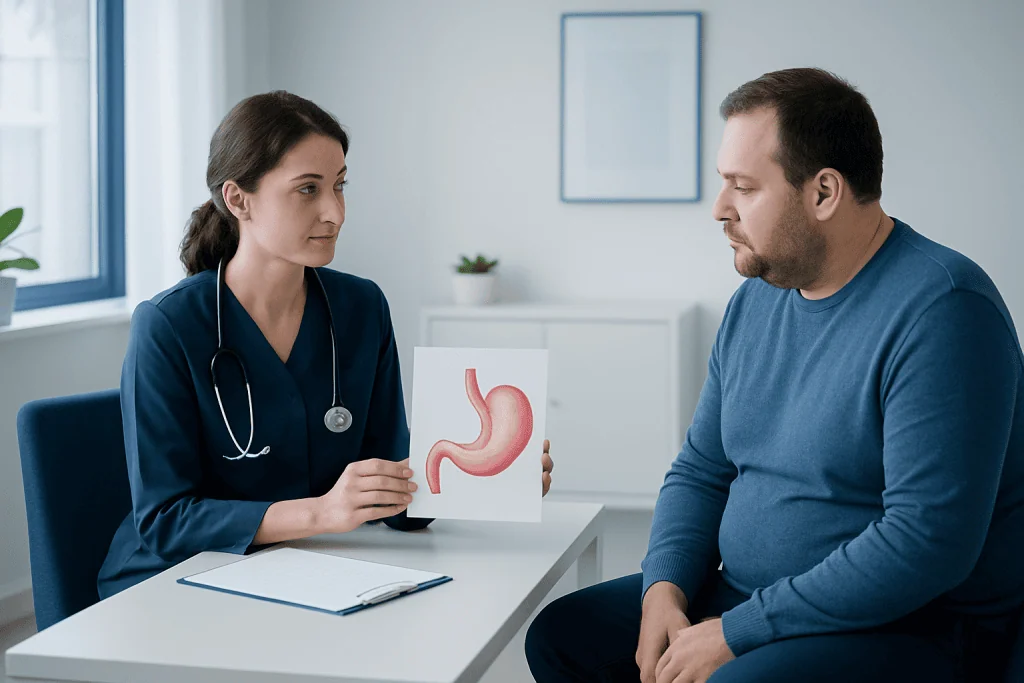
Weight gain and obesity usually develop from a mix of factors rather than a single cause. Genetics, food environment, sleep, stress, hormones, medications, reduced physical activity, and emotional health can all influence appetite and body weight.
Non-surgical stomach reduction is more often considered when a person has persistent obesity and has not had enough success with diet and exercise alone. It may also be discussed when a person prefers a reversible or temporary option, or when a doctor feels a less invasive treatment is appropriate before considering surgery.
Risk factors for poor weight control can include a family history of obesity, frequent ultra-processed food intake, sedentary routines, short sleep, binge-eating patterns, or certain medical conditions. A careful evaluation helps the care team decide whether an endoscopic option, medication, behavioral treatment, or surgery is most suitable.
Diagnosis
Before recommending any treatment, doctors usually assess a person’s overall health, weight history, body mass index, eating habits, and previous attempts at weight loss. They also look for conditions that may be contributing to weight gain or affected by weight, such as diabetes, sleep apnea, reflux, or high blood pressure.
Tests may include basic blood work, a review of medications, and sometimes additional evaluations to understand gastrointestinal symptoms or nutritional status. If an endoscopic procedure is being considered, the specialist may also review stomach anatomy and assess whether the person is safe for sedation and follow-up care.
This step is important because stomach reduction without surgery is not a one-size-fits-all approach. The right plan depends on the person’s goals, medical history, and ability to commit to the dietary and behavioral changes that support results.
Treatment Options
Non-surgical stomach reduction most commonly refers to endoscopic or device-based treatments that temporarily limit how much food the stomach can hold or how quickly a person feels full. The most familiar example is the gastric balloon, which is placed and removed without open surgery and is usually intended for a limited time. A specialist may also discuss gastric balloon treatment as part of a broader weight-management plan.
Other procedures may involve endoscopic techniques that help reduce stomach volume or support satiety in selected patients. In some cases, doctors discuss related weight-loss procedures for comparison, including gastric banding or gastric sleeve surgery, although those are surgical approaches and are not the same as non-surgical stomach reduction.
Results depend heavily on follow-up care. Most programs pair the procedure with nutrition counseling, behavior coaching, physical activity guidance, and regular check-ins. Without these supports, weight loss is usually less durable, and regained weight can be common after the device is removed or the treatment window ends.
These options can help some people start losing weight, but they are not a shortcut. Their best use is as a tool that makes healthier portion sizes and routines more achievable while the person builds long-term habits.
Prevention & Self-care
There is no way to guarantee weight loss or prevent weight regain after a non-surgical stomach reduction procedure, but healthy routines can improve the chance of success. A structured eating pattern with smaller meals, adequate protein, fiber-rich foods, and fewer liquid calories often supports fullness and portion control.
Mindful eating also matters. Eating slowly, avoiding distractions, stopping at comfortable fullness, and planning meals ahead of time may help people notice hunger and satiety cues more clearly. Regular movement, even in modest amounts, can support weight management and overall health.
Self-care also includes sleep, stress management, hydration, and follow-up with the care team. If nausea, reflux, vomiting, constipation, or difficulty eating develops after a device-based treatment, the person should contact the treating clinician promptly so the plan can be adjusted safely.
When to See a Doctor
A doctor’s advice is appropriate if weight is affecting health or quality of life, or if repeated efforts at weight loss have not been sustainable. A consultation can help determine whether non-surgical stomach reduction, medication, lifestyle therapy, or bariatric surgery is the most appropriate next step.
Medical evaluation is especially important for people with diabetes, sleep apnea, heart disease, significant reflux, a history of stomach or intestinal problems, or eating disorders. These conditions can influence treatment choice and safety.
It is also wise to seek prompt medical review if there are persistent symptoms after a procedure, such as dehydration, severe abdominal pain, repeated vomiting, trouble swallowing, or inability to keep fluids down. In the right setting, experienced teams can help international patients through diagnosis and treatment, and Acibadem International offers multidisciplinary specialists and JCI-accredited hospitals for this care.
Results and Limits
Non-surgical stomach reduction can support meaningful short-term weight loss for some patients, especially when it helps them start eating smaller portions and stay engaged with care. However, the effects are usually temporary and depend on the person’s habits, medical follow-up, and willingness to make lasting lifestyle changes.
The limits are important to understand. These treatments do not cure obesity, and they do not work equally well for everyone. Some people may need additional support with medication, counseling, or eventually surgery if the weight-related health risks remain high.
For many patients, the greatest value of these approaches is that they create a window of opportunity for change. That window can be very helpful, but the long-term outcome still depends on what happens after the device is removed or the treatment course ends.
Frequently asked questions
What does stomach reduction without surgery mean?
It refers to non-surgical treatments that help a person feel full sooner or eat smaller portions. These methods may include temporary devices placed in the stomach or other endoscopic approaches. They are usually part of a broader weight-management plan, not a stand-alone cure.
Is a gastric balloon the same as surgery?
No, a gastric balloon is not surgery. It is placed through the mouth using an endoscopic technique and removed later, so it is temporary and less invasive than an operation. A doctor can explain whether it is appropriate for a specific patient.
How much weight can a person lose with non-surgical stomach reduction?
Results vary widely and depend on many factors, including the treatment chosen, starting weight, and commitment to diet and exercise changes. It is best to think of these options as tools that support weight loss, not guarantees of a specific result. A qualified clinician can discuss realistic expectations based on the individual case.
Who is a good candidate for these treatments?
Candidates are usually people with obesity or weight-related health concerns who have not had enough success with lifestyle measures alone. Suitability depends on medical history, eating patterns, and whether the person can commit to follow-up care. A full evaluation is needed before any recommendation is made.
Can the stomach be permanently reduced without surgery?
In most cases, no. Non-surgical approaches are usually temporary and are meant to help with fullness and portion control during a limited treatment period. Long-term success relies on habits that continue after the procedure ends.
What happens after the treatment is finished?
After the treatment period, the care team usually focuses on maintaining weight loss with nutrition guidance, physical activity, and regular monitoring. Some people may also need medication or other support to prevent regain. Ongoing follow-up is often the key to lasting benefit.
References
- World Health Organization
- National Institute of Diabetes and Digestive and Kidney Diseases
- American Society for Metabolic and Bariatric Surgery
- Mayo Clinic
This article is for general information only and is not a substitute for professional medical advice. Please consult a qualified doctor about your individual situation.
Stomach Reduction Without Surgery in Turkey — costs, top hospitals & a free quote
JCI-accredited · board-certified surgeons · reply within 24h
Add us as a Preferred Source to see more of our trusted health content across Google Search, AI Overviews and Discover.
Check your numbers in seconds
BMI, calories, due date, blood pressure and 30+ more clinical calculators — free, instant, doctor-reviewed ranges.

Bariatric & Metabolic Surgery
Surgical and endoscopic treatments for obesity and metabolic conditions.
Related Treatments
Related Conditions
More from the Health Library



Related Specialists

Prof. Dr. Tayfun Karahasanoğlu
General Surgery
Prof. Dr. Güralp Onur Ceyhan
General Surgery
Prof. Dr. Volkan Özben
General Surgery
Assoc. Prof. Dr. Halil Kara
General Surgery