Cancer Symptoms: Warning Signs You Should Not Ignore

Cancer symptoms can be general, such as fatigue or weight loss, or related to one body area, such as a lump or a change in bowel habits. Many warning signs are caused by non-cancer conditions, but symptoms that are unexplained, persistent, or worsening should be checked by a doctor.
Key Takeaways
- Cancer symptoms can be general, such as fatigue or weight loss, or related to one body area, such as a lump or a change in bowel habits.
- Many warning signs are caused by non-cancer conditions, but symptoms that are unexplained, persistent, or worsening should be checked by a doctor.
- Early evaluation can lead to earlier diagnosis, which may improve treatment options for some cancers.
- Routine screening is important because some cancers may not cause symptoms in early stages.
- A person's age, family history, lifestyle, and past medical history can affect cancer risk.
Cancer symptoms vary widely and often have causes other than cancer, but some warning signs should not be ignored. Knowing what to watch for can help a person seek medical advice promptly and get the right tests if needed.
Overview
Cancer symptoms are changes in the body that may happen when abnormal cells grow and interfere with normal tissues or organ function. These symptoms are not the same in every person, and many are also common in non-cancer conditions. For that reason, symptoms alone cannot confirm cancer, but they can be a useful signal that medical assessment is needed.
Some cancers cause local symptoms, such as a lump, skin change, bleeding, or ongoing pain in one area. Others lead to more general symptoms, including tiredness, unexplained weight loss, loss of appetite, or fever. A person may have one symptom, several symptoms together, or no symptoms at all in the early stages.
It is important to remember that most warning signs do not automatically mean cancer. Infections, hormonal changes, digestive conditions, and many benign growths can cause similar complaints. Still, a symptom that is new, persistent, unexplained, or getting worse deserves attention rather than delay.
Common Cancer Symptoms and Warning Signs
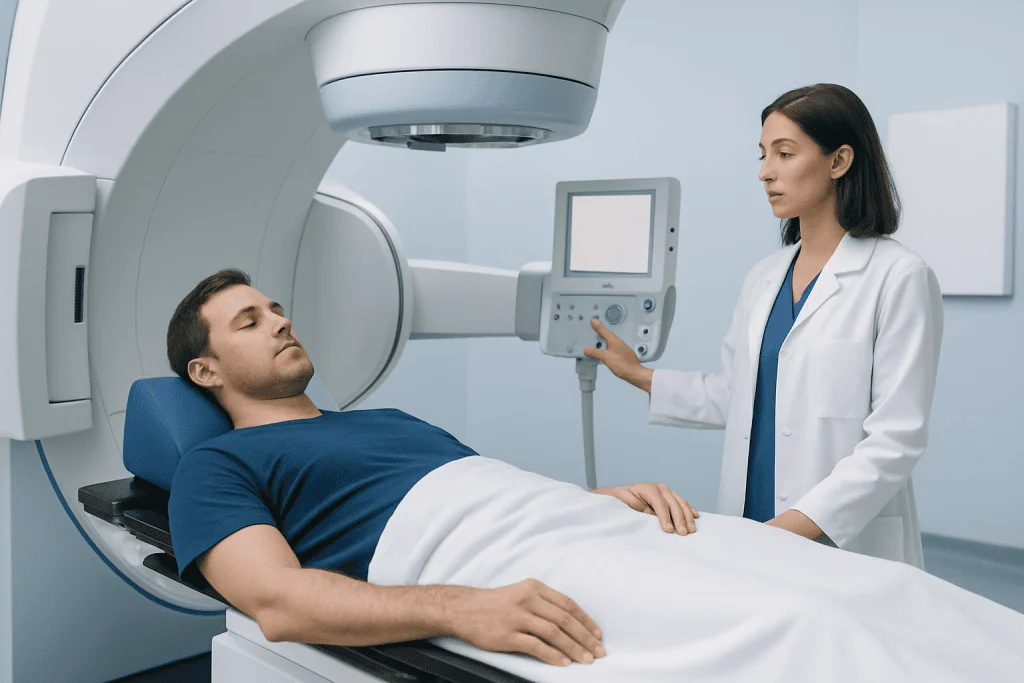
There is no single symptom that points to all cancers, but some warning signs are seen more often across different types. These should be considered especially important if they last for several weeks, return repeatedly, or do not improve with usual care.
Common warning signs of cancer may include:
- Unexplained weight loss
- Persistent fatigue or weakness
- A new lump or thickening anywhere in the body
- Unusual bleeding or bruising
- A sore that does not heal
- Changes in bowel or bladder habits
- A cough, hoarseness, or shortness of breath that lasts
- Difficulty swallowing or ongoing indigestion
- Changes in a mole or other skin lesion
- Persistent pain without a clear cause
Symptoms can also vary by cancer type. For example, breast cancer may present with a breast lump or skin dimpling, colon cancer may cause blood in the stool or a change in bowel habits, and lung cancer may lead to a persistent cough or chest discomfort. Blood cancers may cause frequent infections, easy bruising, or unusual tiredness.
Some symptoms are subtle. A person may notice reduced stamina, clothes fitting differently because of weight loss, or a vague feeling that something is not right. While these signs are not specific, they should be discussed with a doctor if they continue.
Symptoms That Depend on the Affected Area

Cancers often cause symptoms related to the organ or body system involved. A lump in the neck may be linked to the thyroid, lymph nodes, or nearby structures. Pelvic pain or abnormal vaginal bleeding may suggest a gynecologic problem. Blood in the urine may come from the kidneys, bladder, or prostate. Because symptoms can overlap between conditions, location matters but does not give a diagnosis on its own.
Skin changes are another important example. A mole that becomes larger, changes color, develops an irregular border, or bleeds should be examined. In the digestive system, warning signs can include trouble swallowing, ongoing bloating, persistent abdominal pain, black stools, or blood in the stool. In the lungs, a cough that does not settle, coughing up blood, wheezing, or repeated chest infections may need further testing.
Neurologic symptoms can also sometimes be relevant. Ongoing headaches that are new or worsening, unexplained seizures, weakness in an arm or leg, or changes in vision should be assessed urgently. These symptoms have many possible causes, but they should not be ignored.
Because some organ-specific symptoms are linked to common cancers, doctors may recommend targeted evaluation such as breast cancer treatment planning after a diagnosis, colon cancer treatment for bowel-related cancers, or lung cancer treatment when imaging and biopsy confirm disease. The right next step depends on the test results and the person’s overall health.
Causes and Risk Factors
Cancer develops when cells acquire changes that allow them to grow uncontrollably and avoid the normal signals that stop damaged cells from multiplying. These changes may happen over time due to aging, inherited genetic factors, environmental exposures, or a combination of influences. Symptoms appear when the growing cancer affects tissues, causes bleeding, blocks an organ, triggers inflammation, or changes body chemistry.
Several factors can raise a person’s risk of developing cancer. These include tobacco use, heavy alcohol use, obesity, low physical activity, unhealthy diet patterns, excessive sun exposure, certain viral infections, radiation exposure, and occupational contact with harmful chemicals. Family history can also be important, particularly when multiple close relatives have had the same or related cancers.
Age is another major factor, because many cancers become more common later in life. However, cancer can also occur in younger adults and, more rarely, in children. Having a risk factor does not mean a person will develop cancer, and having no obvious risk factors does not rule it out.
People with known inherited syndromes or a strong family history may be advised to have earlier or more frequent screening. In some situations, doctors may refer a person for genetic counseling to better understand personal risk and prevention options.
How Doctors Diagnose the Cause of Symptoms
When a person reports possible cancer symptoms, the first step is usually a detailed medical history and physical examination. The doctor asks when the symptom started, whether it is getting worse, what makes it better or worse, and whether there are related changes such as fever, weight loss, bleeding, or pain. Personal habits, medications, family history, and previous illnesses also help guide the evaluation.
Depending on the symptom, tests may include blood work, urine tests, stool tests, imaging scans such as ultrasound, CT, MRI, or mammography, and procedures such as endoscopy or colonoscopy. If a suspicious area is found, a biopsy is often needed. A biopsy means taking a small tissue sample so a pathologist can examine the cells under a microscope. This is the main way to confirm whether cancer is present.
Some symptoms may lead doctors to investigate related conditions that can look similar. For example, enlarged lymph nodes, fatigue, and repeated infections might raise concern for lymphoma or for a non-cancerous infection. Likewise, digestive bleeding could point to colon cancer but can also be caused by hemorrhoids, ulcers, or inflammatory bowel disease.
If cancer is diagnosed, further testing is usually done to determine its type, size, and whether it has spread. This process, called staging, helps the medical team choose the most suitable treatment plan.
Treatment Options if Cancer Is Found
Treatment depends on the cancer type, stage, location, genetic features, and the person’s age and general health. Common options include surgery, chemotherapy, radiation therapy, targeted therapy, immunotherapy, hormone therapy, or a combination of these. Some people need one main treatment, while others benefit from a carefully sequenced plan.
The goal of treatment may be to remove or destroy the cancer, control its growth, reduce symptoms, or improve quality of life. Doctors also consider possible side effects, expected benefits, and the patient’s preferences. Supportive care, such as pain control, nutrition support, and emotional care, is an important part of treatment at every stage.
For blood-related cancers or complex cases, advanced therapies may be considered in selected patients, including bone marrow transplantation. In all cases, treatment decisions are made after careful review of pathology, imaging, and overall health status.
International patients who need evaluation or treatment may seek care at experienced centers. Acibadem International’s multidisciplinary specialists and JCI-accredited hospitals diagnose and treat many types of cancer, with care plans tailored to the individual patient.
Prevention, Screening, and Self-Care
Not all cancers can be prevented, but healthy habits can lower risk. Avoiding tobacco is one of the most important steps. Maintaining a healthy weight, staying physically active, eating a balanced diet, limiting alcohol, protecting the skin from excessive sun exposure, and keeping up to date with recommended vaccines can also help.
Screening is essential because some cancers cause no symptoms in the early stages. Depending on age, sex, family history, and personal risk factors, a doctor may recommend screening tests such as mammography, cervical screening, colonoscopy, stool-based colorectal screening, skin checks, or low-dose CT for selected people at high risk for lung cancer. Screening aims to detect cancer before symptoms appear or when treatment may be simpler.
Self-care also means paying attention to the body without becoming overly worried about every change. It can help to note when symptoms started, how often they happen, and whether they are changing. This information can be useful at a medical visit.
Avoiding delay is an important part of self-care. If a symptom is unexplained, persistent, or concerning, professional advice is the safest next step rather than relying only on home remedies or internet searches.
When to See a Doctor
A doctor should be consulted if a person notices a new lump, unexplained bleeding, a sore that will not heal, a significant change in bowel or bladder habits, a persistent cough, difficulty swallowing, unusual tiredness, or unexplained weight loss. These symptoms do not always mean cancer, but they do need proper evaluation, especially if they continue beyond a short period or worsen over time.
Urgent medical attention is especially important for coughing up blood, black or bloody stools, severe shortness of breath, sudden neurologic symptoms such as weakness or seizures, or heavy abnormal bleeding. These signs can be linked to serious conditions, whether cancer-related or not.
People should also speak with a doctor if they have a strong family history of cancer or if they are overdue for routine screening. In many cases, early conversation leads to reassurance or timely treatment of a problem that may be easier to manage when found sooner.
Seeking help early is not about assuming the worst. It is a practical step toward understanding the cause of a symptom and making informed decisions about health.
Frequently asked questions
What are the most common cancer symptoms?
Common cancer symptoms include unexplained weight loss, persistent fatigue, unusual bleeding, a new lump, a cough that does not go away, changes in bowel habits, and skin changes. These symptoms can also happen with many non-cancer conditions, so they need medical assessment rather than self-diagnosis.
Does having one warning sign mean a person has cancer?
No. Most warning signs of cancer are not specific and often have other explanations, such as infection, inflammation, hormonal changes, or benign growths. The key concerns are when a symptom is persistent, unexplained, recurring, or getting worse.
How long should cancer symptoms be ignored before seeing a doctor?
Symptoms should not be ignored if they last for several weeks, worsen, or cause concern. Some symptoms, such as coughing up blood, black stools, severe shortness of breath, or new neurologic problems, should be assessed urgently.
Can cancer be present without symptoms?
Yes. Some cancers cause no symptoms in the early stages, which is why routine screening is so important. Screening tests can sometimes detect cancer or precancerous changes before a person notices any warning signs.
What tests are used to check possible cancer symptoms?
Doctors may use a physical examination, blood tests, urine or stool tests, imaging scans, endoscopy, or other procedures depending on the symptom. If an abnormal area is found, a biopsy is usually needed to confirm whether cancer is present.
Are cancer symptoms different in women and men?
Some symptoms are similar in everyone, such as weight loss, fatigue, lumps, or unexplained pain. Others may relate to sex-specific organs, such as abnormal vaginal bleeding, breast changes, or urinary symptoms linked to the prostate.
References
- World Health Organization
- American Cancer Society
- National Cancer Institute
- Mayo Clinic
- Centers for Disease Control and Prevention
This article is for general information only and is not a substitute for professional medical advice. Please consult a qualified doctor about your individual situation.
Oncology care in Turkey — second opinion and treatment plan
JCI-accredited · board-certified surgeons · reply within 24h
Add us as a Preferred Source to see more of our trusted health content across Google Search, AI Overviews and Discover.