Diagnostic Testing in Turkey: What International Patients Should Know
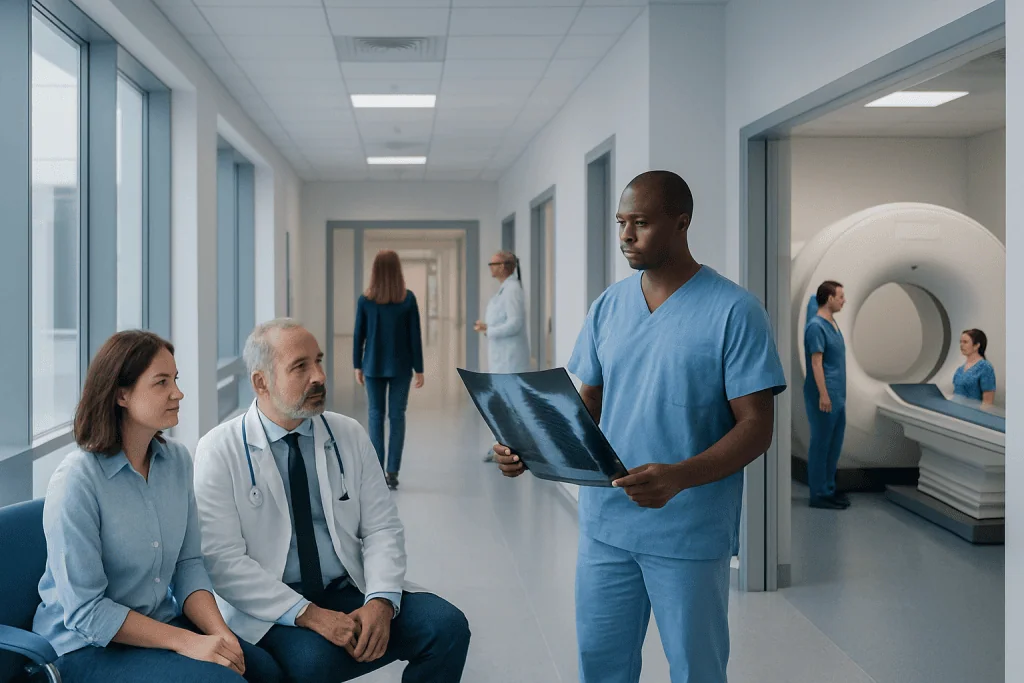
Diagnostic testing may include blood tests, ultrasound, MRI, CT, endoscopy, and specialist evaluations depending on symptoms and health goals. A good diagnostic plan starts with medical history, previous records, and clear questions about the purpose of each test.
Key Takeaways
- Diagnostic testing may include blood tests, ultrasound, MRI, CT, endoscopy, and specialist evaluations depending on symptoms and health goals.
- A good diagnostic plan starts with medical history, previous records, and clear questions about the purpose of each test.
- Preparation matters because some tests require fasting, medication adjustments, contrast agents, or short recovery time.
- International patients should ask how results will be explained, whether translation is available, and what follow-up is needed after returning home.
- Choosing an experienced center with coordinated specialties can make testing more efficient when several exams are needed.
Diagnostic testing in Turkey can include imaging, laboratory studies, screening exams, and specialist assessments arranged for international patients. Understanding how testing is chosen, prepared for, and followed up can help patients travel with more confidence and make informed decisions.
Overview of diagnostic testing in Turkey
Diagnostic testing in Turkey refers to the medical exams used to understand symptoms, confirm a diagnosis, monitor a known condition, or support preventive health screening. For international patients, this may involve a single test such as an MRI or blood panel, or a more structured evaluation that combines imaging, laboratory studies, and specialist consultations over a few days.
The right tests depend on the person’s age, symptoms, medical history, and treatment goals. Some people travel for a second opinion after unclear results at home, while others seek faster access to advanced imaging, screening, or pre-treatment evaluation. In many cases, the most useful approach is not simply doing more tests, but choosing the most appropriate ones in the correct order.
Turkey offers a wide range of diagnostic services in private and university-affiliated healthcare settings, including radiology, pathology, cardiology testing, endoscopy, and genetic or specialized laboratory analysis. International patients often benefit from coordinated scheduling, which can reduce delays between the first consultation, testing, and discussion of results.
What types of tests may be offered
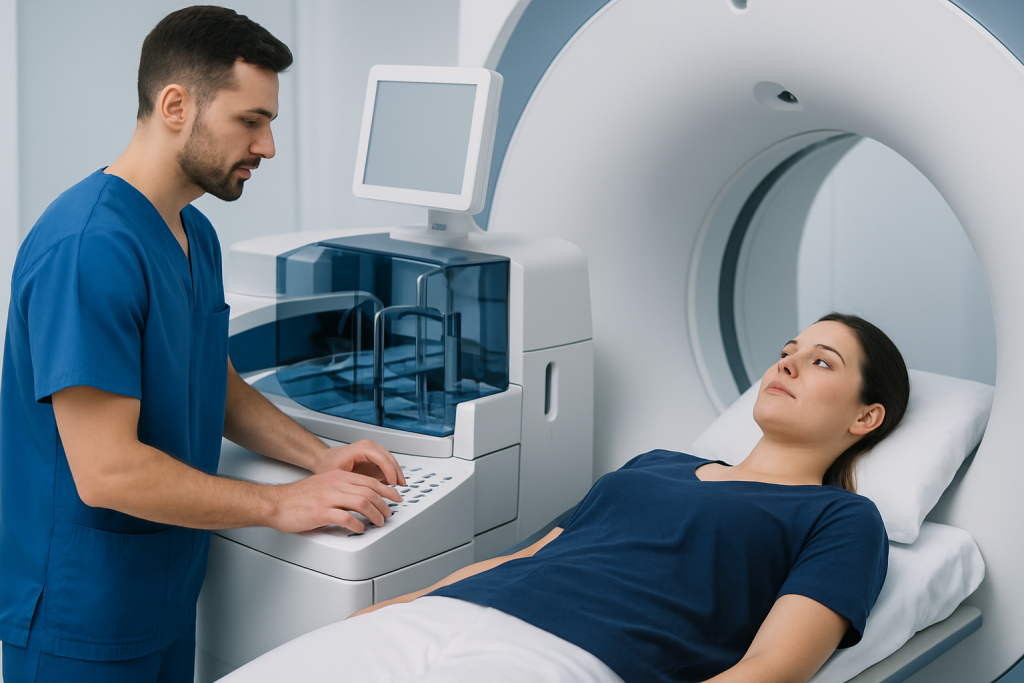
Diagnostic testing can be grouped into several broad categories. Laboratory tests examine blood, urine, stool, or tissue samples to look for infection, inflammation, anemia, hormone imbalance, organ function changes, or markers that may guide further assessment. Imaging tests create pictures of internal organs and structures and may include X-ray, ultrasound, mammography, CT, MRI, PET-CT, and other nuclear medicine studies when medically appropriate.
Functional tests assess how an organ works rather than only how it looks. Examples include electrocardiography, echocardiography, stress testing, lung function tests, sleep studies, and nerve conduction studies. Endoscopic procedures such as gastroscopy, colonoscopy, bronchoscopy, or cystoscopy allow a doctor to view internal surfaces directly and, if needed, take a biopsy for pathology testing.
For some patients, testing is part of a broader diagnostic pathway. A person with abdominal pain may need blood tests and ultrasound first, while someone with chronic headaches may be assessed with neurological examination and MRI scanning if clinically indicated. Others may travel specifically for a structured health check-up or for advanced imaging such as PET-CT imaging when recommended by their doctor.
- Laboratory tests: blood counts, liver and kidney function, glucose, hormones, infection markers
- Imaging: ultrasound, X-ray, CT, MRI, mammography, PET-CT
- Procedural tests: endoscopy, biopsy, pathology review
- Functional tests: ECG, echocardiogram, lung function, sleep study
Who may benefit and why international patients seek testing

People seek diagnostic testing for different reasons. Some have new symptoms such as pain, fatigue, bleeding, weight change, cough, or neurological complaints that need evaluation. Others already have a diagnosis and need staging, monitoring, or preoperative assessment. There are also patients with a family history of certain diseases who want screening or risk-based preventive testing.
International patients may consider testing abroad when they want a comprehensive evaluation in a single trip, faster scheduling, or access to multiple specialists at one center. This can be especially useful when symptoms involve more than one body system or when prior tests have not fully explained the problem. In these situations, coordinated review by radiology, internal medicine, surgery, cardiology, neurology, or oncology can help clarify the next steps.
Testing can also support follow-up of conditions that are already known, such as breast cancer, coronary artery disease, or thyroid cancer, when imaging or lab monitoring is part of ongoing care. However, not every symptom needs extensive testing, and a careful first consultation is often the best way to decide what is truly necessary.
How diagnosis is planned before travel
Before traveling, patients should share as much relevant information as possible. Useful records include a summary of symptoms, current medications, allergies, past medical history, operation notes, pathology reports, CDs or digital copies of previous scans, and recent blood test results. Sending these in advance can help the medical team decide whether the proposed tests are appropriate and whether some studies may need to be repeated for technical reasons.
It is also sensible to ask practical questions before the trip. Patients may want to know how many days testing is expected to take, whether fasting is required, if sedation may be used, and whether there are any restrictions after the test. People with diabetes, kidney disease, pregnancy, implanted devices, bleeding disorders, or contrast allergies should mention this early because it may affect test choice or preparation.
Another important point is understanding the goal of each test. Some exams are used to confirm a suspected diagnosis, while others are done to rule out urgent problems or prepare for a procedure. Asking what each test can and cannot show helps patients have realistic expectations and reduces confusion if a normal result still means further evaluation is needed.
What happens during the diagnostic process
Most diagnostic pathways begin with consultation and examination. The doctor listens to the patient’s symptoms, reviews prior records, and decides which tests are most useful. This step is important because the same symptom can have many causes, and test results are best interpreted in clinical context rather than in isolation.
After a test is ordered, the patient receives preparation instructions. For blood tests, this may include fasting or timing around medications. For imaging, there may be guidance on removing metal objects, drinking water before a pelvic ultrasound, or avoiding food before contrast studies. Some procedures, including certain endoscopies, may involve sedation and require a companion or short observation period afterward.
Results may be available on the same day for routine blood tests or simple imaging, while more complex studies such as biopsies, pathology review, or advanced imaging interpretation can take longer. In many cases, the most valuable part of the process is the follow-up discussion, when the doctor explains what was found, whether the results answer the original question, and what options come next. If needed, further review with specialists such as radiology, pathology, gastroenterology, cardiology, or oncology may be arranged.
Safety, accuracy, and questions to ask
Patients often focus on speed, but quality and safety are equally important. A reliable diagnostic service should use appropriate equipment, qualified staff, clear patient identification, and careful reporting standards. Accuracy depends not only on technology but also on whether the right test was chosen, whether the patient prepared correctly, and whether the result is interpreted by experienced clinicians.
Some tests involve special considerations. CT and nuclear medicine studies use ionizing radiation, so they should be performed only when the expected benefit outweighs the risk. Contrast dyes used in CT or MRI may not be suitable for everyone, especially patients with certain allergies or kidney problems. Invasive tests such as biopsy or endoscopy also carry small risks, including bleeding, infection, or reactions to sedation, which should be discussed in advance.
Helpful questions include:
- Why is this test recommended, and what question is it trying to answer?
- Are there alternatives that may provide similar information?
- How should the patient prepare, and are any medicines affected?
- When will results be ready, and who will explain them?
- What happens if the test is normal, unclear, or abnormal?
It is reasonable for international patients to ask whether reports can be provided in English and whether digital image copies, pathology slides, or discharge summaries will be available for doctors at home.
After results: next steps, follow-up, and self-care
Diagnostic testing is only one part of care. Once results are available, the next step may be reassurance, monitoring, lifestyle advice, medical treatment, or referral for a procedure. Sometimes a test excludes serious disease but does not fully explain symptoms, and further stepwise evaluation is still needed. This does not necessarily mean something was missed; it may simply reflect the complexity of diagnosis.
International patients should leave with a clear written summary of findings, recommended follow-up, and copies of important reports. If treatment is advised, patients can ask whether it should be started immediately, continued at home, or discussed first with their regular doctor. This is particularly important for chronic diseases, cancer evaluation, cardiovascular findings, or surgical planning.
When several specialties are involved, coordinated communication is helpful. Near the end of the journey, patients may also wish to ask about remote follow-up options and how urgent concerns should be handled after travel. Acibadem International’s multidisciplinary specialists and JCI-accredited hospitals diagnose and manage complex conditions for international patients, helping coordinate testing and follow-up when multiple departments are involved.
Frequently asked questions
How long does diagnostic testing in Turkey usually take?
The timeline depends on the type and number of tests. Routine blood work and some imaging may be completed the same day, while biopsies, pathology review, or complex imaging reports can take longer. Patients should ask for an estimated schedule before traveling.
Do international patients need a referral for tests?
Some tests may be arranged after a direct specialist consultation, while others are best ordered after a doctor reviews symptoms and prior records. Even when a referral is not strictly required, a clinical assessment helps ensure the test is appropriate and meaningful.
Is it helpful to bring old scan images and lab reports?
Yes, previous records can be very useful. Comparing old and new results may prevent unnecessary repeat testing and can help doctors understand whether a finding is new, stable, or improving.
Are diagnostic tests painful or risky?
Many tests, such as blood work, ultrasound, and MRI, are usually well tolerated. Some tests involve injections, contrast dyes, sedation, or tissue sampling, so the medical team should explain any small risks and how to prepare safely.
What if the test result is normal but symptoms continue?
A normal result can still be valuable because it may rule out certain conditions. If symptoms persist, the doctor may recommend follow-up, symptom monitoring, or a different type of test based on the full clinical picture.
Can patients receive results in English for doctors in their home country?
Many international centers can provide reports and summaries in English. It is wise to confirm this in advance and ask for digital copies of imaging, pathology, and consultation notes before returning home.
References
- World Health Organization
- American College of Radiology
- Radiological Society of North America
- Centers for Disease Control and Prevention
- MedlinePlus
This article is for general information only and is not a substitute for professional medical advice. Please consult a qualified doctor about your individual situation.
Explore treatments in Turkey — costs, top hospitals & a free quote
JCI-accredited · board-certified surgeons · reply within 24h
Add us as a Preferred Source to see more of our trusted health content across Google Search, AI Overviews and Discover.

More from the Health Library



Related Specialists

Prof. Dr. Ercan Karaarslan
Radiology
Prof. Dr. Bora Peynircioğlu
Interventional Radiology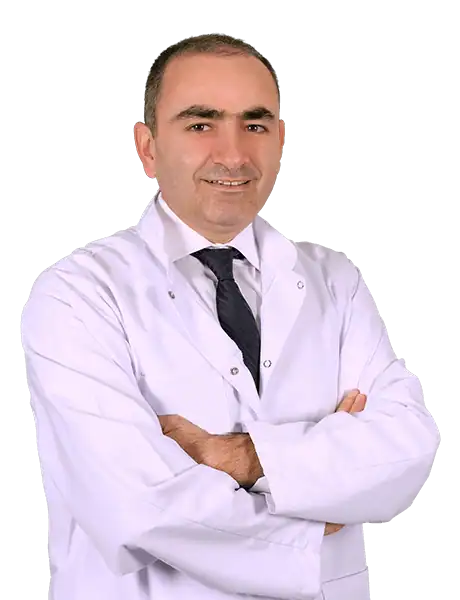
Prof. Dr. Koray Güven
Interventional Radiology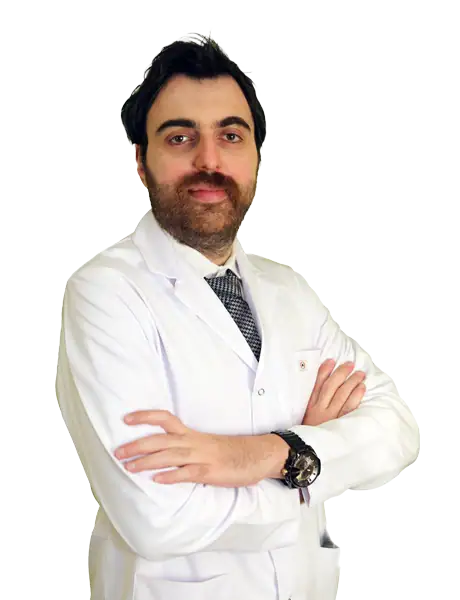
Assoc. Prof. Dr. Deniz Can Aliş
Radiology