Gastrointestinal Disease: Early Symptoms, Diagnosis, and Treatment Options

Gastrointestinal disease includes many different conditions, from indigestion and reflux to inflammatory and structural disorders. Common symptoms include abdominal pain, bloating, nausea, diarrhea, constipation, heartburn, and changes in bowel habits.
Key Takeaways
- Gastrointestinal disease includes many different conditions, from indigestion and reflux to inflammatory and structural disorders.
- Common symptoms include abdominal pain, bloating, nausea, diarrhea, constipation, heartburn, and changes in bowel habits.
- Diagnosis may involve a medical history, physical examination, lab tests, stool tests, imaging, or endoscopic procedures.
- Treatment depends on the cause and may include lifestyle changes, medicines, hydration, dietary support, or procedures.
- Persistent symptoms, unexplained weight loss, bleeding, or severe pain should be assessed by a doctor promptly.
Gastrointestinal disease is a broad term for conditions that affect the digestive tract, including the esophagus, stomach, intestines, liver, pancreas, and gallbladder. Early recognition of symptoms and timely medical evaluation can help identify the cause and guide effective treatment.
Overview of gastrointestinal disease
Gastrointestinal disease refers to a wide range of conditions that affect the digestive system. This system includes the mouth, esophagus, stomach, small intestine, large intestine, rectum, anus, liver, gallbladder, and pancreas. Some conditions are short term, such as a stomach infection, while others are long lasting and may need ongoing care.
Because the digestive system has many parts and functions, symptoms can vary widely. A person may notice heartburn, nausea, abdominal discomfort, bloating, diarrhea, constipation, or changes in appetite. In some cases, symptoms are mild and improve quickly. In others, they may persist, come and go, or gradually worsen over time.
Common gastrointestinal diseases include acid reflux, gastritis, peptic ulcers, irritable bowel syndrome, inflammatory bowel disease, celiac disease, gallstones, liver disease, hemorrhoids, and infections of the stomach or intestines. Some people may also develop structural problems such as polyps, strictures, or hernias. Proper evaluation is important because similar symptoms can have different causes.
Although digestive symptoms are common, they should not simply be ignored if they are frequent, troublesome, or changing. Early diagnosis can help reduce discomfort, prevent complications, and support better long-term digestive health.
Early symptoms and warning signs

Early symptoms of gastrointestinal disease often begin gradually. A person may first notice bloating after meals, mild abdominal pain, changes in bowel movements, nausea, or a burning feeling in the chest or upper abdomen. These symptoms may seem minor at first, but when they become recurrent or start affecting daily life, medical advice can be helpful.
Symptoms may differ depending on which part of the digestive tract is involved. Conditions of the esophagus and stomach often cause heartburn, indigestion, nausea, vomiting, or upper abdominal pain. Problems in the intestines may lead to cramping, diarrhea, constipation, urgency, excess gas, or a feeling of incomplete bowel emptying. Liver, gallbladder, and pancreatic disorders may cause pain in the upper abdomen, pale stools, dark urine, or yellowing of the skin and eyes.
Some symptoms deserve particular attention because they may point to a more serious problem. These include blood in the stool, black tarry stools, ongoing vomiting, trouble swallowing, unexplained weight loss, persistent fever, or severe dehydration from diarrhea or vomiting. Feeling faint, unusually weak, or developing sudden severe abdominal pain also requires prompt assessment.
- Heartburn or acid reflux
- Abdominal pain or cramping
- Bloating and excessive gas
- Nausea or vomiting
- Diarrhea or constipation
- Changes in stool color, frequency, or consistency
- Loss of appetite or unintended weight loss
Causes and risk factors
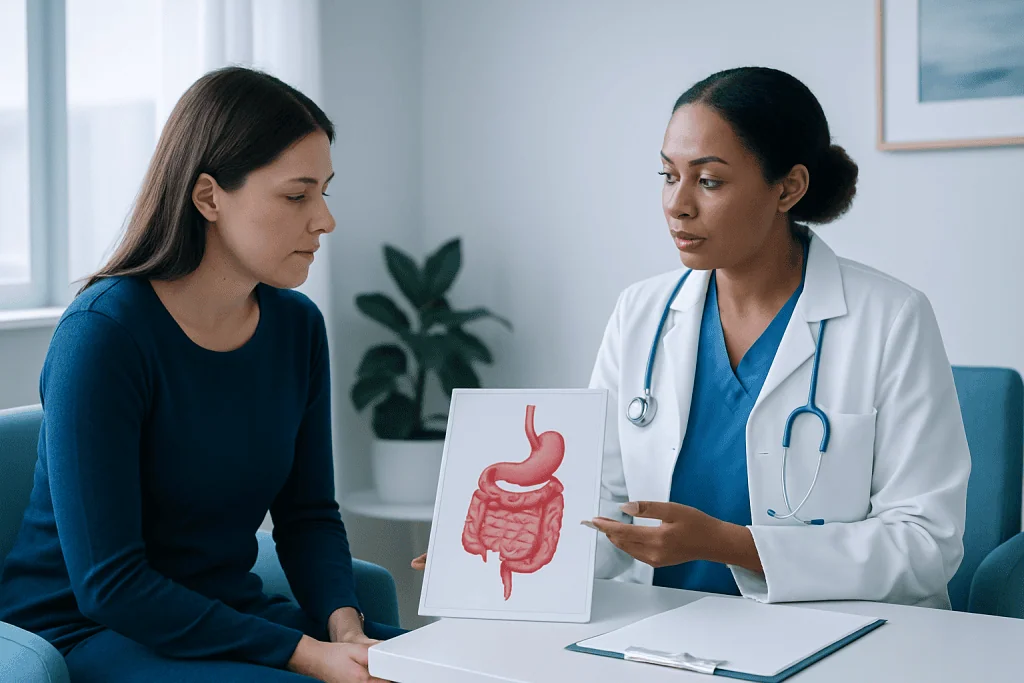
Gastrointestinal disease can develop for many reasons. Infections caused by viruses, bacteria, or parasites are common triggers of short-term digestive illness. Other conditions result from inflammation, autoimmune reactions, food intolerance, altered gut motility, medication side effects, or structural changes within the digestive tract. In some cases, no single cause is identified, and several factors may contribute together.
Lifestyle and diet can influence digestive health. Eating patterns, alcohol use, smoking, low fiber intake, dehydration, and chronic stress may worsen symptoms in some people. Certain medicines, including anti-inflammatory drugs and some antibiotics, can irritate the stomach lining or disrupt normal bowel function. Previous abdominal surgery, family history, and advancing age may also increase the risk of certain gastrointestinal conditions.
Some disorders are linked with immune or inflammatory processes, such as Crohn's disease and ulcerative colitis. Others involve sensitivity to gluten, as in celiac disease, or weakening of normal barriers, as with reflux disease. Gallstones, liver disease, and pancreatic disorders may also be influenced by metabolic factors, body weight, or underlying medical conditions.
Because there are many possible causes, it is important not to assume that all digestive complaints are due to food alone. A careful medical assessment helps identify whether symptoms are related to a temporary upset, a chronic condition, or a disease that needs targeted treatment.
How gastrointestinal disease is diagnosed
Diagnosis starts with a detailed medical history. A doctor will usually ask about the type of symptoms, when they began, whether they are related to meals, and whether there are triggers such as certain foods, medications, travel, or illness in the family. A physical examination can provide additional clues, especially if there is tenderness, bloating, fever, jaundice, or signs of dehydration.
Basic tests may include blood tests to check for infection, inflammation, anemia, liver function, or nutritional deficiencies. Stool tests can help identify infections, hidden blood, inflammation, or problems with digestion. Depending on the symptoms, urine tests, breath tests, or allergy-related testing may also be considered.
Imaging and endoscopic procedures are often used when symptoms are persistent, unexplained, or concerning. These may include ultrasound, computed tomography, magnetic resonance imaging, or direct visualization with endoscopy and colonoscopy. These procedures help doctors examine the lining of the digestive tract, take biopsies if needed, and sometimes treat the problem during the same session.
Diagnosis is not only about naming a condition. It also helps determine severity, rule out urgent problems, and guide the most appropriate treatment plan. For people with ongoing symptoms, follow-up testing may be recommended to monitor progress or confirm that treatment is working.
Treatment options
Treatment for gastrointestinal disease depends on the underlying cause, the severity of symptoms, and the part of the digestive system involved. Many mild conditions improve with rest, hydration, temporary dietary changes, and short-term medicines. More persistent or complex disorders may need long-term medication, nutritional support, or specialist care.
Medicines may be used to reduce stomach acid, control nausea, treat infection, reduce inflammation, regulate bowel movements, or ease abdominal cramping. For example, acid reflux may improve with medicines that lower acid production, while inflammatory conditions may require therapies that calm the immune system. If symptoms are linked to an infection, targeted antimicrobial treatment may be recommended based on clinical findings and test results.
Some gastrointestinal diseases also benefit from dietary management. A doctor or dietitian may advise avoiding trigger foods, increasing fiber gradually, limiting alcohol, or using a medically appropriate elimination diet. Conditions such as irritable bowel syndrome may improve with a structured plan that addresses both nutrition and symptom triggers.
When complications or structural problems are present, procedures may be needed. Endoscopic therapy can sometimes control bleeding, remove polyps, or treat narrowing. In selected cases, surgery may be necessary, such as gallbladder surgery for gallbladder disease or hemorrhoid treatment when conservative measures are not enough. Near the end of the care pathway, some international patients choose evaluation at centers such as Acibadem International, where multidisciplinary specialists in JCI-accredited hospitals diagnose and treat digestive conditions.
Prevention and self-care
Not all gastrointestinal diseases can be prevented, but healthy habits can support digestive function and reduce the risk of some common problems. Regular meals, adequate fluid intake, balanced nutrition, and gradual increases in dietary fiber can help maintain healthy bowel habits. Good food hygiene and careful handwashing also reduce the risk of infectious gastrointestinal illness.
People who are prone to reflux or indigestion may benefit from avoiding large late meals, limiting foods that clearly trigger symptoms, and maintaining a healthy body weight. Reducing alcohol intake and avoiding smoking can also help protect the digestive tract. Stress management may be useful as well, since stress can make some gastrointestinal symptoms feel more intense or more frequent.
Self-care should be guided by common sense and symptom severity. Mild short-term symptoms may improve with rest, fluids, and simple foods. However, over-the-counter remedies should not be used repeatedly without medical advice, especially if symptoms keep returning. It is also important not to start restrictive diets unnecessarily, since they may lead to poor nutrition if not properly supervised.
- Drink enough water, especially during diarrhea or hot weather
- Eat a varied, balanced diet with appropriate fiber
- Wash hands and practice safe food handling
- Limit smoking and alcohol
- Seek advice before long-term use of pain relievers or digestive medicines
When to see a doctor
A doctor should be consulted if digestive symptoms last more than a few days, keep coming back, or interfere with eating, sleeping, work, or daily routines. Ongoing abdominal pain, frequent diarrhea or constipation, repeated vomiting, or worsening heartburn should be assessed to find the cause rather than simply treated at home again and again.
Prompt medical attention is especially important when symptoms are accompanied by warning signs. These include blood in the vomit or stool, black stools, trouble swallowing, yellowing of the skin or eyes, unexplained weight loss, severe weakness, persistent fever, or signs of dehydration such as very little urine, dizziness, or confusion. Sudden severe abdominal pain is also a reason to seek urgent care.
People with known digestive diseases should seek review if symptoms change, if treatment is no longer helping, or if new symptoms develop. Children, older adults, pregnant people, and those with chronic medical conditions may become dehydrated or unwell more quickly, so early assessment can be especially helpful in these groups.
Timely evaluation often brings reassurance as well as treatment. Many gastrointestinal conditions can be managed successfully once the cause is clear and a tailored plan is in place.
Frequently asked questions
What is meant by gastrointestinal disease?
Gastrointestinal disease is a broad term for disorders that affect the digestive system. This includes conditions involving the esophagus, stomach, intestines, liver, gallbladder, pancreas, rectum, and anus.
What are the most common early symptoms of gastrointestinal disease?
Common early symptoms include bloating, abdominal discomfort, heartburn, nausea, diarrhea, constipation, and changes in bowel habits. The exact symptoms depend on which part of the digestive system is affected.
Can gastrointestinal symptoms go away on their own?
Some mild digestive symptoms, especially those caused by a temporary infection or dietary upset, may improve within a short time. Persistent, recurring, or worsening symptoms should be checked by a doctor to rule out an underlying condition.
How is gastrointestinal disease usually diagnosed?
Diagnosis often begins with a medical history and physical examination. Depending on the symptoms, a doctor may recommend blood tests, stool tests, imaging, or procedures such as endoscopy or colonoscopy.
Are all gastrointestinal diseases serious?
No, many digestive conditions are mild and manageable. However, some can become more serious if left untreated, which is why ongoing symptoms, bleeding, or unexplained weight loss should be evaluated.
What lifestyle changes can help digestive health?
Helpful measures often include regular meals, enough water, a balanced diet, good food hygiene, stress management, and avoiding smoking. For some people, identifying and reducing personal food triggers can also improve symptoms.
References
- World Health Organization
- National Institute of Diabetes and Digestive and Kidney Diseases
- American College of Gastroenterology
- National Health Service
- Mayo Clinic
This article is for general information only and is not a substitute for professional medical advice. Please consult a qualified doctor about your individual situation.
Persistent digestive symptoms? Get evaluated in Turkey
JCI-accredited · board-certified surgeons · reply within 24h
Add us as a Preferred Source to see more of our trusted health content across Google Search, AI Overviews and Discover.