Digestive System 101: What It Is and How It Works

The digestive system includes the mouth, esophagus, stomach, small intestine, large intestine, liver, pancreas, and gallbladder. Digestion involves both mechanical breakdown of food and chemical digestion by enzymes and digestive juices.
Key Takeaways
- The digestive system includes the mouth, esophagus, stomach, small intestine, large intestine, liver, pancreas, and gallbladder.
- Digestion involves both mechanical breakdown of food and chemical digestion by enzymes and digestive juices.
- Most nutrient absorption happens in the small intestine, while the large intestine mainly absorbs water and forms stool.
- Healthy digestion is supported by balanced eating, fluids, regular activity, and attention to persistent symptoms.
- Ongoing pain, bleeding, unexplained weight loss, or trouble swallowing should be assessed by a doctor.
The digestive system is the body’s way of turning food and drink into energy, nutrients, and waste. Understanding how it works can help people recognize healthy digestion, support gut health, and know when symptoms may need medical attention.
Overview of the Digestive System
The digestive system is a group of organs that work together to process food and liquids. Its main jobs are to break down what a person eats, absorb useful nutrients into the bloodstream, and remove the remaining waste from the body. This process supports energy, growth, tissue repair, immune function, and overall health.
Digestion begins before food even reaches the stomach. Seeing, smelling, or tasting food can trigger saliva production and prepare the body for digestion. Once food is swallowed, a carefully coordinated series of muscular movements, enzymes, acids, and hormones helps move it along the digestive tract.
The digestive tract, also called the gastrointestinal tract, is a long tube that starts at the mouth and ends at the anus. Supporting organs such as the liver, pancreas, and gallbladder do not carry food directly through them, but they play essential roles by producing substances that help digest fats, proteins, and carbohydrates.
Which Organs Make Up the Digestive System?
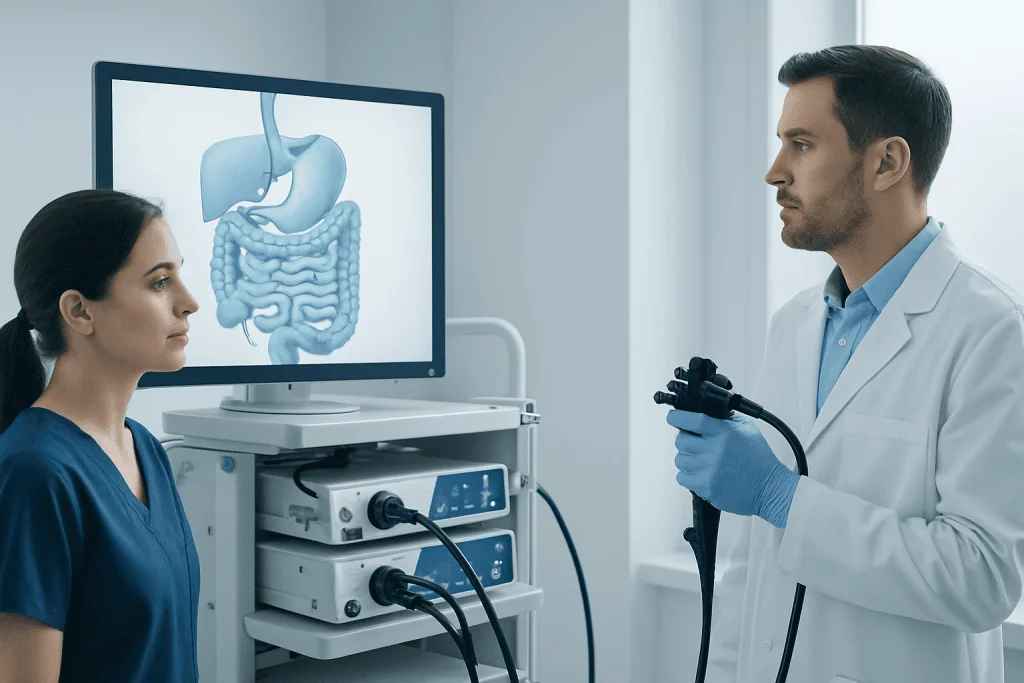
Each part of the digestive system has a specific role. Food passes through the main digestive tract in an organized sequence, while nearby organs assist the process. Together, these structures allow the body to extract nutrients efficiently and safely.
The main organs of the digestive tract include:
- Mouth: starts digestion by chewing food and mixing it with saliva.
- Esophagus: carries food from the mouth to the stomach.
- Stomach: churns food and mixes it with acid and enzymes.
- Small intestine: completes much of digestion and absorbs most nutrients.
- Large intestine: absorbs water and electrolytes and forms stool.
- Rectum and anus: store and release waste.
Important supporting organs include the liver, which produces bile; the gallbladder, which stores and releases bile; and the pancreas, which produces digestive enzymes and bicarbonate. These secretions help the body digest fats, neutralize stomach acid, and support nutrient absorption.
How Digestion Works Step by Step

Digestion starts in the mouth. Teeth break food into smaller pieces, making it easier to swallow and digest. Saliva moistens food and contains enzymes that begin breaking down some carbohydrates. After swallowing, food travels down the esophagus through wave-like muscle contractions called peristalsis.
In the stomach, food is mixed with acid and digestive enzymes. This helps break down proteins and turns the meal into a semi-liquid mixture. The stomach also acts as a temporary storage area, releasing food gradually into the small intestine so digestion can continue in a controlled way.
The small intestine is where most digestion and nutrient absorption take place. Bile from the liver and gallbladder helps digest fats, while pancreatic enzymes break down carbohydrates, proteins, and fats. The inner lining of the small intestine contains tiny finger-like projections that increase surface area, helping the body absorb nutrients into the blood and lymphatic system.
What remains then passes into the large intestine. Here, water and some minerals are absorbed, and helpful gut bacteria assist with certain digestive processes. The leftover material becomes stool, which is stored in the rectum until it leaves the body through a bowel movement.
What the Digestive System Absorbs and Why It Matters
The digestive system does more than simply move food through the body. It extracts carbohydrates for energy, proteins for tissue repair and enzyme production, and fats for energy storage, hormone production, and cell health. It also absorbs vitamins, minerals, and water needed for nearly every body function.
Different nutrients are absorbed in different ways. Simple sugars and amino acids usually enter the bloodstream directly, while many fats are first processed into particles that can move through the lymphatic system. This shows how specialized and efficient the digestive system is.
The gut also plays an important role in immunity. The digestive tract contains a large part of the body’s immune system and acts as a barrier against harmful substances. In addition, the community of bacteria and other microorganisms in the intestines, often called the gut microbiome, may influence digestion, immunity, and general well-being.
Common Digestive Symptoms and Possible Problems
Many people experience digestive symptoms from time to time. Common symptoms include bloating, indigestion, nausea, heartburn, constipation, diarrhea, abdominal pain, and changes in appetite or bowel habits. These can happen for many reasons, including eating patterns, stress, infections, food intolerance, medication side effects, or digestive disorders.
Occasional mild symptoms are often temporary, but persistent or severe symptoms may point to an underlying condition. For example, repeated heartburn may be related to acid reflux, while ongoing upper abdominal discomfort can sometimes occur with gastritis. Abdominal pain, fever, vomiting, or digestive upset can also be seen in situations such as gastroenteritis.
Digestive conditions vary widely, from functional problems such as irritable bowel syndrome to structural issues, inflammation, infection, ulcers, gallstones, and cancers. Because symptoms can overlap, self-diagnosis is not always reliable. A medical assessment may be important when symptoms are frequent, disruptive, or unusual for the person.
How Doctors Evaluate Digestive Health
When a person has ongoing digestive symptoms, doctors usually begin with a detailed history and physical examination. They may ask about pain, bowel habits, diet, medications, weight changes, family history, and whether symptoms are linked to meals or stress. This information helps narrow down possible causes.
Depending on the symptoms, testing may include blood tests, stool tests, breath tests, or imaging studies. In some cases, doctors may recommend procedures to look directly inside the digestive tract. For example, endoscopy may help evaluate swallowing problems, reflux, stomach pain, or bleeding, while colonoscopy can help investigate lower bowel symptoms such as bleeding, long-term diarrhea, or unexplained changes in bowel habits.
Other imaging tests can assess organs such as the liver, pancreas, and gallbladder. Sometimes symptoms are caused by diet-related issues, inflammation, ulcers, infection, or gallbladder disease. If gallstones or related complications are suspected, a doctor may discuss whether gallbladder surgery is appropriate. The right tests depend on the individual’s age, symptoms, risk factors, and general health.
How to Support a Healthy Digestive System
Everyday habits can make a meaningful difference to digestive health. A balanced eating pattern that includes fiber-rich foods such as vegetables, fruits, legumes, and whole grains can help support regular bowel movements and a healthy gut environment. Drinking enough fluids also helps the digestive tract function normally.
Regular physical activity supports bowel movement and overall metabolic health. Eating at a steady pace, chewing thoroughly, and avoiding very large meals may help reduce indigestion in some people. For those who notice symptoms after particular foods, keeping a simple food and symptom diary may help identify patterns to discuss with a healthcare professional.
Other helpful steps include limiting excess alcohol, avoiding tobacco, and using medicines carefully, especially pain relievers that can irritate the stomach in some people. Stress management, sleep, and routine medical care also matter, because the brain and gut communicate closely. Near the end of the care pathway, if specialist assessment is needed, Acibadem International’s multidisciplinary specialists in JCI-accredited hospitals diagnose and treat digestive conditions for international patients.
When to See a Doctor
Many digestive complaints improve with time or simple lifestyle changes, but some symptoms should not be ignored. A person should speak with a doctor if symptoms last for more than a few weeks, keep coming back, or interfere with daily life. This is especially important if the person is older, has a family history of digestive disease, or has other medical conditions.
Medical advice is important for warning signs such as difficulty swallowing, persistent vomiting, blood in vomit or stool, black stools, unexplained weight loss, ongoing fever, severe or worsening abdominal pain, or signs of dehydration. These symptoms do not always mean a serious problem, but they do need professional evaluation.
Early assessment can help identify treatable causes and reduce the risk of complications. For anyone with questions about digestive symptoms, a qualified healthcare professional can recommend the most appropriate next steps, whether that means reassurance, tests, treatment, or specialist referral.
Frequently asked questions
What is the main function of the digestive system?
The digestive system breaks food and liquids down into nutrients the body can use and removes waste that the body does not need. It supports energy production, growth, repair, hydration, and overall health.
Where does digestion begin?
Digestion begins in the mouth. Chewing breaks food into smaller pieces, and saliva starts the chemical process of digestion, especially for some carbohydrates.
Which organ absorbs most nutrients?
Most nutrients are absorbed in the small intestine. Its lining is specially designed to maximize absorption of vitamins, minerals, proteins, fats, and carbohydrates.
What does the large intestine do?
The large intestine mainly absorbs water and electrolytes from the remaining digestive contents. It also helps form and store stool before it leaves the body.
Can stress affect digestion?
Yes, stress can affect digestion in many people. It may contribute to symptoms such as nausea, bloating, abdominal discomfort, constipation, or diarrhea, and may worsen some existing digestive conditions.
What are signs that digestive symptoms need medical attention?
A doctor should assess symptoms such as ongoing pain, repeated vomiting, blood in stool, black stools, trouble swallowing, unexplained weight loss, or symptoms that keep returning. Even when the cause is not serious, persistent symptoms deserve proper evaluation.
References
- National Institute of Diabetes and Digestive and Kidney Diseases
- National Health Service
- Cleveland Clinic
- Mayo Clinic
- Merck Manual Consumer Version
This article is for general information only and is not a substitute for professional medical advice. Please consult a qualified doctor about your individual situation.
Persistent digestive symptoms? Get evaluated in Turkey
JCI-accredited · board-certified surgeons · reply within 24h
Add us as a Preferred Source to see more of our trusted health content across Google Search, AI Overviews and Discover.

More from the Health Library



Related Specialists

Prof. Dr. Yüksel Ersoy
Physical Medicine & Rehabilitation
Prof. Dr. Güldin Bingöl
Pediatric Allergy
Prof. Dr. Pervin İşeri
Neurology
Dr. Alper Koçak
Gynecology & Obstetrics