Cataract Surgery Recovery: Vision Changes, Activity Limits, and Healing Timeline

Most people recover well after cataract surgery and notice gradual visual improvement as the eye heals. Mild irritation, blurry vision, glare, and light sensitivity are common early in recovery.
Key Takeaways
- Most people recover well after cataract surgery and notice gradual visual improvement as the eye heals.
- Mild irritation, blurry vision, glare, and light sensitivity are common early in recovery.
- Using prescribed eye drops and following activity restrictions helps reduce complications.
- Complete healing often takes several weeks, even if vision starts improving sooner.
- Severe pain, sudden vision loss, or increasing redness should be assessed promptly by an eye doctor.
Cataract surgery recovery is usually smooth, with many people noticing better vision within a few days and steadier improvement over several weeks. Knowing what changes are normal, what activities to avoid, and when to seek medical advice can make recovery more comfortable and reassuring.
Overview of Cataract Surgery Recovery
Cataract surgery recovery refers to the healing period after the cloudy natural lens of the eye is removed and replaced with an artificial intraocular lens. Modern cataract surgery is usually performed as a day procedure, and most people go home shortly afterward. Recovery is often straightforward, but the eye still needs time to settle and adjust.
During the first hours and days, vision may seem clearer in some ways but still fluctuate. Colors can appear brighter, glare may change, and the eye may feel mildly scratchy or watery. These early changes are often part of normal healing rather than a sign that something is wrong.
Although many people return to light daily tasks quickly, recovery is not instant. The cornea, incision site, and tissues inside the eye need time to calm down after surgery. Following the surgeon’s aftercare plan helps support healing and lowers the chance of infection or inflammation.
What Vision Changes Are Normal After Surgery?
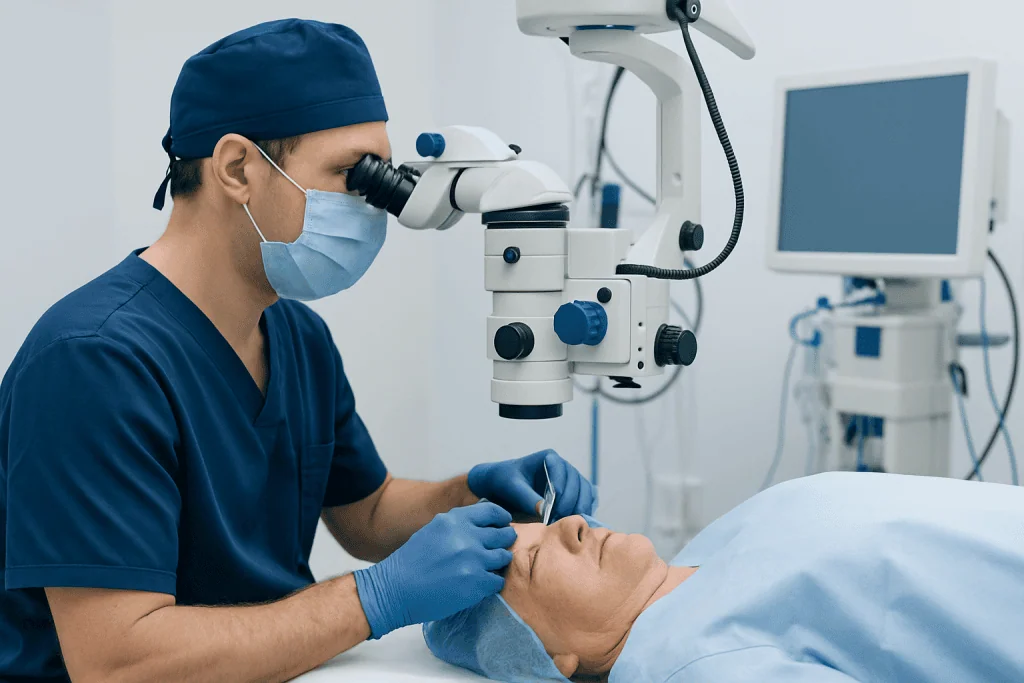
It is common for vision to be blurry at first after cataract surgery. The eye may still be dilated from surgery, the cornea can be slightly swollen, and the brain may need time to adapt to the new lens. For many people, vision begins to improve within 24 to 72 hours, though sharpness can continue changing over several weeks.
Some visual symptoms are especially common early on. These can include glare from lights, halos around headlights, mild double vision in the operated eye, or a sense that depth perception feels different. Bright colors may look more vivid than before because the cloudy lens has been removed.
Temporary dryness can also affect visual clarity. When the eye surface is dry, vision may seem to come and go, especially during reading or screen use. Lubricating drops, if recommended by the eye doctor, may help. If vision stays very blurry, suddenly worsens, or is accompanied by pain, it is important to contact the care team.
Some people may still need glasses after surgery, depending on the lens implanted and whether there are other refractive issues such as astigmatism. Final glasses prescriptions are usually not given until the eye has healed more fully.
Healing Timeline: First Day to Full Recovery

The first 24 hours after surgery are usually focused on rest, eye protection, and starting prescribed drops. A shield may be used, especially during sleep, to avoid rubbing or accidental pressure on the eye. Mild discomfort, tearing, and blurred vision are common during this period.
In the first week, many people notice meaningful improvement in vision, although fluctuations can continue. The eye may still feel slightly gritty, and light sensitivity can persist. Follow-up visits during this stage are important because the surgeon checks eye pressure, inflammation, and the position of the new lens.
Over two to six weeks, the eye usually becomes more stable. Daily activities often become easier, and visual sharpness continues to improve. Complete healing time varies by individual, the surgical technique used, and whether the person has other eye conditions such as retinal disease or corneal problems.
If surgery is planned for the second eye, the timing depends on healing and the surgeon’s judgment. A routine postoperative eye examination helps confirm that recovery is progressing as expected and that the final vision outcome is being reached.
Activity Limits and Daily Life During Recovery
Most people can walk, eat, read, and do gentle household tasks soon after surgery. However, it is usually best to avoid strenuous activity, heavy lifting, and bending deeply for at least several days or as instructed by the surgeon. These movements can raise pressure in the eye and may interfere with healing.
Driving should only resume when vision is clear enough and the doctor says it is safe. Some people are able to return to office-based work quickly, while others may need a few days longer, especially if their job involves dust, physical exertion, or prolonged visual strain. Screen use is generally allowed in moderation if comfortable.
Swimming pools, hot tubs, and eye makeup are often restricted for a period of time because they can increase irritation or infection risk. Rubbing the eye should be avoided even if it feels itchy or watery. It is also wise to protect the eye from dust, accidental bumps, and direct water spray during showers.
People should always follow their own surgeon’s advice, since individual restrictions may differ. Those with more complex procedures or additional eye conditions may need a more cautious recovery plan after eye surgery.
Aftercare: Eye Drops, Hygiene, and Comfort Measures
Prescribed eye drops are an essential part of cataract surgery recovery. These usually include medications to reduce inflammation and help prevent infection. It is important to use them exactly as directed and to wash hands before touching the area around the eye.
Good hygiene supports healing. The eye should be kept clean and protected, but the eyelids and lashes should be handled gently. If there is dried discharge, patients are usually advised to clean it carefully with sterile materials or according to the clinic’s instructions. The bottle tip of eye drops should never touch the eye.
Comfort measures can also make recovery easier. Sunglasses may reduce light sensitivity outdoors, and rest breaks can help if the eye feels tired during reading or screen use. Mild irritation is common, but severe pain is not. Over-the-counter remedies should only be used if approved by the doctor.
For some patients, cataract surgery recovery also involves adjusting to changes in glasses or vision correction needs. Those who have previously relied on spectacles or contact lenses should wait for professional guidance before changing prescriptions or restarting lens wear in the operated eye.
Possible Complications and Warning Signs
Serious complications after cataract surgery are uncommon, but knowing the warning signs is important. Mild redness, foreign-body sensation, and blurred vision can be normal at first. However, symptoms that intensify rather than improve should be assessed by an eye specialist.
Signs that deserve prompt medical attention include severe or increasing eye pain, sudden drop in vision, marked redness, flashes of light, many new floaters, nausea with eye pain, or discharge that suggests infection. These symptoms can point to problems such as infection, swelling, high eye pressure, or retinal complications.
Some visual changes may reflect conditions that existed before surgery rather than the operation itself. For example, if vision does not improve as expected, the doctor may look for issues involving the retina, cornea, or optic nerve. In selected cases, further assessment for macular disease or other eye conditions may be needed.
Patients should never feel hesitant about contacting their care team with concerns. Early evaluation is the safest approach when symptoms seem unusual, worsening, or out of proportion to what was expected.
When to See a Doctor and Long-Term Outlook
Regular follow-up appointments are an important part of recovery even when the eye feels fine. These visits help confirm that healing is on track, that inflammation is settling, and that the new lens is positioned well. They also allow the doctor to decide when it is time to update glasses, if needed.
Most people are pleased with their long-term vision after cataract surgery, especially once the eye has fully healed and any remaining refractive correction is addressed. Cataracts themselves do not grow back, but some people develop clouding of the capsule behind the new lens months or years later. This is treatable and does not usually mean the cataract has returned.
People should seek medical advice sooner rather than later if they have persistent blur, troubling glare, or difficulty seeing despite recovery time. Ongoing visual symptoms may have a treatable cause and should not simply be ignored. In some situations, symptoms may relate to another eye problem rather than the healing process alone.
For international patients who need assessment or follow-up, Acibadem International’s multidisciplinary eye specialists in JCI-accredited hospitals diagnose and treat cataracts and recovery-related concerns in a coordinated way. A broader evaluation for cataracts and related eye conditions may be helpful when recovery does not progress as expected.
Frequently asked questions
How long does cataract surgery recovery usually take?
Many people notice better vision within a few days, but full recovery often takes several weeks. The exact timeline depends on the individual eye, the type of lens used, and whether any other eye conditions are present.
Is blurry vision normal after cataract surgery?
Yes, mild blurry or fluctuating vision is common at first. The eye may be healing from temporary swelling, dryness, or dilation effects, but vision should generally improve over time.
What activities should be avoided after cataract surgery?
Patients are commonly advised to avoid heavy lifting, strenuous exercise, rubbing the eye, swimming, and direct water exposure to the eye for a period of time. The exact restrictions vary, so the surgeon’s instructions should always take priority.
When can someone drive after cataract surgery?
Driving can resume only when vision meets safe legal and practical standards and the doctor says it is appropriate. Some people are ready quickly, while others need more time for blur, glare, or depth perception changes to settle.
Do people still need glasses after cataract surgery?
Some do and some do not. This depends on the type of intraocular lens implanted and whether there are remaining focusing issues such as astigmatism or the need for near-vision correction.
What symptoms after cataract surgery need urgent medical attention?
Severe pain, sudden loss of vision, increasing redness, many new floaters, flashes of light, or discharge should be assessed promptly. These symptoms are not considered routine recovery signs and may need urgent treatment.
References
- American Academy of Ophthalmology
- National Eye Institute
- Royal College of Ophthalmologists
- Mayo Clinic
- National Health Service
This article is for general information only and is not a substitute for professional medical advice. Please consult a qualified doctor about your individual situation.
Cataract Surgery in Turkey — costs, top hospitals & a free quote
JCI-accredited · board-certified surgeons · reply within 24h
Add us as a Preferred Source to see more of our trusted health content across Google Search, AI Overviews and Discover.

Ophthalmology
Comprehensive eye care from laser vision correction to retina, cornea and cataract surgery.
75 specialists in this unit