Who Is a Good Candidate for Femto LASIK?

Good Femto LASIK candidates are usually adults with stable vision and healthy eyes. Corneal thickness, corneal shape, and tear film quality are important in deciding eligibility.
Key Takeaways
- Good Femto LASIK candidates are usually adults with stable vision and healthy eyes.
- Corneal thickness, corneal shape, and tear film quality are important in deciding eligibility.
- Not everyone with nearsightedness, farsightedness, or astigmatism is suitable for Femto LASIK.
- Pregnancy, uncontrolled diabetes, active eye disease, or unstable prescriptions may delay treatment.
- A detailed eye examination is the safest way to confirm whether Femto LASIK is appropriate.
- Alternative vision correction procedures may be recommended if Femto LASIK is not ideal.
Femto LASIK can be a good option for many adults who want to reduce dependence on glasses or contact lenses. The best candidates have stable vision, healthy eyes, and corneas that are suitable for laser reshaping after a full ophthalmic assessment.
Overview: what Femto LASIK is and why candidacy matters
Femto LASIK is a modern form of laser vision correction used to treat common refractive errors such as nearsightedness, farsightedness, and astigmatism. In this approach, a femtosecond laser creates a thin corneal flap, and then an excimer laser reshapes the cornea to help light focus more accurately on the retina. The goal is to reduce dependence on glasses or contact lenses.
Being interested in the procedure does not automatically mean a person is an ideal candidate. Eye structure, overall eye health, age, prescription stability, and medical history all influence whether treatment is likely to be safe and effective. A careful screening process helps identify people who are most likely to benefit and helps avoid surgery in situations where risks may be higher.
For many patients, Femto LASIK offers precise treatment and a relatively quick recovery. However, candidacy is highly individual. Some people may be better suited to other refractive options, such as PRK or ReLEx SMILE, depending on their corneas, lifestyle, and vision needs.
Who is often a good candidate for Femto LASIK?
A good Femto LASIK candidate is usually an adult whose glasses or contact lens prescription has been stable for at least a year. Stability matters because changing vision can affect long-term results. Most surgeons prefer to treat eyes only after natural development has settled, which is why LASIK is generally considered for people aged 18 or older, and often after the early 20s if prescriptions are still changing.
Healthy eyes are another key requirement. The cornea should be clear and regular in shape, with enough thickness to allow safe laser reshaping. The patient should not have active infections, significant inflammation, or untreated surface disease. People with mild to moderate refractive errors are often among the best candidates, especially if they wish to reduce reliance on contact lenses or glasses for everyday activities.
Good candidates also tend to have realistic expectations. Femto LASIK aims to improve uncorrected vision, but it does not guarantee perfect sight in every lighting condition or remove the normal age-related need for reading correction later in life. Patients who understand both the benefits and the limitations are usually more satisfied with the decision-making process and the outcome.
Eye and health factors doctors assess before treatment
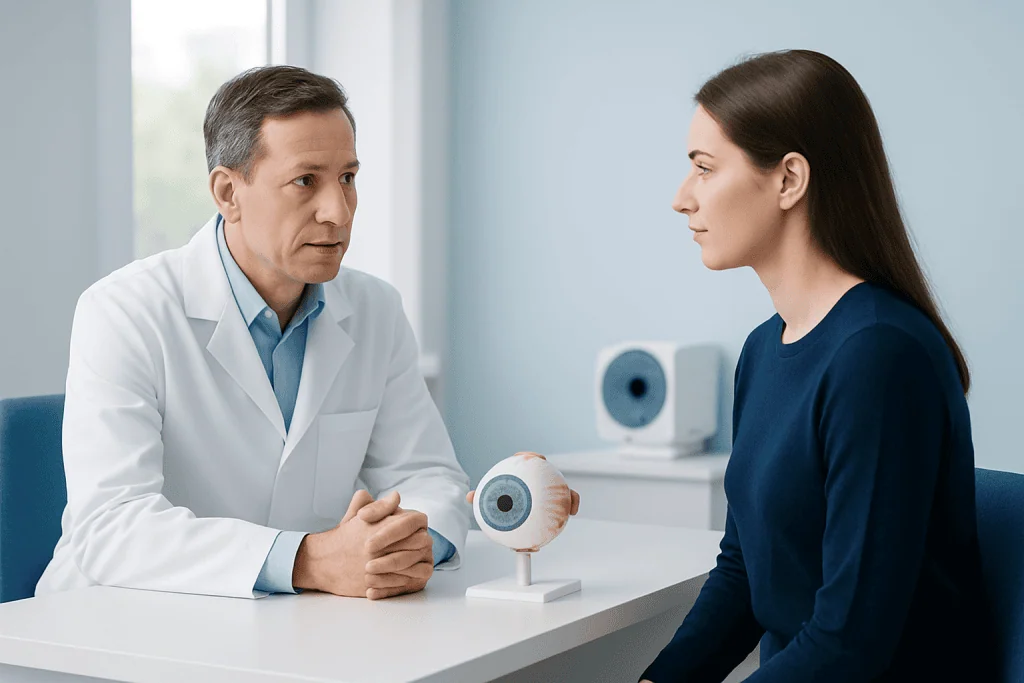
One of the most important factors is corneal suitability. During the assessment, the ophthalmologist measures corneal thickness, maps the corneal surface, and evaluates whether the shape is regular enough for laser treatment. This helps identify conditions such as ectasia risk or irregular corneas, where LASIK may not be the safest choice. If there is concern about a condition such as keratoconus, another treatment plan may be advised.
Prescription type and range are also reviewed carefully. Femto LASIK can correct many cases of myopia, hyperopia, and astigmatism, but each laser system has treatment limits. Very high prescriptions may leave too little corneal tissue after reshaping, making another refractive procedure more suitable.
Tear film quality is another essential part of candidacy. People with dry eye symptoms may still be treated, but the condition often needs evaluation and management first. Surgeons also look at pupil size, retinal health, lens clarity, and any signs of eye disease. In some cases, early cataracts, corneal scars, or retinal concerns can influence whether LASIK should be postponed or avoided.
General health matters as well. Autoimmune disease, poorly controlled diabetes, medications that affect healing, or a tendency to form abnormal scars may change the risk profile. These factors do not always rule out treatment, but they require individualized medical judgment.
Who may not be a good candidate right now
Some people are not suitable for Femto LASIK at the time of evaluation, even if they may become eligible later. An unstable vision prescription, active eye allergy, untreated dry eye, or a recent contact lens-related corneal change can all affect measurements and healing. In these cases, treatment may simply need to be delayed until the eyes are more stable.
Certain eye conditions may make Femto LASIK inappropriate. These include keratoconus or suspicious corneal thinning, significant corneal scarring, advanced glaucoma, untreated retinal disease, severe dry eye, or active infections such as conjunctivitis. Cataracts can also affect vision quality, and when the natural lens is the main issue, cataract surgery may be more helpful than corneal laser treatment.
Pregnancy and breastfeeding can temporarily change hormone levels and vision, so many surgeons recommend waiting before having refractive surgery. Patients with unrealistic expectations may also be advised against LASIK. For example, if someone expects guaranteed perfect vision without any possibility of needing enhancement, glasses for some tasks, or age-related reading correction in the future, more counseling is usually needed before a decision is made.
How doctors determine Femto LASIK eligibility
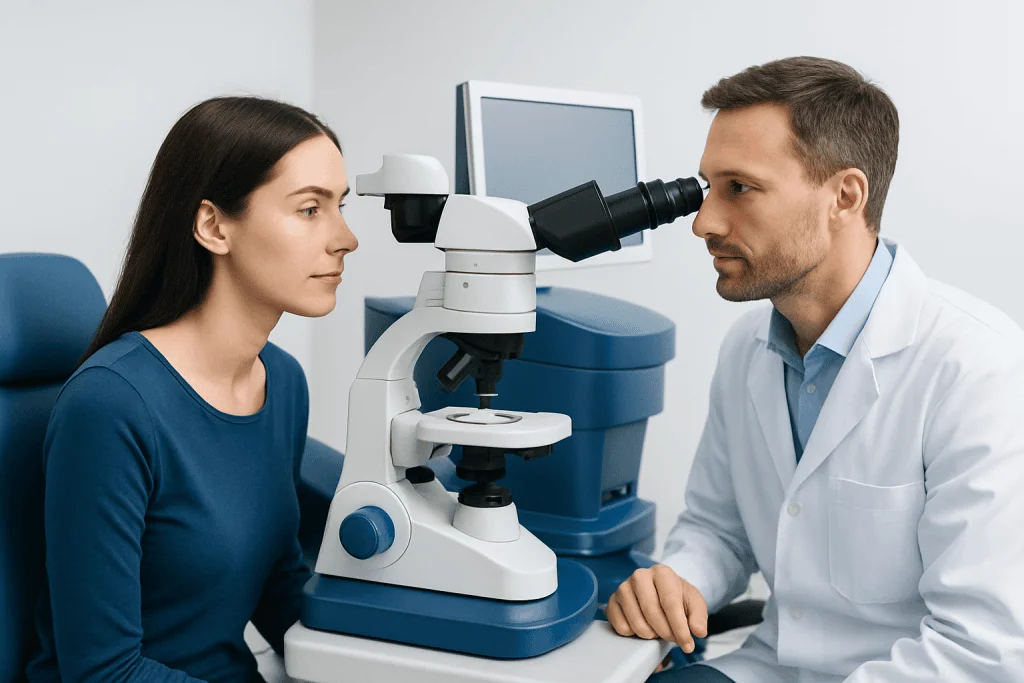
A Femto LASIK evaluation is more detailed than a routine eye exam. The doctor first reviews the person’s medical history, current medications, past eye problems, and previous surgeries. Then a full eye examination measures refraction, visual acuity, eye pressure, pupil behavior, tear film status, and overall health of the front and back of the eye.
Specialized testing usually includes corneal topography or tomography, pachymetry to measure thickness, and wavefront or other imaging methods to assess optical quality. These tests help the surgeon decide whether the cornea can safely support flap creation and laser reshaping. They also help detect hidden conditions that may increase the chance of poor outcomes.
Contact lens wearers may need to stop wearing lenses for a period before testing because lenses can temporarily alter corneal shape. If the initial findings are borderline, repeat measurements may be recommended to ensure accuracy. The final decision is based on the complete picture rather than any single number.
This evaluation also gives the patient a chance to discuss lifestyle goals. Someone who drives frequently at night, plays contact sports, works in dusty environments, or is entering the age where near vision changes become more noticeable may need a different approach or additional counseling about expected results.
Alternatives if Femto LASIK is not the best choice
Not qualifying for Femto LASIK does not mean that vision correction options are over. In some cases, another corneal laser procedure may be more appropriate. Surface treatments such as LASEK or PRK may be considered for people with thinner corneas or certain occupational considerations, since they do not involve the same type of corneal flap.
Other patients may benefit from non-LASIK solutions depending on age and visual needs. If near vision has become the main concern, options related to presbyopia treatment may be discussed. If a cloudy natural lens is contributing to visual blur, lens-based treatment may be more effective than laser reshaping of the cornea.
Sometimes the safest choice is to continue using glasses or contact lenses and to monitor the eyes over time. This can be especially appropriate for younger adults with unstable prescriptions, for those with dry eye that needs longer treatment, or for patients with mild corneal irregularity. A careful surgeon focuses on the most suitable long-term option, not simply on performing a procedure.
Preparing for consultation and making an informed decision
Patients considering Femto LASIK can prepare by gathering information about their glasses prescriptions, contact lens use, past eye issues, and general medical history. It can be helpful to note symptoms such as dryness, glare, halos, fluctuating vision, or eye rubbing, since these details may affect candidacy. Questions about work demands, sports, travel, and screen use are also worth discussing during the consultation.
Before the evaluation, the clinic may advise stopping contact lens wear for a period so the cornea can return to its natural shape. It is also sensible to avoid making decisions based only on convenience or advertising. A balanced discussion of benefits, risks, alternatives, and expected recovery helps patients choose with confidence.
For people who are suitable, Femto LASIK may offer dependable reduction in dependence on glasses. For those who are not ideal candidates, another approach may provide better safety or better visual quality. The most important step is an expert assessment by an ophthalmologist experienced in refractive surgery.
Near the end of this process, some patients choose centers that can offer a full range of refractive, corneal, and lens-based treatments in one place. Acibadem International’s multidisciplinary eye specialists and JCI-accredited hospitals assess and treat international patients with individualized planning when Femto LASIK or an alternative procedure is being considered.
When to seek professional advice
Anyone interested in laser vision correction should arrange a professional eye evaluation rather than relying on age, prescription, or online checklists alone. Even people who seem to fit the usual profile may have hidden factors that only detailed imaging can reveal. An ophthalmologist can explain whether Femto LASIK is suitable, whether treatment should be delayed, or whether another procedure would be safer.
Prompt assessment is especially important if a person has worsening vision, eye pain, significant dryness, frequent redness, severe glare, a history of eye injury, diabetes, autoimmune disease, or a family history of corneal disorders. These do not always prevent surgery, but they do deserve careful review.
A consultation is also useful for people who have been told they are not candidates elsewhere. Eligibility can depend on the technology available, the surgeon’s experience, and whether a different refractive procedure is more appropriate. A thoughtful second opinion can help clarify the best path forward.
Frequently asked questions
What age is best for Femto LASIK?
Femto LASIK is usually considered only after age 18, when the eyes have largely finished developing. Many doctors prefer that vision has remained stable for at least a year before treatment, which often makes the early to mid-20s a more suitable time for some patients.
Can someone with astigmatism be a good Femto LASIK candidate?
Yes, many people with astigmatism can be good candidates if their corneas are healthy and their prescription falls within the treatable range. The final decision depends on detailed measurements of corneal shape, thickness, and overall eye health.
Does thin cornea mean a person cannot have Femto LASIK?
Not always, but thin corneas can limit whether Femto LASIK is the safest choice. If the cornea is too thin for flap creation and laser reshaping, the doctor may recommend another procedure such as PRK or a non-laser option.
Can dry eye prevent Femto LASIK?
Dry eye does not automatically rule out treatment, but it needs careful evaluation. If dry eye is significant, it may need to be treated first because it can affect both preoperative measurements and comfort after surgery.
Is Femto LASIK suitable during pregnancy?
Doctors usually recommend waiting until after pregnancy and breastfeeding. Hormonal changes can temporarily affect vision and tear production, which may influence both candidacy and healing.
If a person is not a candidate for Femto LASIK, are there other options?
Yes. Depending on the reason, alternatives may include PRK, LASEK, other refractive procedures, lens-based treatments, or continued use of glasses or contact lenses. The best option depends on corneal health, age, prescription, and visual goals.
References
- American Academy of Ophthalmology
- National Eye Institute
- U.S. Food and Drug Administration
- Royal College of Ophthalmologists
- European Society of Cataract and Refractive Surgeons
This article is for general information only and is not a substitute for professional medical advice. Please consult a qualified doctor about your individual situation.
Femto LASIK in Turkey — costs, top hospitals & a free quote
JCI-accredited · board-certified surgeons · reply within 24h
Add us as a Preferred Source to see more of our trusted health content across Google Search, AI Overviews and Discover.

Ophthalmology
Comprehensive eye care from laser vision correction to retina, cornea and cataract surgery.
75 specialists in this unit