What Does a Heart Attack Feel Like?

Heart attack symptoms often include chest pressure, tightness, or pain that may spread to the arm, jaw, neck, back, or stomach area. Some heart attacks cause mild, unusual, or intermittent symptoms rather than dramatic chest pain.
Key Takeaways
- Heart attack symptoms often include chest pressure, tightness, or pain that may spread to the arm, jaw, neck, back, or stomach area.
- Some heart attacks cause mild, unusual, or intermittent symptoms rather than dramatic chest pain.
- Women, older adults, and people with diabetes may have less typical symptoms such as fatigue, nausea, or breathlessness.
- A heart attack is a medical emergency and should be evaluated immediately.
- Quick diagnosis and treatment can reduce heart damage and improve recovery.
A heart attack can feel like pressure, tightness, heaviness, or pain in the chest, but symptoms are not always the same for everyone. Some people also have shortness of breath, nausea, sweating, or discomfort in the arm, jaw, back, or upper abdomen.
Overview
A heart attack happens when blood flow to part of the heart muscle is suddenly reduced or blocked. Without enough oxygen, the affected heart tissue begins to suffer damage. In medical terms, this is called a myocardial infarction. The symptoms can start suddenly, but they may also build gradually over minutes or even hours.
Many people imagine a heart attack as a dramatic event with intense chest pain and collapse. While that can happen, real-life symptoms are often more varied. Some people feel heavy pressure in the chest, while others notice discomfort in the jaw, back, shoulder, or upper abdomen. A heart attack can also cause shortness of breath, sweating, nausea, or unusual weakness.
Recognizing symptoms early is important because prompt treatment can help restore blood flow and limit damage to the heart. When symptoms suggest a possible heart attack, it is safest to seek emergency medical care right away rather than waiting to see if they pass.
What a Heart Attack Can Feel Like
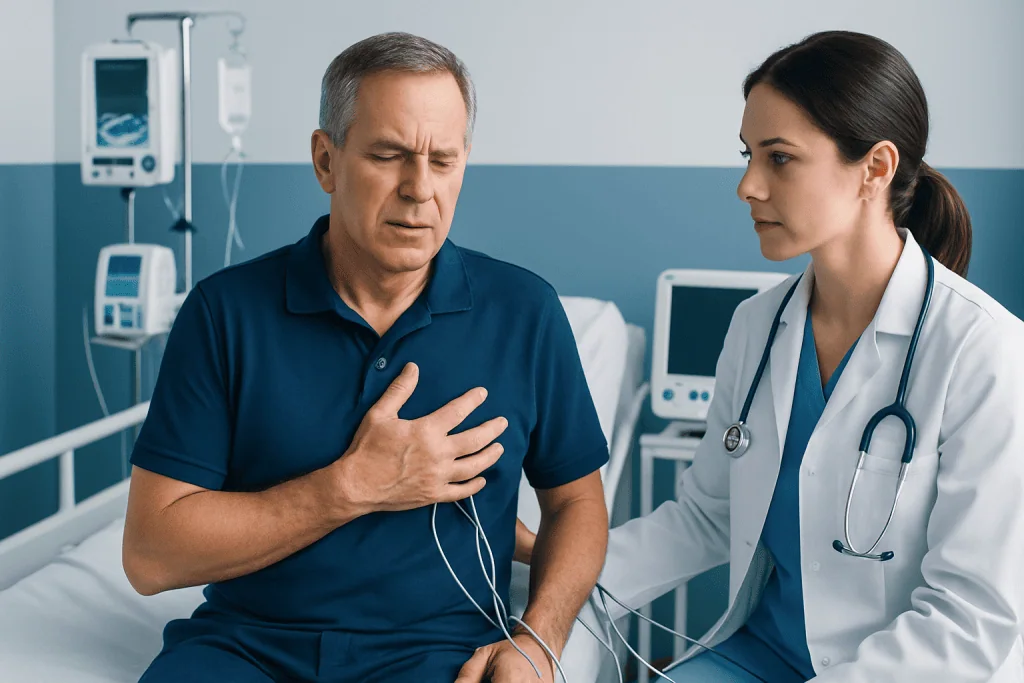
People often describe heart attack discomfort as pressure, squeezing, fullness, tightness, or heaviness in the center or left side of the chest. Some say it feels like a weight sitting on the chest. Others experience burning, aching, or pain that comes and goes. The sensation may last more than a few minutes or may improve and return.
The discomfort does not always stay in the chest. It can spread to one or both arms, especially the left arm, or travel to the shoulders, neck, jaw, back, or upper abdomen. For some people, the main symptom is not chest pain at all but a vague sense that something is very wrong.
Other common symptoms can include:
- Shortness of breath
- Cold sweat or clammy skin
- Nausea or vomiting
- Lightheadedness or dizziness
- Sudden weakness or unusual fatigue
- A fast, pounding, or irregular heartbeat
Symptoms can be severe, but they can also be mild. Even mild symptoms should not be ignored, especially when they are new, unexplained, or occur together.
Symptoms May Be Different in Women and Others

Heart attack symptoms are not identical for everyone. Women may still have chest discomfort, but they are also more likely to report symptoms that seem less typical, such as unusual fatigue, shortness of breath, nausea, indigestion-like discomfort, upper back pain, or jaw pain. Because these symptoms can appear less dramatic, care may be delayed.
Older adults may have milder chest pain or mainly feel weakness, confusion, dizziness, or breathlessness. People with diabetes may experience less pain because nerve damage can change the way symptoms are felt. This is sometimes called a “silent” heart attack, although it may still cause subtle warning signs such as sweating, fatigue, or discomfort in the chest or upper body.
It can also be difficult to tell the difference between a heart attack and other conditions. Problems such as angina, acid reflux, muscle strain, anxiety, or lung conditions can cause similar symptoms. Since it is not possible to be sure at home, any possible heart attack symptoms should be treated as urgent.
Causes and Risk Factors
The most common cause of a heart attack is coronary artery disease. In this condition, fatty deposits called plaque build up inside the arteries that supply the heart. If a plaque ruptures, a blood clot can form and suddenly block blood flow. This is why a heart attack can happen without warning, even if symptoms were mild beforehand.
Several factors increase the risk of heart attack. Some cannot be changed, such as older age, male sex, and a family history of early heart disease. Others are linked to health conditions or lifestyle habits that can often be managed over time.
Important risk factors include:
- High blood pressure
- High cholesterol
- Diabetes
- Smoking or tobacco use
- Excess body weight
- Physical inactivity
- Chronic stress
- Unhealthy diet
- Sleep problems, including sleep apnea
People who already have cardiovascular disease are at higher risk. This includes those with coronary artery disease or a past history of heart failure. Understanding these risks can help guide prevention and encourage regular medical follow-up.
How a Heart Attack Is Diagnosed
Doctors diagnose a heart attack using symptoms, a physical examination, and urgent tests. One of the first tests is an electrocardiogram, also called an ECG or EKG, which records the heart’s electrical activity. Changes on the ECG can show whether the heart muscle is being damaged.
Blood tests are also important. They check for cardiac enzymes, such as troponin, that rise when heart muscle cells are injured. In many cases, blood samples are repeated over several hours because these markers may not increase immediately after symptoms begin.
Other tests may help confirm the diagnosis and find the cause. These can include echocardiography to assess heart function and coronary angiography to look for blocked arteries. Imaging and monitoring also help doctors distinguish a heart attack from other emergencies such as a pulmonary embolism, aortic problems, or severe arrhythmias.
If a blocked artery is found, doctors may recommend urgent procedures to restore blood flow. In some cases, this means coronary angiography followed by angioplasty and stent treatment to open the artery.
Treatment Options and Emergency Care
A heart attack is a medical emergency. The main goal of treatment is to restore blood flow to the heart as quickly as possible. Emergency teams may give medications to reduce clotting, relieve strain on the heart, and improve circulation, depending on the situation and the type of heart attack.
Many people are treated with emergency procedures that open narrowed or blocked arteries. A common approach is angioplasty with stent placement, which uses a small balloon and mesh tube to widen the artery and keep it open. In some situations, surgery may be recommended, such as coronary artery bypass surgery when several arteries are severely blocked.
After the immediate emergency, care focuses on recovery and preventing another event. This may include medications, cardiac rehabilitation, treatment of risk factors, and regular follow-up. Recovery plans are individualized based on heart function, symptoms, and overall health.
Near the end of treatment planning, some international patients may seek care at centers with coordinated heart services. Acibadem International’s multidisciplinary specialists and JCI-accredited hospitals diagnose and treat heart attack and related cardiovascular conditions for international patients.
Prevention and Self-care
Not every heart attack can be prevented, but many risk factors can be reduced. Long-term heart health often depends on controlling blood pressure, cholesterol, and diabetes, avoiding tobacco, staying physically active, and eating a balanced diet rich in vegetables, fruits, whole grains, and healthy fats.
Stress management and sleep quality also matter. Ongoing stress may affect blood pressure, eating habits, and overall cardiovascular health. Regular exercise, relaxation techniques, and consistent sleep routines can support prevention. People with symptoms such as loud snoring or daytime sleepiness may benefit from evaluation for sleep apnea.
Anyone who has already had a heart attack should follow their doctor’s advice carefully. Taking prescribed medicines as directed, attending follow-up visits, and completing cardiac rehabilitation can support recovery and help lower the risk of future problems.
When to Seek Immediate Medical Help
Emergency help is needed right away if a person has chest pressure, pain, or tightness that lasts more than a few minutes, returns repeatedly, or occurs with shortness of breath, sweating, nausea, faintness, or pain spreading to the arm, jaw, neck, or back. It is especially important to act quickly if the symptoms are new, severe, or different from usual.
It is safest not to drive oneself to the hospital if a heart attack is possible. Emergency medical services can begin assessment and treatment on the way. Waiting at home can delay care and increase the risk of heart damage or dangerous rhythm problems.
Even when symptoms turn out to be caused by something else, getting checked promptly is the right decision. A possible heart attack should never be ignored or dismissed as simple indigestion, stress, or muscle pain without medical evaluation.
Frequently asked questions
Does a heart attack always cause severe chest pain?
No. Some heart attacks cause intense chest pain, but others cause mild pressure, discomfort, or symptoms outside the chest. Shortness of breath, nausea, sweating, jaw pain, back pain, or unusual fatigue can also be signs.
Can a heart attack feel like indigestion?
Yes, it can. Some people describe heart attack symptoms as burning, fullness, or upper stomach discomfort that resembles indigestion. If this feeling is new, persistent, or accompanied by sweating, breathlessness, or pain spreading to the arm or jaw, urgent medical evaluation is important.
What is a silent heart attack?
A silent heart attack is a heart attack with subtle, mild, or easily overlooked symptoms. A person may feel tired, short of breath, sweaty, dizzy, or generally unwell rather than having clear chest pain. It still requires medical care because heart damage can occur even when symptoms are not dramatic.
How long do heart attack symptoms last?
Symptoms may last for several minutes and can come and go. Some people have sudden intense symptoms, while others notice a gradual build-up over hours. Any possible heart attack symptoms should be treated as urgent, even if they improve temporarily.
Are heart attack symptoms different in women?
They can be. Women may have chest discomfort, but they are also more likely to report shortness of breath, nausea, unusual fatigue, back pain, or jaw pain. Because these symptoms may seem less typical, it is important not to ignore them.
What should someone do if they think they are having a heart attack?
They should seek emergency medical help immediately. It is best to call emergency services rather than waiting or trying to drive if symptoms are significant. Quick treatment can reduce damage to the heart and may be lifesaving.
References
- World Health Organization
- American Heart Association
- National Heart, Lung, and Blood Institute
- European Society of Cardiology
- Centers for Disease Control and Prevention
This article is for general information only and is not a substitute for professional medical advice. Please consult a qualified doctor about your individual situation.
Persistent digestive symptoms? Get evaluated in Turkey
JCI-accredited · board-certified surgeons · reply within 24h
Add us as a Preferred Source to see more of our trusted health content across Google Search, AI Overviews and Discover.
Check your numbers in seconds
BMI, calories, due date, blood pressure and 30+ more clinical calculators — free, instant, doctor-reviewed ranges.