Lung Nodules: When They Need Follow-Up and When to Worry
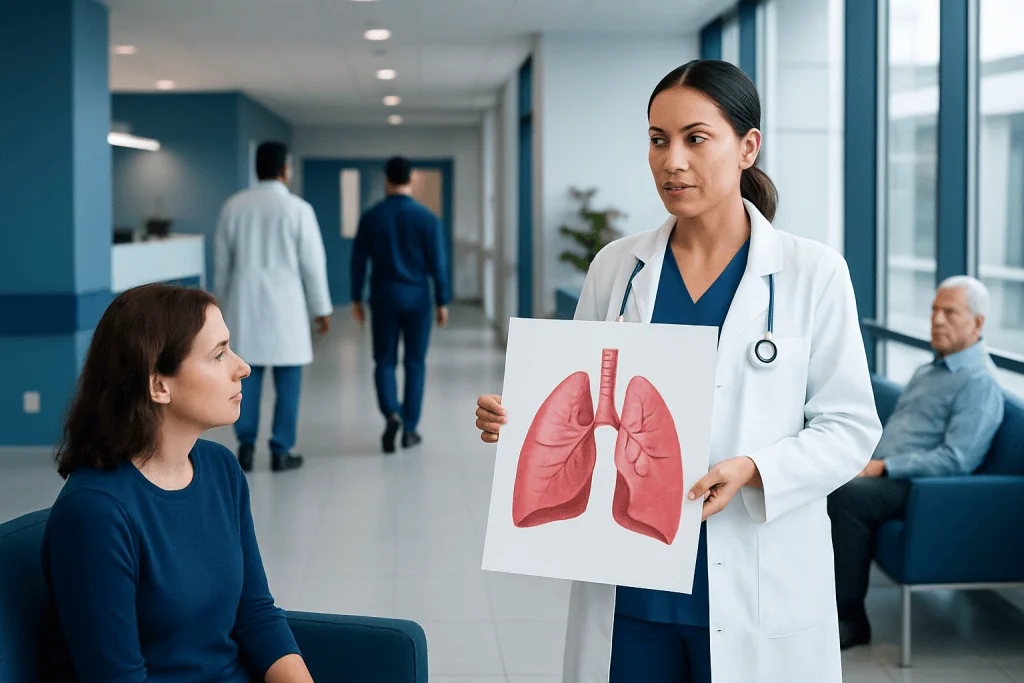
A lung nodule is a small round or oval spot seen on a chest X-ray or CT scan. Most lung nodules are benign and may be related to prior infection, inflammation, or scar tissue.
Key Takeaways
- A lung nodule is a small round or oval spot seen on a chest X-ray or CT scan.
- Most lung nodules are benign and may be related to prior infection, inflammation, or scar tissue.
- Size, shape, growth over time, smoking history, and age help doctors decide whether follow-up is needed.
- Many people have no symptoms, and nodules are often found incidentally during imaging for another reason.
- CT surveillance, PET-CT, or biopsy may be recommended depending on the nodule’s risk features.
- New breathing symptoms, coughing up blood, or a growing nodule should be assessed promptly by a doctor.
Lung nodules are common, and most are not cancer. The key question is whether a nodule looks stable and low risk or needs follow-up imaging and specialist review.
Overview of lung nodules
Lung nodules, also called pulmonary nodules, are small spots in the lungs seen on imaging tests. They are usually round or oval and are commonly found during a chest X-ray or, more often, a CT scan done for another reason. In many cases, they are less than 3 centimeters in size. A larger mass is evaluated differently because the chance of cancer is higher.
Most lung nodules are benign, meaning they are not cancer. They can form after a past infection, from inflammation, or as a small area of scar tissue. In regions where certain fungal infections or tuberculosis are more common, nodules may also reflect old healed disease. Because these spots are common, finding one does not automatically mean something serious is present.
What matters most is the nodule’s pattern on imaging and a person’s overall risk profile. Doctors look at its size, shape, density, and whether it changes over time. They also consider age, smoking history, family history, environmental exposures, and any previous cancer diagnosis. This helps determine whether the nodule can simply be monitored or needs further testing.
Symptoms and when a nodule may be noticed
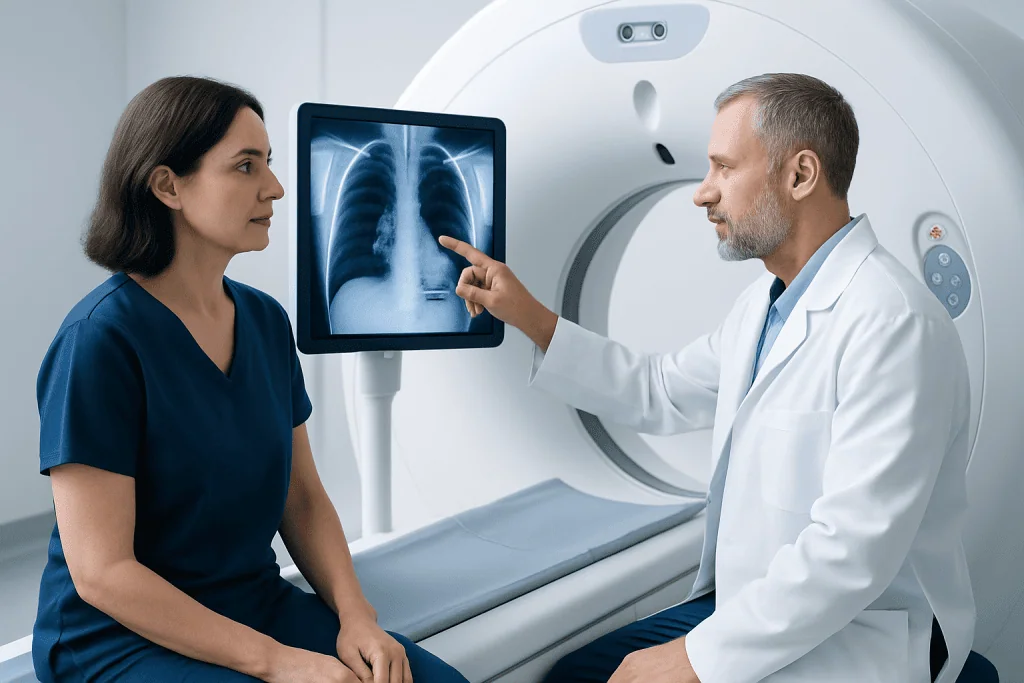
Most lung nodules do not cause symptoms. They are often discovered incidentally when imaging is done for chest pain, injury, infection, screening, or another unrelated reason. Because nodules are usually small, they do not typically affect breathing or irritate the lungs enough to be felt.
When symptoms are present, they are often related to the underlying cause rather than the nodule itself. For example, a recent infection may cause cough, fever, mucus, or fatigue. Inflammatory conditions can also bring chest discomfort or shortness of breath. These symptoms do not necessarily mean the nodule is dangerous, but they do help doctors understand the bigger picture.
Some symptoms should prompt medical review, especially if they are new or persistent. These include:
- A cough that does not improve
- Coughing up blood
- Unexplained weight loss
- Ongoing chest pain
- Shortness of breath
- Repeated chest infections
These signs can have many causes, including common noncancerous conditions, but they deserve professional evaluation. If a nodule is found in someone with symptoms, doctors will decide whether the spot is related or incidental.
Causes and risk factors

Lung nodules can develop for several reasons. Common benign causes include old bacterial infections, healed fungal infections, inflammatory conditions such as rheumatoid arthritis or sarcoidosis, and small areas of scarring. Noncancerous growths such as hamartomas can also appear as nodules on imaging. In some people, more than one factor may be involved.
Although most nodules are harmless, some can represent an early lung cancer or a spread from cancer elsewhere in the body. The chance of malignancy rises with certain risk factors. Doctors assess not only what the scan shows, but also who the patient is and what exposures they may have had over time.
Features that can increase concern include:
- Older age
- Current or past smoking
- A personal history of cancer
- A family history of lung cancer
- Exposure to asbestos, radon, or other inhaled toxins
- A larger nodule size
- Irregular, spiculated, or rapidly changing appearance on CT
- Location in the upper lobes of the lungs
Certain imaging patterns can suggest a lower risk. For example, some types of calcification and long-term stability over time often point to a benign cause. Even so, the final decision about follow-up is individualized and should be based on expert review.
How doctors decide whether follow-up is needed
Follow-up depends on the estimated risk that a lung nodule is cancerous. Small nodules in low-risk people often need either no follow-up or a limited number of repeat CT scans. Larger nodules, nodules with irregular borders, or nodules that are part-solid or ground-glass in appearance may need closer surveillance because they can behave differently from solid nodules.
Doctors commonly use established imaging guidance to choose the safest next step. The most important questions are whether the nodule is new, whether there are previous scans for comparison, and whether it grows. Stability over time is reassuring, while measurable growth can increase concern and lead to further testing.
Follow-up plans may include one or more of the following:
- A repeat low-dose chest CT after a set interval
- A review of older scans to check long-term stability
- PET-CT for nodules that are large enough and suspicious
- Referral to a pulmonologist, thoracic surgeon, or multidisciplinary lung team
- Biopsy or removal if the likelihood of cancer is significant
The timing of repeat imaging varies from person to person. It is based on the nodule’s size and type as well as the patient’s overall risk. This is why it is important not to compare one person’s plan with another’s without medical guidance.
Diagnosis and tests
The first step is usually a careful review of the imaging study that showed the nodule. CT scanning gives much more detail than a chest X-ray and is the main tool used to characterize lung nodules. Radiologists describe the size, shape, border, density, and location, all of which help estimate risk.
Doctors also take a detailed history. They ask about smoking, occupational exposures, recent infections, travel history, immune system problems, prior cancers, and family history. A physical exam may help identify signs of infection or chronic lung disease, although many people with nodules have a normal exam.
If more evaluation is needed, additional testing may be recommended. This can include PET-CT imaging to assess metabolic activity in selected nodules, especially when a nodule is large enough for the test to be informative. Some patients may also need blood tests or tests for infection, depending on their history and where they live.
When imaging cannot clearly determine the cause, tissue sampling may be considered. A biopsy can sometimes be done with a needle guided by CT, through bronchoscopy, or during surgery. In patients with a broader area of concern, doctors may also evaluate for related conditions such as lung cancer or chronic inflammatory lung disease.
Treatment options and specialist care
Not every lung nodule needs treatment. For many people, the safest and most appropriate approach is watchful follow-up with scheduled CT scans. This avoids unnecessary procedures while still checking for changes that might require action. Reassurance is often an important part of care, since waiting for follow-up can understandably cause anxiety.
If the nodule appears related to infection or inflammation, treatment is directed at that underlying cause. This may involve medication, observation, or follow-up imaging after the condition improves. If a nodule is strongly suspicious or shows growth, doctors may recommend biopsy or surgical removal to establish a diagnosis and, if necessary, treat the problem early.
Procedures are chosen based on where the nodule is located and how likely it is to be cancerous. Some nodules can be sampled with bronchoscopy, while others may be approached with a CT-guided needle biopsy. In select cases, surgical removal with thoracic surgery may be the best option for diagnosis and treatment at the same time.
Because decisions can be complex, a multidisciplinary team approach is often helpful. Pulmonologists, radiologists, pathologists, thoracic surgeons, and oncologists may work together to recommend the most appropriate plan. Near the end of the diagnostic pathway, patients who need international care may also seek evaluation at Acibadem International, where multidisciplinary specialists in JCI-accredited hospitals assess and treat lung nodules and related conditions.
Prevention, self-care, and lowering risk
Not all lung nodules can be prevented, but some steps can lower the risk of serious lung disease. Avoiding tobacco is the most important measure. People who smoke can benefit from support to quit, and former smokers should continue routine follow-up for lung health as advised by their doctor.
Reducing exposure to harmful inhaled substances also matters. This includes using workplace protection where needed, testing for radon when appropriate, and seeking timely treatment for lung infections. Keeping vaccinations up to date may help reduce some respiratory infections that can affect the lungs.
Self-care after a nodule is found often focuses on staying informed and keeping follow-up appointments. Helpful steps include:
- Bringing prior chest scans if available
- Asking for a clear written follow-up plan
- Noticing new symptoms such as cough, breathlessness, or blood in the sputum
- Managing chronic conditions like COPD or asthma well
- Avoiding missed imaging appointments
For people who meet screening criteria, low-dose CT screening may help detect problems earlier. Screening is different from nodule follow-up, but the two can overlap. A doctor can explain whether screening is appropriate and how it fits with an existing nodule surveillance plan.
When to see a doctor
Anyone told they have a lung nodule should discuss the result with a qualified doctor, even if the report sounds reassuring. Understanding whether the nodule is low risk, whether prior scans are needed for comparison, and whether a repeat CT is recommended can prevent both unnecessary worry and missed follow-up.
Prompt medical attention is especially important if there is coughing up blood, persistent chest pain, unexplained weight loss, worsening shortness of breath, or a long-lasting cough. These symptoms do not prove cancer, but they should not be ignored. The same is true if imaging shows a nodule that is growing or has suspicious features.
People with a higher baseline risk, such as current or former smokers or those with previous cancer, may benefit from specialist input sooner. In some cases, further assessment may also look for associated problems such as COPD or other lung conditions that influence symptoms and treatment choices.
When in doubt, it is reasonable to ask for clarification about the nodule’s size, type, and planned follow-up interval. A clear conversation with a doctor can help patients understand what is being watched, why it matters, and what signs should prompt earlier review.
Frequently asked questions
Are lung nodules usually cancer?
No. Most lung nodules are benign and may be related to old infections, inflammation, or scar tissue. The chance of cancer depends on factors such as size, appearance on CT, age, smoking history, and whether the nodule grows over time.
How often do lung nodules need follow-up scans?
There is no single schedule that fits everyone. Follow-up depends on the nodule’s size and type, along with the person’s overall risk factors. Some nodules need only one repeat CT, while others need longer surveillance.
Can a lung nodule go away on its own?
Some nodules related to infection or inflammation may shrink or resolve over time. Others remain stable for years without causing harm. Even if a nodule seems harmless, follow-up should match the doctor’s recommendation.
What size lung nodule is considered concerning?
In general, larger nodules deserve closer attention than smaller ones, but size is only one part of the assessment. Shape, border, density, and growth pattern also matter. A doctor uses all of these features together to estimate risk.
Do lung nodules cause symptoms?
Most do not. They are commonly found by chance during imaging for another reason. If symptoms are present, they may be caused by the underlying condition rather than the nodule itself.
When is a biopsy needed for a lung nodule?
A biopsy may be recommended when imaging suggests a meaningful risk of cancer or when a diagnosis cannot be made from scans alone. The decision depends on the nodule’s appearance, whether it is growing, and how safe it is to obtain a sample.
References
- American College of Chest Physicians
- Fleischner Society
- American Thoracic Society
- National Cancer Institute
- Radiological Society of North America
This article is for general information only and is not a substitute for professional medical advice. Please consult a qualified doctor about your individual situation.
Oncology care in Turkey — second opinion and treatment plan
JCI-accredited · board-certified surgeons · reply within 24h
Add us as a Preferred Source to see more of our trusted health content across Google Search, AI Overviews and Discover.