

What Are Dental Implants? Procedure, Benefits, and Limitations
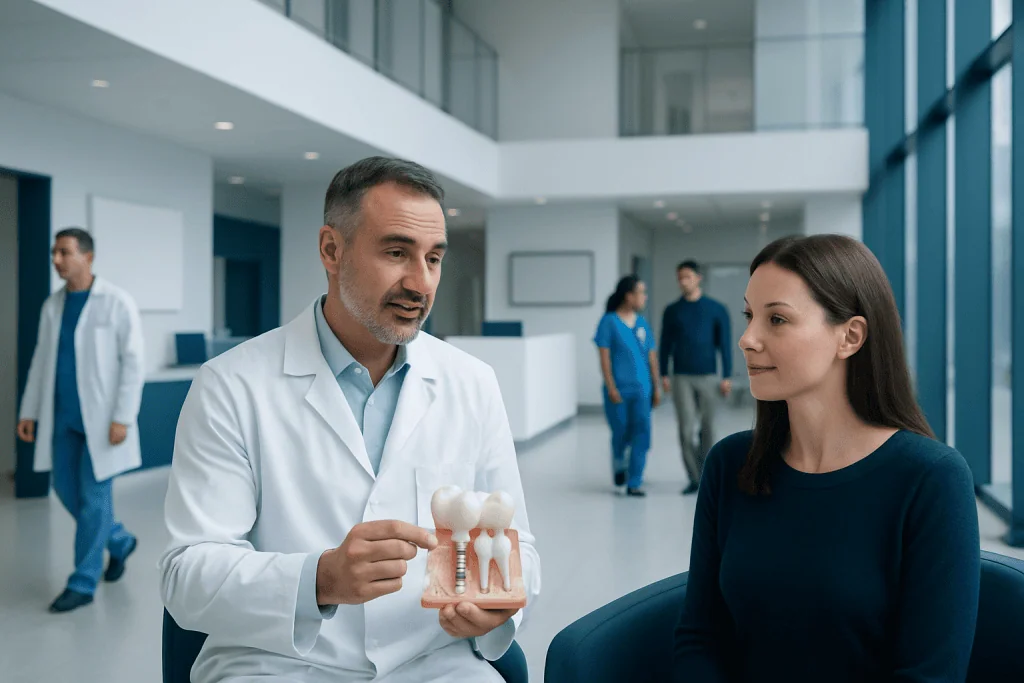
Dental implants are small posts placed in the jawbone to support a crown, bridge, or denture. They can improve chewing, speech, comfort, and appearance compared with some removable options.
Key Takeaways
- Dental implants are small posts placed in the jawbone to support a crown, bridge, or denture.
- They can improve chewing, speech, comfort, and appearance compared with some removable options.
- Not everyone is an immediate candidate; bone volume, gum health, smoking, and some medical conditions matter.
- Treatment usually happens in stages and healing can take several weeks to months.
- Good oral hygiene and regular dental follow-up are essential for long-term implant success.
Dental implants are a long-term option for replacing missing teeth. They are designed to look, feel, and function like natural teeth, but the best results depend on good oral health, adequate bone support, and careful planning.
Overview of Dental Implants
Dental implants are artificial tooth roots, most often made from titanium or other biocompatible materials, that are placed into the jawbone. Once healed, they act as a stable base for a replacement tooth or teeth. A single implant may support one crown, while multiple implants can support a bridge or a full-arch restoration.
Unlike removable dentures, implants are fixed in place and are intended to function more like natural teeth. They can help restore chewing ability, improve speech, and support facial structure by replacing missing tooth roots. Many people choose them because they often feel more secure and natural than removable options.
A complete implant restoration usually has three main parts: the implant post, an abutment that connects the parts, and the visible replacement tooth such as a crown. In some situations, implants may also be used to support full-arch solutions such as full-arch implant treatment or implant-supported full-mouth restoration. The right approach depends on how many teeth are missing, the condition of the jawbone, and the patient’s goals.
Who May Benefit From Dental Implants
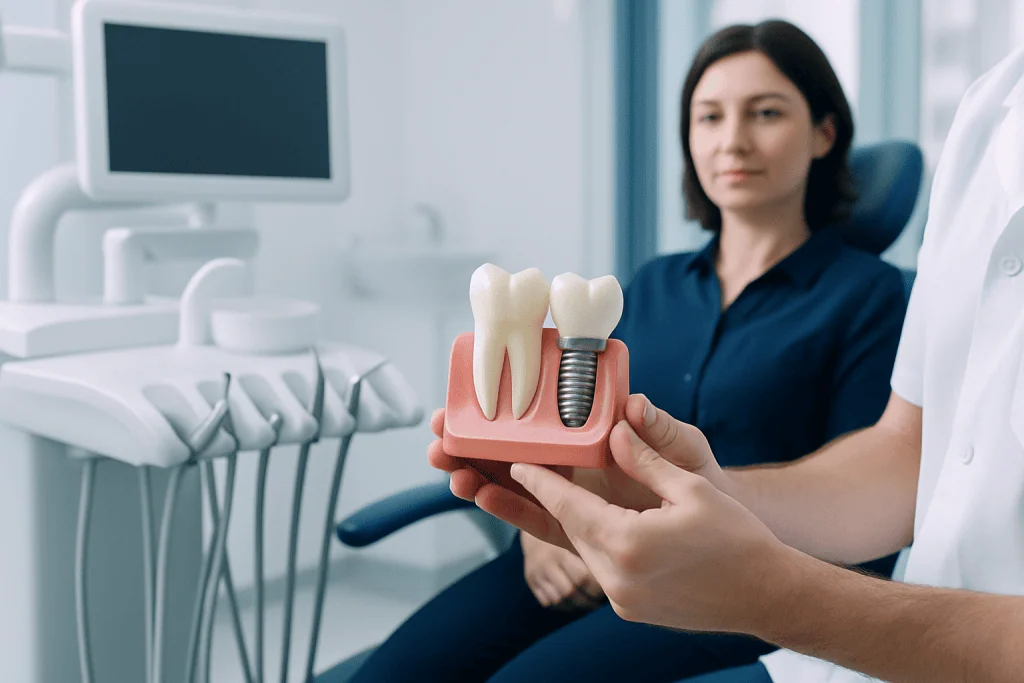
Dental implants may be suitable for adults who have lost one tooth, several teeth, or all teeth in one or both jaws. They can be used after tooth loss caused by decay, gum disease, trauma, or failed dental work. In many cases, implants help protect nearby teeth because they do not always require reshaping healthy adjacent teeth the way some bridges do.
People often benefit from implants when they want improved stability for eating and speaking. They may also be helpful for those who are uncomfortable with loose dentures or who want a fixed solution that better preserves the jawbone over time. A missing tooth is not only a cosmetic issue; it can also affect bite alignment and oral function.
That said, suitability is individual. A dentist or oral surgeon will consider general health, gum condition, bone quality, smoking status, and habits such as teeth grinding. A careful assessment helps identify whether implants are the best option or whether other treatments, such as a dental bridge, may be more appropriate in some cases.
The Dental Implant Procedure Step by Step
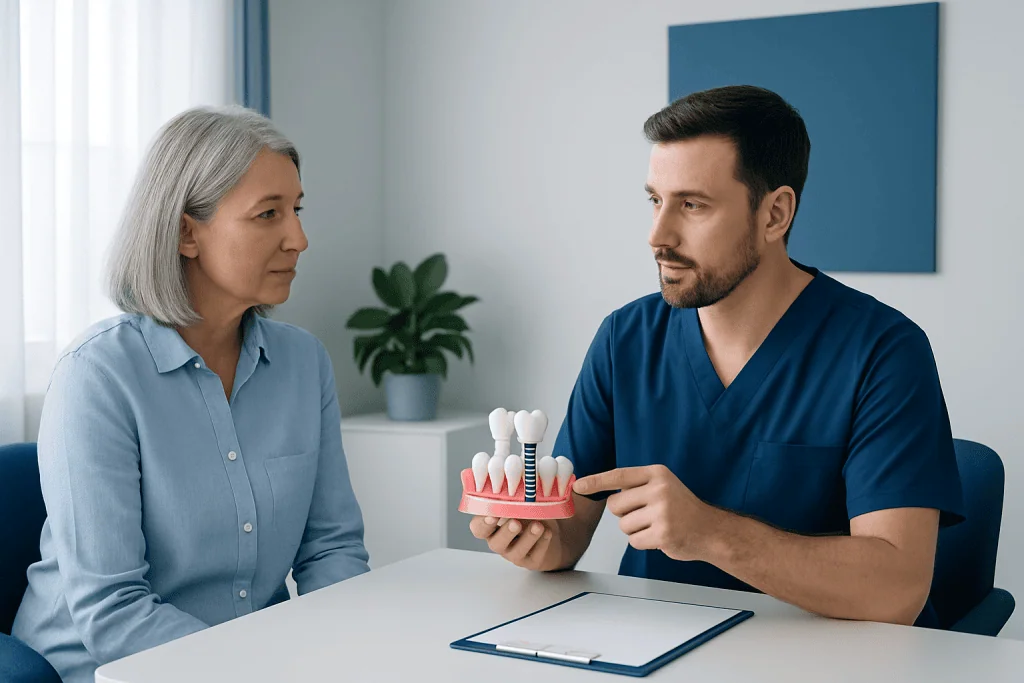
The dental implant procedure usually starts with consultation, examination, and planning. The dental team reviews the patient’s medical history, examines the mouth and gums, and uses imaging such as dental X-rays or 3D scans to assess bone volume and the position of nerves and sinuses. This stage helps determine how many implants are needed and whether additional procedures will be required.
If a damaged tooth is still present, it may need to be removed first. The implant is then placed into the jawbone during a minor surgical procedure, typically under local anesthesia and, when appropriate, sedation. After placement, the bone gradually bonds with the implant in a process called osseointegration. This healing stage is essential because it gives the implant long-term stability.
Once healing is sufficient, the dentist attaches an abutment and then the final restoration, such as a crown, bridge, or denture. Some patients may need supportive procedures before or during implant placement, including dental bone grafting if the jawbone is too thin or soft. For some individuals, care may be coordinated within broader general dentistry services to treat cavities, gum inflammation, or bite issues before implant treatment begins.
Timing varies from one person to another. In selected cases, an implant and temporary tooth can be placed soon after extraction. In others, a period of healing is needed first. The dentist explains the expected timeline, healing phases, and temporary tooth replacement options if needed.
Benefits of Dental Implants
One of the main benefits of dental implants is stability. Because they anchor into the jawbone, they can provide strong support for replacement teeth and may allow more confident biting and chewing. Many patients also appreciate that implants do not usually slip or click the way removable dentures sometimes can.
Implants can support oral health in other ways. When a tooth is lost, the jawbone in that area can gradually shrink because it is no longer stimulated by the tooth root. An implant can help maintain bone in the treated area. Preserving bone and spacing may help support facial contours and reduce unwanted movement of nearby teeth.
Appearance is another advantage. Implant-supported crowns and bridges are designed to blend with natural teeth in shape and color. They can improve smile aesthetics while also restoring everyday function. With proper care, implants can serve for many years, making them a dependable long-term option for many patients.
- Can feel more natural than removable dentures
- May improve chewing efficiency and speech clarity
- Can help preserve jawbone where a tooth is missing
- Do not always require support from neighboring teeth
- Can be used for single, multiple, or full-arch tooth replacement
Limitations, Risks, and Who May Not Be an Ideal Candidate
Although dental implants are widely used and effective, they are not the best choice for everyone. Successful treatment depends on healthy gums, good oral hygiene, and enough bone to support the implant. If bone has been lost over time, additional treatment may be needed before an implant can be placed. For some people, a removable denture or bridge may still be the simpler solution.
Smoking, uncontrolled diabetes, active gum disease, heavy teeth grinding, and certain medications or medical conditions can affect healing and implant success. These factors do not always prevent treatment, but they may increase risk and require closer planning. A dentist may recommend treating gum disease first or improving blood sugar control before moving forward.
As with any surgery, there are possible complications. These may include infection, bleeding, pain, delayed healing, damage to nearby structures, sinus issues in the upper jaw, or implant failure to bond properly with the bone. Long-term problems can also occur if plaque builds up around implants, leading to inflammation of the surrounding tissues.
These limitations should not be viewed as a reason to avoid care, but rather as a reason for thorough evaluation and realistic expectations. Careful case selection, experienced clinicians, and long-term follow-up can lower many risks and help patients understand both the benefits and the boundaries of implant treatment.
Diagnosis, Planning, and Recovery
Diagnosis and treatment planning are essential to safe implant care. The dental team may examine the bite, check for gum disease, review medical history, and assess bone structure with imaging. In some cases, they may also look for related problems such as clenching, grinding, or untreated infections that could interfere with healing.
Recovery after implant placement is usually manageable, but it requires patience. Mild swelling, discomfort, or bruising may occur for a few days. Most people can return to routine daily activities fairly soon, but they should follow instructions on eating, cleaning, and taking prescribed medicines. Soft foods are often recommended early in healing.
Oral hygiene remains very important during and after recovery. Brushing, cleaning around the implant area as advised, and attending follow-up visits help the tissues heal well. Even after treatment is complete, implants need regular professional checks because the gums and bone around them can still develop inflammation if not cared for properly.
For international patients seeking evaluation and treatment, Acibadem International’s multidisciplinary specialists in JCI-accredited hospitals diagnose and treat dental implant cases with individualized planning and follow-up.
Prevention, Self-Care, and Long-Term Maintenance
While missing teeth cannot always be prevented, many of the problems that lead to tooth loss can be reduced with consistent dental care. Daily brushing with fluoride toothpaste, cleaning between the teeth, limiting sugary foods and drinks, and scheduling regular dental checkups all support healthier teeth and gums. Early treatment of decay or gum disease may lower the chance of future tooth loss.
People who already have implants need long-term maintenance. Implants do not get cavities, but the gums and bone around them can still become inflamed. Regular professional cleaning and home care help reduce plaque buildup. If a person has a history of gum disease, they may need closer monitoring over time.
Lifestyle habits also matter. Stopping smoking, managing diabetes carefully, and using a night guard if recommended for grinding can all help protect implant health. If an implant crown feels loose, the bite changes, or bleeding develops around the implant, it is best to arrange a dental review rather than waiting for symptoms to worsen.
When to See a Dentist
A person should see a dentist if they have one or more missing teeth and want to understand their replacement options. A prompt evaluation is also helpful after tooth loss from injury or extraction because bone changes can begin over time. The earlier planning starts, the more choices may be available.
Anyone considering dental implants should also seek care if they have loose dentures, difficulty chewing, shifting teeth, or concerns about appearance and speech after tooth loss. A dentist can explain whether implants, bridges, or other restorative options fit the patient’s oral and medical situation.
Urgent dental advice is important if there is severe tooth pain, gum swelling, pus, fever, bleeding that does not stop, or trauma to the mouth. For people who already have implants, warning signs include persistent pain, mobility, swelling around the implant, or bleeding during brushing that does not improve. These symptoms do not always mean implant failure, but they should be checked promptly.
Frequently asked questions
What exactly is a dental implant?
A dental implant is a small artificial root placed into the jawbone to support a replacement tooth. After healing, it can hold a crown, bridge, or denture and is designed to function in a way that is similar to a natural tooth root.
Are dental implants permanent?
Dental implants are intended to be a long-term solution, but they are not guaranteed to last forever. The implant itself may last many years, while the crown or other restoration may eventually need maintenance or replacement. Long-term results depend heavily on oral hygiene, regular dental care, and overall health.
Is the dental implant procedure painful?
The procedure is usually performed with local anesthesia, so the area is numbed during treatment. Some soreness, swelling, or bruising may occur afterward, but this is often manageable with the dentist's aftercare advice. Experiences vary, and patients should discuss pain control options in advance.
How long does it take to get dental implants?
The timeline can vary widely. Some patients complete treatment in a shorter period, while others need several months because the bone must heal around the implant or because bone grafting or extractions are needed first. The dentist provides a personalized plan after examination and imaging.
Who is not a good candidate for dental implants?
People with active gum disease, inadequate bone support, uncontrolled diabetes, heavy smoking, or certain medical issues may not be ideal candidates until those factors are addressed. This does not always mean implants are impossible, but it may mean treatment needs to be delayed or modified.
Do dental implants require special care?
They require consistent care, but it is usually similar to caring for natural teeth. Daily brushing, cleaning between teeth, routine dental visits, and professional monitoring are important. Good care helps protect the gums and bone around the implant from inflammation.
References
- American Dental Association
- National Institute of Dental and Craniofacial Research
- Mayo Clinic
- National Health Service
- European Federation of Periodontology
This article is for general information only and is not a substitute for professional medical advice. Please consult a qualified doctor about your individual situation.
Dental Implants in Turkey — costs, top hospitals & a free quote
JCI-accredited · board-certified surgeons · reply within 24h
Add us as a Preferred Source to see more of our trusted health content across Google Search, AI Overviews and Discover.

Dental & Oral Health
Full-scope dental care from implants and aesthetics to oral and maxillofacial surgery.
158 specialists in this unitRelated Treatments
More from the Health Library



Related Specialists

Assoc. Prof. Dr. Ferit Bayram
Oral & Dental Health
Assoc. Prof. Dr. Yeliz Çavuşoğlu Yüce
Oral & Dental Health
Assoc. Prof. Dr. Mutlu Keskin
Oral & Dental Health
Prof. Dr. Ülkü Noyan
Oral & Dental Health