Bruxism: Early Signs, Causes, and Treatment Options

Bruxism is teeth grinding or clenching, often during sleep. It can cause jaw pain, tooth wear, and headaches, but treatment can help protect teeth.
Key Takeaways
- Bruxism can happen during sleep or while awake, and many people do not realize they are doing it.
- Common signs include jaw soreness, headaches, tooth sensitivity, and worn or chipped teeth.
- Stress, sleep problems, bite issues, and certain lifestyle factors may contribute to bruxism.
- Treatment often focuses on protecting the teeth, reducing triggers, and addressing any underlying causes.
- A dentist or doctor should assess persistent pain, tooth damage, or sleep-related symptoms.
Bruxism is the repeated grinding or clenching of the teeth, either during sleep or while awake. Although it is common and often manageable, ongoing bruxism can strain the jaw muscles, wear down teeth, and affect sleep and quality of life if left untreated.
Overview
Bruxism is the medical term for grinding, gnashing, or clenching the teeth. It can happen while a person is awake or asleep. Awake bruxism is often linked with concentration, stress, or habit, while sleep bruxism tends to occur without awareness and may be related to sleep patterns or other health factors.
Many people have mild or occasional bruxism that does not cause lasting harm. However, frequent or forceful grinding can place pressure on the teeth, jaw joints, and facial muscles. Over time, this may lead to tooth wear, cracks, sensitivity, headaches, and discomfort in the jaw or neck.
Because sleep bruxism happens unconsciously, a person may only learn about it when a partner hears grinding at night or when a dentist notices signs of damage. Early recognition matters because simple steps can often reduce symptoms and help prevent long-term dental problems.
Symptoms and Early Signs
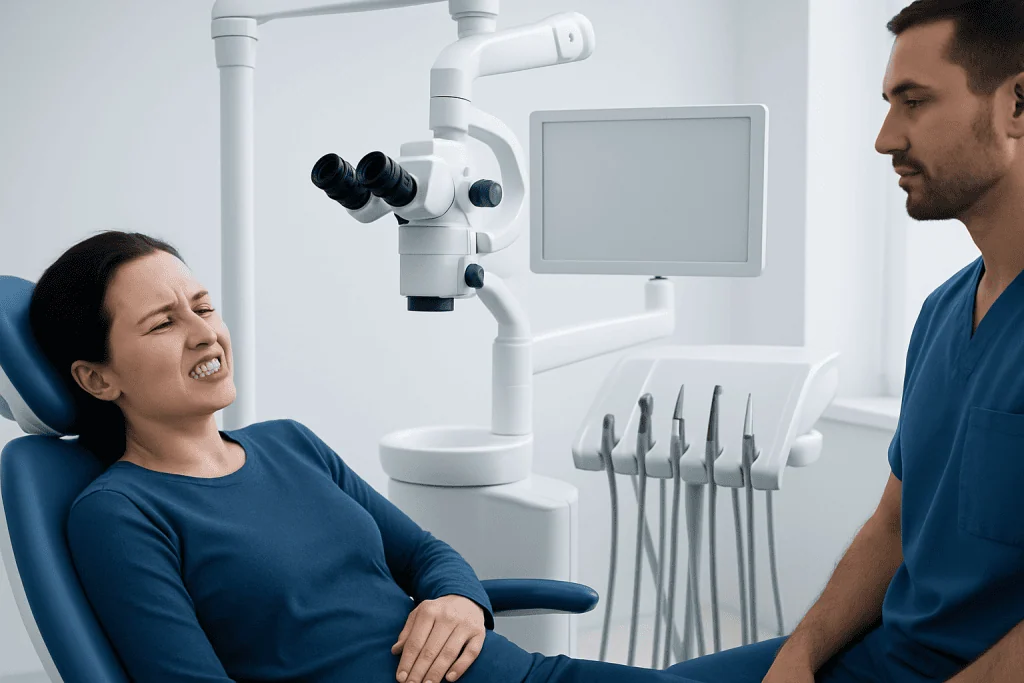
The early signs of bruxism can be subtle. Some people wake with a tired or sore jaw, especially around the cheeks or temples. Others notice morning headaches, ear-area discomfort without an ear infection, or a feeling that the teeth do not fit together comfortably after waking.
Dental changes are also common. Teeth may become flattened, chipped, cracked, or more sensitive to hot, cold, or sweet foods. A dentist may see worn enamel, small fractures, or indentations on the tongue and inside of the cheeks caused by repeated pressure and rubbing.
Symptoms vary from person to person, but common signs can include:
- Grinding or clenching sounds during sleep
- Jaw pain, tightness, or stiffness
- Headaches, especially in the morning
- Tooth sensitivity or unexplained dental pain
- Worn, loose, chipped, or cracked teeth
- Facial muscle fatigue
- Disturbed sleep for the person or a bed partner
If bruxism continues, it may also affect the temporomandibular joints, or TMJs, which connect the jaw to the skull. This can lead to clicking, limited mouth opening, or pain when chewing. Not every person with jaw symptoms has bruxism, but the two can occur together.
Causes and Risk Factors

Bruxism does not always have a single clear cause. In many cases, it develops from a combination of physical, psychological, and sleep-related factors. Stress and anxiety are among the most commonly recognized contributors, especially in awake bruxism. Concentration, frustration, and emotional tension can lead a person to clench the jaw without noticing.
Sleep bruxism is more complex. It may be associated with changes in sleep arousal, poor sleep quality, snoring, or obstructive sleep apnea. Lifestyle factors such as caffeine, alcohol, tobacco, and certain recreational substances may also increase the likelihood of grinding in some people. Some medicines, particularly those that affect the nervous system, can be linked to jaw clenching as a side effect.
Additional risk factors may include:
- High stress levels or anxiety
- Sleep disorders or irregular sleep
- Snoring or suspected sleep apnea
- Use of stimulants such as caffeine or nicotine
- Certain medications
- A family history of bruxism
- Misaligned teeth or bite problems in some cases
In children, bruxism can also occur and may improve with age. In adults, it sometimes appears alongside other dental or jaw conditions. A dental assessment can help distinguish bruxism from related issues and identify whether additional evaluation is needed.
How Bruxism Is Diagnosed
Diagnosis usually begins with a medical and dental history. The dentist or doctor asks about symptoms such as jaw pain, morning headaches, poor sleep, and tooth sensitivity. They may also ask whether a bed partner has heard grinding noises during sleep and whether stress or anxiety seems to worsen symptoms.
A dental examination looks for signs of tooth wear, cracks, fillings or crowns under strain, gum changes, and tenderness in the jaw muscles. The clinician may check how the teeth come together, assess mouth opening, and gently feel the jaw joints and chewing muscles for tightness or pain. In some people, bruxism is first detected during a routine visit in general dentistry.
When symptoms suggest a sleep disorder, further evaluation may be recommended. This can include a sleep assessment or, in selected cases, an overnight sleep study to look for problems such as sleep apnea. If severe tooth damage, repeated fractures, or jaw dysfunction is present, a more detailed dental plan may be needed to treat the effects of bruxism care and protect the teeth going forward.
Treatment Options
Treatment depends on the cause, the severity of symptoms, and whether the person is grinding during sleep or while awake. The main goals are to protect the teeth, reduce pain and muscle strain, and address any contributing factors. For many patients, treatment includes a custom night guard or splint worn during sleep. This does not always stop the grinding itself, but it can help reduce the pressure placed on the teeth and jaw.
Behavioral approaches can be useful, especially for awake bruxism. A person may be taught to notice when the jaw is clenched and to rest the tongue gently on the roof of the mouth with the teeth apart. Stress management, relaxation techniques, physical therapy exercises, and better sleep habits may also help. If anxiety, depression, or sleep disruption is a factor, treatment of those conditions can improve symptoms.
When tooth damage has already occurred, dental repair may be necessary. Depending on the extent of wear or fractures, a dentist may recommend smoothing rough edges, replacing damaged restorations, or rebuilding teeth with dental fillings or dental crowns. If a medication is suspected of contributing to clenching, a doctor may review alternatives, but medicines should never be changed without professional advice.
Some patients with significant jaw pain or suspected sleep apnea need care from more than one specialist. This may include a dentist, sleep specialist, primary care doctor, psychologist, or physiotherapist. Multidisciplinary care can be especially helpful when symptoms are persistent or when bruxism is occurring alongside snoring, disrupted sleep, or gum recession and other dental complications.
Prevention and Self-care
Not every case of bruxism can be prevented, but daily habits can make a meaningful difference. Reducing stress is often an important first step. Gentle stretching, breathing exercises, mindfulness, and regular physical activity may help relax the jaw and lower overall tension. Many people also benefit from keeping a consistent sleep schedule and creating a calm bedtime routine.
It can help to limit things that may worsen grinding, especially later in the day. This includes too much caffeine, nicotine, and alcohol. During waking hours, people who clench their teeth may place reminders on a computer or phone to check their jaw position. Ideally, the lips are closed, the teeth are slightly apart, and the jaw is relaxed.
Helpful self-care measures may include:
- Applying a warm compress to sore jaw muscles
- Choosing softer foods during painful flare-ups
- Avoiding gum chewing and biting hard objects
- Practicing posture awareness, especially at a desk
- Following the dentist’s advice on night guard use and dental hygiene
Routine dental visits are also important. They allow early detection of enamel wear, cracks, and bite changes before problems become more serious. Good preventive care supports overall oral health and can reduce the need for more extensive treatment later.
When to See a Doctor or Dentist
A person should consider professional evaluation if grinding or clenching is frequent, painful, or causing visible tooth changes. Ongoing morning headaches, jaw stiffness, tooth sensitivity, or a partner reporting loud nighttime grinding are all reasonable reasons to seek advice. Early care can help prevent progressive tooth damage and reduce discomfort.
More urgent assessment is appropriate if there is a cracked tooth, severe jaw pain, difficulty opening the mouth, or signs of a sleep disorder such as loud snoring, choking during sleep, or excessive daytime tiredness. These symptoms do not always mean bruxism is severe, but they deserve timely attention.
At Acibadem International, multidisciplinary specialists in JCI-accredited hospitals evaluate and treat bruxism and related dental concerns for international patients. A careful assessment can clarify the cause, rule out related conditions, and guide the most suitable treatment plan.
Frequently asked questions
What is the difference between awake bruxism and sleep bruxism?
Awake bruxism happens when a person clenches or grinds the teeth during the day, often during stress or concentration. Sleep bruxism occurs during sleep and usually happens without awareness. Both can strain the teeth and jaw, but sleep bruxism is often noticed later.
Can bruxism go away on its own?
Sometimes mild or temporary bruxism improves, especially if it is related to short-term stress or a passing sleep disturbance. However, persistent grinding or clenching should be evaluated because it can damage teeth over time. A dentist or doctor can help identify whether treatment is needed.
Does bruxism always cause pain?
No. Some people have significant tooth wear without much discomfort, while others develop jaw pain, headaches, or tooth sensitivity early on. The absence of pain does not always mean the condition is harmless, which is why routine dental checks are helpful.
Will a night guard cure bruxism?
A night guard mainly protects the teeth and may reduce stress on the jaw, but it does not always stop the grinding behavior itself. It is often one part of a broader plan that may also include stress reduction, sleep evaluation, or treatment for underlying conditions.
Is bruxism related to stress?
Stress is a common trigger, particularly for awake clenching. Emotional tension can make jaw muscles tighten without a person realizing it. Even so, stress is not the only cause, and sleep problems, medications, and lifestyle factors may also play a role.
Can children have bruxism?
Yes, children can grind their teeth, especially during sleep. In many cases it becomes less common as they grow, but persistent symptoms, pain, or dental wear should still be discussed with a dentist or pediatrician. Professional advice is especially important if sleep problems are suspected.
This article is for general information only and is not a substitute for professional medical advice. Please consult a qualified doctor about your individual situation.
Bruxism in Turkey — costs, top hospitals & a free quote
JCI-accredited · board-certified surgeons · reply within 24h
Add us as a Preferred Source to see more of our trusted health content across Google Search, AI Overviews and Discover.

Dental & Oral Health
Full-scope dental care from implants and aesthetics to oral and maxillofacial surgery.
151 specialists in this unit