

Acne Scar Treatment in Turkey: Cost Factors and Treatment Planning

The cost of acne scar treatment in Turkey depends mainly on scar severity, treatment technique, and number of sessions. A proper consultation is essential because different scar types often need different or combined treatments.
Key Takeaways
- The cost of acne scar treatment in Turkey depends mainly on scar severity, treatment technique, and number of sessions.
- A proper consultation is essential because different scar types often need different or combined treatments.
- Treatment plans may include lasers, microneedling, subcision, chemical peels, fillers, or scar-focused procedures.
- Recovery time, aftercare needs, and clinic standards can all affect overall treatment planning.
- Choosing a qualified dermatologist or plastic surgeon is more important than choosing the lowest price.
Acne scar treatment in Turkey is planned according to scar type, skin characteristics, treatment goals, and the number of sessions needed. Costs can vary widely because care is individualized rather than based on a single standard procedure.
Overview
Acne scars can affect skin texture, tone, and confidence long after active acne has cleared. They may appear as small depressions, rolling unevenness, deeper pits, or raised areas. Because scars differ in depth, shape, and location, treatment is rarely one-size-fits-all.
When people search for acne scar treatment in Turkey, they often want to understand both medical suitability and cost. In practice, pricing depends on the chosen method, how many sessions are needed, whether combination therapy is recommended, and the experience and facilities of the treatment center.
Turkey is a well-known destination for aesthetic and dermatologic procedures, but the most useful approach is to focus on treatment planning rather than price alone. A high-quality plan considers scar type, skin type, healing tendency, daily sun exposure, and realistic expectations. This helps patients understand what can be improved, how long treatment may take, and what factors may influence the final cost.
What Affects the Cost of Acne Scar Treatment?
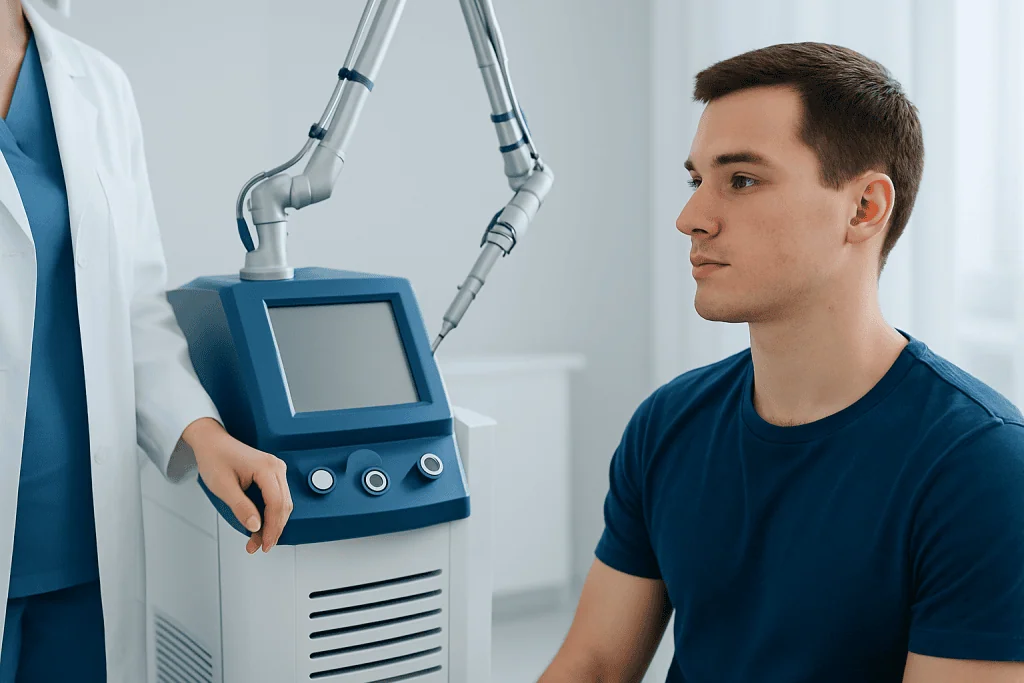
The biggest cost factor is the type and severity of scarring. Mild superficial scars may respond to less intensive treatments, while deep ice-pick, boxcar, or rolling scars often require more advanced procedures or repeated sessions. A patient with scars on multiple facial areas may also need a broader treatment plan than someone with a few isolated marks.
The specific technique used also matters. Some patients benefit from microneedling or chemical peels, while others may need laser resurfacing, subcision, punch techniques, or fillers. In many cases, specialists recommend a tailored program using more than one method, especially when scars vary in depth and pattern. A dedicated acne scarring treatment plan may therefore include staged sessions over several months.
Other common cost factors include:
- Number of sessions required
- Whether local anesthesia or sedation is needed
- Clinic standards, technology, and infection-control protocols
- Specialist expertise in scar revision and skin assessment
- Pre-treatment tests, medications, and follow-up visits
- Need for supportive skincare and strict sun protection after treatment
For international patients, travel-related expenses may also be relevant. These can include accommodation, transport, time away from work, and the possibility of staying longer if the skin needs review after a more intensive procedure. This is why a written treatment plan is usually more helpful than a simple quoted figure.
How Treatment Planning Is Done

Good treatment planning starts with a detailed consultation. The clinician assesses the type of acne scars, current skin condition, past acne treatments, previous procedures, medication history, and any tendency to develop abnormal scars such as keloid scars. Skin tone is especially important because some procedures can carry a higher risk of pigmentation changes in darker skin types.
The goals of treatment are also discussed carefully. Most procedures aim to soften scars and improve overall skin texture, not to make the skin perfectly scar-free. Clear expectations help patients choose a plan that balances visible improvement, downtime, safety, and budget.
Photos may be taken to document the baseline appearance and guide progress over time. The doctor may separate scars into categories such as:
- Ice-pick scars: narrow and deeper
- Boxcar scars: round or oval with defined edges
- Rolling scars: broad, wave-like depressions
- Post-inflammatory discoloration: red or brown marks left after acne
- Raised scars: thicker or firm scar tissue
Because these patterns often exist together, combination treatment is common. For example, one method may release tethered scars, while another smooths the skin surface and a third addresses discoloration. This step-by-step planning is one of the main reasons prices vary from person to person.
Common Treatment Options for Acne Scars
There is no single best treatment for every patient. Microneedling may help mild to moderate textural irregularities by stimulating collagen remodeling. Chemical peels can improve superficial unevenness and post-acne discoloration. Fractional laser treatments are often used for resurfacing and collagen stimulation, especially when a more noticeable textural change is needed.
Subcision is commonly used for rolling scars that are tethered beneath the skin. During this procedure, the fibrous bands pulling the skin downward are released to improve contour. Some patients may also be offered fillers to lift selected depressed scars, though this may be temporary and may need maintenance.
Deeper or sharply defined scars may need punch excision or other scar revision methods. In selected cases, specialists may also discuss broader approaches used in scar repair and skin reconstruction, especially when acne scarring coexists with other forms of scarring such as that seen after burns or trauma. Treatments that improve contour and tissue quality may be part of a wider reconstructive strategy, though acne scar management is usually more localized and skin-focused.
When planning care, doctors also consider how much downtime each option requires. Some treatments cause redness, swelling, peeling, or crusting for several days, while others involve a longer recovery period. Patients should ask not only what procedure is recommended, but why it suits their scar pattern and what kind of improvement is realistically expected.
Recovery, Aftercare, and Number of Sessions
Recovery depends on the intensity of treatment. Mild procedures may lead to temporary redness or sensitivity for a short time, while stronger resurfacing treatments can require more visible healing. The skin may look pink, dry, or flaky, and sun protection is especially important because healing skin is more vulnerable to irritation and pigmentation changes.
Aftercare often includes gentle cleansing, fragrance-free moisturizers, sun avoidance, and daily broad-spectrum sunscreen. Patients may also be told to pause certain active skincare ingredients for a period before and after treatment. Following these instructions supports healing and reduces the risk of complications.
Many acne scar treatments work gradually because collagen remodeling takes time. This means visible improvement may continue for weeks or months after a session. It also means that several appointments are often needed, particularly for moderate or severe scars. A treatment plan that seems more expensive at first may reflect a realistic, staged approach rather than unnecessary treatment.
Patients who travel for care should ask when they can fly, return to work, exercise, wear makeup, or resume their usual skincare products. Planning these practical details in advance can make the overall experience smoother and help avoid unexpected costs or scheduling problems.
How to Compare Clinics and Treatment Quotes
Comparing treatment offers can be difficult because one quote may include more than another. Some centers provide consultation, imaging, medications, aftercare products, or follow-up visits within the package, while others price these separately. For this reason, the lowest advertised cost does not always represent the best overall value or the most appropriate care.
It is sensible to ask who will perform the procedure, what technology will be used, how many sessions are expected, and what happens if the skin needs extra follow-up. Patients should also ask about the clinician’s experience with acne scars specifically, since scar treatment requires careful technique and planning. This is especially important for people with darker skin tones, active acne, sensitive skin, or a history of post-inflammatory pigmentation.
Questions that can help when reviewing quotes include:
- What type of scars are being treated?
- Why is this method recommended over other options?
- How many sessions are likely to be needed?
- What is included in the quoted price?
- What downtime and aftercare should be expected?
- What are the possible side effects and limitations?
Some patients may also benefit from evaluation by specialists in related facial procedures if contour irregularities, scar bands, or post-traumatic changes are more complex. In selected cases, wider aesthetic or reconstructive expertise can support planning, although acne scars are usually managed with skin-directed treatments rather than larger operations.
Who Is a Good Candidate?
Good candidates are usually people whose active acne is well controlled and who want to improve the appearance of textural scars, unevenness, or persistent marks. Treatment may be postponed if acne is still flaring frequently, because new breakouts can create new scars and interfere with results.
Candidacy also depends on skin type, medical history, and healing tendency. People using certain medications, those with recent tanning, those who are pregnant, or those with a history of abnormal scarring may need a modified plan or a delay in treatment. The doctor may suggest first treating active acne, pigmentation, or skin sensitivity before moving on to intensive scar procedures.
Patients with very high expectations may need extra counseling before starting. Acne scar treatment often produces meaningful improvement, but complete removal is uncommon. A careful consultation helps match the plan to the patient’s priorities, whether those are smoother skin, less visible pitting, reduced discoloration, or minimal downtime.
For international patients seeking coordinated care, Acibadem International’s multidisciplinary specialists and JCI-accredited hospitals evaluate acne scars and create individualized treatment plans, including options such as scar-focused therapies when appropriate.
When to See a Doctor
A doctor should be consulted if acne scars are affecting confidence, if over-the-counter skincare has not improved texture, or if there is uncertainty about which marks are scars and which are ongoing inflammation or pigmentation. Early assessment can also help prevent unnecessary treatments that are unlikely to help a particular scar type.
Medical review is especially important if there is active acne, frequent picking, signs of infection, or thick raised scars. Patients should also seek advice if they have tried procedures in the past without improvement, because the reason may be that the chosen method did not match the scar pattern.
A consultation is also useful before traveling abroad for treatment. It gives patients a chance to understand expected benefits, limitations, recovery time, and cost in a more complete way. With the right diagnosis and a realistic plan, acne scar treatment in Turkey can be approached safely and thoughtfully.
Frequently asked questions
How much does acne scar treatment in Turkey usually cost?
There is no single standard price because treatment depends on scar type, severity, and the number of sessions needed. Costs also vary by clinic standards, doctor experience, and whether combination therapy or follow-up care is included.
Why do some people need more than one acne scar treatment?
Acne scars are often mixed, with different depths and shapes on the same face. One method may improve one scar type well but be less effective for another, so combination treatment can provide a more balanced result.
Can acne scars be removed completely?
Most treatments aim to reduce the visibility of scars and improve skin texture rather than completely erase every mark. Many patients see meaningful improvement, but results vary according to the type of scars and the skin's healing response.
Is acne scar treatment painful?
Comfort depends on the procedure being used. Many treatments involve topical numbing or other measures to make the session more tolerable, and the treating team will explain what to expect before the procedure.
How long does recovery take after acne scar treatment?
Recovery can range from a day or two of mild redness to a longer period of visible healing after more intensive resurfacing. The exact timeline depends on the technique used, the depth of treatment, and how carefully aftercare instructions are followed.
What should patients ask during a consultation?
Helpful questions include which scar types are present, which treatment is recommended, how many sessions may be needed, what side effects are possible, and what is included in the quoted price. Patients should also ask about downtime, aftercare, and realistic expectations.
References
- American Academy of Dermatology
- National Health Service
- British Association of Dermatologists
- American Society for Dermatologic Surgery
- Mayo Clinic
This article is for general information only and is not a substitute for professional medical advice. Please consult a qualified doctor about your individual situation.
Scar Treatment in Turkey — costs, top hospitals & a free quote
JCI-accredited · board-certified surgeons · reply within 24h
Add us as a Preferred Source to see more of our trusted health content across Google Search, AI Overviews and Discover.

Related Treatments
Related Conditions
More from the Health Library



Related Specialists

Prof. Dr. Şükrü Yazar
Aesthetic Plastic & Reconstructive Surgery
Assoc. Prof. Dr. Erdem Güven (m)
Aesthetic Plastic & Reconstructive Surgery
Prof. Dr. Hakan Ağır
Aesthetic Plastic & Reconstructive Surgery
Prof. Dr. Bülent Saçak
Aesthetic Plastic & Reconstructive Surgery