Coronary Bypass Surgery Recovery in Older Adults: What Families Should Expect

Older adults often recover well after coronary bypass surgery, but healing may take longer than in younger patients. Fatigue, discomfort around the chest incision, poor appetite, and mood changes are common in the first weeks.
Key Takeaways
- Older adults often recover well after coronary bypass surgery, but healing may take longer than in younger patients.
- Fatigue, discomfort around the chest incision, poor appetite, and mood changes are common in the first weeks.
- Cardiac rehabilitation, medication adherence, and regular follow-up are important parts of recovery.
- Families play a key role by helping with mobility, meals, medicines, transport, and emotional reassurance.
- Urgent medical advice is needed for chest pain, breathing trouble, wound problems, fever, or sudden confusion.
Recovery after coronary bypass surgery in older adults is often steady but gradual. Families can help most by understanding the usual healing timeline, watching for warning signs, and supporting safe movement, medications, nutrition, and follow-up care.
Overview: What recovery usually looks like
Coronary bypass surgery, also called coronary artery bypass grafting or CABG, is performed to improve blood flow to the heart when coronary arteries are significantly narrowed or blocked. In older adults, this operation can reduce symptoms such as angina and help improve daily function. Recovery, however, does not end when the patient leaves the hospital. It continues over several weeks and sometimes months as the body heals from major surgery and gradually adapts to activity again.
Families often notice that recovery in an older person can be less predictable than expected. One day may seem encouraging, while the next brings tiredness, poor sleep, or lower energy. This variation is common. Age itself is only one factor; overall health, frailty, lung function, kidney function, diabetes, prior stroke, and how active the person was before surgery can all influence the pace of healing.
Most patients spend several days in the hospital after surgery. During that time, the care team monitors heart rhythm, breathing, pain, wound healing, and early movement. Once home, the focus shifts to safe walking, good nutrition, breathing exercises, medication routines, and follow-up visits. If needed, structured cardiac rehabilitation can provide supervised exercise, education, and support during this stage.
What families should expect in the first days and weeks
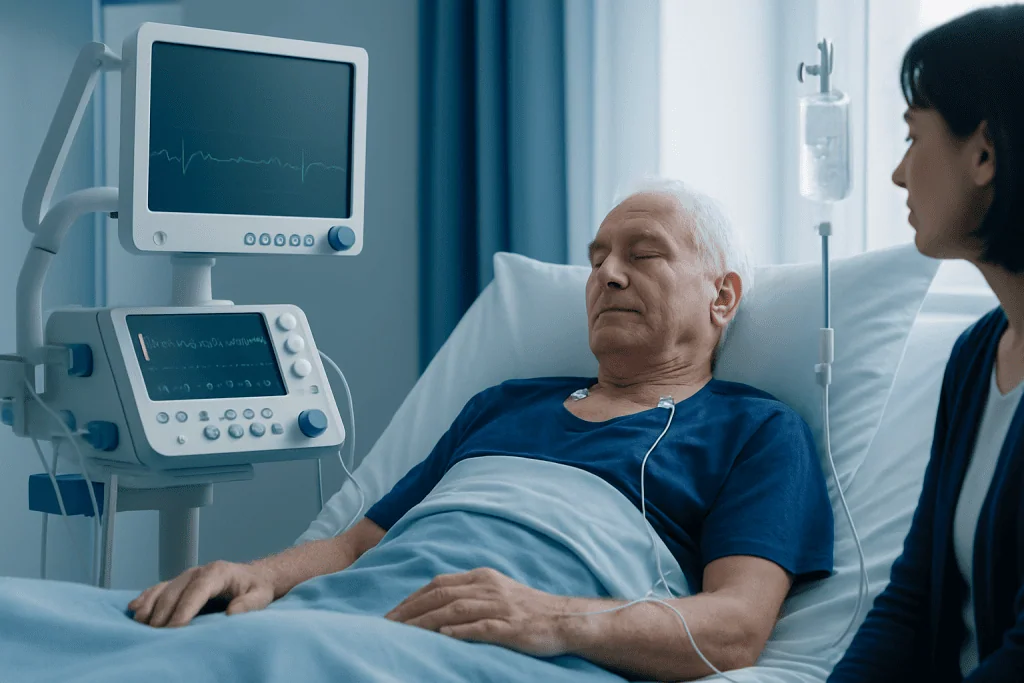
The first one to two weeks at home are usually the most demanding. It is common for older adults to feel very tired, need daytime naps, and have less stamina than before. Some people also have shoulder, neck, back, or chest discomfort from the operation and from limited movement in the hospital. If a vein was taken from the leg, that leg may swell mildly and feel sore for a time.
Appetite may be reduced at first, and sleep can be disrupted. Some patients report vivid dreams, difficulty concentrating, or emotional ups and downs. Mild forgetfulness or slower thinking can happen temporarily after major surgery, especially in older adults. Families can help by keeping routines calm and simple, offering regular fluids and small meals, and encouraging short walks rather than prolonged bed rest.
By about four to six weeks, many people begin to notice more strength and confidence in movement, although full recovery may take longer. If the breastbone was divided during surgery, there may be lifting and arm-use restrictions while it heals. The surgical team usually gives specific guidance about driving, bathing, stair climbing, sexual activity, and when normal household activities can resume. Following these instructions closely supports safer healing.
Common symptoms during recovery

Many symptoms during recovery are expected and do not necessarily mean something is wrong. These may include fatigue, mild shortness of breath with exertion, constipation, decreased appetite, trouble sleeping, and discomfort around the chest incision. A clicking sensation in the chest is not typical and should be reported, but soreness and tenderness are common early on.
Some older adults notice mild swelling in the feet or ankles, particularly if they are sitting for long periods or if a leg vein was used for the bypass graft. Wearing compression stockings if prescribed, elevating the legs, and walking regularly may help. It is still important to tell the care team about swelling, especially if it becomes one-sided, painful, or sudden.
Mood changes are also common. Anxiety about the heart, sadness, frustration, or fear of overexertion can affect recovery. Families may worry when a loved one seems quieter than usual, but emotional adjustment after heart surgery is well recognized. Gentle encouragement, social contact, and clear communication with the medical team can help. If low mood, withdrawal, or confusion is significant or persistent, medical review is advisable.
Factors that can affect recovery in older adults
Older patients are a diverse group, and recovery depends on more than age alone. Pre-existing medical conditions often play a major role. Diabetes can slow wound healing, chronic lung disease can make breathing exercises more difficult, and kidney disease may complicate fluid balance and medications. Frailty, reduced muscle mass, and memory problems can also make rehabilitation slower or more complex.
The reason for surgery matters as well. A planned bypass operation performed after careful evaluation may allow smoother recovery than emergency surgery done during an acute heart event. Some older adults undergo bypass because of advanced coronary artery disease, while others may also have related heart problems such as valve disease or arrhythmias. These combined issues can influence the hospital stay and the aftercare plan.
Social support is another major factor. Patients who have reliable help with meals, medicines, transport, and walking often manage the transition home more smoothly. Families should not hesitate to discuss practical needs with the healthcare team before discharge. Home nursing, physical therapy, or rehabilitation services may be recommended in some cases, especially when the patient lives alone or has limited mobility.
Treatment, follow-up, and rehabilitation after surgery
Recovery after bypass surgery involves more than healing the incisions. It also includes long-term treatment to protect the heart and reduce the chance of future problems. Most patients are prescribed several medications after CABG, which may include drugs to reduce blood clotting risk, lower cholesterol, control blood pressure, or manage heart rhythm. Families can support adherence by keeping an up-to-date medication list and using reminders or pill organizers if appropriate.
Follow-up appointments are important because they allow the surgeon and cardiologist to check wound healing, heart function, blood pressure, and any symptoms that may suggest complications. Some patients may also need monitoring for conditions such as heart failure or atrial fibrillation after surgery. If symptoms change suddenly, families should contact the medical team rather than waiting for the next routine visit.
Cardiac rehabilitation is often one of the most helpful parts of recovery. It combines supervised exercise, education, and guidance on lifestyle changes in a medically appropriate setting. For older adults, these programs can improve confidence, mobility, and endurance while teaching safe ways to increase activity. When further heart evaluation is needed during follow-up, tests or specialist care such as cardiology evaluation may be recommended based on individual needs.
Prevention, self-care, and how families can help at home
At home, the main goals are to support healing, prevent complications, and gradually rebuild strength. Short, frequent walks are usually better than long periods of bed rest. Good hand hygiene, careful incision care, deep breathing exercises if advised, and regular position changes can lower the risk of infection and lung problems. Balanced meals with enough protein and fluid can also support recovery, especially when appetite is reduced.
Families can make recovery safer by simplifying daily tasks. Helpful steps may include removing tripping hazards, placing commonly used items within reach, arranging a comfortable sleeping area, and ensuring the patient has assistance with shopping, lifting, or transportation. It is also useful to keep a daily record of temperature, symptoms, medicines, and walking progress during the early weeks.
Heart-healthy habits remain important after surgery because bypass grafts do not cure the underlying process of artery disease. Stopping smoking, controlling diabetes, managing blood pressure, and following a heart-conscious eating pattern all matter in the long term. In some patients, ongoing treatment for atherosclerosis and risk factor management is central to preventing future cardiac events.
Near the end of recovery planning, some families benefit from care in centers with coordinated cardiac services. Acibadem International’s multidisciplinary specialists and JCI-accredited hospitals diagnose and treat heart conditions for international patients, including surgical aftercare and coronary bypass surgery follow-up when appropriate.
When to call a doctor urgently
Families should receive clear discharge instructions about when to seek medical advice. Urgent review is usually needed for chest pain that is new, severe, or different from expected incision discomfort; shortness of breath at rest; fainting; a rapid or irregular heartbeat; or sudden weakness. These symptoms should never be ignored, especially in the early recovery period.
Signs of infection also need prompt attention. These can include fever, increasing redness around the incision, warmth, swelling, pus, a bad odor, or worsening pain at the wound site. If the breastbone incision seems to open, drain, or become unstable, the surgical team should be contacted immediately.
In older adults, confusion can sometimes be the first sign that something is wrong. Sudden disorientation, marked drowsiness, refusal to eat or drink, or a dramatic change in behavior can point to infection, medication problems, dehydration, low oxygen, or other complications. When there is uncertainty, it is safer to contact a qualified doctor promptly for guidance.
Frequently asked questions
How long does coronary bypass surgery recovery take in older adults?
Recovery varies from person to person, but many older adults need several weeks to regain basic strength and a few months for fuller recovery. Progress may be slower if the patient has frailty, diabetes, lung disease, kidney disease, or other medical conditions.
Is it normal for an older person to feel very tired after bypass surgery?
Yes. Fatigue is one of the most common symptoms after major heart surgery, especially in the first weeks. Energy usually improves gradually with rest, walking, nutrition, and rehabilitation, but severe or worsening exhaustion should be discussed with a doctor.
What can family members do to help at home?
Families can help by organizing medicines, preparing simple nutritious meals, encouraging short walks, and making the home safer to move around in. Emotional support also matters, because older adults may feel anxious, low in mood, or uncertain about activity after surgery.
When can an older adult start walking and exercising again?
Walking usually starts very soon after surgery and continues at home in short, gradual sessions. The pace and amount should follow the surgeon’s and cardiologist’s advice, and many patients benefit from a formal cardiac rehabilitation program.
Are confusion or memory problems common after bypass surgery?
Mild short-term changes in attention, memory, or sleep can happen after major surgery, especially in older adults. However, sudden or severe confusion is not something families should ignore, because it may signal infection, dehydration, medication side effects, or another complication.
What warning signs mean a doctor should be contacted urgently?
Urgent medical advice is needed for new chest pain, breathing difficulty, fainting, a fast or irregular heartbeat, fever, or signs of wound infection. Sudden confusion, one-sided weakness, or severe swelling should also be assessed promptly.
References
- American Heart Association
- National Institute on Aging
- National Heart, Lung, and Blood Institute
- Society of Thoracic Surgeons
- European Society of Cardiology
This article is for general information only and is not a substitute for professional medical advice. Please consult a qualified doctor about your individual situation.
Heart care in Turkey — expert evaluation and treatment
JCI-accredited · board-certified surgeons · reply within 24h
Add us as a Preferred Source to see more of our trusted health content across Google Search, AI Overviews and Discover.

More from the Health Library


Related Specialists

Assoc. Prof. Dr. Musa Öztürk
Neurology
Dr. Sevil Elçin Kızılok
Pediatrics
Dr. Serkan Selvi
Internal Medicine
Asst. Prof. Dr. Berkhan Yilmaz
Aesthetic Plastic & Reconstructive Surgery