How to Choose a Bone and Joint Center for Surgery or Specialist Care

The best bone and joint center depends on the patient's condition, goals, age, and overall health. Look for experienced orthopedic specialists, strong diagnostics, rehabilitation services, and clear care coordination.
Key Takeaways
- The best bone and joint center depends on the patient's condition, goals, age, and overall health.
- Look for experienced orthopedic specialists, strong diagnostics, rehabilitation services, and clear care coordination.
- Surgical capability matters, but so do non-surgical treatment options and recovery planning.
- Patients should ask about infection prevention, complication management, and who will oversee follow-up care.
- A center that communicates clearly and supports informed decisions can improve confidence and continuity of care.
Choosing a bone and joint center can affect diagnosis, treatment options, recovery, and overall patient experience. A well-matched center offers the right specialists, imaging, surgical expertise, rehabilitation, and communication for a person's specific bone, joint, or spine needs.
Overview: What a Bone and Joint Center Does
A bone and joint center focuses on conditions that affect the musculoskeletal system, including bones, joints, muscles, ligaments, tendons, and often the spine. These centers may evaluate common problems such as arthritis, sports injuries, fractures, back pain, tendon tears, and joint wear, as well as more complex issues that need coordinated specialist care.
Some centers mainly provide consultations, imaging, injections, and rehabilitation, while others also perform advanced surgery. Depending on the setting, care may involve orthopedic surgeons, physiatrists, rheumatologists, pain specialists, radiologists, physical therapists, and rehabilitation teams working together. This team-based approach can be especially helpful when symptoms have more than one cause.
Choosing the right center is not only about finding a surgeon. It is also about making sure the facility can provide a careful diagnosis, explain all suitable treatment choices, support recovery, and respond if complications or unexpected findings arise. For many people, the best center is the one that matches their specific condition rather than the one that simply offers the most procedures.
How to Match the Center to the Patient’s Needs

The first step is to identify why care is needed. A person with chronic knee pain from wear-and-tear may need a different type of team than someone with a sports ligament injury, a spinal problem, or a complex fracture. A center that is excellent for routine joint replacement may not be the ideal fit for pediatric orthopedics, tumor-related bone disease, or highly specialized hand surgery.
It helps to consider whether the goal is diagnosis, non-surgical treatment, surgery, second opinion review, or rehabilitation after an operation. For example, some patients need expert imaging and conservative treatment before surgery is even considered. Others may already know they need a procedure such as knee replacement or hip replacement and want a center with strong experience in that area.
Age, activity level, work demands, and overall health also matter. An older adult with osteoporosis, heart disease, or diabetes may benefit from a center that coordinates closely with internal medicine and anesthesia teams. A younger athlete may prefer access to sports medicine, advanced imaging, and tailored rehabilitation. The right match supports both safety and recovery.
When symptoms involve uncertainty, a broad musculoskeletal center can be valuable because it can distinguish between conditions with similar signs, such as referred pain from the spine versus a true joint disorder. In some situations, doctors may also evaluate related conditions such as osteoarthritis or scoliosis to guide the most appropriate plan.
Specialist Expertise and Team Structure to Look For
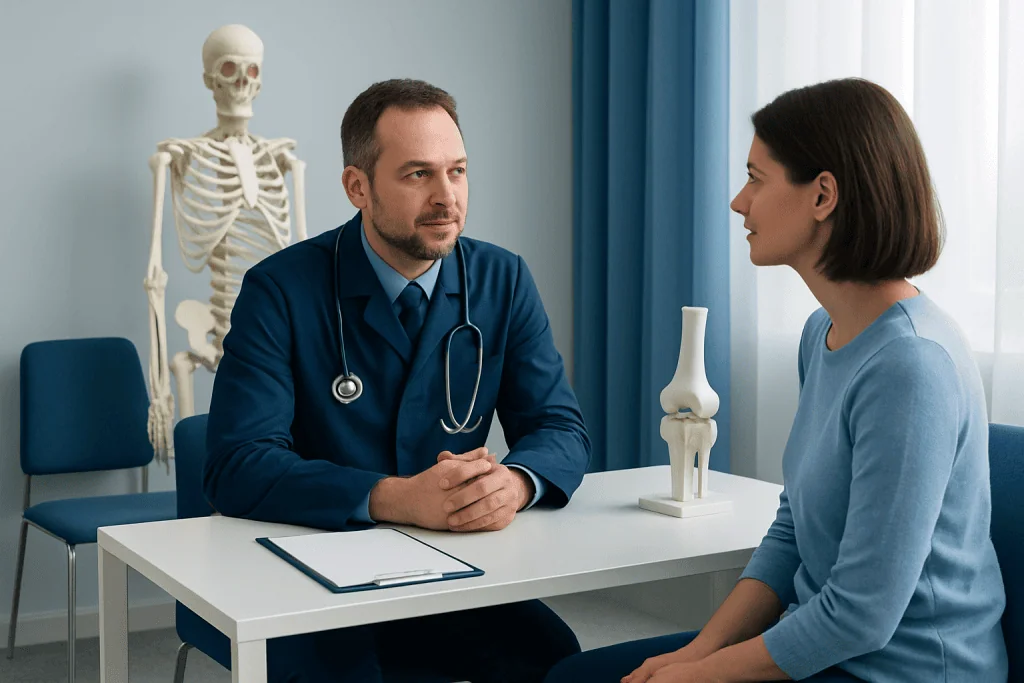
Experience is one of the most important factors when choosing a bone and joint center. Patients can ask whether the doctors regularly treat their specific condition, how often they perform the recommended procedure, and whether the center has dedicated teams for areas such as hip and knee surgery, spine care, sports injuries, foot and ankle problems, shoulder and elbow disorders, or hand surgery.
It is also useful to understand who will be involved in care. In some centers, one lead physician coordinates diagnosis, treatment, and follow-up. In others, patients may see several specialists. Neither model is automatically better, but coordination should be clear. Patients should know who to contact with questions, who reviews test results, and who manages postoperative concerns.
High-quality centers often combine surgical and non-surgical expertise. This matters because not every bone or joint problem requires an operation. Access to physical medicine, pain management, image-guided injections, rehabilitation, and lifestyle guidance can help ensure that surgery is recommended only when it is truly appropriate.
For more complex needs, multidisciplinary review can be particularly helpful. A person with severe back and leg pain, for example, may need assessment from rehabilitation specialists, radiologists, and spine surgeons before considering spine surgery. A center that brings these perspectives together can support balanced decision-making.
Diagnostics, Technology, and Treatment Range
A strong bone and joint center should be able to make an accurate diagnosis efficiently. This often includes access to appropriate imaging such as X-rays, MRI, CT, ultrasound, and bone density testing when needed. Good diagnostic services do not mean using more tests than necessary; they mean choosing the right tests and interpreting them in the context of symptoms, examination findings, and medical history.
Patients may also wish to ask how treatment decisions are made. The most helpful centers generally offer a full range of options, beginning with conservative care whenever suitable. These may include physical therapy, bracing, medication guidance, activity modification, weight management support, and injections. When surgery is advised, the reason should be clear, and expected benefits and limitations should be explained in understandable language.
Technology can support care, but it should not be the only factor guiding a decision. Navigation systems, minimally invasive techniques, arthroscopy, and advanced implants may be useful in selected cases. However, the most important question is whether the technology is appropriate for the patient’s diagnosis and whether the team has meaningful experience using it.
Centers that provide both surgery and rehabilitation under one system may offer smoother care transitions. A patient being assessed for robotic knee replacement or another procedure may benefit from having imaging, anesthesia assessment, surgery planning, inpatient care, and physical therapy coordinated in one place.
Safety, Quality Standards, and Recovery Support
Safety should be a central part of the decision. Patients can ask about infection prevention practices, blood clot prevention, anesthesia evaluation, pain control plans, and how the center handles emergencies or complications. It is reasonable to ask whether the hospital or surgical facility follows recognized accreditation and quality standards, especially if surgery is being planned.
Recovery support is equally important. Bone and joint treatment often does not end when the procedure is over or the diagnosis is made. Physical therapy, mobility training, home exercise guidance, wound care instructions, and follow-up appointments are all part of a successful recovery plan. A center that explains this process clearly can help patients prepare realistically.
Patients who are older or who have other health conditions may need additional support before and after surgery. Preoperative assessment, medication review, nutrition guidance, and discharge planning can reduce stress and improve readiness. If a person is traveling for care, it is especially helpful to ask how follow-up will be managed once they return home.
Near the end of the decision process, some people also consider whether the center has experience caring for international patients. Acibadem International’s multidisciplinary specialists and JCI-accredited hospitals diagnose and treat bone, joint, and spine conditions for patients coming from abroad, with coordinated planning across evaluation, treatment, and recovery.
Questions Patients Should Ask Before Choosing a Center
Practical questions can reveal a great deal about how a center works. Patients may want to ask how quickly appointments are available, whether same-day imaging is possible, how second opinions are handled, and how long it usually takes to move from diagnosis to treatment. These details can affect both convenience and peace of mind.
It is also important to ask condition-specific questions. Someone considering surgery can ask whether non-surgical options have been fully explored, what the main risks and expected recovery milestones are, and how success is measured. Patients should feel comfortable asking why a particular procedure is being recommended instead of another approach.
Helpful questions may include:
- Does the specialist regularly treat this exact problem?
- What tests are truly necessary to confirm the diagnosis?
- What are the non-surgical and surgical options?
- Who will coordinate care before and after treatment?
- What kind of rehabilitation will be needed, and for how long?
- How are pain control, infection prevention, and complication management handled?
- If a second opinion is desired, can records and images be reviewed easily?
Clear, respectful answers matter. A good center supports informed decisions rather than rushing them. Patients should come away understanding the diagnosis, the next steps, and what outcomes are realistic for their situation.
Practical Considerations: Access, Communication, and Cost Planning
Even an excellent center may not be the best fit if communication is poor or logistics are difficult. Patients benefit from centers that explain appointments, imaging, procedures, and recovery expectations clearly. Interpreter services, written instructions, digital access to results, and responsive care coordinators can make a significant difference, especially for international or older patients.
Location and access also matter. Surgery may require repeated visits for evaluation, preoperative testing, follow-up, and rehabilitation. Patients should think about travel time, support at home, and whether physical therapy can be completed nearby if the operation takes place farther away. Convenience alone should not decide care, but it does affect the overall experience.
Cost planning is another practical step. Patients can ask for a clear overview of consultation fees, imaging, hospital charges, surgeon and anesthesia fees, implant-related costs when relevant, and rehabilitation expenses. Insurance coverage, preauthorization, and payment policies may vary, so it is wise to clarify these details early.
Finally, patients should pay attention to how they feel during the consultation process. A center that listens carefully, respects questions, and explains uncertainty honestly often provides a stronger foundation for long-term care than one that focuses only on speed or sales-like promises.
When to Seek Specialist Care Promptly
Many bone and joint symptoms can be assessed in a routine clinic visit, but some situations deserve prompt medical attention. These include severe pain after an injury, inability to bear weight, visible deformity, sudden weakness, loss of sensation, fever with a painful swollen joint, or symptoms that suggest a fracture, dislocation, infection, or nerve compression.
Patients should also seek specialist input if pain persists despite rest and basic treatment, if joint function continues to decline, or if symptoms interfere with work, sleep, mobility, or daily activities. Early evaluation can sometimes prevent worsening damage and may broaden the range of available treatment options.
For people who have already been advised to have surgery, a second opinion may be helpful when the diagnosis is unclear, the planned procedure is major, or there are several possible approaches. A reliable bone and joint center should welcome well-informed questions and support careful decision-making.
The best choice is usually a center that combines relevant expertise, thoughtful diagnosis, appropriate treatment options, and dependable recovery support. With those elements in place, patients can move forward with more clarity and confidence.
Frequently asked questions
What is a bone and joint center?
A bone and joint center is a medical service focused on problems affecting bones, joints, muscles, tendons, ligaments, and often the spine. It may provide diagnosis, non-surgical treatment, surgery, rehabilitation, or a combination of these services.
How do patients know if they need a specialist center instead of a general clinic?
A specialist center may be useful when symptoms are persistent, complex, surgery is being considered, or earlier treatment has not helped enough. It can also be helpful when advanced imaging, multidisciplinary review, or rehabilitation planning is needed.
Is the best bone and joint center always the one that offers surgery?
Not necessarily. A strong center should offer both non-surgical and surgical options and explain which approach fits the patient's condition. Surgery is only one part of musculoskeletal care, and many problems improve with conservative treatment.
What should patients ask before agreeing to bone or joint surgery?
They should ask why the procedure is recommended, what alternatives exist, what benefits and risks are expected, and how recovery will be managed. It is also helpful to ask who will provide follow-up care and what rehabilitation will be needed.
Does newer technology always mean better orthopedic care?
No. Advanced tools can be helpful in selected cases, but the most important factors are accurate diagnosis, appropriate treatment selection, and team experience. Technology works best when it is used for the right patient and the right problem.
When is a second opinion a good idea?
A second opinion can be valuable when the diagnosis is uncertain, symptoms are severe, surgery is major, or more than one treatment path seems possible. It can help patients better understand their options and feel more confident about the plan.
References
- American Academy of Orthopaedic Surgeons
- National Institute of Arthritis and Musculoskeletal and Skin Diseases
- OrthoInfo
- World Health Organization
This article is for general information only and is not a substitute for professional medical advice. Please consult a qualified doctor about your individual situation.
Joint and spine care in Turkey — expert assessment & treatment
JCI-accredited · board-certified surgeons · reply within 24h
Add us as a Preferred Source to see more of our trusted health content across Google Search, AI Overviews and Discover.