Arthroscopy: How Minimally Invasive Joint Surgery Works
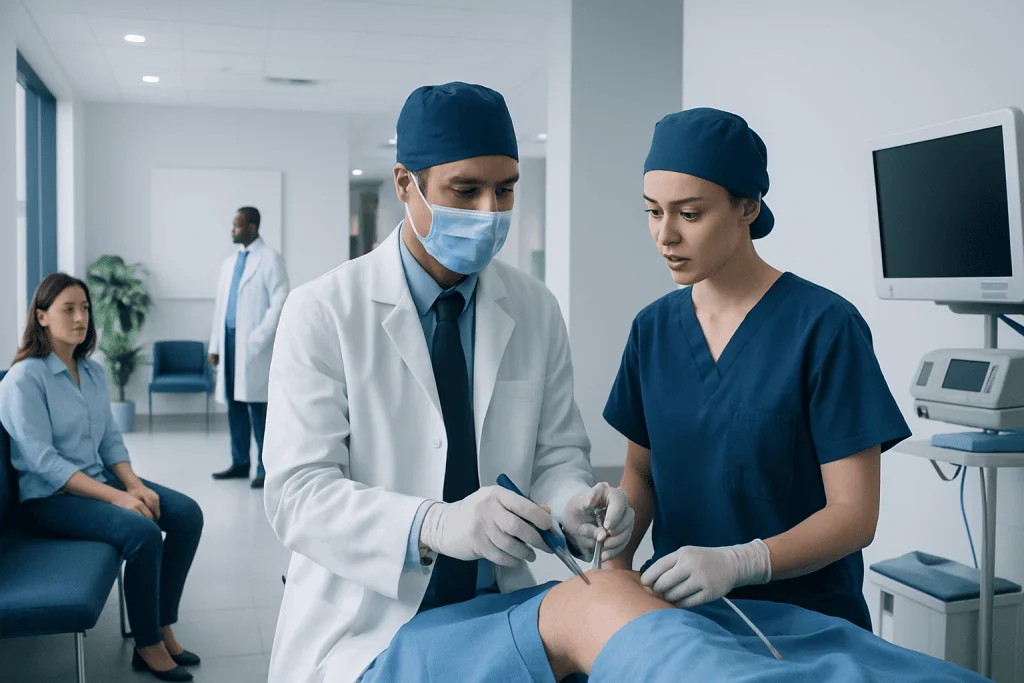
Arthroscopy uses a tiny camera and small surgical instruments inserted through small cuts around a joint. It can be used for both diagnosis and treatment, depending on the joint problem.
Key Takeaways
- Arthroscopy uses a tiny camera and small surgical instruments inserted through small cuts around a joint.
- It can be used for both diagnosis and treatment, depending on the joint problem.
- Common reasons for arthroscopy include meniscus tears, ligament injuries, cartilage damage, and shoulder problems.
- Recovery time varies by joint and procedure, but rehabilitation and activity restrictions are important for healing.
- Not every joint problem needs surgery; a specialist will weigh symptoms, imaging results, and non-surgical options first.
Arthroscopy is a minimally invasive surgical procedure used to look inside a joint and treat certain problems through small incisions. It can help diagnose and manage conditions affecting the knee, shoulder, ankle, hip, wrist, or elbow while often allowing a faster recovery than traditional open surgery.
Overview: What Arthroscopy Is
Arthroscopy is a surgical procedure that allows a doctor to examine and treat the inside of a joint using a small camera called an arthroscope. The camera is inserted through a small incision, and the images are displayed on a screen so the surgeon can see the joint in detail. Small instruments can be placed through one or more additional incisions to repair or remove damaged tissue.
This approach is considered minimally invasive because it usually involves smaller cuts than traditional open surgery. In many cases, this means less disruption to nearby muscles and soft tissues, less postoperative discomfort, and a shorter hospital stay. Some arthroscopic procedures are even done as day surgery, depending on the joint involved and the complexity of treatment.
Arthroscopy is commonly performed on the knee and shoulder, but it may also be used for the ankle, hip, elbow, and wrist. It can help with both diagnosis and treatment when symptoms such as pain, swelling, locking, instability, or reduced movement suggest a problem inside the joint.
How Arthroscopy Works
During arthroscopy, the surgeon makes a small incision near the joint and inserts the arthroscope. Sterile fluid is often used to expand the joint space slightly, which improves visibility. The camera sends magnified images to a monitor, helping the surgeon inspect cartilage, ligaments, tendons, the joint lining, and other structures.
If treatment is needed, the surgeon can use specialized instruments through additional small incisions. Depending on the problem, this may include trimming torn cartilage, repairing a meniscus, smoothing damaged tissue, removing loose fragments, treating inflammation, or reconstructing a ligament. The exact steps vary according to the joint and diagnosis.
Anesthesia may be local, regional, or general. The choice depends on the type of procedure, the joint being treated, the patient’s overall health, and surgeon and anesthesiologist recommendations. After the procedure, the small incisions are closed and covered, and the patient is monitored before going home or being transferred for further care if needed.
When Arthroscopy May Be Recommended
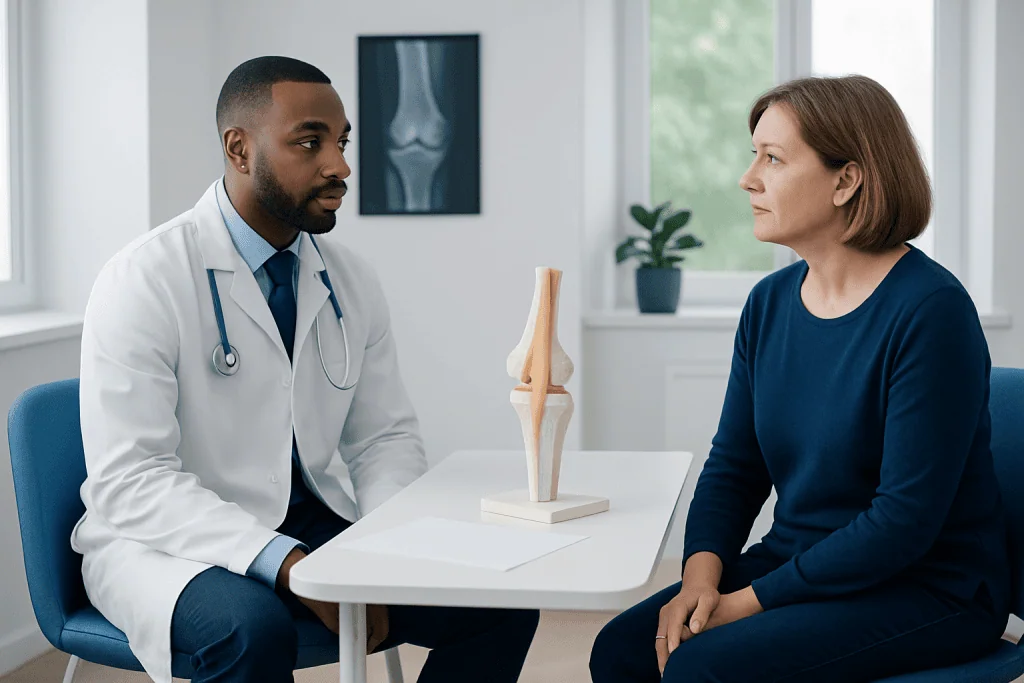
Arthroscopy may be recommended when symptoms suggest a problem inside the joint and non-surgical treatment has not provided enough relief. Doctors often consider it after a period of rest, medication, physical therapy, activity modification, or injections, especially if pain or limited function continues to interfere with daily life.
In the knee, arthroscopy may be used for some meniscus tears, cartilage problems, loose bodies, inflammation of the joint lining, or certain ligament-related issues. In the shoulder, it may help treat rotator cuff problems, labral tears, impingement, instability, or recurrent dislocations. Procedures such as meniscus surgery or ACL reconstruction may be performed arthroscopically in selected patients.
Arthroscopy may also help evaluate or treat ankle impingement, wrist ligament injuries, elbow stiffness, or hip labral problems. However, it is not the right choice for every condition. For example, widespread advanced arthritis may be better managed with medication, rehabilitation, injections, or joint replacement rather than arthroscopy alone.
Conditions Commonly Treated with Arthroscopy
Many joint conditions can be treated arthroscopically, depending on their severity and location. Common examples include torn meniscus tissue in the knee, damage to articular cartilage, inflamed joint lining, loose fragments of bone or cartilage, and tears affecting the shoulder labrum or rotator cuff. Arthroscopy can also support treatment for sports injuries and overuse problems.
In some cases, arthroscopy is used to confirm a diagnosis when symptoms and imaging findings do not fully match. It may reveal cartilage wear, scar tissue, or hidden structural injuries that are difficult to assess in other ways. Still, modern imaging such as MRI often provides important information before surgery is considered.
Examples of related joint conditions include meniscus tear and ACL tear. In the shoulder, arthroscopy may be part of care for instability or tendon injuries, including rotator cuff repair when clinically appropriate. The decision depends on symptoms, physical examination, imaging results, age, activity level, and treatment goals.
Diagnosis and Preoperative Evaluation
Before recommending arthroscopy, a doctor will usually begin with a detailed medical history and physical examination. The pattern of pain, swelling, locking, clicking, weakness, or instability can help identify which structures may be injured. The doctor may ask about sports, work demands, previous injuries, and how symptoms affect daily activities.
Imaging tests are often part of the evaluation. X-rays can help assess bone alignment, fractures, or arthritis, while MRI is especially useful for soft tissues such as ligaments, tendons, cartilage, and menisci. Ultrasound or CT scans may be used in some cases. Blood tests are not always necessary, but they may be ordered before surgery depending on age, health status, and anesthesia planning.
Once arthroscopy is planned, patients are usually given instructions about eating and drinking before surgery, managing regular medications, and arranging transportation home. It is important to mention allergies, blood thinners, smoking, diabetes, and any history of infection or anesthesia problems. This preparation helps reduce risk and supports a smoother recovery.
Benefits, Risks, and Limitations
The main benefits of arthroscopy are that it uses small incisions and offers a clear view inside the joint. Compared with more extensive open surgery, it may lead to less soft-tissue trauma, smaller scars, and a quicker return to some everyday activities. For many patients, it can also provide both diagnosis and treatment in one procedure.
Like all surgery, arthroscopy has risks. These may include infection, bleeding, blood clots, nerve or blood vessel injury, stiffness, swelling, persistent pain, or problems related to anesthesia. In some cases, symptoms may improve only partly, or another procedure may be needed later. Risk varies according to the joint treated, the specific repair performed, and the patient’s overall health.
Arthroscopy also has limitations. It is not a cure for every source of joint pain, and it may not reverse advanced degenerative changes. The best results usually occur when the procedure is matched carefully to the diagnosis and when rehabilitation is followed closely after surgery.
Recovery, Rehabilitation, and Self-Care
Recovery after arthroscopy depends on the joint involved and what was done during surgery. A simple procedure such as removing loose tissue may heal more quickly than a repair or reconstruction that needs protection while tissues reattach. Some people can put weight on the joint shortly after surgery, while others need crutches, a brace, or a sling for a period of time.
Pain and swelling are common in the first days after surgery and are usually managed with medication, rest, ice, compression, and elevation when advised by the care team. Keeping the incisions clean and dry, moving safely, and following instructions about bathing and dressing changes are important. A doctor should be informed promptly if there is fever, worsening redness, drainage, increasing calf pain, or severe swelling.
Physical therapy is often a key part of recovery. Gentle motion exercises may begin early, followed by strengthening, balance work, and a gradual return to sports or daily activities. Rushing back too soon can affect healing, especially after procedures that repair cartilage, tendons, or ligaments. In selected cases, treatment planning may include physical therapy and rehabilitation as part of recovery.
Near the end of the treatment journey, coordinated care can make recovery smoother for people traveling from abroad. Acibadem International’s multidisciplinary specialists and JCI-accredited hospitals diagnose and treat joint conditions requiring arthroscopy for international patients.
When to See a Doctor
A person should consider medical evaluation for joint pain that does not improve with rest, activity changes, or simple home care. Ongoing swelling, a feeling that the joint is giving way, reduced movement, repeated locking, or an inability to bear weight may point to a structural problem that needs attention.
Urgent assessment is important after an injury that causes severe pain, major swelling, deformity, numbness, fever, or a suspected fracture or dislocation. A doctor can determine whether symptoms are due to a sprain, tear, arthritis, inflammation, or another cause and guide the next steps safely.
Even when arthroscopy is being considered, surgery is usually only one part of the decision-making process. A qualified orthopedic specialist can explain whether non-surgical care is still appropriate, what outcomes are realistic, and whether arthroscopy is likely to improve function and comfort in that specific situation.
Frequently asked questions
Is arthroscopy the same as open surgery?
No. Arthroscopy uses a small camera and instruments placed through small incisions, while open surgery uses a larger incision to expose the joint directly. Both approaches can be effective, but the choice depends on the condition being treated.
Which joints can be treated with arthroscopy?
Arthroscopy is most commonly used in the knee and shoulder, but it can also be performed in the ankle, hip, elbow, and wrist. Whether it is suitable depends on the anatomy of the joint and the specific problem.
How long does it take to recover from arthroscopy?
Recovery varies widely. A minor procedure may allow a relatively quick return to daily activities, while a repair or ligament reconstruction may require a longer period of protection and rehabilitation. The surgeon and physiotherapy team usually provide a personalized timeline.
Is arthroscopy painful?
Some pain and swelling are expected after the procedure, but they are usually manageable with the treatment plan provided by the care team. Many patients find that discomfort improves gradually over days to weeks, depending on the type of surgery.
Can arthroscopy treat arthritis?
Arthroscopy may help in selected situations, such as removing loose fragments or treating mechanical symptoms, but it does not cure advanced arthritis. When arthritis is the main cause of pain, other treatments may be more beneficial.
Will arthroscopy always be needed if an MRI shows a tear?
Not always. Some tears can be managed without surgery through rest, rehabilitation, medication, and activity changes. The decision depends on symptoms, physical findings, the type of tear, and the patient’s goals and lifestyle.
References
- American Academy of Orthopaedic Surgeons
- National Institute of Arthritis and Musculoskeletal and Skin Diseases
- NHS
- OrthoInfo
- American Society of Anesthesiologists
This article is for general information only and is not a substitute for professional medical advice. Please consult a qualified doctor about your individual situation.
Minimally Invasive in Turkey — costs, top hospitals & a free quote
JCI-accredited · board-certified surgeons · reply within 24h
Add us as a Preferred Source to see more of our trusted health content across Google Search, AI Overviews and Discover.

Robotic Surgery
Robot-assisted procedures across urology, gynecology and general surgery for greater precision and faster recovery.
More from the Health Library



Related Specialists
Prof. Dr. Rıza Türköz
Cardiovascular Surgery
Assoc. Prof. Dr. Hilmi Kodaz
Medical Oncology
Assoc. Prof. Dr. Tekin Kerem Ülkü
Orthopedic Surgery & Traumatology
Dt. Ceren Güney Güleç
Oral & Dental Health