Mental Disorders List: Common Conditions, Symptoms, and How They Differ

Mental disorders affect mood, thinking, behavior, or a combination of these. Common conditions include anxiety disorders, depression, bipolar disorder, OCD, PTSD, eating disorders, and schizophrenia spectrum disorders.
Key Takeaways
- Mental disorders affect mood, thinking, behavior, or a combination of these.
- Common conditions include anxiety disorders, depression, bipolar disorder, OCD, PTSD, eating disorders, and schizophrenia spectrum disorders.
- Many symptoms overlap, so diagnosis should be made by a qualified mental health professional or doctor.
- Effective treatment may include psychotherapy, medication, lifestyle support, and ongoing follow-up.
- Early evaluation can improve daily functioning, relationships, safety, and quality of life.
A mental disorders list can help people understand common mental health conditions, their symptoms, and how they differ. While many conditions share overlapping features, an accurate diagnosis is important because treatment and support needs are not the same.
Overview: what a mental disorders list means
A mental disorders list is a way of grouping recognized mental health conditions that affect emotions, thinking, behavior, relationships, and daily functioning. These conditions are medical and psychological health issues, not personal weaknesses or character flaws. They can affect children, teenagers, adults, and older adults, and they vary widely in severity, duration, and impact.
Some people have mild symptoms that come and go, while others experience persistent distress that interferes with school, work, sleep, self-care, or family life. It is also common for more than one condition to occur at the same time. For example, anxiety and depression may overlap, and trauma-related symptoms may appear alongside sleep problems or substance misuse.
A list of mental disorders is helpful for learning, but it cannot replace an individualized evaluation. Two people may both feel low or anxious, yet the reason, pattern, and best treatment may be different. A careful assessment looks at symptoms, timing, triggers, physical health, medications, family history, and how a person is functioning day to day.
Common mental disorders and how they differ
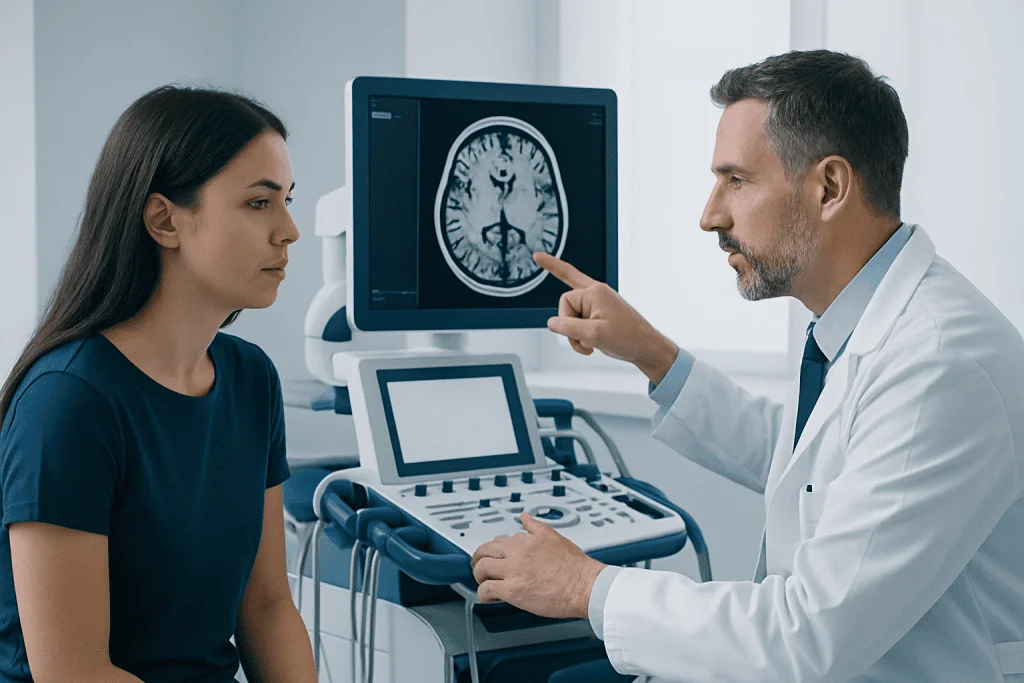
Common mental disorders include anxiety disorders, depressive disorders, bipolar disorder, obsessive-compulsive disorder, trauma-related disorders, eating disorders, attention-deficit/hyperactivity disorder, personality disorders, and schizophrenia spectrum disorders. Each category has its own core features, even though symptoms can overlap.
Anxiety disorders usually involve excessive fear, worry, physical tension, or avoidance. Depression mainly affects mood, interest, energy, sleep, appetite, and concentration. Bipolar disorder includes episodes of depression but also periods of unusually elevated, irritable, or energized mood. OCD is marked by intrusive thoughts and repetitive behaviors or mental rituals. PTSD develops after trauma and often involves flashbacks, nightmares, heightened alertness, and avoidance.
Psychotic disorders, such as schizophrenia, differ because they may involve hallucinations, delusions, disorganized thinking, or reduced emotional expression. Eating disorders center on unhealthy thoughts and behaviors related to food, weight, or body image. ADHD primarily affects attention, impulse control, and activity level. Personality disorders involve long-standing patterns of thinking, feeling, and relating that create problems across different parts of life.
- Anxiety disorders: fear, worry, panic, avoidance
- Depressive disorders: persistent low mood, loss of interest, hopelessness
- Bipolar disorder: mood episodes with depression and mania or hypomania
- OCD: obsessions and compulsions
- PTSD: trauma-related re-experiencing, avoidance, hyperarousal
- Schizophrenia spectrum disorders: psychosis, disorganized thought, changes in perception
Symptoms to watch for

Symptoms of mental disorders can be emotional, physical, cognitive, or behavioral. Common warning signs include persistent sadness, excessive worry, irritability, sudden mood changes, panic attacks, social withdrawal, loss of pleasure, changes in sleep or appetite, trouble concentrating, unusual fears, and a decline in school or work performance. In some conditions, symptoms can also include impulsive behavior, repetitive rituals, body image concerns, or substance use.
Psychotic symptoms require particular attention. These may include hearing or seeing things that others do not, strongly held false beliefs, confused speech, or behavior that seems very out of character. Thoughts of self-harm, hopelessness, or suicide also need urgent professional support. When symptoms affect safety, reality testing, or the ability to care for oneself, immediate medical evaluation is important.
Mental health symptoms can appear gradually or suddenly. They may be triggered by stress, trauma, grief, hormonal changes, medical illness, or no clear cause at all. Because symptoms may resemble other health problems such as thyroid disease, sleep disorders, vitamin deficiencies, neurological conditions, or medication side effects, a broad medical and psychiatric assessment is often the safest approach.
Causes and risk factors
Mental disorders do not have a single cause. They usually develop through a mix of biological, psychological, and social factors. Genetics can increase vulnerability, but life experiences and environment also matter. Brain chemistry, early childhood experiences, chronic stress, trauma, isolation, discrimination, serious illness, and substance use can all play a role.
Risk factors differ by condition. A family history may raise the likelihood of bipolar disorder, depression, anxiety, or schizophrenia spectrum disorders. Trauma can increase the risk of PTSD, depression, anxiety, and some personality-related difficulties. Major life changes, sleep deprivation, chronic pain, and alcohol or drug misuse can worsen symptoms or trigger episodes in people who are already vulnerable.
Protective factors are important too. Supportive relationships, regular sleep, physical activity, healthy coping skills, stable routines, and early access to care can reduce the impact of symptoms. Knowing risk factors should not lead to self-diagnosis. Instead, it can help individuals and families recognize when professional guidance may be helpful.
How mental disorders are diagnosed
Diagnosis is based on a clinical assessment rather than a single blood test or brain scan. A doctor, psychiatrist, psychologist, or other qualified mental health professional will ask about symptoms, their duration, severity, triggers, and effect on daily life. They may also review past medical history, family history, sleep patterns, substance use, medications, and any recent stressors or traumatic experiences.
The purpose of diagnosis is not simply to apply a label. It helps clarify what a person is experiencing and guides the most suitable treatment plan. For example, treating depression in someone who actually has bipolar disorder may require a different approach. Likewise, panic attacks can look similar to some physical health problems, which is why medical causes may need to be ruled out.
In some cases, clinicians may use structured interviews, questionnaires, physical examination, or laboratory tests to exclude related conditions. Children and older adults may need especially careful evaluation because symptoms can appear differently by age. When symptoms are complex, a multidisciplinary team approach can be helpful, including psychiatric care, psychological assessment, and, when needed, neurological or medical review.
Treatment options and ongoing support
Treatment depends on the diagnosis, symptom severity, age, safety concerns, and personal preferences. Many mental disorders improve with psychotherapy, medication, or a combination of both. Psychotherapy may include cognitive behavioral therapy, trauma-focused therapy, family therapy, supportive counseling, or other evidence-based approaches. Medication can be helpful for conditions such as depression, anxiety disorders, bipolar disorder, ADHD, and schizophrenia spectrum disorders when prescribed and monitored by a qualified doctor.
Supportive care also matters. Good sleep, regular meals, physical activity, stress management, reduced alcohol or drug use, and social support can strengthen recovery. In more severe cases, intensive outpatient programs, hospital-based care, or crisis services may be needed for safety and stabilization. If symptoms involve psychosis or severe mood episodes, specialist psychiatric care may be an important part of treatment.
Some people also benefit from coordinated care when emotional symptoms are linked with memory, concentration, or neurological concerns. If a doctor suspects overlapping brain-related symptoms, a broader evaluation such as neurology assessment may be considered. Near the end of the care journey, some international patients choose centers such as Acibadem International, where multidisciplinary specialists in JCI-accredited hospitals evaluate and treat mental health conditions with individualized planning.
Self-care, prevention, and living well
Not all mental disorders can be prevented, but healthy habits can lower risk and support symptom control. A regular sleep schedule, balanced nutrition, daily movement, and stress-reduction practices can help protect mental well-being. It is also helpful to build routines, limit substance use, and stay connected with trusted family members or friends.
Self-care is valuable, but it is not a substitute for treatment when symptoms are significant. Keeping a symptom journal may help identify patterns related to mood, panic, sleep, menstrual cycles, trauma reminders, or substance use. People who have been diagnosed with a mental health condition often benefit from continuing treatment even after they start to feel better, because consistency can reduce relapse risk.
Families can play an important role by listening without judgment, encouraging care, and learning about the condition. Understanding the difference between common stress and disorders such as depression or anxiety disorders can make support more effective. Early conversations, steady routines, and practical help with appointments or medications can make treatment easier to follow.
When to see a doctor
A doctor or mental health professional should be consulted when emotional or behavioral symptoms last for more than a couple of weeks, keep returning, or interfere with work, school, relationships, or self-care. It is also wise to seek help if sleep, appetite, concentration, or substance use changes significantly, or if family members notice a marked shift in mood or behavior.
Urgent help is needed if a person has thoughts of self-harm or suicide, behaves in a way that suggests loss of touch with reality, becomes unable to care for basic needs, or poses a danger to self or others. In these situations, emergency medical services or immediate local crisis care should be used. Quick support can protect safety and open the way to effective treatment.
Even when symptoms seem mild, early assessment can be reassuring and practical. Many people feel relief simply from understanding what they are experiencing and learning that treatment options are available. Timely care often improves outcomes and helps people return to daily life with better confidence and support.
Frequently asked questions
What are the most common mental disorders?
Common mental disorders include anxiety disorders, depression, bipolar disorder, obsessive-compulsive disorder, post-traumatic stress disorder, eating disorders, ADHD, and schizophrenia spectrum disorders. These conditions differ in their main symptoms, pattern, and treatment approach.
How do anxiety and depression differ?
Anxiety is usually centered on excessive fear, worry, physical tension, or panic, while depression mainly involves low mood, loss of interest, low energy, and hopelessness. However, many people experience both at the same time, which is why a professional assessment is useful.
Can someone have more than one mental disorder?
Yes. It is common for mental health conditions to overlap, such as anxiety with depression or trauma-related symptoms with substance misuse. When more than one condition is present, treatment may need to address each concern together.
Are mental disorders caused by stress alone?
Usually not. Stress can trigger or worsen symptoms, but mental disorders often result from a combination of genetics, brain chemistry, life experiences, trauma, physical health, and environment. Each person's situation is different.
How are mental disorders diagnosed?
Diagnosis is made through a clinical evaluation that reviews symptoms, timing, severity, personal history, medical issues, medications, and daily functioning. Sometimes doctors also check for physical conditions that may mimic psychiatric symptoms.
Can mental disorders be treated successfully?
Many mental disorders can be managed effectively with psychotherapy, medication, lifestyle support, or a combination of these. Early treatment and regular follow-up often improve quality of life and help reduce future episodes.
When should a person seek urgent help?
Urgent help is needed if there are thoughts of self-harm or suicide, signs of psychosis, severe agitation, or an inability to care for basic needs. Emergency services or immediate local crisis support should be contacted in these situations.
References
- World Health Organization
- National Institute of Mental Health
- American Psychiatric Association
- National Health Service
- Centers for Disease Control and Prevention
This article is for general information only and is not a substitute for professional medical advice. Please consult a qualified doctor about your individual situation.
Explore treatments in Turkey — costs, top hospitals & a free quote
JCI-accredited · board-certified surgeons · reply within 24h
Add us as a Preferred Source to see more of our trusted health content across Google Search, AI Overviews and Discover.

More from the Health Library



Related Specialists

Dr. Ezgi Topyıldız
Pediatric Allergy
Dr. Mehmet Ercan
Radiology
Assoc. Prof. Dr. Emir Çapkınoğlu
General Surgery
Dyt. Zeynep Acar
Nutrition & Diet