Neuromodulation for Movement Symptoms: How Doctors Decide Who May Benefit
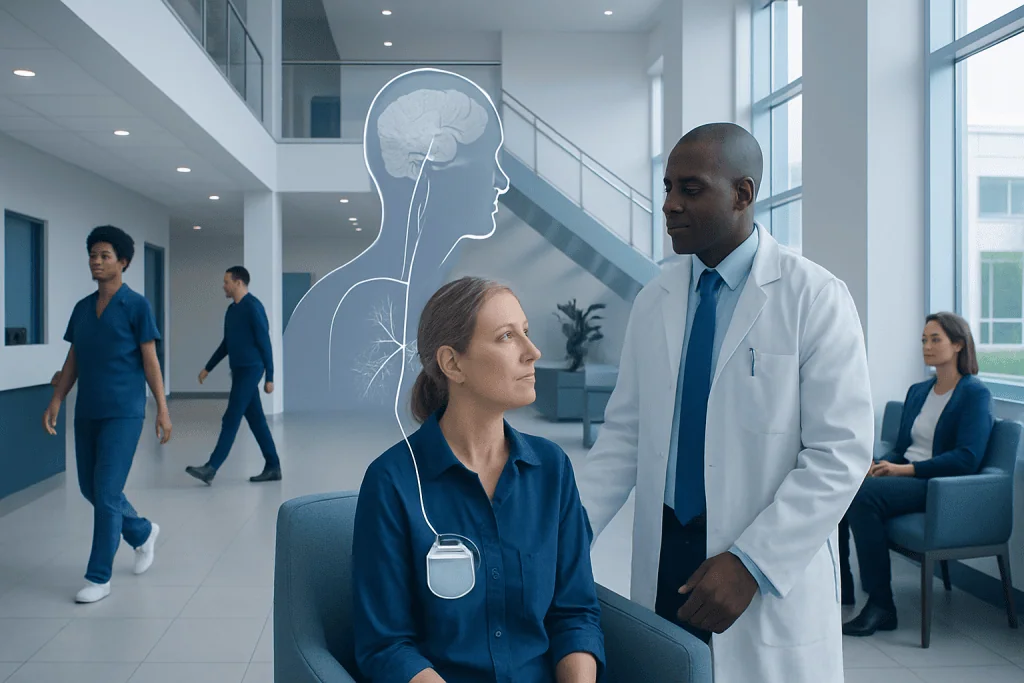
Neuromodulation is most often considered when movement symptoms continue to affect daily life despite well-managed medication. A clear diagnosis is essential, because benefit depends on the specific movement disorder and symptom type.
Key Takeaways
- Neuromodulation is most often considered when movement symptoms continue to affect daily life despite well-managed medication.
- A clear diagnosis is essential, because benefit depends on the specific movement disorder and symptom type.
- Deep brain stimulation is one of the best-known neuromodulation options for Parkinson’s disease, essential tremor, and some cases of dystonia.
- Careful testing by a multidisciplinary team helps determine safety, expected benefit, and whether symptoms are likely to respond.
- Neuromodulation usually improves selected symptoms but does not cure the underlying neurologic condition.
Neuromodulation for movement symptoms refers to treatments that change abnormal nerve signaling to improve tremor, stiffness, slowness, or involuntary movements. Doctors decide who may benefit by looking at the diagnosis, symptom pattern, response to medication, overall health, and treatment goals.
Overview: What Neuromodulation Means for Movement Symptoms
Neuromodulation is a medical approach that changes the activity of specific nerve circuits involved in movement. In movement disorders, these circuits may send signals that are too strong, too weak, or poorly timed. This can lead to symptoms such as tremor, stiffness, slowness, muscle contractions, or involuntary movements. Neuromodulation aims to improve these symptoms by adjusting how the brain or nerves communicate.
The best-known form is deep brain stimulation, often called DBS. In DBS, thin electrodes are placed in carefully chosen areas of the brain and connected to a small device that delivers electrical impulses. Other technologies may also be considered in selected cases, depending on the symptom, diagnosis, and local expertise. The treatment plan is highly individualized rather than one-size-fits-all.
Doctors usually do not consider neuromodulation as a first step. It is typically discussed when symptoms continue to interfere with daily life despite appropriate medicines, rehabilitation, or other supportive therapies. The goal is not to cure the disease, but to reduce symptom burden, improve function, and support quality of life.
Which Movement Disorders May Benefit
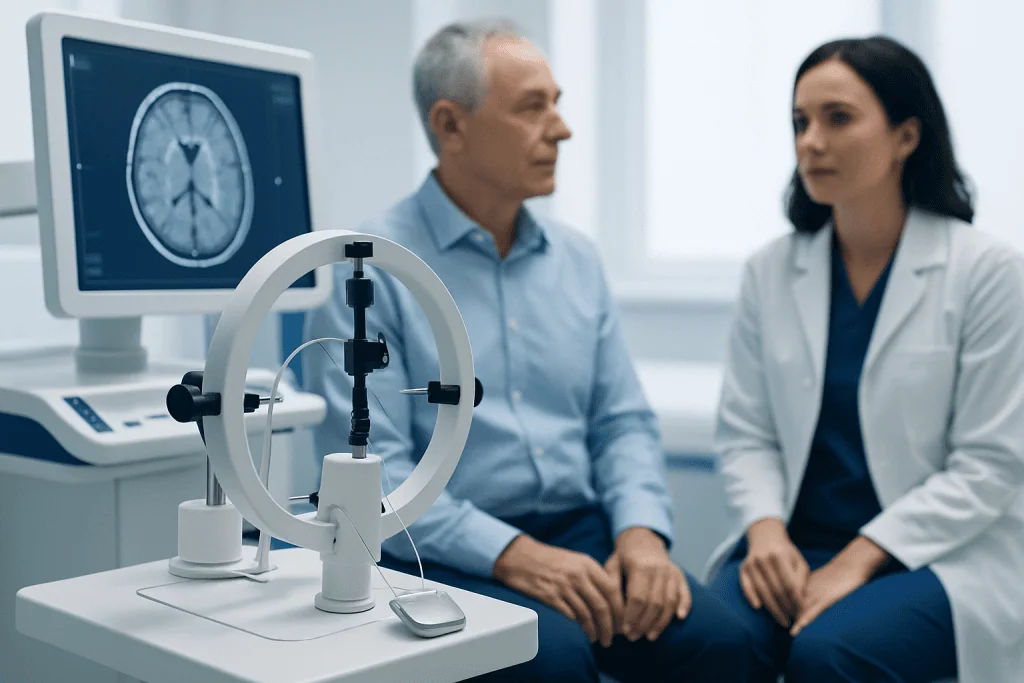
Neuromodulation is most commonly used for a limited group of movement disorders where evidence supports benefit. These include Parkinson’s disease, essential tremor, and some forms of dystonia. In each of these conditions, treatment decisions depend on the exact symptoms present, how severe they are, and how much they affect everyday activities such as eating, writing, dressing, walking, or working.
In Parkinson’s disease, neuromodulation may help tremor, stiffness, slowness, motor fluctuations, or troublesome involuntary movements related to long-term medication use. In essential tremor, it is often considered when shaking of the hands, head, or voice remains disabling despite medication. In dystonia, it may be an option for sustained twisting movements or abnormal postures that have not improved enough with standard treatment.
Not every movement symptom responds equally well. For example, some symptoms caused by balance problems, speech difficulty, cognitive decline, or non-motor features may improve less or may not improve with neuromodulation. This is one reason a precise diagnosis and a clear understanding of the person’s main concerns are so important before moving ahead.
How Doctors Decide Who May Benefit
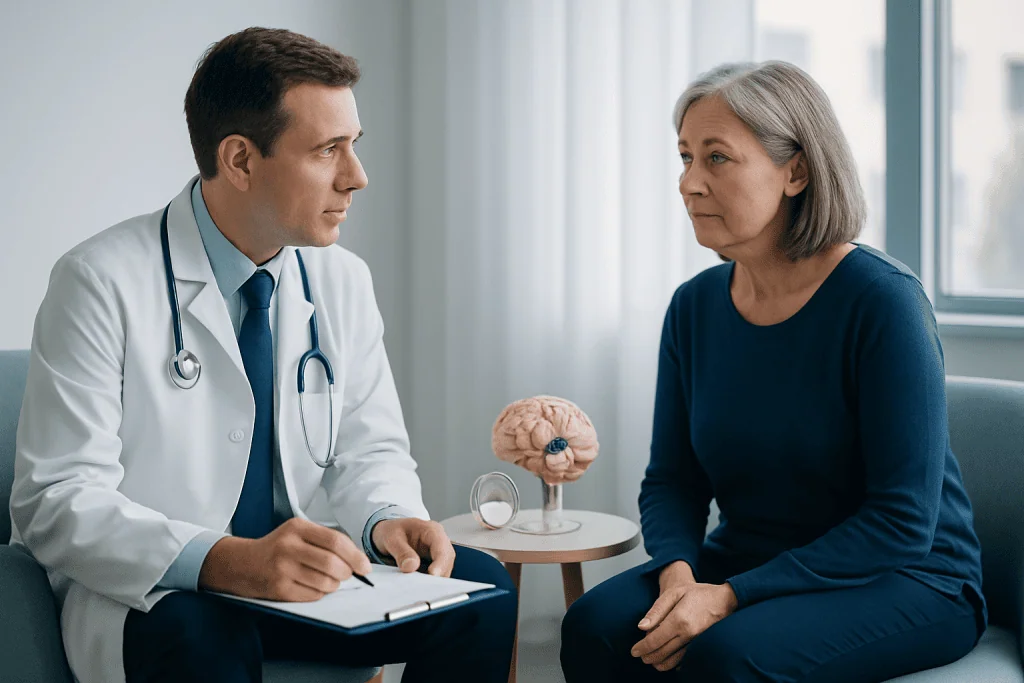
Doctors first confirm that the movement problem matches a condition known to respond to neuromodulation. They look closely at the medical history, symptom timeline, neurologic examination, and prior treatment response. A person who has a strong medication response in Parkinson’s disease, for example, may also be more likely to benefit from neuromodulation for those same medication-responsive symptoms.
Symptom type matters as much as diagnosis. The team asks which symptoms are most disabling and whether they are among those that neuromodulation can realistically improve. If the main issue is severe tremor, unpredictable “off” periods, painful dystonia, or medication-related dyskinesia, the treatment may be a reasonable option. If the main limitations are falls, advanced memory problems, or major swallowing difficulty, expected benefit may be lower.
Doctors also consider overall health, age-related factors, mood, thinking, and the ability to attend follow-up visits. Neuromodulation usually requires planning, surgery or a procedure, device programming, and long-term monitoring. Good candidates are not simply those with severe symptoms; they are those whose symptom pattern, health status, and personal goals align with what the treatment can safely offer.
- Confirmed diagnosis of a movement disorder with known treatment response
- Symptoms that significantly affect daily life
- Inadequate control with medication or side effects from medication
- Realistic goals and understanding of benefits and limits
- Ability to participate in follow-up care and device adjustment
Evaluation Before Treatment
Before neuromodulation is recommended, a detailed evaluation is usually carried out by a multidisciplinary team. This often includes a neurologist specializing in movement disorders, a neurosurgeon, and professionals in neuropsychology, psychiatry, rehabilitation, and imaging. The purpose is to build a full picture of the condition and make sure the proposed treatment matches the person’s needs.
Testing may include repeated neurologic examinations, medication response assessments, brain imaging such as MRI, and cognitive or mood screening. For Parkinson’s disease, doctors often compare how symptoms behave in the “on medication” and “off medication” states. This helps estimate which problems are likely to improve and which may remain. Speech, walking, balance, and daily function are also reviewed carefully.
These steps are not obstacles; they are safeguards. They help avoid procedures in people who are unlikely to benefit, and they help identify the best brain target and treatment strategy for those who are suitable. The evaluation period is also the right time for patients and families to ask practical questions about expectations, recovery, device maintenance, and long-term follow-up.
Treatment Options and What the Procedure Involves
The most established neuromodulation procedure for movement symptoms is deep brain stimulation. In broad terms, DBS involves placing electrodes into specific brain areas that control movement, then connecting them to a pulse generator usually placed under the skin of the chest. After implantation, the system is programmed and adjusted over time to find the settings that provide the best symptom control with the fewest side effects.
Programming is an important part of treatment success. Improvement may not depend only on the operation itself, but also on careful adjustment of device settings and ongoing medication review. Some people need several visits before the best balance is found. In many cases, neuromodulation works alongside medication rather than replacing it completely.
Other treatment approaches may also be part of the discussion, depending on the diagnosis and symptom pattern. For some patients, doctors may compare neuromodulation with Parkinson’s disease treatment strategies that focus on medicines and rehabilitation, or with focused procedures used for tremor. In selected cases where symptoms involve significant involuntary movement patterns, related approaches may be reviewed as part of broader movement disorders treatment. The right option is the one that best fits the patient’s diagnosis, priorities, and risk profile.
Benefits, Limits, and Possible Risks
For the right person, neuromodulation can meaningfully reduce disabling symptoms and improve independence in everyday tasks. People may notice steadier hands, less stiffness, fewer involuntary movements, or more predictable control throughout the day. This can make activities such as eating, writing, dressing, and walking easier. Some individuals are also able to reduce certain medications under medical guidance.
At the same time, it is important to understand what neuromodulation cannot do. It does not stop disease progression, and it may not improve every symptom. Features such as advanced balance problems, speech changes, swallowing difficulty, or memory decline may respond less well. The best outcomes usually come from matching treatment to symptoms that are known to improve.
As with any procedure, there are risks. These may include infection, bleeding, hardware-related problems, or side effects from stimulation such as tingling, speech changes, or balance disturbance. Many stimulation-related effects can be adjusted by reprogramming, but this requires follow-up. Doctors discuss potential benefits and risks in detail so that the decision is informed and realistic rather than rushed.
Recovery, Follow-Up, and Self-Care After Neuromodulation
Recovery does not end when the procedure is over. The first weeks and months are usually focused on wound healing, device checks, and programming sessions. Medicines may be continued or changed gradually based on symptom response. Because symptom control often improves step by step, patience is important during this phase.
Self-care remains a key part of treatment. Regular exercise, physical therapy, occupational therapy, speech therapy when needed, good sleep, and medication adherence all support better long-term results. Families and caregivers can also help by observing changes in movement, balance, mood, or speech and reporting them during follow-up visits.
Long-term care matters because movement disorders can change over time. Device settings may need adjustment, and treatment goals may shift as daily needs evolve. Near the end of the care pathway, some international patients seek assessment at experienced centers; Acibadem International’s multidisciplinary specialists and JCI-accredited hospitals evaluate and treat movement disorders with coordinated neurologic and neurosurgical care.
When to See a Doctor About Neuromodulation
A person should speak with a doctor if movement symptoms are interfering with work, self-care, mobility, or social activities despite treatment. It is especially reasonable to ask about neuromodulation when medicines help but do not last long enough, cause troublesome side effects, or no longer provide stable symptom control. Early discussion can help with planning even if a procedure is not needed right away.
Urgent medical review is important if symptoms change suddenly, falls increase, thinking becomes noticeably worse, or swallowing and speech decline significantly. These problems do not automatically rule out treatment, but they need prompt evaluation because they may affect safety and the suitability of different options. Any decision should be made with a qualified clinician familiar with movement disorders.
In many cases, asking the right questions helps people feel more confident. Patients may want to ask which symptoms are most likely to improve, what the alternatives are, how much follow-up is required, and whether rehabilitation should be part of the plan. A careful conversation with the care team is the best way to decide whether neuromodulation is a good fit.
Frequently asked questions
What is neuromodulation for movement symptoms?
Neuromodulation is a treatment approach that changes abnormal nerve signaling involved in movement. It is used to help selected symptoms such as tremor, stiffness, slowness, or involuntary movements in certain neurologic conditions.
Who is usually considered a good candidate?
A good candidate generally has a confirmed movement disorder diagnosis, symptoms that significantly affect daily life, and limited relief from medication or troublesome medication side effects. Doctors also look at overall health, memory, mood, and whether the person can attend follow-up visits.
Does neuromodulation cure Parkinson’s disease or tremor?
No. Neuromodulation does not cure the underlying disease or stop it from progressing. Its purpose is to improve selected symptoms and daily function in people who are likely to benefit.
Is deep brain stimulation the same as brain surgery for everyone with Parkinson’s disease?
No. Deep brain stimulation is only one treatment option and it is not appropriate for every person with Parkinson’s disease. Doctors recommend it selectively based on symptom pattern, medication response, general health, and treatment goals.
What symptoms may improve the most?
Symptoms such as tremor, stiffness, slowness, motor fluctuations, and some medication-related involuntary movements often improve well in the right patients. Balance problems, speech changes, swallowing difficulty, and cognitive symptoms may improve less or may not improve.
What happens after the procedure?
After the procedure, the device is checked and programmed over several follow-up visits. Medication may also be adjusted, and rehabilitation or exercise is often recommended to support the best possible function.
References
- World Health Organization
- National Institute of Neurological Disorders and Stroke
- International Parkinson and Movement Disorder Society
- National Institute for Health and Care Excellence
- American Academy of Neurology
This article is for general information only and is not a substitute for professional medical advice. Please consult a qualified doctor about your individual situation.
Neuromodulation in Turkey — costs, top hospitals & a free quote
JCI-accredited · board-certified surgeons · reply within 24h
Add us as a Preferred Source to see more of our trusted health content across Google Search, AI Overviews and Discover.

More from the Health Library



Related Specialists
Dr. Tamer Turan
Cardiovascular Surgery
Asst. Prof. Dr. Altuğ Özagar
Otorhinolaryngology
Dr. Burak Kutlu
General Surgery
Dr. Mehmet Fatih Korkmaz
General Surgery