

Brain Aneurysm Coiling: Who May Benefit and What to Expect
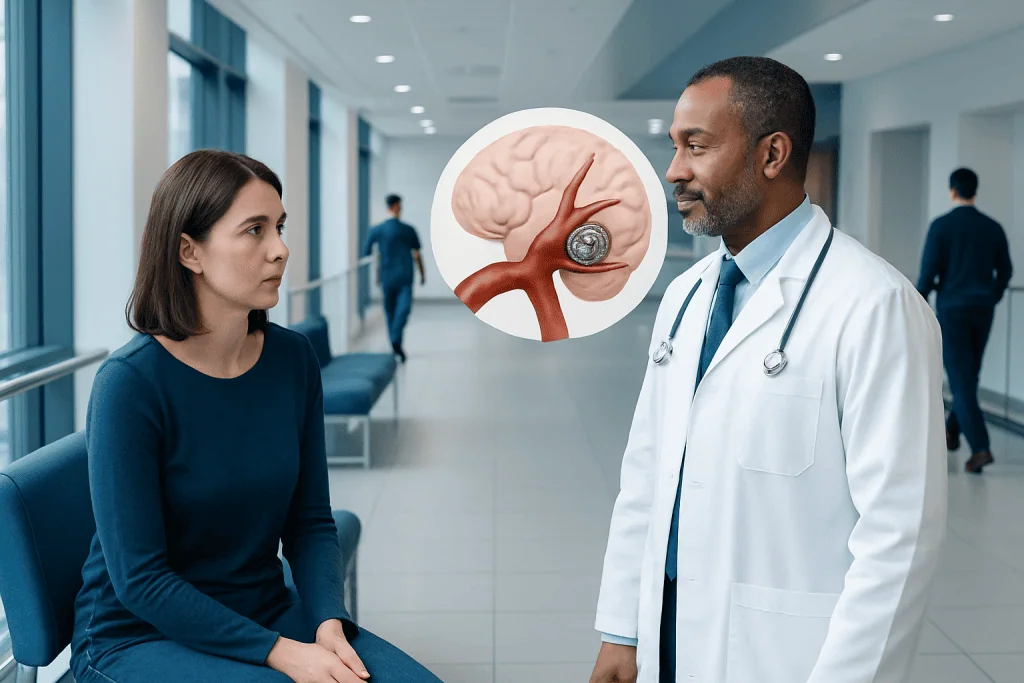
Brain aneurysm coiling treats some aneurysms from inside the blood vessel without open brain surgery. It may be considered for both unruptured aneurysms and some aneurysms that have already bled.
Key Takeaways
- Brain aneurysm coiling treats some aneurysms from inside the blood vessel without open brain surgery.
- It may be considered for both unruptured aneurysms and some aneurysms that have already bled.
- Not every aneurysm is suitable for coiling; treatment choice depends on detailed imaging and specialist evaluation.
- Recovery time is often shorter than with open surgery, but follow-up imaging is important.
- People should seek urgent medical care for sudden severe headache, neurological symptoms, or changes after treatment.
Brain aneurysm coiling is a minimally invasive procedure used to treat certain aneurysms in the brain by filling the weakened area with tiny coils. It may help prevent rupture or rebleeding, and the best approach depends on the aneurysm’s size, shape, location, and the person’s overall health.
Overview of brain aneurysm coiling
Brain aneurysm coiling is an endovascular procedure used to treat certain aneurysms in the brain. A brain aneurysm is a weak, bulging area in a blood vessel wall. During coiling, a specialist guides a thin tube called a catheter through a blood vessel, usually from the wrist or groin, to the aneurysm. Tiny soft metal coils are then placed inside the aneurysm to reduce blood flow into it and encourage clotting within the bulge.
The aim of treatment is to lower the risk that the aneurysm will bleed or bleed again. Coiling does not remove the aneurysm from the body, but it helps seal it from the inside. In some cases, additional devices such as stents or balloons are used to help keep the coils in place, especially when the aneurysm has a wide neck or a more complex shape.
This approach is considered minimally invasive because it avoids opening the skull. For many patients, that can mean a shorter hospital stay and recovery period compared with open surgical clipping. However, coiling is not automatically the best option for everyone. Treatment planning is individualized and usually involves specialists in interventional neuroradiology, neurology, and neurosurgery.
Who may benefit from coiling
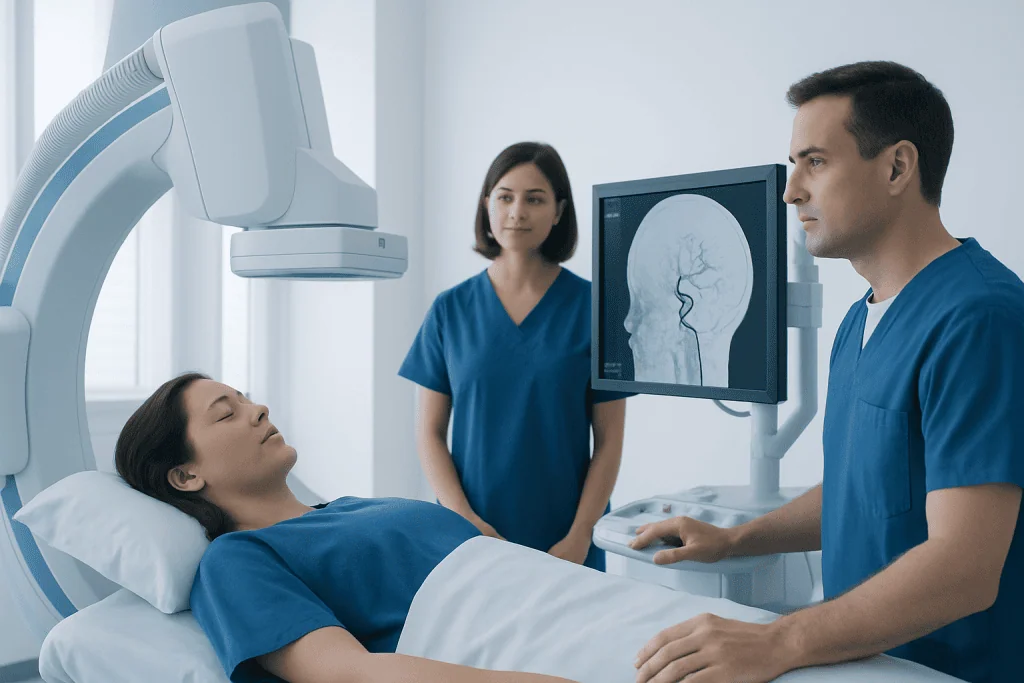
Brain aneurysm coiling may benefit people with certain unruptured aneurysms and some who have had a ruptured aneurysm causing bleeding around the brain, known as subarachnoid hemorrhage. The decision depends on the balance between the aneurysm’s risk of rupture and the risks of treatment. Small aneurysms found incidentally may sometimes be monitored rather than treated, while larger or higher-risk aneurysms may be considered for intervention.
Several features help doctors decide whether coiling is suitable. These include the aneurysm’s size, shape, neck width, and location, as well as the person’s age, overall health, symptoms, and family history. Aneurysms in some locations are particularly well suited to endovascular treatment, while others may be more safely managed with surgery or observation.
Coiling can be especially helpful for people who may benefit from a less invasive option. It is often discussed alongside other brain aneurysm treatment approaches, including surgical clipping and, in selected cases, flow-diverting devices. The best choice is the one that offers the safest and most durable result for that specific aneurysm.
People who have had a ruptured aneurysm are usually evaluated urgently. In that setting, the main goal is to secure the aneurysm quickly to reduce the chance of rebleeding. For some patients, coiling offers an effective way to do this without open surgery, though the final plan depends on emergency imaging findings and specialist judgment.
How the procedure is performed and what to expect
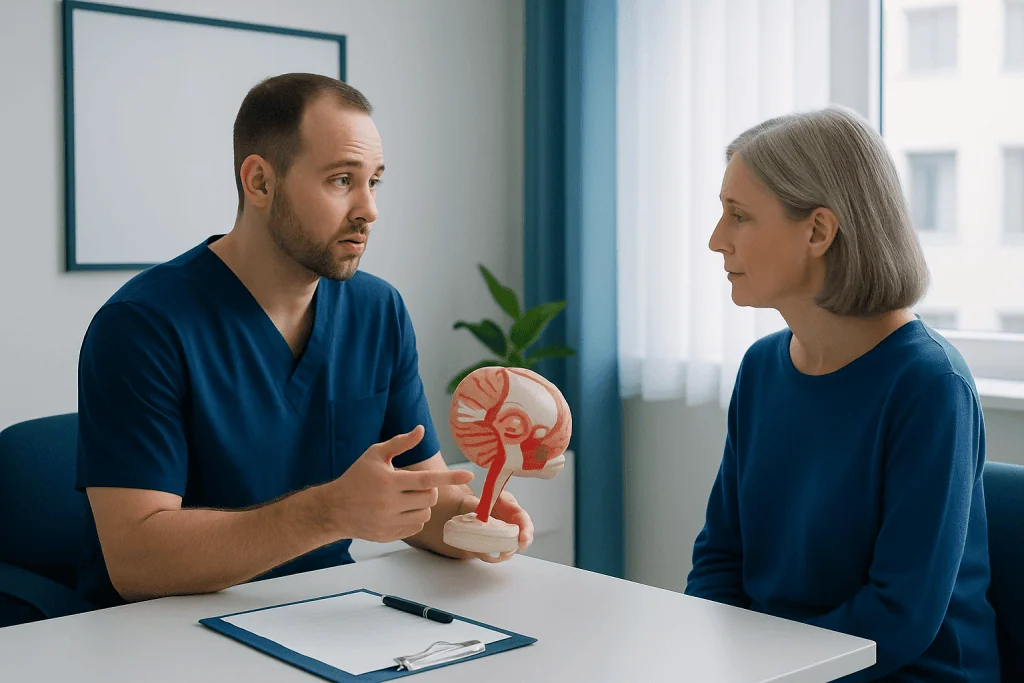
Before the procedure, the care team reviews brain imaging such as CT angiography, MR angiography, or catheter angiography to map the aneurysm clearly. Blood tests and a general medical assessment are also common. Patients are usually asked not to eat or drink for a period before treatment, and the team explains whether any regular medicines need to be adjusted. If a stent is likely to be used, antiplatelet medication may be needed.
Coiling is usually performed in a specialized angiography suite under general anesthesia or, in some cases, deep sedation. The doctor inserts a catheter into an artery and guides it to the blood vessels of the brain using real-time X-ray imaging. Through this catheter, very small coils are placed into the aneurysm sac. In wide-neck aneurysms, a balloon or stent may help support the coils. This type of minimally invasive interventional neuroradiology treatment is designed to close off the aneurysm while preserving normal blood flow in the parent vessel.
After the procedure, patients are observed closely in a recovery area, intensive care unit, or specialized ward depending on their condition. The team monitors blood pressure, neurological status, and the catheter entry site. Some people go home within a day or two after treatment of an unruptured aneurysm, while those treated after bleeding often need a longer hospital stay because the hemorrhage itself requires monitoring and supportive care.
It is normal to feel tired for several days after coiling. Mild headache, bruising, or soreness at the catheter site can also occur. The care team gives instructions about activity, bathing, driving, medications, and follow-up appointments before discharge.
Benefits, limitations, and possible risks
One of the main benefits of brain aneurysm coiling is that it treats the aneurysm from inside the blood vessel without a surgical opening in the skull. For suitable aneurysms, this can reduce physical stress on the body and may support a faster early recovery. Coiling is widely used and has become an important option in modern stroke and neurovascular care for both urgent and planned aneurysm treatment.
At the same time, coiling has limitations. Some aneurysms are difficult to pack securely with coils because of their shape or size. In some cases, the aneurysm can reopen slightly over time, which is why follow-up imaging is so important. Additional treatment may sometimes be needed later if the aneurysm fills again or if imaging shows that the initial result is incomplete.
As with any procedure involving brain blood vessels, there are potential risks. These can include stroke, bleeding, blood vessel injury, blood clots, reaction to contrast dye, infection, or complications related to anesthesia. When stents are used, there may also be a need for blood-thinning medication for a period of time, which can affect bleeding risk.
It is helpful for patients to remember that every treatment choice involves weighing risks and benefits. Doctors consider whether treatment is safer than careful monitoring and which method is most appropriate. Clear discussion with the specialist team helps patients and families understand the expected benefits, possible complications, and likely follow-up needs.
Recovery and follow-up after coiling
Recovery after brain aneurysm coiling varies depending on whether the aneurysm was ruptured or unruptured and whether there were any complications. Many people treated for an unruptured aneurysm return to light daily activities within days to a few weeks, though full energy may take longer to return. Those treated after a rupture often need a more gradual recovery because the bleeding itself can affect the brain and body.
Follow-up imaging is an important part of care. The treated aneurysm may be checked with MR angiography, CT angiography, or catheter angiography at intervals recommended by the specialist. These scans help confirm that the aneurysm remains sealed and that no significant reopening has occurred. Long-term follow-up is common because some aneurysms can change over time.
Patients should follow medication instructions carefully, especially if a stent was placed. Blood pressure control, smoking cessation, and management of other vascular risk factors can also support overall brain and blood vessel health. If rehabilitation is needed after a ruptured aneurysm or a stroke-related complication, therapies may include physical, occupational, speech, or cognitive support, similar to broader neurological rehabilitation plans.
Near the end of treatment planning and follow-up, some patients also seek care at experienced international centers. Acibadem International’s multidisciplinary specialists and JCI-accredited hospitals diagnose and treat brain aneurysms for international patients, with care tailored to the aneurysm’s features and the person’s recovery needs.
Prevention and self-care
Not all brain aneurysms can be prevented, but some steps may help lower the risk of aneurysm growth, rupture, or other blood vessel problems. Controlling high blood pressure is one of the most important measures. Avoiding smoking and discussing support for smoking cessation with a doctor can also make a meaningful difference for vascular health.
General self-care after coiling includes rest, taking medicines exactly as prescribed, and gradually returning to activity. Patients should keep follow-up appointments even if they feel well, because imaging surveillance is part of successful long-term care. It is also sensible to discuss when it is safe to travel, exercise, lift heavy objects, or return to work.
People with a strong family history of brain aneurysm or certain inherited conditions may need individualized advice about screening and risk. A healthy lifestyle supports overall brain and heart health:
- Manage blood pressure, cholesterol, and diabetes if present
- Avoid tobacco and limit exposure to secondhand smoke
- Stay physically active within the limits advised by a doctor
- Eat a balanced diet and maintain regular sleep habits
- Discuss alcohol use and any stimulant or recreational drug use honestly with a clinician
Self-care should not replace specialist review. Anyone with an aneurysm should ask their doctor what warning signs to watch for and how often monitoring is needed, especially if treatment has not been performed or if imaging follow-up is ongoing.
When to see a doctor urgently
A sudden, very severe headache that feels unlike a person’s usual headaches needs urgent medical attention. This can be a warning sign of aneurysm rupture. Emergency care is also needed for sudden weakness, numbness, trouble speaking, confusion, seizures, fainting, vision changes, or a stiff neck with severe headache.
After coiling, patients should contact their care team promptly if they develop worsening headache, new neurological symptoms, fever, significant swelling or bleeding at the catheter site, chest pain, or shortness of breath. These symptoms do not always mean a serious complication, but they should be assessed without delay.
Even when symptoms are mild, it is reasonable to ask for medical advice if recovery does not seem to be progressing as expected. Ongoing fatigue, concerns about medication side effects, or difficulty returning to usual activities can often be addressed with follow-up support. Early communication helps the team guide recovery safely and reassuringly.
Frequently asked questions
Is brain aneurysm coiling the same as open brain surgery?
No. Brain aneurysm coiling is a minimally invasive endovascular procedure performed through a blood vessel, usually from the wrist or groin. Open surgery for an aneurysm is typically called clipping and involves accessing the aneurysm through the skull.
How long does recovery take after coiling?
Recovery depends on whether the aneurysm was ruptured or unruptured and whether any complications occurred. Many people treated for an unruptured aneurysm recover more quickly, while recovery after a rupture is often longer because the brain bleed itself needs healing and monitoring.
Can an aneurysm come back after coiling?
Sometimes the treated aneurysm can reopen partially over time, which is why follow-up imaging is important. If this happens, doctors may recommend continued observation or additional treatment depending on the findings.
Who is not a good candidate for coiling?
Some aneurysms have shapes, sizes, or locations that make coiling less secure or less durable. In those cases, a doctor may recommend surgical clipping, another endovascular method, or careful monitoring instead.
Is coiling used for ruptured aneurysms?
Yes, coiling is commonly used in some ruptured aneurysms to help prevent rebleeding. The final decision depends on emergency imaging, the patient’s overall condition, and the aneurysm’s anatomy.
Will follow-up scans still be needed if the procedure goes well?
Yes. Even when the initial result is very good, follow-up scans are part of standard care because treated aneurysms can change over time. The specialist team will recommend the timing and type of imaging based on the aneurysm and the treatment used.
References
- World Health Organization
- National Institute of Neurological Disorders and Stroke
- American Heart Association
- National Health Service
- Society of NeuroInterventional Surgery
This article is for general information only and is not a substitute for professional medical advice. Please consult a qualified doctor about your individual situation.
Explore treatments in Turkey — costs, top hospitals & a free quote
JCI-accredited · board-certified surgeons · reply within 24h
Add us as a Preferred Source to see more of our trusted health content across Google Search, AI Overviews and Discover.
Check your numbers in seconds
BMI, calories, due date, blood pressure and 30+ more clinical calculators — free, instant, doctor-reviewed ranges.

More from the Health Library



Related Specialists

Dr. Ömercan Yağız Öksüz
Aesthetic Plastic & Reconstructive Surgery
Dr. Asiye Merve Erdoğan
Otorhinolaryngology
Ali Furkan Gürler
Physical Medicine & Rehabilitation
Prof. Dr. Mehmet Ufuk Abacıoğlu
Radiation Oncology