Neurophysiology Department: What Services It Offers and How to Choose the Right Center
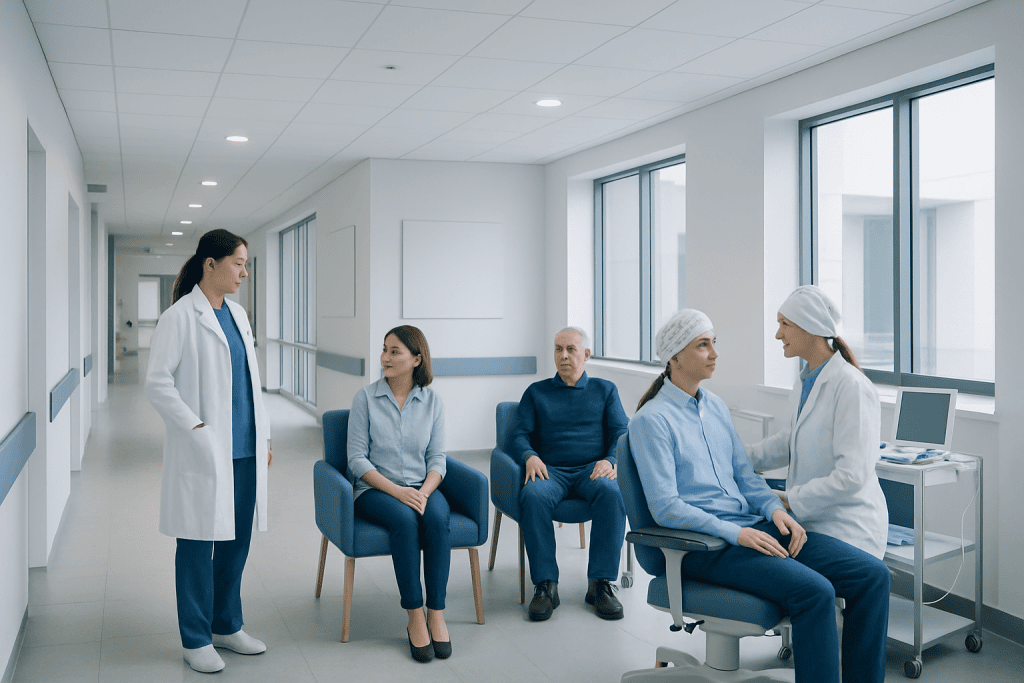
A neurophysiology department focuses on functional testing of the nervous system rather than surgery or routine imaging alone. Common services include EEG, EMG, nerve conduction studies, evoked potentials, and sleep-related testing.
Key Takeaways
- A neurophysiology department focuses on functional testing of the nervous system rather than surgery or routine imaging alone.
- Common services include EEG, EMG, nerve conduction studies, evoked potentials, and sleep-related testing.
- The right center should offer experienced specialists, modern equipment, clear reporting, and coordination with neurology and other departments.
- Testing is usually safe, outpatient-based, and used to explain symptoms such as tingling, weakness, fainting, tremor, or seizure-like events.
- Patients should ask what preparation is needed, how results will be shared, and whether the center is equipped for complex or urgent cases.
A neurophysiology department evaluates how the brain, spinal cord, nerves, and muscles are functioning. It offers specialized tests that help doctors diagnose symptoms such as numbness, weakness, seizures, sleep problems, and unexplained pain, while also helping patients choose the right care pathway.
Overview: What a Neurophysiology Department Does
A neurophysiology department is a specialized hospital or clinic service that studies how the nervous system works in real time. While scans such as MRI or CT show structure, neurophysiology tests focus on function. They help doctors understand how the brain produces electrical activity, how nerves carry signals, and how muscles respond.
This type of department is often closely linked with neurology, neurosurgery, rehabilitation, sleep medicine, and sometimes pediatrics or intensive care. It can support the diagnosis of many concerns, from seizures and blackout episodes to numbness, weakness, tremor, chronic pain, and certain sleep disorders.
Clinical neurophysiology is especially useful when symptoms are present but the cause is not yet clear. A well-run neurophysiology department combines technical precision with expert interpretation, because test results only become meaningful when they are matched carefully with the patient’s medical history, examination findings, and other investigations.
What Services a Neurophysiology Department Commonly Offers
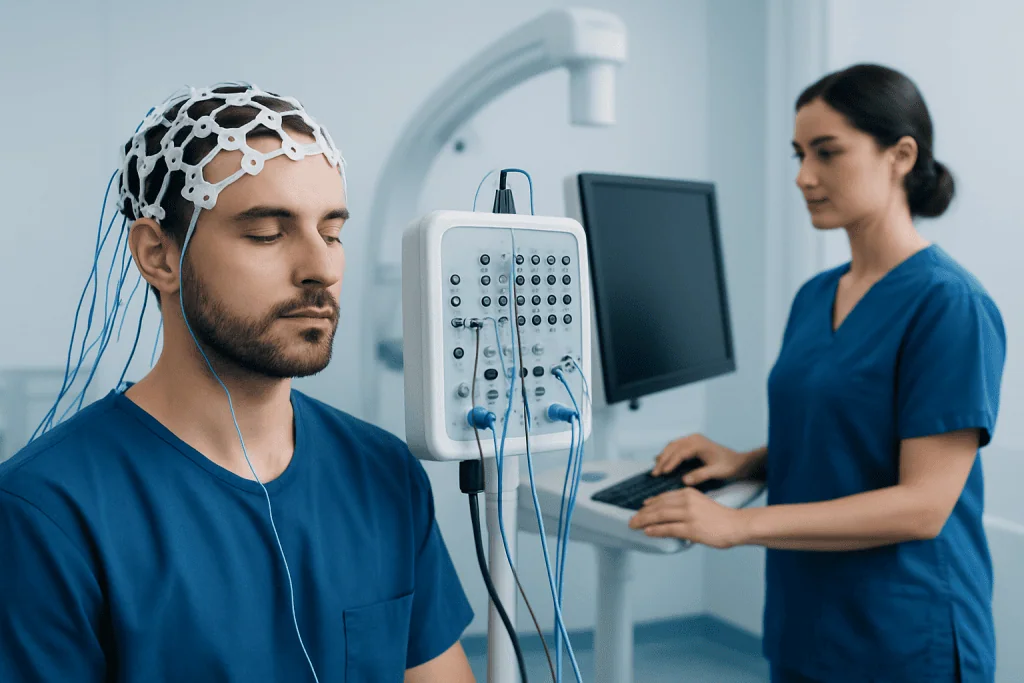
Services vary between centers, but most neurophysiology departments offer tests that assess the brain, spinal pathways, peripheral nerves, and muscles. These tests are used in both adults and children, depending on the center’s expertise. Some departments also provide bedside monitoring in hospital for patients who are critically ill or recovering after surgery.
Common services may include:
- Electroencephalography (EEG): records the brain’s electrical activity and is often used for seizures, epilepsy, confusion, blackouts, or unusual spells.
- Electromyography (EMG): studies muscle activity and helps evaluate weakness, muscle disease, or nerve injury.
- Nerve conduction studies (NCS): measure how quickly and effectively electrical signals travel through peripheral nerves.
- Evoked potentials: test how the brain responds to visual, auditory, or sensory stimulation.
- Sleep-related testing: may help investigate certain sleep disorders, unusual nighttime behaviors, or daytime sleepiness.
- Intraoperative monitoring: in some hospitals, neurophysiology teams help monitor nerve and spinal cord function during surgery.
Some departments also have specialized programs for movement disorders, neuromuscular disease, neuropathy, epilepsy, or pediatric developmental concerns. In larger centers, neurophysiology may also support the evaluation of conditions such as epilepsy or help clarify symptoms related to Parkinson’s disease and other neurological disorders.
Common Symptoms and Conditions Evaluated
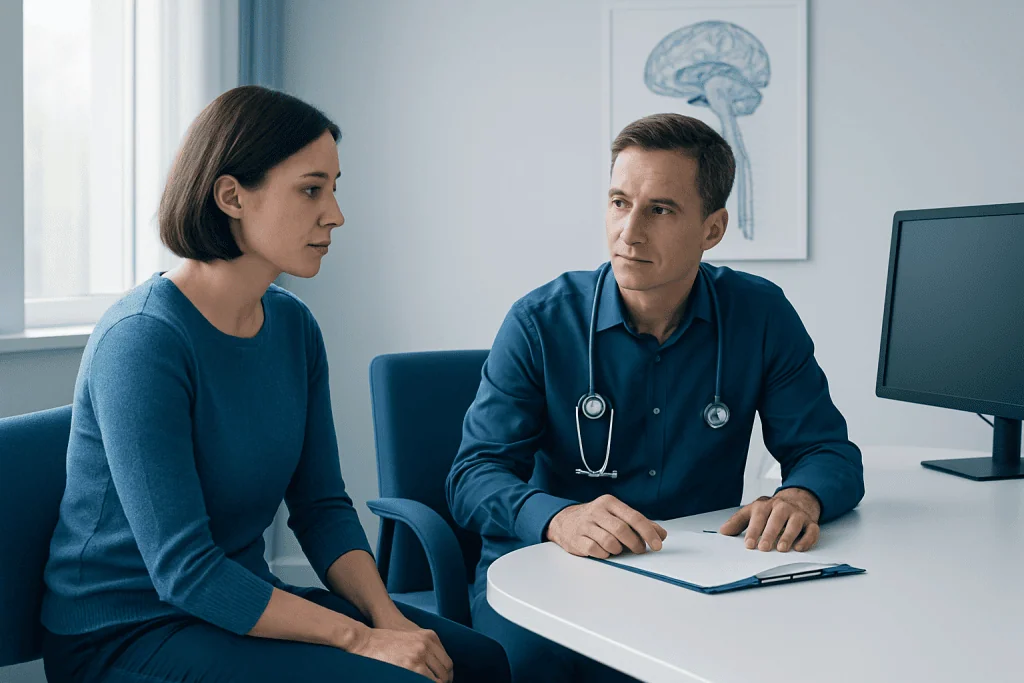
A neurophysiology department does not treat only one disease. Instead, it investigates symptoms that suggest a problem with the nervous system. These may include tingling, burning pain, weakness, muscle twitching, poor balance, facial numbness, tremor, memory-related episodes, fainting, or unexplained jerking movements.
Doctors may request neurophysiology testing when a person has suspected seizures, recurrent blackout episodes, carpal tunnel symptoms, peripheral neuropathy, nerve compression, muscle disease, or nerve injury after trauma. Testing can also help distinguish between disorders that cause similar complaints, which can be important for making treatment decisions.
In sleep medicine, selected neurophysiological tests may be useful for people with excessive daytime sleepiness, parasomnias, or unusual movements during sleep. In rehabilitation and postoperative care, these tests may help track recovery of nerve function over time. Because symptoms can overlap, patients often benefit when the neurophysiology team works closely with neurologists, orthopedic specialists, pain specialists, and physiatrists.
How the Main Tests Work and What Patients Can Expect
Most neurophysiology tests are outpatient procedures and do not require a hospital stay. They are generally safe, although comfort levels vary depending on the test. Patients are usually given preparation instructions in advance, such as arriving with clean hair for an EEG or avoiding lotion on the skin before EMG or nerve conduction testing.
An EEG uses small electrodes placed on the scalp to record brain wave activity. The test is painless, though the adhesive or cap may feel unfamiliar. During the study, the patient may be asked to breathe deeply, look at flashing lights, or rest quietly. In some cases, longer-term or video EEG monitoring is recommended to capture intermittent symptoms.
EMG and nerve conduction studies assess peripheral nerves and muscles. Nerve conduction studies use small electrical pulses on the skin to see how nerves respond. EMG involves a fine needle electrode inserted into selected muscles to assess their electrical activity at rest and during movement. These tests may cause temporary discomfort, but they are usually well tolerated and provide valuable information that cannot be obtained from routine imaging alone.
Other tests, such as evoked potentials, measure how quickly signals travel from the eyes, ears, or skin to the brain. Sleep-related investigations can involve overnight monitoring of brain activity, breathing, heart rate, eye movements, and muscle tone. If a doctor suspects a condition that affects nerve function, testing may complement imaging or procedures such as MRI scanning or a detailed neurological examination.
How to Choose the Right Neurophysiology Center
Choosing a neurophysiology center is not only about convenience. It is also about expertise, communication, and access to the right tests for the patient’s symptoms. A high-quality center should have trained clinical neurophysiologists or neurologists, experienced technicians, reliable equipment, and clear standards for safety and reporting.
Patients and families may find it helpful to ask practical questions before booking. Important points include whether the center offers the specific test needed, whether pediatric services are available if relevant, how long appointments usually take, and how quickly results are reviewed. It is also useful to ask whether the department works closely with neurology, neurosurgery, sleep medicine, rehabilitation, and imaging services.
Other signs of a good center include careful explanation before and during the test, written preparation instructions, and a clear plan for follow-up. Complex symptoms often require a multidisciplinary approach. For example, a patient with limb weakness may need neurophysiology testing alongside consultation in neurology or referral for physical therapy and rehabilitation after diagnosis.
For international patients, practical issues also matter. These include language support, access to medical records, coordination across specialties, and transparent scheduling. Near the end of the care pathway, some patients choose centers such as Acibadem International, where multidisciplinary specialists and JCI-accredited hospitals provide diagnosis and treatment for neurological conditions in an organized international setting.
How Results Are Used in Diagnosis and Treatment Planning
Neurophysiology results help doctors answer focused clinical questions. For example, they can help show whether numbness is caused by a peripheral nerve problem, whether weakness is coming from muscle or nerve disease, or whether unusual episodes are likely to represent epileptic activity. The results do not stand alone; they are interpreted together with symptoms, examination findings, blood tests, and imaging where needed.
In many cases, the greatest value of testing is clarity. A patient may have had symptoms for weeks or months without a clear explanation. Functional testing can narrow down the possible causes and guide the next step, whether that is medication, observation, rehabilitation, surgery, sleep evaluation, or referral to another specialist.
Results can also help avoid unnecessary treatment by showing what is and is not likely. A normal test does not always mean that symptoms are not real, but it may help rule out certain conditions. Similarly, an abnormal result must be interpreted in context, because some findings are subtle and need expert review.
Preparation, Safety, and Follow-Up
Preparation depends on the type of test. Patients should follow the instructions given by the department, including advice about hair products, skin creams, caffeine, sleep restriction, or medications. They should also bring a list of current medicines, previous test results, and a description of symptoms, including when they occur and what seems to trigger them.
Most neurophysiology tests are low risk. EEG is noninvasive. Nerve conduction studies and EMG may cause temporary discomfort, mild bruising, or short-lived muscle soreness. If a patient has a pacemaker, implanted device, bleeding disorder, skin infection, or significant anxiety about a procedure, this should be discussed with the care team in advance so the test can be planned safely and comfortably.
Follow-up is an important part of quality care. Patients should know who will explain the results, when they will receive them, and what the next step will be. If symptoms change, worsen, or include new weakness, seizures, falls, or loss of consciousness, prompt medical review is important rather than waiting for routine follow-up.
Frequently asked questions
What is the difference between neurology and a neurophysiology department?
Neurology is a broad medical specialty that diagnoses and treats disorders of the brain, spinal cord, nerves, and muscles. A neurophysiology department is a specialized service that performs tests to measure how those parts of the nervous system are functioning. Neurologists often request these tests to help confirm a diagnosis or guide treatment.
Are neurophysiology tests painful?
Many neurophysiology tests are painless or only mildly uncomfortable. EEG is typically painless, while nerve conduction studies and EMG can cause short, temporary discomfort. The care team usually explains each step in advance to help patients feel more at ease.
How long does neurophysiology testing take?
The length of testing depends on the type and complexity of the study. Some tests take less than an hour, while longer EEG or sleep-related monitoring may take several hours or even overnight. The center should provide timing details before the appointment.
Do I need to prepare for an EEG or EMG?
Yes, some preparation is usually needed. Patients may be asked to wash their hair before an EEG, avoid oils or lotions before EMG or nerve conduction studies, or follow instructions about sleep, food, caffeine, or medicines. It is best to follow the exact guidance given by the department.
Why would a doctor order nerve conduction studies?
Nerve conduction studies help show how well electrical signals travel through peripheral nerves. They are commonly used for symptoms such as numbness, tingling, weakness, or suspected nerve compression. The results can help distinguish between nerve damage, muscle problems, and other causes of symptoms.
How can someone choose the best neurophysiology center?
A good center should offer the right tests, experienced specialists, clear patient instructions, and timely reporting. It is also helpful if the center works closely with neurology, sleep medicine, rehabilitation, and imaging teams. Patients may want to ask about accreditation, language support, and follow-up arrangements, especially when traveling for care.
References
- World Health Organization
- National Institute of Neurological Disorders and Stroke
- American Clinical Neurophysiology Society
- International Federation of Clinical Neurophysiology
- NHS
This article is for general information only and is not a substitute for professional medical advice. Please consult a qualified doctor about your individual situation.
Neurophysiology in Turkey — costs, top hospitals & a free quote
JCI-accredited · board-certified surgeons · reply within 24h
Add us as a Preferred Source to see more of our trusted health content across Google Search, AI Overviews and Discover.

More from the Health Library



Related Specialists

Dr. Serdar Kara
Pediatrics
Prof. Dr. Mehmet Ufuk Abacıoğlu
Radiation Oncology
Prof. Dr. Hüseyin Bayram
Orthopedic Surgery & Traumatology
Dr. Selim Çepel
Orthopedic Surgery & Traumatology