Symptoms of Cancer: When to See a Doctor

Many symptoms of cancer are not unique to cancer, but persistent or unexplained changes should be checked. Warning signs can include a new lump, unusual bleeding, unexplained weight loss, ongoing pain, or changes in bowel, bladder, or skin patterns.
Key Takeaways
- Many symptoms of cancer are not unique to cancer, but persistent or unexplained changes should be checked.
- Warning signs can include a new lump, unusual bleeding, unexplained weight loss, ongoing pain, or changes in bowel, bladder, or skin patterns.
- Early assessment does not mean a person has cancer; it helps rule out serious causes and supports timely treatment if needed.
- Doctors use the symptom pattern, physical examination, imaging, blood tests, and sometimes biopsy to find the cause.
- People should seek urgent care for severe bleeding, sudden breathing problems, or signs of major neurological change.
Symptoms of cancer are often non-specific, and many can also be caused by common, non-cancerous conditions. Still, changes that are unusual, persistent, or worsening deserve medical attention so the cause can be identified and treated appropriately.
Overview
Symptoms of cancer can affect almost any part of the body. They vary widely depending on the type of cancer, its location, and how advanced it is. Some cancers cause obvious local symptoms, such as a breast lump or a change in the skin. Others may lead to more general symptoms such as tiredness, unexplained weight loss, or fever.
Importantly, most possible cancer symptoms are not caused by cancer. Infections, inflammation, hormonal changes, digestive conditions, and many other everyday health problems can cause similar complaints. For this reason, symptoms should be viewed as signals to seek medical advice rather than proof of a serious diagnosis.
Knowing when to see a doctor is helpful because early assessment can identify conditions sooner, whether they are cancerous or not. A clinician can decide which symptoms need monitoring, which need tests, and which require urgent evaluation. Paying attention to symptoms that are new, persistent, unexplained, or progressively worsening is especially important.
Common symptoms of cancer
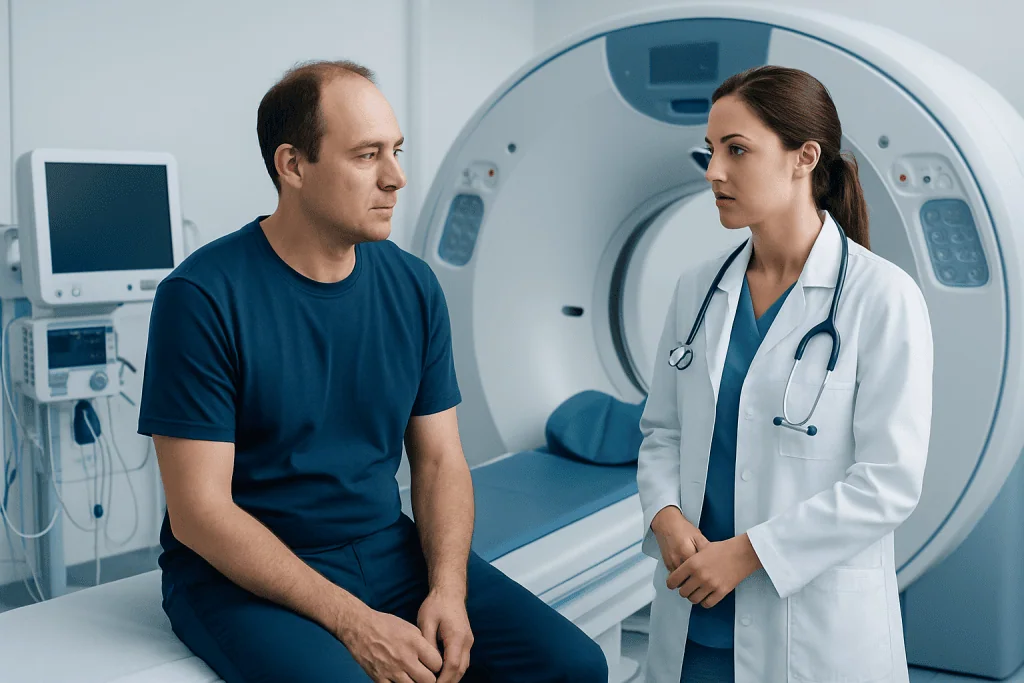
There is no single symptom that means a person has cancer. However, some warning signs appear often enough that they should not be ignored if they persist. A symptom may be more concerning when it lasts for several weeks, keeps returning, or cannot be explained by a known illness.
Possible symptoms of cancer can include:
- A new lump, swelling, or thickening anywhere in the body
- Unexplained weight loss or loss of appetite
- Persistent fatigue that does not improve with rest
- Ongoing pain without a clear cause
- Unusual bleeding or bruising, including blood in stool, urine, sputum, or vaginal bleeding after menopause
- A cough, hoarseness, or shortness of breath that does not go away
- Changes in bowel habits, such as persistent diarrhea, constipation, or narrower stools
- Changes in bladder habits, such as pain, urgency, or blood in the urine
- Difficulty swallowing or ongoing indigestion
- Changes in a mole, sore, or skin lesion, especially if it grows, changes color, bleeds, or does not heal
- Recurring fevers or night sweats without a clear infection
Symptoms can also be linked to specific cancers. For example, a painless breast lump may suggest a need to check for breast cancer, while persistent rectal bleeding or a change in bowel habits may raise concern for colon cancer. A cough that lasts, chest pain, or coughing up blood may need assessment for lung conditions, including lung cancer.
When to see a doctor

A doctor should be consulted when symptoms are unusual for the person, last longer than expected, or keep getting worse. In general, many experts advise medical review for symptoms that persist beyond a few weeks, especially when there is no obvious explanation. People do not need to wait until symptoms become severe to seek advice.
Examples of situations that deserve medical evaluation include a lump that does not go away, unexplained weight loss, repeated vomiting, ongoing difficulty swallowing, a persistent cough, blood in stool or urine, unusual vaginal bleeding, or a skin change that evolves over time. Persistent tiredness, fever, or pain should also be discussed if they interfere with normal life or cannot be explained.
Urgent medical attention is important for certain symptoms. These include heavy bleeding, coughing up a significant amount of blood, sudden shortness of breath, severe chest pain, new seizures, sudden weakness on one side, confusion, or severe headache with neurological symptoms. These symptoms may or may not be related to cancer, but they require prompt care.
People with a personal history of cancer, a strong family history of certain cancers, known inherited cancer syndromes, or exposure to tobacco should be especially careful about persistent symptoms. Even so, anyone can develop cancer, and symptoms should be assessed based on the whole clinical picture rather than risk alone.
Causes, risk factors, and why symptoms happen
Cancer symptoms happen for different reasons. A tumor may press on nearby tissues, block a hollow organ, irritate nerves, or cause bleeding. Some cancers affect the body more generally, leading to weight loss, fever, or fatigue through inflammation and changes in metabolism.
Risk factors do not always cause symptoms, but they can help a doctor judge how concerned to be. These factors include increasing age, tobacco use, heavy alcohol use, obesity, long-term sun exposure, certain infections, some inherited genetic changes, previous radiation exposure, and family history. Still, some people with cancer have no clear risk factors, while many people with risk factors never develop cancer.
Symptoms may also reflect conditions that are not cancer. For example, indigestion may come from reflux, rectal bleeding may come from hemorrhoids, and swollen glands may occur during an infection. This is one reason self-diagnosis is unreliable. A symptom should be interpreted in context, with attention to duration, severity, and associated findings such as fever, weight change, or loss of function.
How doctors diagnose the cause
Diagnosis begins with a careful history and physical examination. The doctor will ask when the symptom started, whether it has changed, what makes it better or worse, and whether there are associated problems such as weight loss, bleeding, fever, or pain. They may also ask about smoking, family history, menstrual history, occupational exposures, and previous illnesses.
Tests depend on the symptom and the body system involved. These may include blood tests, urine tests, stool tests, imaging, and endoscopic examinations. Imaging can involve ultrasound, X-ray, CT, MRI, or other targeted methods. For suspicious areas, doctors may recommend a biopsy so a pathologist can examine tissue under a microscope, which is often the most definitive way to diagnose or exclude cancer.
Some people may need screening or symptom-directed imaging even when the chance of cancer is low, simply because the symptom pattern needs clarification. If a concerning mass or organ abnormality is found, additional staging tests may be used to understand the extent of disease. Depending on the situation, evaluation may include PET-CT imaging or other scans to help guide treatment planning.
Waiting for test results can be stressful, but many investigations ultimately show benign causes. The purpose of diagnosis is not only to find cancer early when present, but also to identify other treatable conditions and provide reassurance when serious disease is ruled out.
Treatment options if cancer is found
Treatment depends on the type of cancer, its stage, the person’s general health, and individual preferences. Common approaches include surgery, systemic treatments such as chemotherapy or targeted therapy, immunotherapy, radiation therapy, or a combination of these. The aim may be to cure the cancer, control it, relieve symptoms, or improve quality of life.
Multidisciplinary care is important because cancer often requires input from several specialists. Surgeons, medical oncologists, radiation oncologists, radiologists, pathologists, and supportive care teams work together to choose the most appropriate plan. In some cases, medical oncology care helps manage drug-based treatment, while radiation therapy may be recommended for local control or symptom relief.
Supportive care is also a key part of treatment. This may include pain relief, nutritional support, psychological support, management of treatment side effects, rehabilitation, and palliative care when needed. Good supportive care can improve comfort, daily functioning, and tolerance of treatment at every stage.
Near the end of the care pathway, some patients may seek evaluation in specialized centers. Acibadem International’s multidisciplinary specialists and JCI-accredited hospitals diagnose and treat cancer for international patients, with care plans tailored to the individual condition and needs.
Prevention, self-care, and monitoring symptoms
Not all cancers can be prevented, but healthy habits can reduce risk and support overall well-being. These include not smoking, limiting alcohol, maintaining a healthy weight, staying physically active, protecting the skin from excessive sun exposure, and following recommended vaccines such as HPV and hepatitis B when appropriate. Routine screening is also important because some cancers can be found before symptoms appear.
Self-care also means knowing one’s normal body patterns. People should pay attention to new lumps, changes in skin lesions, unusual bleeding, or shifts in bowel, bladder, or breathing patterns. Keeping a simple note of when symptoms began, how often they occur, and whether they are getting worse can be helpful during a doctor’s visit.
It is usually not helpful to panic or repeatedly search symptoms online without medical guidance. Instead, a balanced approach is best: note the symptom, consider whether there may be a common explanation, and seek professional advice if the problem persists, recurs, or is accompanied by other warning signs. Regular checkups and age-appropriate screening can complement symptom awareness.
Frequently asked questions
Do symptoms of cancer always appear early?
No. Some cancers cause symptoms early, while others may not cause noticeable changes until they have grown larger or spread. This is why screening tests are important for certain cancers even when a person feels well.
How long should a symptom last before seeing a doctor?
There is no single rule, but symptoms that last for several weeks, keep returning, or steadily worsen should be assessed. A person should seek care sooner if the symptom is severe, involves bleeding, or affects breathing, swallowing, or neurological function.
Can fatigue alone be a sign of cancer?
Fatigue can occur with cancer, but it is a very common symptom with many other causes such as poor sleep, stress, infection, anemia, or thyroid problems. Fatigue becomes more concerning when it is persistent, unexplained, and accompanied by symptoms like weight loss, fever, or bleeding.
Is a lump always cancer?
No. Many lumps are benign and may be caused by cysts, infections, fatty tissue, or swollen lymph nodes. Still, any new lump that persists, enlarges, feels hard, or is associated with other symptoms should be checked by a doctor.
What bleeding symptoms are considered concerning?
Bleeding is concerning when it is unexplained, recurrent, or occurs in places where it should not, such as blood in stool, urine, sputum, or bleeding after menopause. Heavy bleeding or bleeding with weakness, dizziness, or shortness of breath needs urgent medical attention.
If symptoms improve, is it still necessary to see a doctor?
Not always, but it depends on the symptom. Brief symptoms that fully resolve may not need urgent evaluation, whereas recurring symptoms, a persistent lump, or episodes of unexplained bleeding should still be discussed even if they temporarily improve.
References
- World Health Organization
- National Cancer Institute
- American Cancer Society
- NHS
- Centers for Disease Control and Prevention
This article is for general information only and is not a substitute for professional medical advice. Please consult a qualified doctor about your individual situation.
Medical weight-loss options in Turkey — costs & eligibility
JCI-accredited · board-certified surgeons · reply within 24h
Add us as a Preferred Source to see more of our trusted health content across Google Search, AI Overviews and Discover.

More from the Health Library



Related Specialists

Dr. Yeliz Kantürk
Otorhinolaryngology
Prof. Dr. Murat Bozkurt
Orthopedic Surgery & Traumatology
Assoc. Prof. Dr. Ebru Sevinç Ok
Nephrology
Dr. Nilgün Çavdar
Physical Medicine & Rehabilitation