Malignancy: Meaning, Types, and How It Is Diagnosed

Malignancy refers to cancerous cells that can invade surrounding tissue and may spread to distant organs. There are many types of malignancy, including carcinomas, sarcomas, leukemias, lymphomas, and melanomas.
Key Takeaways
- Malignancy refers to cancerous cells that can invade surrounding tissue and may spread to distant organs.
- There are many types of malignancy, including carcinomas, sarcomas, leukemias, lymphomas, and melanomas.
- Symptoms vary by the organ involved and may be absent in early stages.
- Diagnosis usually combines a medical history, physical exam, imaging tests, and a biopsy.
- Treatment depends on the cancer type, stage, location, and the person’s overall health.
- Early evaluation of persistent or unusual symptoms can improve treatment planning.
Malignancy is a medical term for a cancerous condition in which abnormal cells can grow uncontrollably, invade nearby tissues, and sometimes spread to other parts of the body. Understanding what malignancy means, how it is diagnosed, and which symptoms may appear can help people seek timely medical advice and treatment.
Overview
Malignancy is the medical term used to describe a cancerous disease or tumor. In a malignancy, abnormal cells grow in an uncontrolled way, may invade nearby tissues, and can sometimes spread to distant parts of the body through the blood or lymphatic system. This behavior distinguishes malignant growths from benign tumors, which do not spread and usually remain localized.
The word itself does not refer to one single illness. Instead, it is a broad term that includes many forms of cancer affecting different organs and tissues. A malignancy can begin in the breast, lung, colon, blood, skin, brain, or almost any other part of the body, and each type can behave differently.
Not every malignancy causes symptoms at first. Some are found during routine screening or while investigating another health concern. Others become noticeable only after causing a lump, pain, bleeding, changes in bowel or bladder habits, unexplained weight loss, or ongoing fatigue. Because signs can vary widely, a medical assessment is important whenever symptoms persist or feel unusual.
Although the term may sound frightening, many malignancies can be treated effectively, especially when found early. Modern cancer care often involves a combination of surgery, medicines, and supportive care tailored to the person’s diagnosis and needs.
What Does Malignancy Mean?
In medicine, a malignant tumor is one that has the ability to grow into nearby tissues and potentially spread beyond its original site. This process of spread is called metastasis. Malignant cells tend to divide more rapidly than normal cells and do not respond to the body’s usual controls on growth and repair.
By contrast, a benign tumor may still form a lump or mass, but it does not invade surrounding tissue or metastasize. Even so, some benign growths may still need treatment depending on their size, location, or effect on nearby organs. The distinction between benign and malignant is made through careful medical evaluation, often including imaging and laboratory analysis of tissue.
Doctors use the term malignancy in pathology reports, imaging discussions, and treatment planning. It may describe a confirmed cancer diagnosis or a suspicious finding that needs further testing. In some cases, a scan may show a lesion that appears concerning for malignancy, but only a biopsy can confirm what it is.
It is also helpful to remember that malignancy is not one disease with one outcome. The outlook depends on the type of cancer, how early it is found, whether it has spread, and how well it responds to treatment.
Main Types of Malignancy

Malignancies are often grouped by the type of cell where they begin. Carcinomas are the most common and start in epithelial cells, which line organs and body surfaces. These include many cancers of the breast, lung, colon, prostate, and skin. Sarcomas begin in connective tissues such as bone, muscle, fat, or cartilage.
Blood-related malignancies form another major group. Leukemia starts in blood-forming tissues and usually involves abnormal white blood cells. Lymphoma begins in the lymphatic system, which helps the body fight infection. Myeloma affects plasma cells, a type of immune cell in the bone marrow.
Other important malignancies include melanoma, which develops in pigment-producing skin cells, and cancers of the brain or nervous system. Some people may also hear terms such as primary cancer, meaning the original site, and secondary or metastatic cancer, meaning the cancer has spread from where it first began.
Examples of well-known cancers include breast cancer, lung cancer, and colon cancer. Each has its own symptoms, risk factors, and treatment pathways, which is why precise diagnosis matters so much.
Symptoms and Warning Signs
The symptoms of malignancy depend mainly on where the cancer starts, how large it is, and whether it has affected nearby organs or spread elsewhere. Some people have no symptoms in the early stages. Others notice changes that do not go away over time.
Possible warning signs can include:
- A new lump or swelling
- Unexplained weight loss
- Persistent fatigue
- Ongoing pain
- Unusual bleeding or discharge
- Changes in bowel or bladder habits
- A cough that does not improve
- Difficulty swallowing
- Changes in a mole or skin lesion
- Recurring fevers or night sweats
These symptoms do not always mean cancer. Many common and treatable conditions can cause similar problems. However, symptoms that are persistent, worsening, or unexplained should be discussed with a doctor rather than ignored.
Some cancers are discovered through screening before symptoms develop. Examples include mammography for breast cancer, colon screening tests for colorectal cancer, and cervical screening. Screening recommendations vary by age, sex, family history, and personal risk factors.
Causes and Risk Factors
Malignancy develops when changes occur in the genes that control how cells grow, divide, and die. These changes may happen over time as a result of aging, environmental exposures, inherited genetic factors, or random errors in cell division. In most cases, cancer does not have a single cause.
Known risk factors include tobacco use, excessive alcohol consumption, obesity, physical inactivity, long-term exposure to ultraviolet radiation, certain infections, and exposure to harmful chemicals or radiation. Family history can also matter, especially when close relatives have had the same or related cancers at a younger age.
Having a risk factor does not mean a person will definitely develop malignancy, and some people diagnosed with cancer have no obvious risk factors. Likewise, a healthy lifestyle cannot prevent every case. Still, reducing modifiable risks can support overall health and lower the chance of several common cancers.
Doctors may ask detailed questions about work exposures, smoking history, past illnesses, medications, reproductive history, and inherited conditions. This information helps guide decisions about screening, diagnostic testing, and prevention strategies.
How Malignancy Is Diagnosed
Diagnosis usually begins with a medical history and physical examination. A doctor will ask about symptoms, how long they have been present, personal and family history, and any possible risk factors. If cancer is suspected, further tests are arranged based on the body area involved.
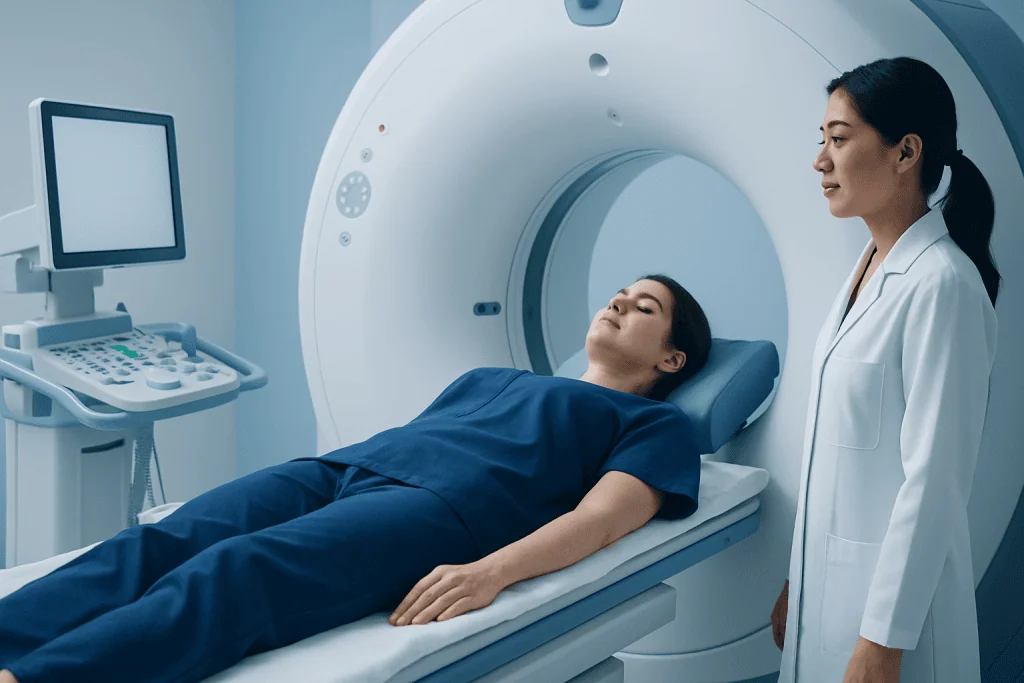
Imaging tests help doctors look inside the body and assess the size and location of a suspected tumor. Depending on the case, this may include ultrasound, X-ray, CT, MRI, PET scanning, or other studies. Blood tests can provide additional clues, such as signs of anemia, infection, abnormal organ function, or tumor-related markers, but blood tests alone usually cannot confirm a malignancy.
The most important step in confirming malignancy is often a biopsy, in which a sample of tissue or cells is taken and examined under a microscope by a pathologist. The pathology report identifies whether cells are cancerous and may also describe the cancer type, grade, and other features that guide treatment decisions. In some situations, doctors use a biopsy together with advanced imaging or endoscopic techniques to reach areas that are difficult to access.
Once cancer is confirmed, staging tests are used to determine how far it has spread. Staging may involve additional scans, laboratory tests, or procedures. This information helps the care team choose the most appropriate treatment plan and estimate prognosis. Diagnostic work-up may include PET-CT scanning or MRI when these tests are suitable for the suspected cancer type.
Treatment Options
Treatment for malignancy depends on many factors, including the type of cancer, its stage, the tumor’s location, the person’s age and general health, and their treatment goals. In many cases, care is planned by a multidisciplinary team that may include oncologists, surgeons, radiologists, pathologists, and supportive care specialists.
Common treatments include surgery to remove the tumor, chemotherapy, radiation therapy, targeted therapy, immunotherapy, hormone therapy, or a combination of these. Some blood cancers are treated with specialized medicines or stem cell transplantation. For certain early cancers, one treatment may be enough, while more advanced cancers may require combined approaches.
Treatment also includes supportive care to help manage pain, nausea, fatigue, nutrition concerns, emotional stress, and other side effects. Follow-up after treatment is important to monitor recovery, check for recurrence, and address any long-term effects on physical or emotional well-being.
Patients often benefit from asking about the purpose of each treatment, possible side effects, expected timelines, and alternatives. In centers such as Acibadem International, multidisciplinary specialists in JCI-accredited hospitals diagnose and treat malignancies for international patients, with treatment plans tailored to the individual condition.
Prevention, Self-care, and When to See a Doctor
Not all malignancies can be prevented, but some healthy habits may help reduce risk. Avoiding tobacco, limiting alcohol, protecting skin from excessive sun exposure, maintaining a healthy weight, being physically active, and following recommended vaccination and screening advice can all play a role. Screening is especially important because some cancers can be found before symptoms begin.
Self-care during and after evaluation matters as well. People waiting for test results may find it helpful to keep a record of symptoms, bring questions to appointments, and ask a trusted family member or friend for support. Good nutrition, rest, and emotional support can help during diagnosis and treatment planning, though they do not replace medical care.
A doctor should be consulted if there is a lump that does not go away, unexplained bleeding, persistent changes in bowel or bladder habits, a lasting cough, trouble swallowing, unexplained weight loss, or ongoing fatigue without a clear reason. Any concerning skin change, especially a mole that changes size, shape, or color, also deserves prompt assessment.
Urgent medical attention may be needed for severe bleeding, sudden breathing difficulty, significant pain, or signs of serious infection during cancer treatment. Even when symptoms turn out to have a non-cancerous cause, timely evaluation can bring reassurance and allow earlier treatment if needed.
Frequently asked questions
Is malignancy the same as cancer?
Yes, malignancy generally means a cancerous condition. It describes abnormal cells that can grow uncontrollably, invade nearby tissues, and sometimes spread to other parts of the body.
Does a malignant tumor always spread?
No. A malignant tumor has the ability to spread, but not every cancer has already spread at the time it is diagnosed. Some are found early and remain limited to their original location.
Can imaging tests alone confirm malignancy?
Imaging tests can strongly suggest malignancy and show its size or location, but they often cannot confirm it by themselves. In many cases, a biopsy is needed to make a definite diagnosis.
What is the difference between benign and malignant?
A benign growth does not invade nearby tissue or metastasize to distant organs. A malignant growth is cancerous and can invade surrounding structures and may spread elsewhere in the body.
Are there early signs of malignancy?
Sometimes there are early signs, such as a new lump, unusual bleeding, a changing mole, or persistent fatigue, but some cancers cause no symptoms at first. This is one reason why routine screening can be important for certain age groups and risk profiles.
Can malignancy be cured?
Some malignancies can be cured, especially when diagnosed early and treated appropriately. In other cases, treatment aims to control the disease, relieve symptoms, and help people live longer and better.
When should someone see a doctor about possible cancer symptoms?
A doctor should be seen if symptoms are persistent, unexplained, or worsening over time. It is especially important to seek assessment for a lasting lump, unexplained bleeding, unexplained weight loss, or major changes in usual bodily habits.
References
- World Health Organization
- National Cancer Institute
- American Cancer Society
- National Health Service
- Centers for Disease Control and Prevention
This article is for general information only and is not a substitute for professional medical advice. Please consult a qualified doctor about your individual situation.
Oncology care in Turkey — second opinion and treatment plan
JCI-accredited · board-certified surgeons · reply within 24h
Add us as a Preferred Source to see more of our trusted health content across Google Search, AI Overviews and Discover.