Cancer Symptoms by Type: What to Watch For

Cancer does not cause the same symptoms in every person or every cancer type. Persistent changes such as unexplained weight loss, bleeding, a new lump, or lasting pain should be medically assessed.
Key Takeaways
- Cancer does not cause the same symptoms in every person or every cancer type.
- Persistent changes such as unexplained weight loss, bleeding, a new lump, or lasting pain should be medically assessed.
- Symptoms may be local, such as a breast lump or chronic cough, or general, such as fatigue or loss of appetite.
- Many symptoms are caused by non-cancer conditions, so testing is needed to find the cause.
- Early evaluation can help identify cancer sooner and also rule out other treatable conditions.
Cancer symptoms can differ widely depending on where a cancer starts, how large it is, and whether it affects nearby tissues or organs. Many common symptoms have non-cancer causes, but persistent, unusual, or unexplained changes should be checked by a doctor.
Overview
“Cancer symptoms by type” refers to the different warning signs that may appear depending on the organ or tissue involved. A cancer in the lung may cause cough or shortness of breath, while a cancer in the bowel may lead to changes in bowel habits or blood in the stool. Some cancers cause no symptoms at first and are found during routine screening or imaging done for another reason.
Symptoms can happen for several reasons. A tumor may grow into nearby tissues, block a passage such as the bowel or airway, irritate nerves, or cause bleeding. Cancer can also produce general effects throughout the body, including tiredness, fever, night sweats, or unintentional weight loss.
It is important to remember that common symptoms often have non-cancer causes, such as infection, inflammation, hormonal changes, or benign growths. Even so, symptoms that are new, persistent, worsening, or unexplained deserve medical attention. A doctor can decide whether monitoring, testing, or referral is appropriate.
General Warning Signs That Can Happen in Many Cancers
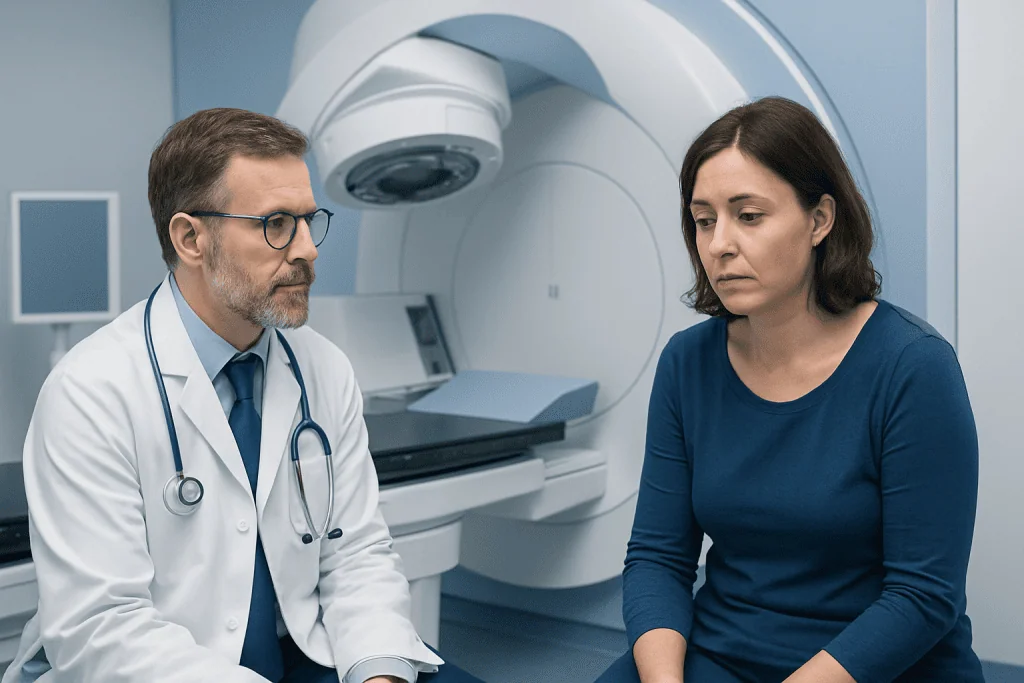
Some symptoms are not specific to one cancer type and may occur in many different cancers. These general warning signs do not automatically mean cancer, but they are worth discussing with a healthcare professional if they last or cannot be explained.
Common general symptoms may include ongoing fatigue, unexplained weight loss, loss of appetite, persistent pain, recurrent fevers, drenching night sweats, or a general sense of not feeling well. Some people also notice swollen lymph nodes, especially in the neck, armpit, or groin, or persistent itching without an obvious cause.
Unusual bleeding can also be a warning sign. This may include blood in the stool or urine, coughing up blood, vaginal bleeding after menopause, or easy bruising. A new lump, non-healing sore, or a mole or skin spot that changes in size, shape, or color should also be assessed.
- Unexplained weight loss
- Persistent fatigue
- Ongoing pain
- Unusual bleeding or bruising
- New lump or swelling
- Fever or night sweats without clear cause
Cancer Symptoms by Type

Different cancers often cause different patterns of symptoms. Breast cancer may present as a new breast lump, skin dimpling, nipple inversion, nipple discharge, or swelling in the breast or underarm. Lung cancer may cause a cough that does not go away, coughing up blood, chest pain, hoarseness, repeated chest infections, or breathlessness. Colorectal cancer may lead to blood in the stool, a lasting change in bowel habits, abdominal discomfort, or a feeling that the bowel does not empty completely.
Gynecologic cancers can have varied symptoms. Ovarian cancer may cause bloating, pelvic pressure, feeling full quickly, or urinary urgency. Cancer of the uterus can cause abnormal vaginal bleeding, especially after menopause. Cervical cancer may lead to bleeding after sex, bleeding between periods, or unusual vaginal discharge. Prostate cancer may sometimes cause urinary changes, though early prostate cancer often has no symptoms.
Stomach and esophageal cancers can cause indigestion, difficulty swallowing, nausea, vomiting, early fullness, or unexplained weight loss. Pancreatic cancer may cause abdominal pain, back pain, jaundice, pale stools, dark urine, and loss of appetite. Liver cancer can also cause abdominal swelling, right-sided upper abdominal pain, jaundice, and weight loss.
Blood cancers such as leukemia, lymphoma, and myeloma often cause fatigue, frequent infections, easy bruising or bleeding, enlarged lymph nodes, bone pain, or night sweats. Brain tumors may cause persistent headaches, seizures, weakness, balance problems, personality changes, or vision changes. Skin cancer may appear as a sore that does not heal or a mole that changes in color, border, shape, or size. People who are concerned about cancer symptoms should seek a professional evaluation rather than trying to identify the cause on their own.
What Affects Which Symptoms Appear
Symptoms depend on more than the cancer type alone. They can also be influenced by the size of the tumor, how quickly it grows, and whether it presses on nerves, blood vessels, the bowel, or other nearby organs. A very small cancer may cause no symptoms, while a tumor in a sensitive area may cause symptoms earlier.
The stage of cancer can also affect symptoms. In early stages, symptoms may be mild or absent. In later stages, people may develop more noticeable local symptoms, such as pain or obstruction, as well as general body-wide effects such as weakness, tiredness, or appetite loss. However, symptoms do not always match stage exactly, so only proper testing can show how advanced a disease is.
Age, sex, overall health, smoking history, family history, and existing medical conditions can also shape how symptoms are noticed and interpreted. For example, chronic cough in a smoker needs a different level of attention than a short-lived cough during a common cold. A doctor will consider the full picture, including symptom pattern, duration, and risk factors.
How Doctors Diagnose the Cause of Symptoms
Diagnosis usually begins with a medical history and physical examination. The doctor will ask when symptoms started, whether they are getting worse, what makes them better or worse, and whether there are relevant personal or family risk factors. Depending on the symptoms, blood tests, urine tests, stool tests, or other laboratory studies may be ordered.
Imaging tests are often used to look inside the body. These may include ultrasound, X-ray, mammography, computed tomography, magnetic resonance imaging, or positron emission tomography in selected situations. For symptoms such as bowel bleeding, difficulty swallowing, or urinary changes, procedures like colonoscopy, upper endoscopy, bronchoscopy, or cystoscopy may be needed to directly examine the area.
A biopsy is usually needed to confirm cancer. In a biopsy, a small sample of tissue or cells is taken and examined under a microscope. This helps show whether cancer is present and, if so, what type it is. If more specialized care is needed, doctors may recommend evaluation with medical oncology and other related specialties to plan further tests and treatment.
Treatment Options After Cancer Is Confirmed
Treatment depends on the type of cancer, its stage, where it is located, the person’s age and overall health, and individual treatment goals. The main options may include surgery, chemotherapy, radiotherapy, hormone therapy, targeted therapy, immunotherapy, or a combination of these approaches. Some cancers are treated with one main treatment, while others are managed with several treatments given in sequence.
For example, a localized tumor may be treated with surgical oncology if it can be removed safely. Other cancers may respond well to chemotherapy or to radiation therapy used before or after surgery. Supportive care is also important and may include pain control, nutrition support, management of nausea, emotional support, and rehabilitation.
Modern cancer care is usually multidisciplinary. This means surgeons, medical oncologists, radiation oncologists, radiologists, pathologists, and other specialists work together to make a treatment plan. Near the end of the diagnostic and treatment journey, some patients may choose care at centers such as Acibadem International, where multidisciplinary specialists in JCI-accredited hospitals diagnose and treat cancer for international patients.
Prevention, Screening, and When to See a Doctor
Not every cancer can be prevented, but some risks can be reduced. Avoiding tobacco, limiting alcohol, maintaining a healthy weight, staying physically active, protecting the skin from excessive sun, following recommended vaccines, and managing chronic infections can all support cancer prevention. A balanced lifestyle does not guarantee that cancer will not happen, but it can lower risk for several cancer types.
Screening is also important because some cancers may cause no early symptoms. Depending on age, sex, and risk factors, doctors may recommend breast screening, cervical screening, colorectal screening, prostate discussion, skin checks, or low-dose CT for selected people at high risk of lung cancer. Screening aims to detect disease earlier or find precancerous changes before cancer develops.
A person should see a doctor if a symptom lasts more than a few weeks, keeps returning, is unusual for them, or is getting worse. Urgent medical attention is especially important for coughing up blood, severe shortness of breath, major unexplained bleeding, new neurological symptoms such as seizures or weakness, or jaundice. Seeking evaluation promptly can help identify serious problems early and can also provide reassurance when symptoms are caused by something else.
Frequently asked questions
Can cancer cause symptoms in the early stages?
Yes, some cancers can cause symptoms early, but many do not. Early symptoms are often mild and can resemble common non-cancer conditions, which is why persistent or unusual changes should be checked.
What are the most common warning signs of cancer?
Common warning signs include unexplained weight loss, unusual bleeding, a new lump, long-lasting fatigue, ongoing pain, and changes in bowel or bladder habits. These symptoms do not always mean cancer, but they should be evaluated if they persist.
Does every cancer cause pain?
No, not every cancer causes pain, especially in early stages. Some cancers are painless at first and may only be discovered through screening or tests done for another reason.
How long should someone wait before seeing a doctor about possible cancer symptoms?
In general, symptoms that last more than a few weeks, recur, or worsen should be discussed with a doctor. Some symptoms, such as significant bleeding, coughing up blood, seizures, or jaundice, should be assessed urgently.
Are cancer symptoms different in women and men?
Some symptoms are shared by all sexes, such as unexplained weight loss or fatigue. Others depend on specific organs, such as abnormal vaginal bleeding in women or urinary changes in men with prostate problems.
Can routine screening find cancer before symptoms start?
Yes, screening can sometimes detect cancer or precancerous changes before symptoms develop. This is one reason it is important to follow recommended screening based on age, sex, and personal risk factors.
References
- World Health Organization
- National Cancer Institute
- American Cancer Society
- Centers for Disease Control and Prevention
- National Health Service
This article is for general information only and is not a substitute for professional medical advice. Please consult a qualified doctor about your individual situation.
Persistent digestive symptoms? Get evaluated in Turkey
JCI-accredited · board-certified surgeons · reply within 24h
Add us as a Preferred Source to see more of our trusted health content across Google Search, AI Overviews and Discover.