Lung Cancer Symptoms: Common Signs and Red Flags

A cough that does not go away or changes over time is a common lung cancer symptom. Shortness of breath, chest pain, wheezing, and coughing up blood are important warning signs.
Key Takeaways
- A cough that does not go away or changes over time is a common lung cancer symptom.
- Shortness of breath, chest pain, wheezing, and coughing up blood are important warning signs.
- Early lung cancer may cause few or no symptoms, especially in the earliest stages.
- Symptoms can overlap with infections, asthma, or COPD, so medical evaluation is important.
- People who smoke or used to smoke are at higher risk, but lung cancer can also occur in non-smokers.
Lung cancer symptoms often start quietly and can resemble common chest illnesses, which is why persistent or unusual changes should be checked. Knowing the common signs and red flags can help people seek timely medical advice and diagnosis.
Overview
Lung cancer symptoms are the body’s signals that something may be affecting the lungs or nearby tissues. These symptoms can vary widely from person to person. Some people notice a persistent cough or increasing breathlessness, while others develop chest discomfort, fatigue, or repeated chest infections.
One reason lung cancer can be difficult to recognize early is that the first changes are often mild and easy to mistake for a lingering cold, bronchitis, asthma, or smoking-related irritation. In some cases, there are no obvious symptoms at all in the early stages, and the condition is found during imaging done for another reason.
Symptoms may develop because a tumor is affecting the airways, irritating the lining of the lungs, or spreading to nearby structures. More advanced disease may also cause general symptoms such as weight loss or symptoms in other parts of the body. Although these signs do not always mean cancer, persistent, worsening, or unexplained symptoms should be assessed by a qualified doctor.
Common Symptoms of Lung Cancer
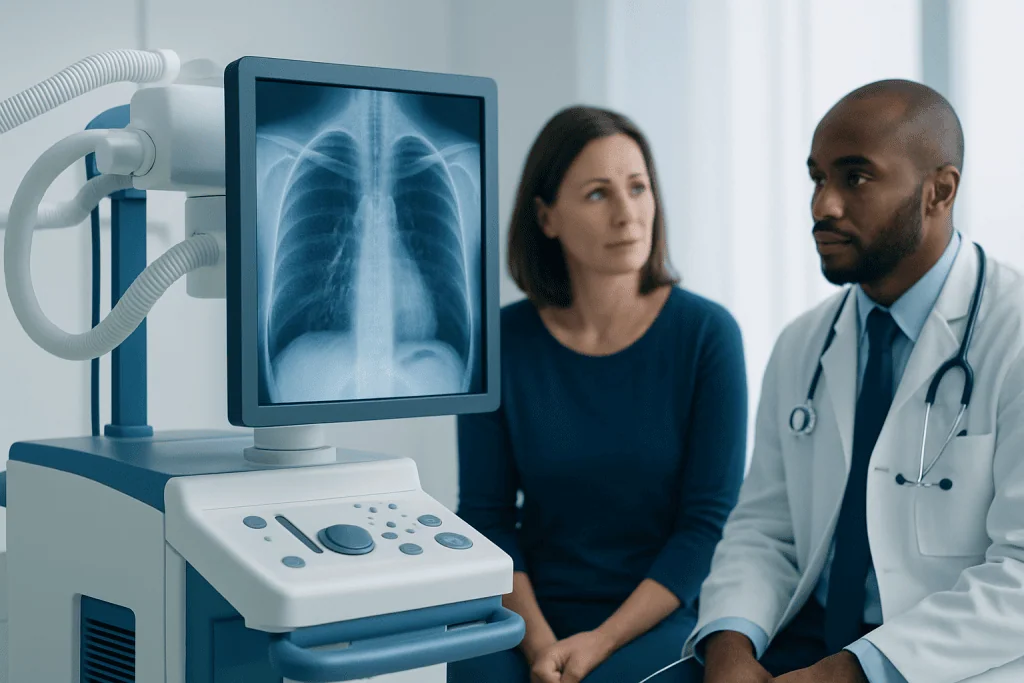
The most common lung cancer symptom is a cough that does not go away or changes from a person’s usual pattern. This may be a new cough, a chronic cough that becomes more frequent, or a cough that sounds different. People sometimes describe it as deeper, harsher, or more persistent than before.
Other common symptoms include shortness of breath, chest pain, wheezing, and coughing up blood. Breathlessness may happen during physical activity at first and later with lighter activity or even at rest. Chest pain may feel dull, sharp, or worse when taking a deep breath, coughing, or laughing.
Some people also notice hoarseness, repeated lung infections such as bronchitis or pneumonia, or a feeling of tiredness that does not improve with rest. Unexplained weight loss and loss of appetite can occur as well, especially if the disease has progressed.
- Persistent cough
- Coughing up blood or blood-streaked mucus
- Shortness of breath
- Chest pain
- Wheezing
- Hoarseness
- Repeated chest infections
- Unexplained weight loss or fatigue
Red Flags and Less Common Signs

Some symptoms deserve prompt medical attention because they can suggest more serious disease. Coughing up blood, even a small amount, is an important red flag. Sudden worsening shortness of breath, severe chest pain, or repeated pneumonia in the same part of the lung should also be evaluated without delay.
Lung cancer can sometimes cause symptoms beyond the lungs. If it spreads or affects other body systems, a person may develop bone pain, headaches, weakness, dizziness, or changes in balance. Swelling of the face or neck can occur if a tumor presses on major blood vessels in the chest.
Rarely, lung cancer leads to hormone-like effects in the body, known as paraneoplastic syndromes. These may cause muscle weakness, confusion, or changes in sodium or calcium levels. While these findings have many possible causes, they can sometimes be linked to lung cancer and need specialist assessment.
Causes and Risk Factors
Lung cancer begins when cells in the lungs grow abnormally and out of control. Smoking is the leading risk factor, including cigarette smoking and, to a lesser extent, exposure to secondhand smoke. The risk generally rises with longer and heavier exposure, but people who have never smoked can also develop lung cancer.
Other risk factors include exposure to radon gas, asbestos, air pollution, and certain workplace chemicals. A personal history of lung disease, previous chest radiation, and a family history of lung cancer may also increase risk. Older age is another important factor, because most cases occur later in life.
Risk factors help doctors estimate the likelihood of disease, but they do not confirm a diagnosis. Likewise, having no known risk factors does not fully rule out lung cancer. That is why symptoms that persist, recur, or feel unusual should still be checked, even in non-smokers.
How Doctors Diagnose the Cause of Symptoms
Diagnosis starts with a medical history and physical examination. The doctor will ask about the cough, breathing problems, chest pain, smoking history, workplace exposures, and any weight loss or fatigue. They may also ask whether infections have been frequent or whether symptoms are getting worse over time.
If lung cancer is suspected, imaging tests are usually the next step. A chest X-ray may show an abnormality, but a chest CT scan gives more detailed information about the lungs and surrounding structures. In some situations, further evaluation may include a PET-CT scan or brain imaging, depending on the symptoms and findings.
A biopsy is needed to confirm the diagnosis. Tissue may be collected through bronchoscopy, a needle biopsy guided by imaging, or another procedure chosen by the care team. Laboratory testing of the tissue helps identify the exact type of cancer and may guide treatment planning, including bronchoscopy-based evaluation and other diagnostic procedures.
Treatment Options
Treatment depends on the type of lung cancer, how far it has spread, the person’s general health, and their goals of care. Main treatment options can include surgery, radiation therapy, chemotherapy, targeted therapy, immunotherapy, or a combination of these. Many people are treated by a multidisciplinary team that may include chest physicians, oncologists, thoracic surgeons, radiologists, and pathologists.
When cancer is found at an earlier stage, surgery may be considered to remove the tumor and affected lung tissue. In other cases, lung cancer treatment may focus on systemic therapies such as chemotherapy, targeted medicines, or immunotherapy. Radiation can be used alone or together with other treatments, especially if surgery is not suitable.
Supportive care is also important throughout treatment. This may include help with breathing symptoms, nutrition, pain control, fatigue management, and emotional support. For some patients, procedures such as robotic surgery or other advanced surgical approaches may be considered when appropriate, based on tumor location and overall health.
Prevention and Self-care
The most effective way to lower the risk of lung cancer is to avoid smoking or to stop if currently smoking. Quitting can be beneficial at any age and after any smoking duration. Avoiding secondhand smoke and reducing exposure to workplace toxins or air pollutants also matters.
People can also support lung health by staying physically active, eating a balanced diet, and keeping up with routine medical care. Managing chronic lung conditions such as asthma or COPD may make it easier to notice when symptoms are changing. Anyone with high-risk exposure to radon should consider home testing and mitigation if needed.
Screening may help some people before symptoms appear. Low-dose CT screening is recommended in certain higher-risk adults, especially those with a significant smoking history. A doctor can explain whether screening is appropriate and how it differs from testing symptoms that are already present.
When to See a Doctor
A doctor should be consulted if a cough lasts more than a few weeks, changes noticeably, or keeps returning. Medical review is also important for shortness of breath, chest pain, wheezing, hoarseness, repeated chest infections, or unexplained fatigue and weight loss. These symptoms often have causes other than cancer, but they should not be ignored if they persist.
Urgent evaluation is especially important for coughing up blood, severe breathing difficulty, or chest pain that is intense or worsening. People with a history of smoking, previous lung disease, or significant occupational exposure should be particularly attentive to changes in respiratory symptoms. Early assessment can help identify infections, chronic lung disease, or cancer sooner.
For patients seeking specialist care, Acibadem International’s multidisciplinary teams in JCI-accredited hospitals evaluate and treat lung conditions, including suspected lung cancer, for international patients. In some cases, further testing may include PET-CT imaging as part of a broader diagnostic plan recommended by the treating doctor.
Frequently asked questions
What is usually the first symptom of lung cancer?
A persistent cough is one of the most common early symptoms of lung cancer. However, early lung cancer may cause no symptoms at all, which is why some cases are found only on imaging tests.
Can lung cancer feel like a chest infection?
Yes, lung cancer symptoms can sometimes resemble bronchitis or pneumonia. A lingering cough, repeated infections, or symptoms that do not improve as expected should be checked by a doctor.
Does everyone with lung cancer cough up blood?
No, not everyone with lung cancer coughs up blood. It is an important warning sign when it happens, but many people have other symptoms such as cough, breathlessness, chest pain, or fatigue instead.
Can non-smokers get lung cancer?
Yes, non-smokers can develop lung cancer. Risk may be linked to secondhand smoke, radon, air pollution, workplace exposures, genetic factors, or other causes.
How long should a cough last before seeing a doctor?
A cough that lasts more than a few weeks, changes in character, or keeps returning should be medically reviewed. Earlier assessment is recommended if there is breathlessness, chest pain, or blood in the mucus.
Are early lung cancer symptoms easy to miss?
Yes, early symptoms can be mild, vague, or similar to common respiratory problems. Because of this, people may delay seeking help unless symptoms persist or worsen.
References
- World Health Organization
- American Cancer Society
- National Cancer Institute
- NHS
- Centers for Disease Control and Prevention
This article is for general information only and is not a substitute for professional medical advice. Please consult a qualified doctor about your individual situation.
Lung Cancer in Turkey — costs, top hospitals & a free quote
JCI-accredited · board-certified surgeons · reply within 24h
Add us as a Preferred Source to see more of our trusted health content across Google Search, AI Overviews and Discover.

Medical Oncology Department
Medical treatment of cancer with chemotherapy, immunotherapy and targeted therapies under a multidisciplinary tumor board.
60 specialists in this unit