Lung Cancer Symptoms: Signs That Need Medical Attention

A cough that lasts, changes, or returns should be medically assessed, especially in smokers or former smokers. Coughing up blood, unexplained weight loss, chest pain, or ongoing shortness of breath need prompt evaluation.
Key Takeaways
- A cough that lasts, changes, or returns should be medically assessed, especially in smokers or former smokers.
- Coughing up blood, unexplained weight loss, chest pain, or ongoing shortness of breath need prompt evaluation.
- Early lung cancer symptoms are not always obvious, and some people have no symptoms at first.
- Symptoms can also be caused by infections, asthma, COPD, or other conditions, so proper diagnosis matters.
- Imaging tests and, when needed, biopsy help confirm the cause of concerning lung symptoms.
Lung cancer symptoms can be subtle at first and may overlap with common respiratory illnesses. Knowing which signs deserve prompt medical attention can help people seek evaluation earlier and start appropriate care without delay.
Overview
Lung cancer symptoms are changes in breathing, coughing, energy, or general health that may occur when a tumor affects the lungs or nearby structures. Some signs appear early, but many people notice symptoms only after they persist or become more disruptive. Because these changes can resemble bronchitis, asthma, pneumonia, or smoking-related lung disease, they are sometimes overlooked.
The most important point is not to assume that a symptom is minor just because it is common. A cough, tiredness, or breathlessness may have many possible causes, including noncancerous ones. Still, when symptoms last, worsen, or feel unusual for that person, a doctor can help identify the reason and decide whether further testing is needed.
Lung cancer is generally divided into two main types: non-small cell lung cancer and small cell lung cancer. Both can cause similar symptoms, although the pattern and speed of progression may differ. In some cases, symptoms come not only from the lung itself but also from pressure on nerves, the spread of disease, or effects on the body’s hormones and metabolism.
Common lung cancer symptoms
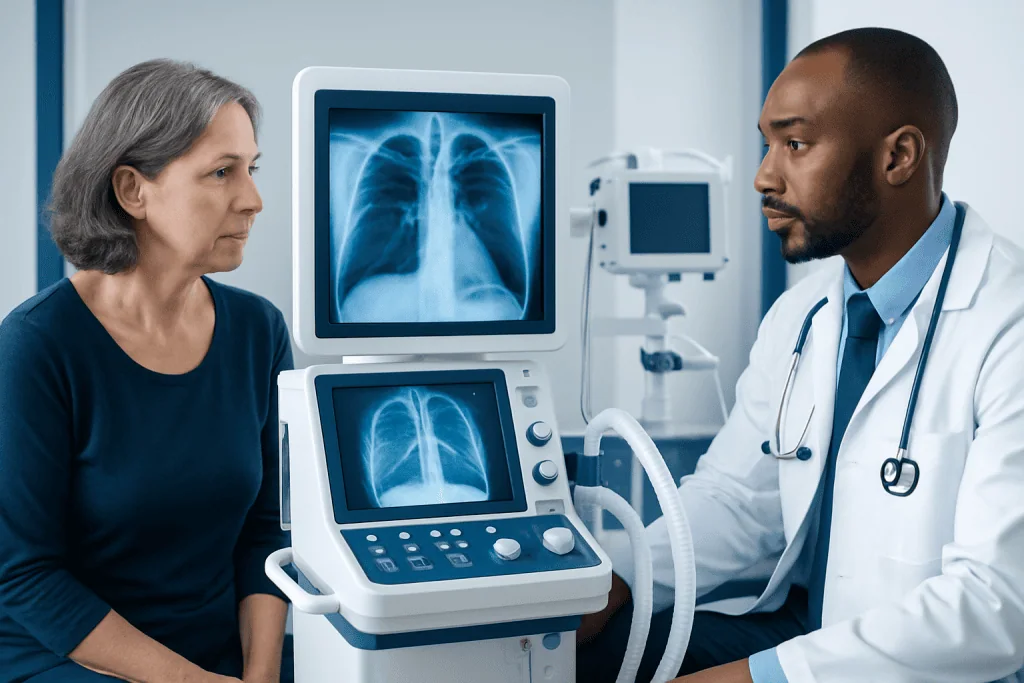
A persistent cough is one of the most recognized lung cancer warning signs. This may mean a new cough that does not go away within several weeks, or a long-standing smoker’s cough that changes in character, becomes more frequent, or sounds deeper. Some people also notice coughing more at night or after physical activity.
Other common lung cancer symptoms include shortness of breath, chest discomfort, wheezing, and coughing up blood or blood-streaked mucus. Even a small amount of blood should be medically evaluated. Hoarseness, repeated chest infections such as bronchitis or pneumonia, and pain in the chest, shoulder, or back can also occur.
Symptoms are not always limited to the lungs. Unexplained weight loss, ongoing fatigue, reduced appetite, and a general sense of being unwell may be early clues. Some people feel less able to exercise or complete usual daily activities, even before they notice a major breathing problem.
- A cough that lasts or changes
- Coughing up blood
- Shortness of breath
- Chest pain or pressure
- Hoarseness
- Wheezing
- Repeated lung infections
- Unexplained weight loss or fatigue
Signs that need prompt medical attention
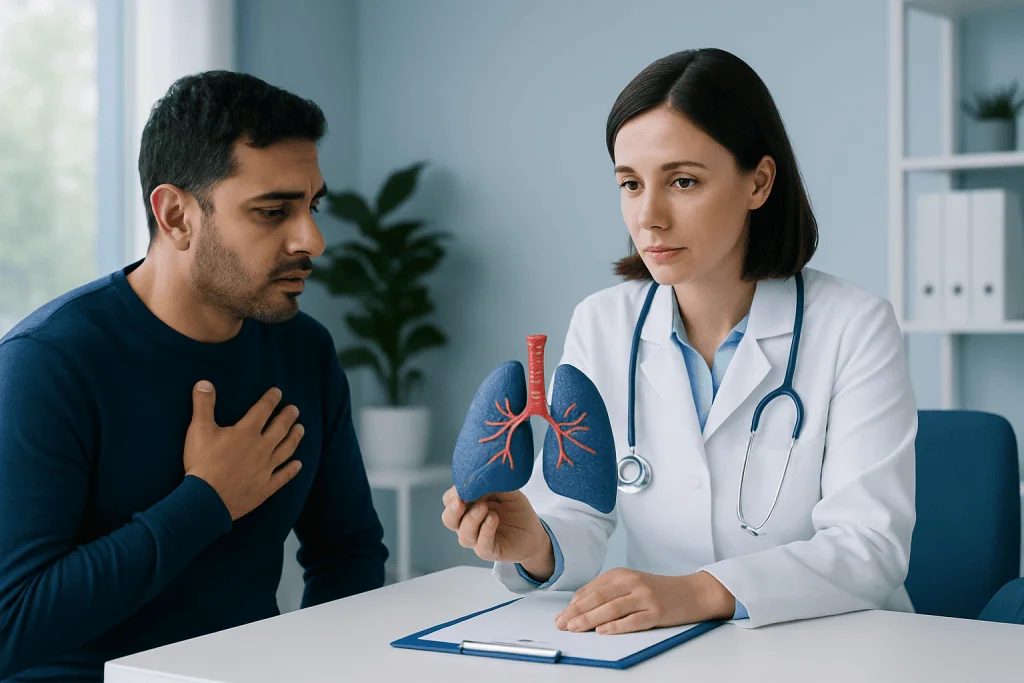
Some symptoms should not be delayed or self-treated for long periods. Coughing up blood, unexplained chest pain, significant breathlessness, or rapid worsening of a cough should be assessed promptly. A person who has a history of smoking, exposure to harmful dusts or fumes, or a personal or family history of cancer should be especially cautious about persistent symptoms.
Unexplained weight loss, ongoing fatigue, hoarseness lasting more than a few weeks, or repeated episodes of pneumonia in the same area of the lung also deserve medical review. These signs do not necessarily mean cancer, but they can indicate an underlying blockage, inflammation, or another condition needing treatment.
Emergency care is important if symptoms are severe. This includes sudden trouble breathing, severe chest pain, confusion, bluish lips, heavy bleeding from the airway, or symptoms suggesting a blood clot, such as sudden chest pain with shortness of breath. It is always safer to seek urgent help when breathing symptoms feel intense or unusual.
Causes and risk factors
Lung cancer develops when abnormal cells in the lungs grow out of control. Smoking is the most important risk factor, but lung cancer can also occur in people who have never smoked. Exposure to secondhand smoke, radon gas, asbestos, air pollution, diesel exhaust, and certain workplace chemicals can increase risk.
Age is another factor, as lung cancer becomes more common later in life. A personal or family history of lung cancer, prior radiation therapy to the chest, and some chronic lung diseases may also raise risk. These factors do not mean a person will definitely develop cancer, but they can help doctors decide how urgently symptoms should be investigated.
It is also important to remember that many noncancerous conditions cause similar symptoms. Chronic obstructive pulmonary disease, asthma, infections, acid reflux, and heart conditions can all lead to cough or breathlessness. That is why symptoms alone cannot confirm lung cancer; proper medical evaluation is essential.
How doctors diagnose the cause of symptoms
Diagnosis begins with a medical history and physical examination. A doctor will ask when symptoms started, whether they are changing, whether there is smoking or occupational exposure, and whether there have been recent infections or weight loss. Listening to the lungs and checking oxygen levels can provide useful early information, but imaging is often needed to look deeper.
A chest X-ray may be the first test, though a CT scan gives more detailed information and is commonly used when symptoms are concerning or an abnormality needs closer review. If an imaging test shows a suspicious area, doctors may recommend additional studies such as PET-CT, bronchoscopy, sputum testing, or a biopsy to examine cells or tissue.
Biopsy is the key step for confirming cancer and identifying the exact type. Tissue can sometimes be obtained during bronchoscopy, through a needle guided by imaging, or during surgery. Blood tests do not diagnose lung cancer on their own, but they can help assess overall health and support treatment planning if cancer is found.
Treatment options if lung cancer is confirmed
Treatment depends on the type of lung cancer, its stage, the person’s overall health, and whether the tumor has certain molecular features. For some early cancers, surgery may offer the best chance of removing the disease. Other people may benefit from radiation therapy, chemotherapy, targeted therapy, immunotherapy, or a combination of these approaches.
Care is usually planned by a multidisciplinary team that may include chest physicians, medical oncologists, thoracic surgeons, radiation oncologists, radiologists, and pathologists. For selected patients, lung cancer surgery may be recommended, while others may be candidates for chemotherapy or newer medicines that target specific tumor pathways or support the immune system.
Supportive care is also an important part of treatment. This may include treatment for cough, pain, breathlessness, fatigue, nutrition problems, and emotional stress. Acibadem International’s multidisciplinary specialists in JCI-accredited hospitals diagnose and treat lung cancer for international patients, with evaluation tailored to the individual’s condition and treatment goals.
Prevention and self-care
The most effective way to lower lung cancer risk is not smoking or getting help to stop smoking. Quitting at any age can benefit lung health and overall health. Avoiding secondhand smoke, reducing exposure to workplace dusts and chemicals, and checking homes for radon where relevant are also sensible prevention steps.
People at higher risk may benefit from discussing screening with their doctor. In some countries, low-dose CT screening is recommended for certain adults with a significant smoking history. Screening is different from diagnosing symptoms: even if a person is eligible for screening, new symptoms such as coughing up blood or unexplained breathlessness still need direct medical evaluation.
For self-care, it helps to track symptoms rather than guessing. Noting how long a cough has lasted, whether there is fever or weight loss, and whether symptoms affect sleep or daily activity can make appointments more useful. Self-care should not replace medical advice when symptoms persist or worsen.
When to see a doctor
A doctor should be consulted if a cough lasts more than a few weeks, if a usual cough changes, or if there is unexplained shortness of breath, chest pain, wheezing, hoarseness, or repeated chest infections. Unexplained weight loss, fatigue, and coughing up blood are especially important reasons to seek prompt evaluation. People who smoke or used to smoke should be particularly alert to these changes.
It is also wise to see a doctor if respiratory symptoms keep returning after treatment or do not improve as expected. Sometimes the cause is an infection, asthma, COPD, or another lung condition rather than cancer, but these conditions also deserve proper care. Early assessment can reduce uncertainty and help people get the right treatment sooner.
Patients may be referred to a lung specialist or an oncology team if imaging shows a suspicious finding. In some cases, doctors may recommend further procedures such as a biopsy or PET-CT to clarify the diagnosis and stage. The goal is to understand the cause clearly so the next steps are based on accurate information.
Frequently asked questions
What is usually the first symptom of lung cancer?
A persistent cough is one of the most common early symptoms, especially if it is new or different from a usual smoker’s cough. However, there is no single first symptom for everyone, and some people have no symptoms in the early stages.
Does coughing always mean lung cancer?
No. Coughing is very common and is more often caused by infections, asthma, allergies, acid reflux, or smoking-related irritation. A cough becomes more concerning when it lasts, changes, or is accompanied by blood, weight loss, or breathlessness.
Is coughing up blood always serious?
Yes, coughing up blood should always be medically assessed, even if the amount is small. It can be caused by infections or inflammation as well as lung cancer, so prompt evaluation is important.
Can non-smokers get lung cancer?
Yes. Although smoking is the main risk factor, lung cancer can occur in people who have never smoked. Risk may be linked to radon, secondhand smoke, air pollution, workplace exposures, genetics, or other factors.
How long should a cough last before seeing a doctor?
A cough that lasts more than a few weeks, keeps returning, or changes in pattern should be checked by a doctor. Medical review is especially important sooner if there is breathlessness, chest pain, fever, weight loss, or blood in the mucus.
Can lung cancer symptoms come and go?
Yes, some symptoms may seem to improve and then return, especially in the early stages or when they overlap with infections or chronic lung disease. Symptoms that keep recurring still deserve proper investigation.
References
- World Health Organization
- American Cancer Society
- National Cancer Institute
- National Health Service
- Centers for Disease Control and Prevention
This article is for general information only and is not a substitute for professional medical advice. Please consult a qualified doctor about your individual situation.
Lung Cancer in Turkey — costs, top hospitals & a free quote
JCI-accredited · board-certified surgeons · reply within 24h
Add us as a Preferred Source to see more of our trusted health content across Google Search, AI Overviews and Discover.

Medical Oncology Department
Medical treatment of cancer with chemotherapy, immunotherapy and targeted therapies under a multidisciplinary tumor board.
60 specialists in this unit