All-on-4 Dental Implants Cost: What Affects the Final Price?

The final cost of All-on-4 treatment is based on the full care pathway, not only the implant fixtures. Diagnostic scans, tooth extractions, gum treatment, bone support, and sedation can all change the price.
Key Takeaways
- The final cost of All-on-4 treatment is based on the full care pathway, not only the implant fixtures.
- Diagnostic scans, tooth extractions, gum treatment, bone support, and sedation can all change the price.
- The material and design of the temporary and final prosthetic teeth are major cost drivers.
- Lower upfront prices may not include aftercare, repairs, or replacement of temporary restorations.
- A clear written treatment plan helps patients compare options fairly and avoid unexpected costs.
All-on-4 dental implants cost can vary widely because the final price includes far more than four implants alone. The total usually reflects planning, imaging, materials, laboratory work, the complexity of the mouth, and the type of restoration used before and after surgery.
Overview: What All-on-4 Treatment Includes
All-on-4 is a full-arch tooth replacement approach that uses four dental implants to support a fixed set of replacement teeth. It is commonly considered for people who have lost most or all teeth in the upper or lower jaw, or whose remaining teeth cannot be restored predictably. Because the teeth are fixed in place, many patients choose this option for greater stability than removable dentures.
When people ask about All-on-4 dental implants cost, they are often thinking only about the implants themselves. In reality, the total price usually includes consultations, digital scans, surgical planning, tooth removal when needed, implant placement, a temporary bridge or denture, follow-up visits, and the final fixed restoration. This is why quotes can differ significantly between clinics.
The treatment may also involve related services such as gum care, bite assessment, and maintenance planning. In many centers, modern digital dentistry tools are used to improve planning accuracy and guide implant placement, and these technologies can influence both quality and cost.
What Affects the Final Price Most
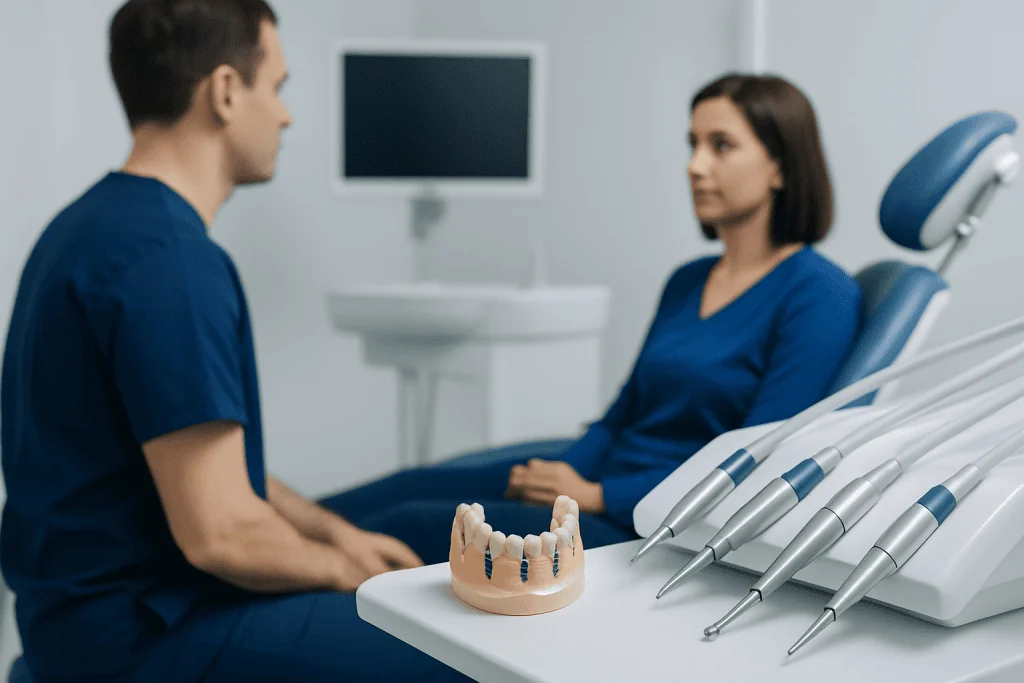
The biggest cost factor is the complexity of the individual case. A person with healthy gums, enough bone, and no failing teeth to remove generally needs a simpler pathway than someone with advanced periodontal disease, broken teeth, infection, or jawbone loss. The more steps required to prepare the mouth, the more the final cost may increase.
The type of restoration is another major price driver. Many treatment plans include a temporary set of teeth first and a stronger, more refined final prosthesis later. The final teeth may be made from acrylic, composite, zirconia, or other materials, and each has different durability, appearance, laboratory requirements, and cost.
Provider experience, the clinical team involved, and the technical support behind the case can also matter. Treatment performed by a multidisciplinary team that includes oral surgeons, prosthodontic dentists, and experienced dental technicians may cost more, but it may also offer more detailed planning and long-term follow-up. Geography, local operating costs, and the clinic’s equipment also contribute to price differences.
In some cases, a patient may be advised to compare All-on-4 treatment with alternatives such as All-on-6 or conventional implant-supported dentures, especially if anatomy or bite forces make another design more appropriate. A different treatment plan can change both the upfront and long-term financial picture.
Common Services That May or May Not Be Included

One reason treatment quotes can be confusing is that not every clinic includes the same services in its advertised price. Some quotes are comprehensive, while others cover only the implant surgery itself. Patients often benefit from asking for a written breakdown of what is included before making comparisons.
Items commonly included in a full quote may involve specialist examination, panoramic imaging or 3D scans, surgical guides, implant placement, a temporary fixed prosthesis, the final prosthesis, review appointments, and basic post-operative checks. Other clinics may list these separately.
Additional charges may apply for:
- Tooth extractions
- Treatment of gum inflammation or infection
- Bone grafting or sinus-related procedures when indicated
- Intravenous sedation or anesthesia support
- Laboratory upgrades for stronger or more aesthetic materials
- Night guards for teeth grinding
- Repairs, relines, or replacement of temporary teeth
It may also help to ask whether emergency visits, medication planning, and longer-term maintenance are part of the package. Even if a lower quote seems attractive, it is worth checking whether it excludes essential phases of care that are likely to be needed later.
How Oral Health and Bone Condition Influence Cost
Healthy implants rely on stable bone and healthy surrounding tissues. If the gums are inflamed, if there is active infection, or if teeth are severely damaged, the mouth may need preparation before implants are placed. This may include extractions, deep cleaning, and treatment aimed at improving oral health before surgery.
Bone volume and quality are especially important. One advantage of the All-on-4 concept is that angled posterior implants can sometimes make use of existing bone and reduce the need for extensive grafting. However, this does not mean that every patient can avoid additional procedures. Some people still need supportive treatment, such as dental bone grafts, which can raise the overall cost and lengthen the treatment timeline.
People with heavy tooth wear, jaw clenching, or untreated grinding may also need additional planning to protect the restoration. Conditions such as bruxism can affect implant loading, prosthetic design, and aftercare needs. In these cases, the treatment team may recommend a protective night guard or adjustments to the bite, which may add to the final price but support long-term success.
Materials, Technology, and Laboratory Work
The visible teeth attached to the implants are often one of the largest parts of the total cost. Temporary teeth are usually lighter and less durable than the final set, which is why many treatment plans separate these phases. The final prosthesis is designed for long-term function, appearance, speech, and hygiene access, so it often requires more appointments and more advanced lab work.
Material choice can significantly affect price. Acrylic-based options are often less expensive, while zirconia and other advanced materials generally cost more because of manufacturing complexity, strength, and aesthetics. The best choice depends on bite forces, smile design, medical history, and the patient’s preferences, not cost alone.
Technology can also influence the final fee. Digital smile planning, 3D imaging, guided surgery, and computer-aided design and manufacturing may increase costs, but they can also support precision and communication. In restorative phases, services related to dental crowns and fixed prosthetic design may overlap with implant treatment planning, especially when tailoring the shape and function of the final teeth.
Questions to Ask Before Comparing Prices
A useful way to compare treatment plans is to look beyond the headline number. Patients may wish to ask whether the quote covers both arches or one arch only, whether the temporary bridge is fixed or removable, and whether the final prosthesis is included. It is also sensible to ask what happens if extractions, bone support, or infection treatment are required after the initial assessment.
Other important questions include how many follow-up visits are planned, what type of imaging will be used, and whether sedation is part of the fee. Asking who will perform the surgery and who will design the final teeth can also help clarify the level of specialist involvement.
Patients may also benefit from discussing long-term maintenance. Full-arch implant restorations need professional reviews and careful home cleaning. A price that includes hygiene instruction and structured aftercare may offer better value than a lower quote that ends once the prosthesis is delivered. Ongoing support from teams experienced in dental hygiene and implant maintenance can be important for long-term comfort and function.
Ways to Plan Financially and Choose Safely
Because All-on-4 treatment is a major restorative procedure, patients often find it helpful to request a phased written plan with estimated costs for each stage. This can make it easier to understand what is essential now, what may be optional, and what costs may arise later. A detailed plan is often more useful than a simple promotional quote.
It is also wise to consider value over time. A cheaper treatment that requires more repairs, replacement of temporary teeth, or repeated adjustments may not be less expensive in the long run. Reliable planning, appropriate materials, and experienced restorative design can affect comfort, hygiene access, and durability.
Before proceeding, patients should make sure they understand the benefits, limitations, and alternatives. A thorough consultation should cover bone status, medical conditions, smoking, oral hygiene, and expectations about speech and appearance. Near the end of decision-making, some international patients choose centers such as Acibadem International, where multidisciplinary specialists in JCI-accredited hospitals diagnose and treat complex dental implant cases with coordinated care.
Anyone considering dental implants for a full arch should feel comfortable asking for a second opinion if the plan is unclear. Clear communication, realistic expectations, and transparent cost explanations are signs of careful care.
Frequently asked questions
Why do All-on-4 prices vary so much between clinics?
Prices vary because clinics may include different services in the quote. One plan may cover scans, extractions, temporary teeth, final teeth, and follow-up visits, while another may charge these separately. Differences in materials, technology, location, and specialist involvement also affect the final cost.
Does the price usually include the final permanent teeth?
Not always. Some quotes include only surgery and a temporary prosthesis, while the final fixed restoration is billed later. Patients should ask specifically whether both the temporary and final teeth are included in writing.
Can bone loss increase the cost of All-on-4 treatment?
Yes, it can. Although All-on-4 is designed to make efficient use of available bone, some patients still need bone-related procedures or additional preparation before implants can be placed safely. These extra steps may increase both the cost and treatment time.
Is a lower quote always better value?
Not necessarily. A lower initial price may exclude important steps such as imaging, sedation, maintenance, repairs, or the final prosthesis. Comparing detailed treatment plans usually gives a clearer picture of true value than comparing headline prices alone.
What extra costs should patients ask about in advance?
It is reasonable to ask about scans, extractions, sedation, temporary teeth, the final prosthesis, bone grafting, emergency visits, and follow-up care. Patients may also ask whether repairs, replacement of temporary restorations, and hygiene maintenance are included.
How can someone prepare financially for All-on-4 treatment?
A written phased treatment plan can help patients understand which costs occur first and which may come later. It is also helpful to ask about payment timing, likely maintenance needs, and any circumstances that could change the estimate after examination.
References
- American Dental Association
- National Institute of Dental and Craniofacial Research
- European Association for Osseointegration
- Mayo Clinic
- NHS
This article is for general information only and is not a substitute for professional medical advice. Please consult a qualified doctor about your individual situation.
Dental Implants in Turkey — costs, top hospitals & a free quote
JCI-accredited · board-certified surgeons · reply within 24h
Add us as a Preferred Source to see more of our trusted health content across Google Search, AI Overviews and Discover.

Dental & Oral Health
Full-scope dental care from implants and aesthetics to oral and maxillofacial surgery.
151 specialists in this unitRelated Treatments
More from the Health Library



Related Specialists

Assoc. Prof. Dr. Ferit Bayram
Oral & Dental Health
Assoc. Prof. Dr. Yeliz Çavuşoğlu Yüce
Oral & Dental Health
Assoc. Prof. Dr. Mutlu Keskin
Oral & Dental Health
Prof. Dr. Ülkü Noyan
Oral & Dental Health