Secondary Cataract After Surgery: Why Vision Gets Cloudy Again

Secondary cataract after surgery is usually caused by posterior capsule opacification, not by the cataract growing back. Symptoms can include blurred vision, glare, halos, and reduced sharpness, especially in bright light.
Key Takeaways
- Secondary cataract after surgery is usually caused by posterior capsule opacification, not by the cataract growing back.
- Symptoms can include blurred vision, glare, halos, and reduced sharpness, especially in bright light.
- Diagnosis is made with an eye examination to confirm the cause of the vision change.
- Treatment is often a quick outpatient laser procedure called YAG laser capsulotomy.
- Any sudden vision loss, eye pain, flashes, or many new floaters should be assessed urgently.
Secondary cataract after surgery is a common reason vision may become cloudy months or years after a successful cataract operation. It is not a new cataract, but a treatable clouding of the thin membrane behind the artificial lens.
Overview
Secondary cataract after surgery is a common term used when vision becomes cloudy again after cataract removal. The medical name is posterior capsule opacification, or PCO. It happens when the thin capsule that holds the artificial lens becomes less clear over time.
This is not the same as the original cataract returning. During cataract surgery, the cloudy natural lens is removed and replaced with an artificial intraocular lens. Because the natural lens has already been taken out, the cataract itself cannot grow back.
Instead, leftover lens cells can gradually collect on the back part of the capsule behind the lens implant. This creates a hazy or frosted effect that scatters light and reduces the sharpness of vision. Some people notice only mild blur, while others feel that their sight has become similar to how it was before surgery.
Although this change can be frustrating, it is usually treatable. In many cases, vision can be improved with a brief laser procedure once an eye specialist confirms that the capsule is the source of the problem.
Symptoms
The symptoms of secondary cataract after surgery often develop gradually. A person may first notice that reading becomes less crisp, colors seem less bright, or distance vision is not as clear as it was soon after surgery.
Common symptoms include blurred or cloudy vision, glare around lights, halos, and difficulty seeing in bright sunlight or when driving at night. Some people describe looking through a film or smudge that does not improve by blinking.
These changes can affect one eye or both eyes, depending on whether both capsules become cloudy. The symptoms may resemble those of cataracts, which is why many people say the cataract has “come back,” even though this is not technically correct.
It is important to remember that blurry vision after cataract surgery can also have other causes. Dry eye, changes in glasses prescription, retinal conditions, or swelling inside the eye can also affect sight, so a proper eye examination is needed rather than assuming the cause.
Causes and Risk Factors

Secondary cataract after surgery develops when lens epithelial cells remain after the original operation and later grow or migrate across the posterior capsule. This process makes the capsule less transparent and interferes with the normal passage of light to the retina.
PCO can appear weeks, months, or years after surgery. The timing varies from person to person. Modern surgical methods and lens designs help reduce the risk, but they do not remove it completely.
Several factors may influence the chance of developing PCO, including younger age at the time of surgery, certain eye conditions, inflammation inside the eye, diabetes, and the type of lens implant used. A person’s healing response may also play a role.
Not every episode of cloudy vision after surgery is caused by PCO. Other eye problems, including retinal disease or corneal changes, may be involved. For that reason, an ophthalmologist may consider broader assessment such as a detailed eye examination and, when needed, review of the retina or other eye structures.
How It Is Diagnosed
Diagnosis begins with a discussion of symptoms and when they started. The doctor will ask whether the blur is constant or intermittent, whether glare is a problem, and whether there are warning symptoms such as pain, redness, flashes, or sudden floaters.
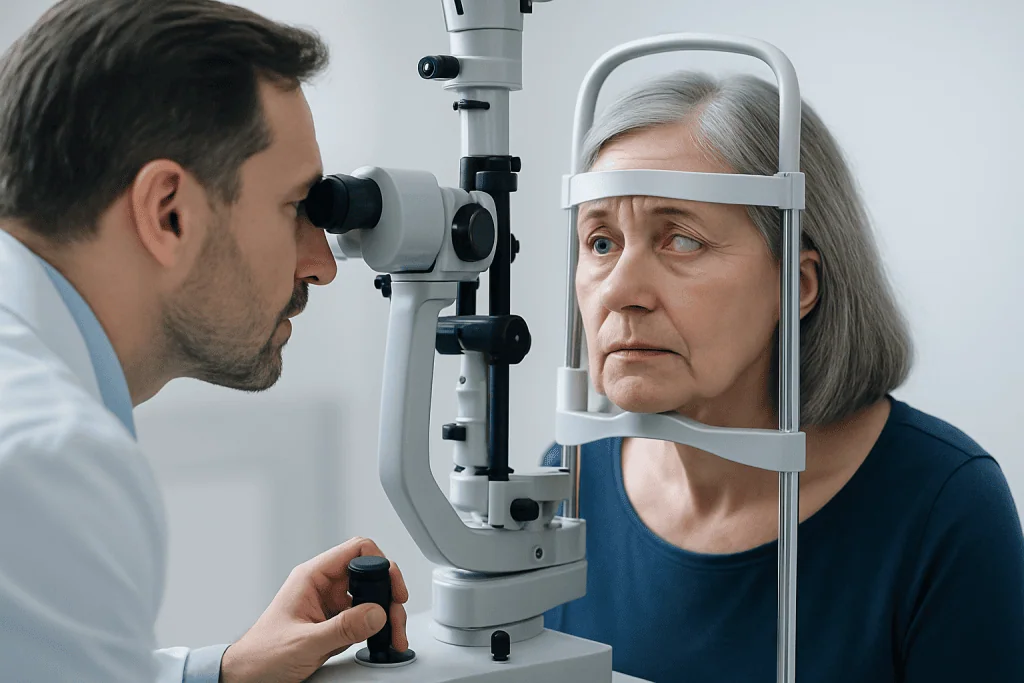
A slit-lamp examination is usually the key test. This microscope with a bright light allows the ophthalmologist to look closely at the front of the eye, the intraocular lens, and the posterior capsule. If the capsule appears cloudy and matches the person’s symptoms, PCO may be diagnosed.
Vision testing is also helpful to measure how much visual clarity has changed. In some cases, the doctor may dilate the pupil to inspect the retina and optic nerve. This is important because problems such as macular diseases or retinal conditions can also reduce vision after cataract surgery.
If the diagnosis is not straightforward, additional ophthalmic evaluation may be recommended. The goal is to be certain that the visual problem is truly due to secondary cataract and that treatment is appropriate for the person’s overall eye health.
Treatment Options
The standard treatment for secondary cataract after surgery is a laser procedure called YAG laser capsulotomy. It is done to create a clear opening in the cloudy posterior capsule so light can pass through normally again.
This treatment is usually performed as an outpatient procedure and does not require a surgical incision. After the eye is examined and prepared, the doctor uses a laser to make a small opening in the center of the cloudy capsule. The procedure is often quick, and many people notice improvement in vision soon afterward, although the exact timing can vary.
As with any procedure, there are potential risks, such as a temporary rise in eye pressure, inflammation, floaters, or, less commonly, retinal complications. For this reason, the decision to treat is based on symptoms, examination findings, and the overall condition of the eye. Follow-up care may be advised after the laser.
If blurred vision is caused by something other than PCO, treatment will depend on that underlying issue. Some patients may need management through general ophthalmology services or more specialized evaluation if another eye condition is suspected.
Prevention and Self-care
There is no guaranteed way for a patient to prevent posterior capsule opacification once cataract surgery has been performed. Much of the risk relates to how lens cells heal and to surgical factors rather than day-to-day actions after recovery.
Still, good postoperative care matters. Using prescribed eye drops as directed, attending follow-up visits, and reporting any changes in vision can support healthy healing after surgery. It is also sensible to protect the eyes from irritation and avoid rubbing them during the early recovery period.
Regular eye checkups remain important even when vision seems stable. They can help detect PCO as well as unrelated eye conditions that may become more common with age. People with diabetes or known retinal disease may benefit from especially close monitoring.
General eye health habits may also help support long-term vision. These include managing chronic conditions, wearing sunglasses in strong sunlight, and updating glasses if recommended. Self-care cannot remove PCO once it has formed, but it can help a person respond early and maintain overall eye health.
When to See a Doctor
A person should arrange an eye appointment if vision becomes hazy again after cataract surgery, especially if reading, driving, or daily tasks are becoming more difficult. Gradual cloudiness, glare, and reduced sharpness often deserve assessment even when there is no pain.
Urgent medical attention is important if the vision change is sudden or is accompanied by severe eye pain, marked redness, flashes of light, a curtain-like shadow, or many new floaters. These symptoms can point to problems other than secondary cataract and should not be ignored.
Timely evaluation helps ensure that the correct cause is found and treated. A specialist can determine whether the issue is PCO or another condition affecting the cornea, retina, optic nerve, or lens implant.
For international patients who need assessment or treatment, Acibadem International’s multidisciplinary eye specialists at JCI-accredited hospitals diagnose and treat conditions such as secondary cataract after surgery with individualized care plans.
Frequently asked questions
Can a cataract come back after surgery?
A true cataract cannot come back once the natural lens has been removed. What many people call a returning cataract is usually posterior capsule opacification, a clouding of the membrane behind the lens implant. This is common and often treatable.
How long after cataract surgery can a secondary cataract happen?
Secondary cataract after surgery can develop weeks, months, or even years after the original procedure. The timing varies between individuals. Some people never develop it at all.
What does secondary cataract vision look like?
People often describe it as cloudy, blurry, or as if they are looking through a film. Glare, halos, and reduced contrast are also common. It may feel similar to the vision problems experienced before cataract surgery.
Is YAG laser capsulotomy painful?
The procedure is usually well tolerated and is commonly done in an outpatient setting. Numbing drops are typically used, and there is no surgical incision. Some people notice mild discomfort or temporary visual effects, but significant pain is not expected.
Will vision improve right away after laser treatment?
Many people notice clearer vision soon after treatment, but recovery can vary. The eye may need a short time to settle, and the doctor may recommend follow-up. If vision does not improve as expected, another cause may need to be checked.
Are there risks if secondary cataract is left untreated?
Secondary cataract is not usually dangerous by itself, but it can continue to interfere with daily activities by reducing visual clarity. It may also make eye examinations of the retina more difficult. A doctor can help decide whether treatment is needed based on symptoms and findings.
References
- American Academy of Ophthalmology
- National Eye Institute
- Royal College of Ophthalmologists
- Mayo Clinic
- National Health Service
This article is for general information only and is not a substitute for professional medical advice. Please consult a qualified doctor about your individual situation.
Explore treatments in Turkey — costs, top hospitals & a free quote
JCI-accredited · board-certified surgeons · reply within 24h
Add us as a Preferred Source to see more of our trusted health content across Google Search, AI Overviews and Discover.