Geriatric Neurology Near Me: How to Compare Clinics and Specialists

A geriatric neurology clinic focuses on brain and nerve conditions in older adults, including memory, movement, balance, sleep, and stroke-related concerns. When comparing clinics, look for specialist expertise, access to diagnostic testing, multidisciplinary care, and clear communication with patients and families.
Key Takeaways
- A geriatric neurology clinic focuses on brain and nerve conditions in older adults, including memory, movement, balance, sleep, and stroke-related concerns.
- When comparing clinics, look for specialist expertise, access to diagnostic testing, multidisciplinary care, and clear communication with patients and families.
- Practical factors matter too, such as appointment availability, accessibility, medication review, and support for caregivers.
- A second opinion can be helpful if symptoms are changing, the diagnosis is unclear, or treatment is not improving quality of life.
- The best clinic is one that combines medical expertise with individualized, respectful care for the older person’s goals and daily function.
Finding the right geriatric neurology clinic involves more than choosing the closest option. Older adults often benefit from specialists who understand age-related changes, complex medical histories, and the need for coordinated, patient-centered care.
Overview: What Geriatric Neurology Means
Geriatric neurology is the area of medicine that focuses on neurological conditions affecting older adults. These may include memory changes, dementia, tremor, Parkinson’s disease, stroke complications, neuropathy, gait and balance problems, sleep-related neurological issues, seizures, and age-related changes in thinking or movement. Because older adults often have more than one health condition, neurological care usually needs to consider the whole person rather than a single symptom.
When people search for “geriatric neurology near me,” they are often looking for a specialist who can assess complex symptoms in a way that fits later life. A clinic with experience in older patients may be better prepared to review medications carefully, evaluate fall risk, understand sensory changes such as hearing or vision loss, and work with family members or caregivers when needed.
Choosing a clinic is not only about reputation. It is also about whether the team can listen well, explain clearly, arrange the right tests, and create a practical treatment plan. For many families, the right fit includes convenience, accessibility, and follow-up support as much as medical expertise.
When an Older Adult May Need a Geriatric Neurologist

An older adult may benefit from a geriatric neurologist when symptoms affect memory, movement, sensation, speech, or daily function. Examples include increasing forgetfulness, confusion, tremor, slower walking, repeated falls, numbness in the feet, weakness, dizziness, new headaches, or changes after a stroke. Some symptoms develop gradually, while others appear suddenly and need urgent medical attention.
In many cases, a primary care physician first evaluates the concern and then recommends specialist care. Neurological symptoms in older adults can have many possible causes, including medication effects, vitamin deficiencies, sleep problems, vascular disease, degenerative disorders, and other medical conditions. A specialist helps sort through these possibilities and identify which problems need further testing or treatment.
A consultation may also be useful when a previous diagnosis needs review. For example, memory problems may require assessment for Alzheimer’s disease or another cause of cognitive decline, while balance or tremor may need evaluation for Parkinson’s disease or another movement disorder. In some cases, families seek advice because the person is losing independence with driving, medication management, or finances.
- Progressive memory or thinking changes
- Tremor, stiffness, slowness, or walking difficulty
- Frequent falls or poor balance
- Numbness, tingling, or burning in the hands or feet
- New seizures, blackouts, or unexplained spells
- Ongoing symptoms after stroke or head injury
How to Compare Clinics and Specialists
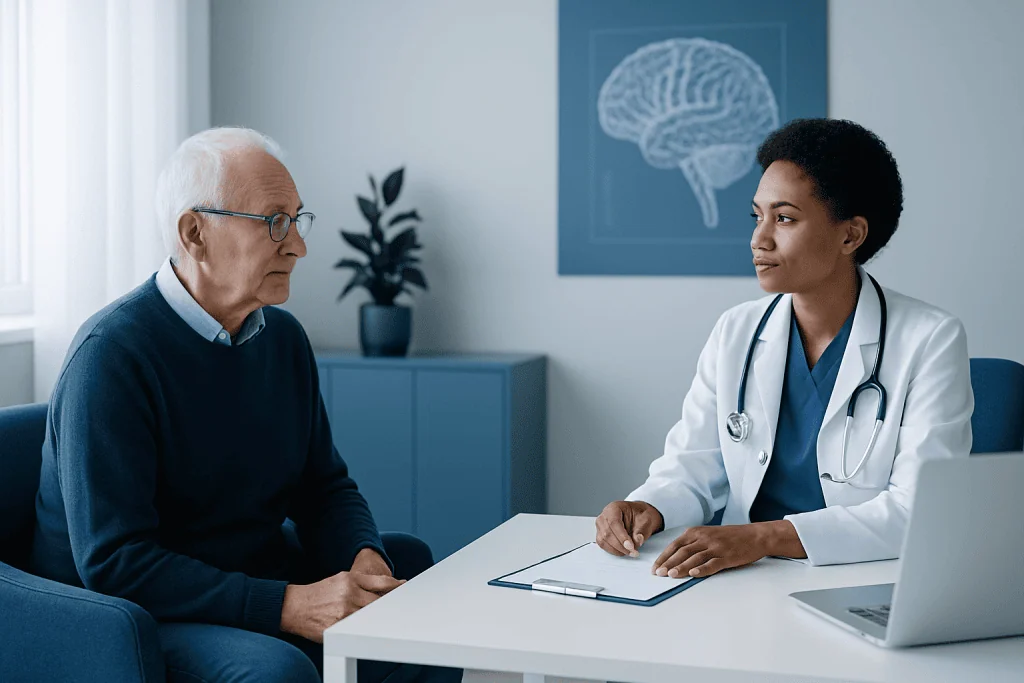
A good starting point is to look at the specialist’s training and clinical focus. Some neurologists have particular expertise in dementia, movement disorders, stroke, sleep, neuromuscular disease, or general neurology in older adults. This matters because an older person’s symptoms may overlap across several areas. A clinic that regularly sees older adults is often more comfortable managing frailty, multiple medications, and coexisting conditions such as diabetes or heart disease.
It is also helpful to ask how care is organized. Strong geriatric neurology services often work closely with neuroradiology, rehabilitation, neuropsychology, psychiatry, geriatrics, and physical or occupational therapy. This multidisciplinary approach can make diagnosis more accurate and treatment more practical. For example, someone with memory concerns may need a clinical exam, cognitive testing, brain imaging, and family guidance rather than a single short visit.
Communication is another key comparison point. Families may want to know whether the doctor explains possible diagnoses in plain language, discusses treatment goals realistically, reviews medication risks, and includes the patient in decisions as much as possible. Older adults often do best when the care plan is tailored to safety, comfort, independence, and quality of life.
Practical details should not be overlooked. Consider appointment waiting times, ease of parking or transport, wheelchair access, availability of translators, telemedicine options, and how quickly test results are communicated. A clinic that is easier to reach and navigate may support better follow-up over time.
Questions to Ask Before Booking an Appointment
Comparing clinics becomes easier when patients and families ask a few focused questions. It can be useful to ask whether the doctor routinely treats older adults with the same type of symptoms, what testing is available, and whether the clinic coordinates care with other specialists. These questions help reveal how experienced and organized the service is.
It is also reasonable to ask what to bring to the first visit. Most clinics will recommend a medication list, prior brain scans or reports, hospital discharge notes, and a symptom timeline. If memory or communication is affected, bringing a family member or caregiver can improve the accuracy of the history and help with care planning.
Some families also want to understand what happens after diagnosis. Helpful questions include whether the clinic offers medication review, rehabilitation referrals, fall-prevention advice, and follow-up monitoring. Neurological care in older adults is often ongoing, so continuity matters.
- Does the specialist have experience with older adults and the specific symptom or diagnosis?
- What tests are commonly used, and are they available on site?
- How are urgent changes or questions handled between visits?
- Will the clinic coordinate with primary care and other specialists?
- Are caregivers included in education and care planning when appropriate?
- Is the clinic accessible for patients with mobility, vision, or hearing needs?
What to Expect from Evaluation and Diagnostic Testing
The first appointment usually includes a detailed review of symptoms, medical history, medications, and daily functioning. The neurologist may ask about when symptoms began, whether they are worsening, and how they affect walking, dressing, eating, memory, sleep, or mood. A neurological examination often checks strength, reflexes, coordination, gait, sensation, eye movements, and speech.
Depending on the symptoms, additional tests may be recommended. These can include blood tests, cognitive assessment, nerve studies, sleep evaluation, or brain and spine imaging. For example, some patients may need MRI to look for stroke, structural changes, or other neurological causes. In selected cases, EEG may help evaluate seizures or episodes of altered awareness.
Not every symptom requires extensive testing, and a good clinic will explain why each test is or is not needed. In older adults, the goal is usually to reach the clearest diagnosis with the least burden. That means balancing accuracy with comfort, safety, and the person’s overall health status.
Families should also expect discussion of conditions that can resemble one another. Memory problems may arise from neurodegenerative disease, depression, medication effects, sleep disorders, or vascular changes. Walking problems may relate to neuropathy, inner ear issues, spine disease, deconditioning, or movement disorders. Careful assessment is essential before treatment decisions are made.
Treatment, Follow-Up, and Supportive Care
Treatment in geriatric neurology depends on the diagnosis, symptom severity, and the patient’s goals. Plans may include medication changes, rehabilitation, cognitive support, sleep management, balance training, or treatment of contributing conditions such as high blood pressure, diabetes, or vitamin deficiency. In older adults, even small treatment adjustments can make a meaningful difference in mobility, safety, or daily function.
A strong clinic pays close attention to medication safety. Older patients may be more sensitive to side effects such as sleepiness, confusion, low blood pressure, constipation, or worsening balance. A careful medication review can be as important as starting a new prescription. Families should feel comfortable asking how benefits and risks will be monitored over time.
Supportive care is often part of good neurological treatment. Depending on the diagnosis, this may include physical therapy and rehabilitation to improve strength and gait, occupational therapy for daily tasks, speech therapy for swallowing or communication, and caregiver education. For some patients, neuropsychological evaluation, mental health support, or social work input may also be helpful.
Near the end of the comparison process, some international patients may consider whether a center can provide coordinated specialist care in one place. Acibadem International’s multidisciplinary specialists and JCI-accredited hospitals diagnose and treat neurological conditions in older adults, with access to advanced imaging and supportive services for international patients when appropriate.
Red Flags, Second Opinions, and When to Seek Urgent Help
Some neurological symptoms need urgent medical attention rather than a routine clinic search. Sudden weakness on one side, facial drooping, trouble speaking, sudden vision loss, a severe unusual headache, new confusion, or sudden loss of balance may signal a medical emergency such as stroke. In these situations, emergency services should be contacted immediately.
A second opinion can be valuable when the diagnosis is uncertain, symptoms are progressing despite treatment, or the care plan does not seem to match the person’s needs. It may also help when surgery or an invasive procedure is being considered, or when family members are unsure how to plan for the future. A thoughtful second opinion should clarify options, not create fear.
During ongoing care, families should contact the medical team if there are major medication side effects, repeated falls, rapid cognitive decline, hallucinations, swallowing difficulty, or sudden changes in alertness. These problems may require prompt reassessment. The best clinic encourages early communication and provides clear advice about when to call, when to come in, and when to seek emergency care.
In general, the right geriatric neurology clinic is one that combines expertise with patience, practical problem-solving, and respect for the older adult’s dignity and goals. That balance often matters just as much as the clinic’s size or location.
Frequently asked questions
What is the difference between a general neurologist and a geriatric neurologist?
A general neurologist treats neurological conditions in adults of all ages. A geriatric neurologist or older-adult-focused neurology service pays particular attention to issues common in later life, such as frailty, memory changes, falls, multiple medications, and coordination with caregivers and other specialists.
How do families know if a clinic has real expertise in older adults?
They can ask how often the doctor treats older patients with similar symptoms and whether the clinic offers multidisciplinary support such as rehabilitation, cognitive assessment, or movement disorder care. Experience with medication review, fall prevention, and caregiver communication is also a useful sign.
Should a person with memory problems always see a neurologist?
Not always, but specialist evaluation can be very helpful when memory loss is progressive, affects daily life, or is difficult to explain. A neurologist can help distinguish between dementia, medication effects, mood disorders, sleep problems, vascular causes, and other treatable conditions.
What should patients bring to a first geriatric neurology appointment?
It is helpful to bring a full medication list, prior test results, brain scan reports if available, and a summary of symptoms with when they started. If memory or communication is affected, a relative or caregiver can provide important information and help remember the plan.
Is it reasonable to get a second opinion for Parkinson’s disease or dementia?
Yes. A second opinion is common when symptoms are changing, treatment is not helping enough, or the diagnosis is uncertain. It can provide reassurance, identify other possibilities, or refine the management plan.
Can telemedicine help when comparing neurology clinics?
Telemedicine can be useful for initial discussions, follow-up visits, medication review, and family counseling, especially when travel is difficult. However, many older adults still need an in-person neurological examination and sometimes testing such as imaging or cognitive assessment.
References
- World Health Organization
- National Institute on Aging
- American Academy of Neurology
- National Institute of Neurological Disorders and Stroke
- Alzheimer's Association
This article is for general information only and is not a substitute for professional medical advice. Please consult a qualified doctor about your individual situation.
Geriatric Neurology in Turkey — costs, top hospitals & a free quote
JCI-accredited · board-certified surgeons · reply within 24h
Add us as a Preferred Source to see more of our trusted health content across Google Search, AI Overviews and Discover.

Neurology
Diagnosis and treatment of disorders of the brain, spinal cord, nerves and muscles.
51 specialists in this unitMore from the Health Library



Related Specialists

Assoc. Prof. Dr. Rıza Gürhan Işıl
General Surgery
Prof. Dr. Atakan Yeşil
Gastroenterology
Prof. Dr. Cengiz Canpolat
Pediatrics & Pediatric Oncology
Prof. Dr. Ömer Öge
Urology