What Is the Endocrine System? A Simple Guide to Hormone Control

The endocrine system is made up of glands that produce hormones. Hormones travel through the bloodstream and help organs work in balance.
Key Takeaways
- The endocrine system is made up of glands that produce hormones.
- Hormones travel through the bloodstream and help organs work in balance.
- Major endocrine glands include the pituitary, thyroid, adrenal glands, pancreas, ovaries, and testes.
- Problems in the endocrine system can affect energy, weight, growth, mood, blood sugar, and fertility.
- Diagnosis often involves a medical history, physical exam, blood tests, and imaging when needed.
- Many endocrine conditions can be managed well with the right medical care and follow-up.
The endocrine system is the body’s hormone network. It uses glands and chemical messengers to help regulate growth, energy use, mood, sleep, reproduction, and many other everyday functions.
Overview: what the endocrine system does
The endocrine system is a group of glands and organs that make hormones. Hormones are chemical messengers that travel through the bloodstream and help different parts of the body communicate. This system plays an important role in maintaining balance, also called homeostasis.
Hormones help regulate many everyday functions, including growth, metabolism, body temperature, appetite, sleep, stress response, sexual development, and reproduction. Even small changes in hormone levels can affect how a person feels and how the body works.
The endocrine system works closely with the nervous system. While nerves usually create fast signals, hormones often act more slowly and their effects may last longer. Together, these systems help the body respond to both immediate needs and long-term changes.
Which glands are part of the endocrine system?
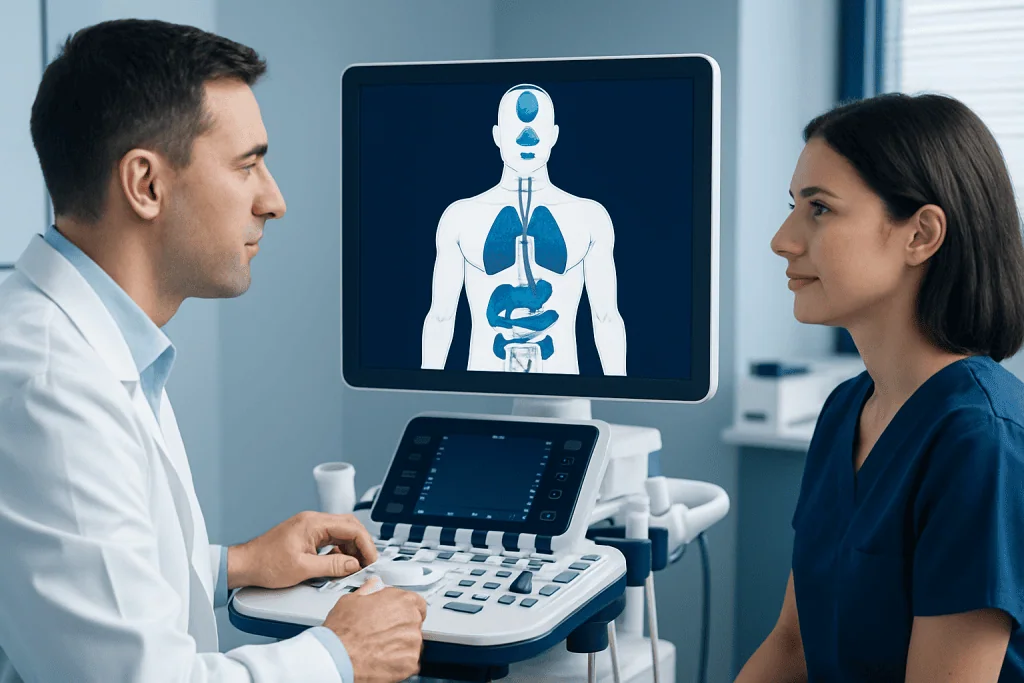
Several glands belong to the endocrine system, and each has a specific role. The hypothalamus and pituitary gland in the brain help control many other endocrine glands. Because of this, the pituitary is sometimes called the “master gland,” although it is directed in part by the hypothalamus.
Other major endocrine glands include the thyroid and parathyroid glands in the neck, the adrenal glands above the kidneys, and the pancreas in the abdomen. The ovaries in females and the testes in males also produce important hormones related to reproduction and sexual development.
Each gland makes one or more hormones. For example, the thyroid helps regulate metabolism, the pancreas helps control blood sugar, and the adrenal glands help the body respond to stress. These glands do not work in isolation. They constantly send and receive signals to keep hormone levels within a healthy range.
- Hypothalamus: links the nervous and endocrine systems
- Pituitary gland: helps control growth, reproduction, and other glands
- Thyroid: regulates metabolism and energy use
- Parathyroids: help control calcium levels
- Adrenal glands: produce stress and salt-balance hormones
- Pancreas: helps regulate blood sugar
- Ovaries and testes: produce sex hormones
How hormones control the body

Hormones act like instructions sent from one part of the body to another. A gland releases a hormone into the bloodstream, and that hormone travels to target tissues that have the right receptors. Once the hormone reaches those cells, it can trigger a specific action.
For example, insulin from the pancreas helps the body move glucose from the blood into cells for energy. Thyroid hormones help set the pace of metabolism. Cortisol from the adrenal glands supports the body during stress and helps regulate immune function, blood pressure, and energy use.
The body usually controls hormone release through feedback loops. If hormone levels become too high or too low, the brain and glands send signals to adjust production. This careful balance is essential. When it is disrupted, a person may develop symptoms or an endocrine disorder such as diabetes or thyroid disease.
Common signs of endocrine system problems
Symptoms of endocrine problems can vary because hormones affect so many parts of the body. Some people notice tiredness, unexplained weight gain or weight loss, mood changes, sensitivity to heat or cold, hair or skin changes, or changes in appetite. Others may have sleep problems, menstrual irregularities, low libido, or trouble becoming pregnant.
In children and teenagers, endocrine disorders may affect growth, puberty, or bone development. In adults, they may affect blood sugar, blood pressure, muscle strength, and fertility. Symptoms can develop gradually, which means they are sometimes mistaken for stress, aging, or other common conditions.
It is also important to remember that many symptoms linked to hormone changes can have other causes. For that reason, diagnosis should not rely on symptoms alone. A qualified doctor can decide whether hormone testing is appropriate and which gland may be involved.
Causes and risk factors for endocrine disorders
Endocrine disorders can happen when a gland produces too much hormone, too little hormone, or when the body does not respond properly to a hormone. This can result from autoimmune disease, inflammation, benign nodules, tumors, inherited conditions, infection, injury, or side effects of certain medicines. In some cases, the cause is not fully clear.
Family history may increase the risk of some hormone-related conditions. Lifestyle factors can also play a role in certain disorders, especially those involving blood sugar and metabolism. Long-term stress, poor sleep, and major changes in body weight may affect hormone balance, although they do not explain every endocrine problem.
Examples of endocrine conditions include diabetes, thyroid disorders, polycystic ovary syndrome, adrenal disorders, pituitary disorders, and problems involving calcium metabolism. Some are temporary, while others are long-term conditions that need ongoing care.
How doctors diagnose endocrine conditions
Diagnosis usually begins with a medical history and physical examination. The doctor asks about symptoms, menstrual or reproductive history when relevant, family history, medications, sleep, weight changes, and any previous health problems. This helps identify patterns that may suggest a hormone-related condition.
Blood tests are commonly used to measure hormone levels, blood sugar, electrolytes, and markers of organ function. In some cases, urine or saliva testing may also be useful. Because some hormones change during the day or vary with menstrual cycles, timing can matter.
Imaging tests may be needed if a structural problem is suspected. Ultrasound, CT, MRI, or nuclear medicine scans can help assess glands such as the thyroid, pituitary, or adrenal glands. If a thyroid nodule or another abnormal growth is found, doctors may recommend further evaluation. Treatment planning may sometimes involve thyroid surgery or adrenal gland surgery when clinically appropriate.
Treatment options and long-term management
Treatment depends on which gland is affected and whether the body is making too much or too little hormone. Many endocrine disorders are managed with medicines that replace a missing hormone, reduce hormone production, improve the body’s response to hormones, or control related symptoms such as high blood sugar.
Some conditions need procedures or surgery. For example, an enlarged or overactive thyroid, a suspicious thyroid nodule, certain adrenal tumors, or some pituitary problems may require specialist treatment. Depending on the diagnosis, care may include pituitary surgery or parathyroid surgery as part of a broader treatment plan.
Follow-up is often important because hormone levels can change over time. Regular check-ups allow doctors to monitor symptoms, repeat tests when needed, and adjust treatment safely. With proper care, many people with endocrine disorders can lead active, healthy lives.
Self-care, prevention, and when to seek medical advice
Not all endocrine disorders can be prevented, but healthy daily habits support hormone health. A balanced diet, regular physical activity, good sleep, stress management, and avoiding tobacco all help overall metabolic and hormonal function. Following treatment plans for chronic conditions, such as diabetes or thyroid disease, is also an important part of self-care.
People should seek medical advice if they have ongoing fatigue, unexplained changes in weight, persistent thirst, frequent urination, unusual hair loss, menstrual changes, fertility concerns, neck swelling, or symptoms that interfere with daily life. In children, poor growth or early or delayed puberty should also be assessed by a doctor.
Urgent care is needed for severe symptoms such as confusion, fainting, serious dehydration, severe weakness, or signs of very high or very low blood sugar. For international patients who need specialist assessment, Acibadem International’s multidisciplinary teams at JCI-accredited hospitals diagnose and treat endocrine conditions with coordinated care.
Frequently asked questions
What is the endocrine system in simple terms?
The endocrine system is the body’s hormone system. It is made up of glands that release hormones into the blood to help control growth, metabolism, mood, sleep, reproduction, and other important functions.
What is the difference between hormones and glands?
Glands are the organs that make and release hormones. Hormones are the chemical messengers those glands produce to send signals to other parts of the body.
Which organs are part of the endocrine system?
The main endocrine organs include the hypothalamus, pituitary gland, thyroid, parathyroid glands, adrenal glands, pancreas, ovaries, and testes. Each one makes hormones that support specific body functions.
How do I know if I might have a hormone problem?
Possible signs include unexplained weight changes, tiredness, mood changes, irregular periods, changes in blood sugar, trouble sleeping, or fertility concerns. These symptoms can have many causes, so a doctor may use blood tests and other exams to look for an endocrine disorder.
Can endocrine disorders be treated?
Yes, many endocrine disorders can be treated or managed effectively. Treatment may include medication, lifestyle changes, monitoring, and sometimes surgery, depending on the affected gland and the cause of the problem.
Is the endocrine system linked to diabetes?
Yes. The pancreas is part of the endocrine system and makes insulin, a hormone that helps control blood sugar. Problems with insulin production or action are central to diabetes.
References
- World Health Organization
- National Institute of Diabetes and Digestive and Kidney Diseases
- MedlinePlus
- Endocrine Society
- Mayo Clinic
This article is for general information only and is not a substitute for professional medical advice. Please consult a qualified doctor about your individual situation.
Medical weight-loss options in Turkey — costs & eligibility
JCI-accredited · board-certified surgeons · reply within 24h
Add us as a Preferred Source to see more of our trusted health content across Google Search, AI Overviews and Discover.
Check your numbers in seconds
BMI, calories, due date, blood pressure and 30+ more clinical calculators — free, instant, doctor-reviewed ranges.