Respiration Explained: How Oxygen Gets Into the Blood

Oxygen enters the body through breathing and moves into the blood in the tiny air sacs of the lungs called alveoli. Gas exchange happens because oxygen and carbon dioxide move across a very thin membrane between alveoli and nearby capillaries.
Key Takeaways
- Oxygen enters the body through breathing and moves into the blood in the tiny air sacs of the lungs called alveoli.
- Gas exchange happens because oxygen and carbon dioxide move across a very thin membrane between alveoli and nearby capillaries.
- The heart and blood vessels help deliver oxygen-rich blood to organs, muscles, and other tissues throughout the body.
- Conditions affecting the lungs, airways, blood, or heart can reduce how well oxygen gets into the blood.
- Shortness of breath, wheezing, persistent cough, chest discomfort, or bluish lips can be signs that breathing needs medical attention.
Respiration is the process that brings oxygen into the body and removes carbon dioxide. It depends on healthy lungs, efficient blood flow, and coordinated breathing so that oxygen can move from the air into the bloodstream and reach the body’s tissues.
Overview: What Respiration Means
Respiration is the body’s way of taking in oxygen and removing carbon dioxide. Although the word is sometimes used to mean breathing alone, respiration is actually a larger process. It includes moving air into and out of the lungs, exchanging gases inside the lungs, carrying oxygen in the blood, and using that oxygen inside the body’s cells.
Oxygen is essential because cells need it to produce energy. At the same time, carbon dioxide is made as a waste product of normal metabolism. The body must remove this carbon dioxide efficiently to help maintain a healthy acid-base balance and support normal organ function.
The lungs, airways, diaphragm, chest muscles, heart, and blood vessels all work together during respiration. If any part of this system is affected by illness or injury, oxygen transfer may become less efficient. That is why respiratory health is closely connected to both heart health and overall wellbeing.
How Breathing Brings Air Into the Lungs
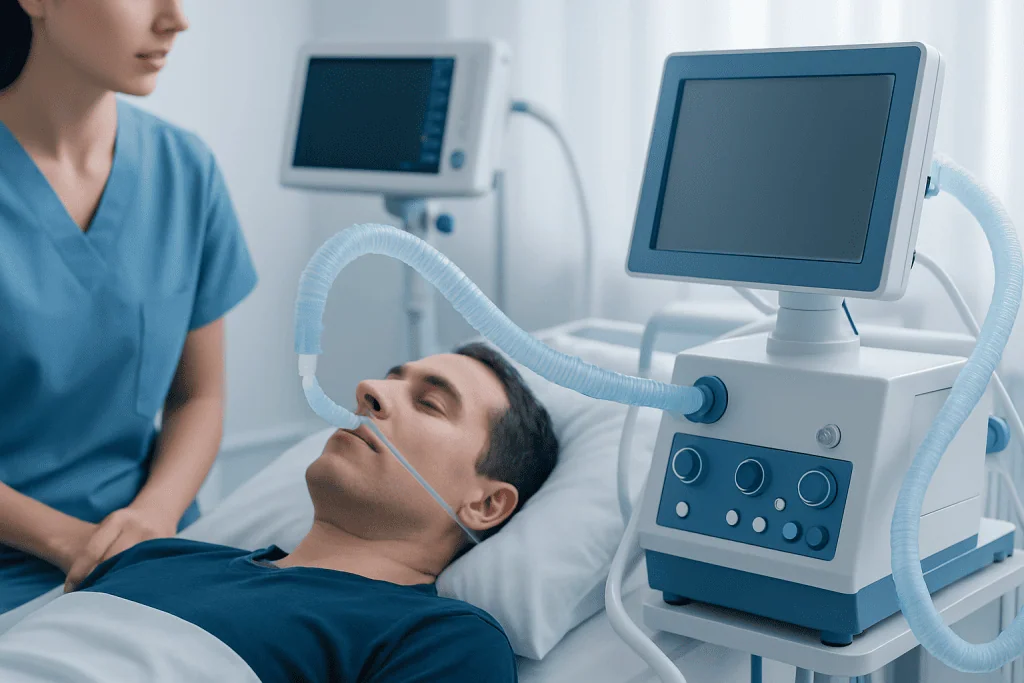
Breathing begins when air enters through the nose or mouth. The nose helps filter, warm, and moisten incoming air before it travels down the throat and through the windpipe, also called the trachea. From there, the air moves into the right and left bronchi, which branch repeatedly into smaller airways called bronchioles.
The movement of air depends mainly on the diaphragm, a dome-shaped muscle below the lungs. When the diaphragm contracts, it moves downward and expands the chest cavity. This creates negative pressure that draws air into the lungs. When the diaphragm relaxes, the lungs recoil and air moves back out.
This mechanical part of breathing is called ventilation. Good ventilation is important because oxygen must first reach the deepest parts of the lungs before it can enter the blood. Airway narrowing, excess mucus, or weak breathing muscles can interfere with this step and make breathing feel more difficult.
In healthy lungs, inhaled air reaches millions of tiny air sacs called alveoli. These small structures are the main site where oxygen transfer takes place, making them central to the process of respiration.
How Oxygen Gets Into the Blood
Inside the lungs, the bronchioles end in clusters of alveoli. Each alveolus has a very thin wall and is surrounded by tiny blood vessels called capillaries. This close contact allows gases to move between the air in the alveoli and the blood in the capillaries.
Oxygen moves from an area where it is more concentrated to an area where it is less concentrated. Because inhaled air contains more oxygen than the blood arriving at the lungs, oxygen diffuses across the alveolar wall into the bloodstream. At the same time, carbon dioxide moves in the opposite direction, from the blood into the alveoli, so it can be exhaled.
After crossing into the blood, most oxygen attaches to hemoglobin, a protein inside red blood cells. Hemoglobin carries oxygen through the circulation to tissues throughout the body. There, oxygen is released for cells to use, and carbon dioxide produced by the cells returns to the blood to be carried back to the lungs.
This exchange depends on several factors working well together: open airways, healthy alveoli, good blood flow through the lungs, and enough hemoglobin to carry oxygen. A problem in any of these areas can lower blood oxygen levels.
What Helps Gas Exchange Work Efficiently
Gas exchange works best when the lungs have a large, healthy surface area and the barrier between air and blood remains very thin. The alveoli are designed for this job. Their delicate walls and extensive capillary network create an efficient surface for oxygen and carbon dioxide to move across quickly.
Another important factor is the matching of ventilation and perfusion. Ventilation means air reaching the alveoli, while perfusion means blood flowing through the surrounding capillaries. For oxygen transfer to be effective, both must be present in the right balance. If an area of the lung receives air but not enough blood flow, or blood flow but not enough air, gas exchange becomes less efficient.
Body position, exercise, altitude, and general fitness can all influence how the respiratory system performs. During exercise, breathing becomes faster and deeper, and the heart pumps more blood, helping deliver more oxygen to active muscles. At high altitude, there is less oxygen in the air, so the body may need time to adapt.
Healthy habits support this system. Avoiding smoking, staying physically active, managing chronic conditions, and seeking care for ongoing breathing symptoms can all help preserve lung function and oxygen delivery over time.
Conditions That Can Affect Oxygen Transfer
Many medical conditions can interfere with respiration. Some affect airflow, such as asthma or chronic obstructive pulmonary disease, while others damage the alveoli or lung tissue, such as pneumonia or pulmonary fibrosis. Problems with blood flow, including certain heart or vascular conditions, can also reduce oxygen transfer.
Common examples include asthma, in which the airways become inflamed and narrowed, and lung infections such as pneumonia, where inflammation and fluid in the lungs make gas exchange more difficult. In chronic lung disease, alveoli may lose their normal structure or elasticity, reducing the area available for oxygen exchange.
Respiration may also be affected by disorders outside the lungs. Anemia can reduce the amount of hemoglobin available to carry oxygen, even if the lungs are working normally. Heart disease may limit how effectively oxygen-rich blood is pumped to the body. Neuromuscular problems can weaken the muscles involved in breathing.
Symptoms of impaired oxygen transfer may include shortness of breath, rapid breathing, wheezing, chest tightness, fatigue, dizziness, confusion, or a bluish color around the lips or fingertips. These symptoms do not always mean a serious emergency, but they do deserve medical evaluation, especially if they are new, worsening, or severe.
How Doctors Assess Breathing and Blood Oxygen
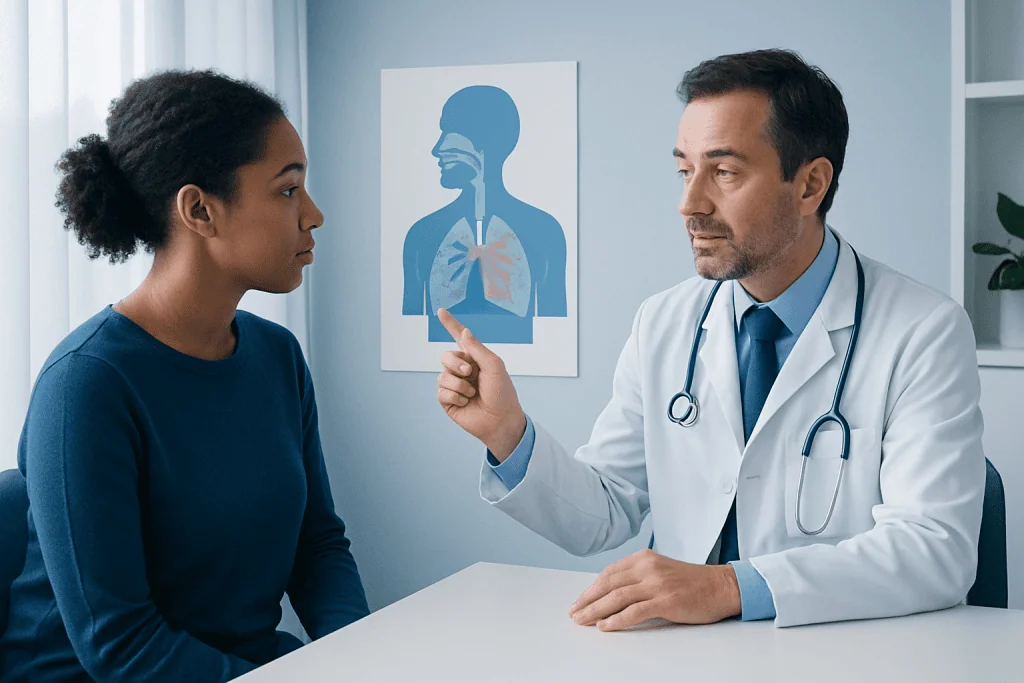
Doctors usually begin with a medical history and physical examination. They ask about symptoms such as cough, breathlessness, chest discomfort, wheezing, fever, smoking history, allergies, exercise tolerance, and any known heart or lung conditions. Listening to the lungs and checking breathing rate and oxygen saturation often provide important early clues.
One simple test is pulse oximetry, which uses a small device placed on the finger to estimate oxygen saturation in the blood. Depending on the situation, a doctor may also request blood tests, including arterial blood gas analysis, which gives more detailed information about oxygen, carbon dioxide, and acid-base balance.
Lung function tests can help measure airflow and lung capacity. For example, spirometry testing is commonly used to assess conditions that narrow the airways or reduce lung function. Imaging tests such as a chest X-ray or chest CT scan may be used when infection, inflammation, fluid, or structural lung disease is suspected.
If symptoms suggest a more complex problem, further evaluation may involve heart tests, allergy testing, sleep assessment, or specialist care in pulmonology. The goal is to identify the reason oxygen transfer is not working normally and choose the most appropriate treatment.
Treatment, Prevention, and Self-Care
Treatment depends on the cause of the breathing problem. Some people may need medication to open the airways or reduce inflammation, while others may need antibiotics for infection, oxygen therapy, or treatment for an underlying heart or blood condition. In acute or severe cases, hospital care may be needed to support breathing and monitor oxygen levels.
Self-care also plays an important role in protecting respiration. Helpful steps include not smoking, avoiding secondhand smoke, staying up to date with recommended vaccines, maintaining regular physical activity, and managing chronic conditions such as asthma, allergies, or heart disease. Good hydration and prompt treatment of respiratory infections may also support recovery.
People with ongoing symptoms should follow their care plan closely and attend regular medical reviews. Breathing exercises, pulmonary rehabilitation, and learning how to use inhalers correctly can improve control in some chronic respiratory conditions. If sleep-related breathing problems are suspected, further evaluation may be recommended.
Near the end of the care pathway, some patients may benefit from coordinated specialist support. Acibadem International’s multidisciplinary specialists and JCI-accredited hospitals diagnose and treat respiratory conditions for international patients when more advanced evaluation or treatment is needed.
When to See a Doctor
Medical advice is important when breathing symptoms are persistent, unexplained, or interfering with daily life. A person should arrange a medical review for ongoing cough, repeated wheezing, shortness of breath during usual activity, chest tightness, or unusual fatigue. These symptoms may have many possible causes, and a proper assessment helps guide the next steps.
Urgent medical attention is needed if there is severe shortness of breath, chest pain, confusion, fainting, inability to speak in full sentences, or blue or gray lips or fingertips. These signs may suggest that the body is not getting enough oxygen and should be evaluated promptly.
Early assessment is especially important for infants, older adults, pregnant people, and those with chronic lung, heart, or immune conditions. Even when symptoms seem mild, worsening breathing problems should not be ignored.
Respiration is usually effortless when the lungs and circulation are healthy. Understanding how oxygen reaches the blood can make it easier to recognize when something is not working properly and when professional care is the safest choice.
Frequently asked questions
What is the difference between breathing and respiration?
Breathing is the physical movement of air into and out of the lungs. Respiration is broader and includes breathing, gas exchange in the lungs, transport of oxygen in the blood, and the use of oxygen by the body’s cells.
Where exactly does oxygen enter the blood?
Oxygen enters the blood in the alveoli, which are tiny air sacs deep in the lungs. From there, it diffuses across a very thin membrane into nearby capillaries and binds mainly to hemoglobin in red blood cells.
Why is carbon dioxide breathed out?
Carbon dioxide is a normal waste product made when cells produce energy. The blood carries it back to the lungs, where it moves into the alveoli and leaves the body during exhalation.
Can heart problems affect how oxygen gets to the body?
Yes. Even if the lungs are taking in oxygen normally, the heart must pump oxygen-rich blood effectively to the tissues. Some heart conditions can reduce circulation and make a person feel short of breath or tired.
What happens if the alveoli are damaged?
When alveoli are inflamed, filled with fluid, scarred, or destroyed, less oxygen can pass into the blood. This may lead to low oxygen levels, shortness of breath, and reduced exercise tolerance.
How do doctors check whether enough oxygen is getting into the blood?
Doctors often start with pulse oximetry, which estimates oxygen saturation using a finger sensor. If more detail is needed, they may order blood gas tests, lung function tests, or imaging to find the cause of the problem.
References
- World Health Organization
- American Lung Association
- National Heart, Lung, and Blood Institute
- MedlinePlus
- European Respiratory Society
This article is for general information only and is not a substitute for professional medical advice. Please consult a qualified doctor about your individual situation.
Explore treatments in Turkey — costs, top hospitals & a free quote
JCI-accredited · board-certified surgeons · reply within 24h
Add us as a Preferred Source to see more of our trusted health content across Google Search, AI Overviews and Discover.