Infectious Lung Diseases: Pneumonia, Fungal Infections, and More

Infectious lung diseases include pneumonia, bronchitis, tuberculosis, influenza-related lung infections, and fungal lung infections. Symptoms often include cough, fever, shortness of breath, chest discomfort, and fatigue, but they can vary by cause and severity.
Key Takeaways
- Infectious lung diseases include pneumonia, bronchitis, tuberculosis, influenza-related lung infections, and fungal lung infections.
- Symptoms often include cough, fever, shortness of breath, chest discomfort, and fatigue, but they can vary by cause and severity.
- Older adults, infants, people with chronic illness, smokers, and those with weakened immunity may face a higher risk of severe illness.
- Diagnosis may involve a physical exam, chest imaging, blood tests, sputum testing, and sometimes bronchoscopy.
- Treatment depends on the cause and may include antibiotics, antiviral medicines, antifungal treatment, oxygen support, and rest.
- Vaccination, hand hygiene, avoiding smoking, and prompt care for worsening symptoms can help prevent serious infection.
Infectious lung diseases are caused by germs such as bacteria, viruses, fungi, or, less commonly, parasites that affect the lungs and airways. They range from mild respiratory illnesses to more serious infections like pneumonia, and early medical care can help reduce complications and support recovery.
Overview of infectious lung diseases
Infectious lung diseases are illnesses caused by microorganisms that infect the lungs or lower airways. These microorganisms may include bacteria, viruses, fungi, and, in some parts of the world, parasites. The infection can affect the air sacs of the lungs, the breathing tubes, or the tissue around them, leading to inflammation and symptoms such as cough, fever, and difficulty breathing.
One of the best-known infectious lung diseases is pneumonia, which describes an infection in the lung tissue itself. However, pneumonia is only one part of a broader group of respiratory infections. Infectious lung diseases can also include acute bronchitis, influenza-related lung infections, tuberculosis, and fungal infections that may develop after breathing in fungal spores from the environment.
Some lung infections are mild and improve with rest and supportive care. Others can become serious, especially in infants, older adults, and people with long-term health conditions. Because symptoms can overlap with asthma, chronic obstructive pulmonary disease, or noninfectious lung inflammation, proper medical evaluation is important when symptoms are persistent, severe, or getting worse.
Common types and symptoms
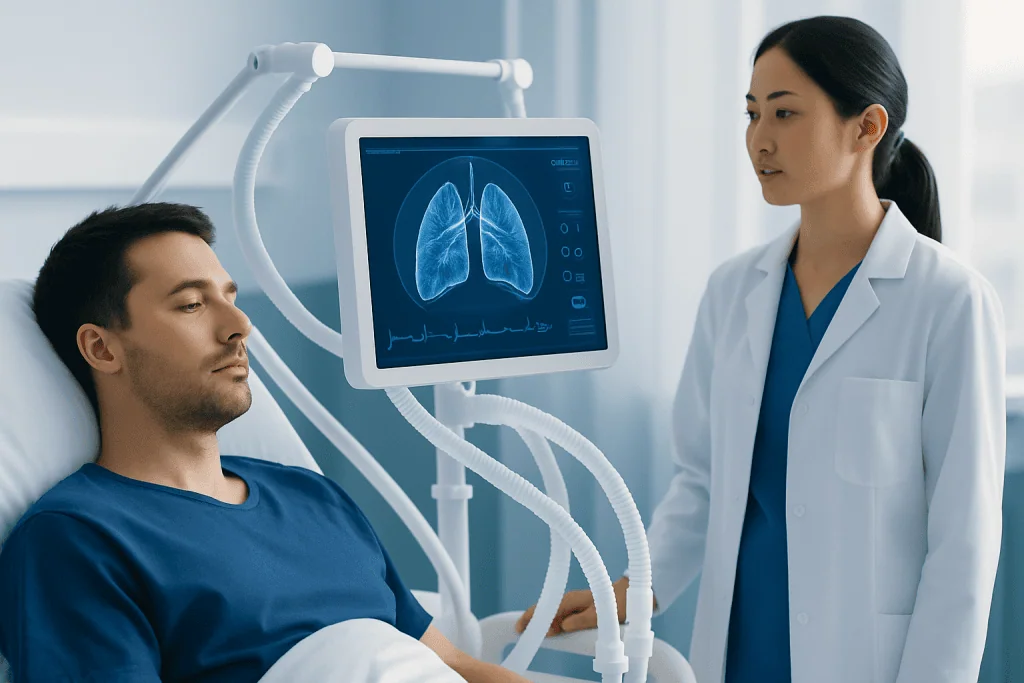
The symptoms of infectious lung diseases vary depending on the germ involved, the part of the lung affected, and the person’s overall health. Many people develop cough, fever, chills, tiredness, and shortness of breath. Some also notice chest pain that worsens with deep breathing or coughing, along with mucus production that may be clear, yellow, green, or occasionally blood-streaked.
Bacterial infections may cause a more sudden onset of fever, productive cough, and weakness. Viral infections can begin with cold- or flu-like symptoms and then move into the chest. Fungal lung infections may develop gradually and can sometimes mimic other conditions, especially in people with weakened immune systems. Tuberculosis may cause a long-lasting cough, night sweats, weight loss, and low-grade fever.
Common infectious lung diseases include:
- Pneumonia: infection of the lung tissue, caused by bacteria, viruses, or fungi.
- Acute bronchitis: inflammation of the airways, often caused by viruses.
- Tuberculosis: a bacterial infection that usually affects the lungs and may spread if untreated.
- Influenza-related lung infection: viral infection that may directly affect the lungs or lead to secondary bacterial pneumonia.
- Fungal lung infections: infections such as aspergillosis or other fungal diseases, more common in immunocompromised people.
Children, older adults, and people with chronic lung disease may show less typical symptoms. For example, confusion, reduced appetite, or worsening of an existing breathing problem may be the main signs rather than a clear fever or chest complaint.
Causes and risk factors
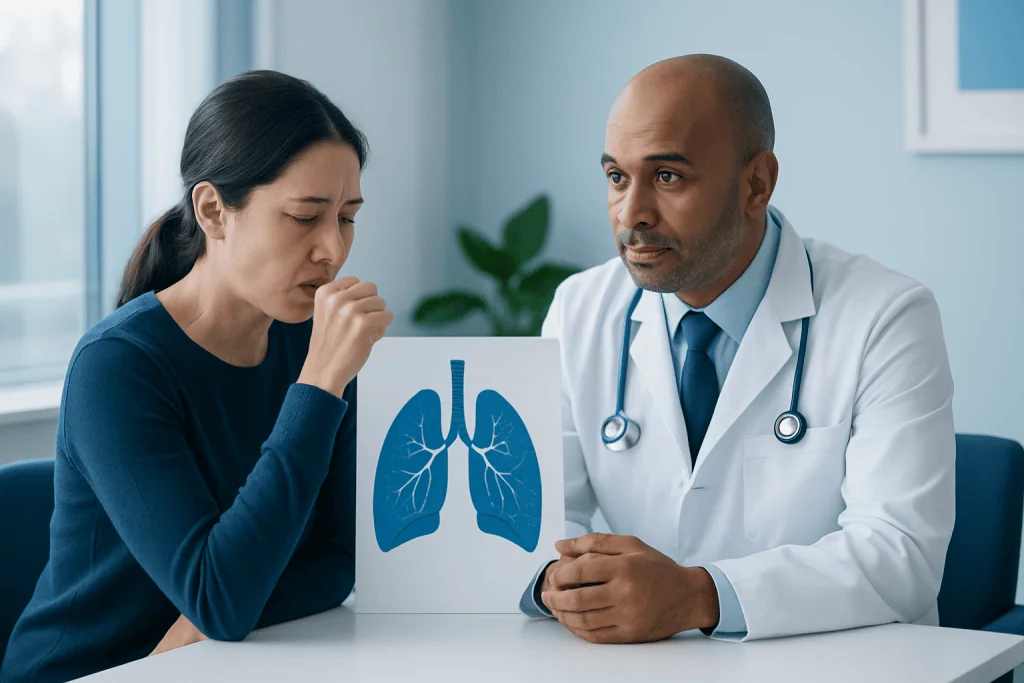
Infectious lung diseases happen when germs enter the respiratory tract and overcome the body’s natural defenses. Some infections spread from person to person through droplets released by coughing, sneezing, or close contact. Others are acquired by breathing in organisms from the environment, such as fungal spores in soil, dust, bird droppings, or decaying plant material.
Not everyone exposed to these germs becomes sick. Healthy lungs and a strong immune system often remove or control inhaled microorganisms. However, certain factors can increase the risk of developing a lung infection or of having more severe disease. Smoking damages the airways and weakens local defenses, while chronic illnesses can reduce the body’s ability to respond effectively.
Risk factors include:
- Age extremes, including infants and older adults
- Chronic lung conditions such as asthma, bronchiectasis, or COPD
- Heart disease, diabetes, kidney disease, or liver disease
- Weakened immunity due to cancer treatment, organ transplantation, HIV infection, or immune-suppressing medications
- Smoking or long-term exposure to air pollutants
- Recent viral illness, hospitalization, or reduced mobility
- Difficulty swallowing or aspiration, where food or liquid enters the lungs
- Travel, occupational exposures, or living in areas where certain fungal or bacterial infections are more common
In some cases, a person may have repeated infections because of an underlying problem that has not yet been diagnosed. Examples include structural lung disease, an immune deficiency, or impaired clearance of mucus from the airways.
How diagnosis is made
Diagnosis begins with a medical history and physical examination. A doctor will ask about symptoms, their duration, recent illnesses, smoking history, travel, workplace exposures, contact with sick individuals, and any conditions that weaken the immune system. Listening to the lungs can help identify signs such as crackles, wheezing, or reduced airflow.
Imaging and laboratory tests are often used to confirm the diagnosis and identify the likely cause. A chest X-ray is commonly used when pneumonia is suspected, while a computed tomography scan may be helpful when the diagnosis is unclear or a more detailed view is needed. Blood tests may look for infection or inflammation, and oxygen levels may be checked with pulse oximetry or arterial blood gas testing in more severe cases.
Depending on the situation, doctors may also request:
- Sputum testing to identify bacteria, fungi, or tuberculosis
- Viral swabs or molecular tests for influenza, COVID-19, or other viruses
- Blood cultures in more serious infections
- Fungal antigen or antibody tests in selected patients
- Bronchoscopy, especially when symptoms persist, the diagnosis is uncertain, or samples are needed from deeper in the lungs
Accurate diagnosis matters because treatment differs by cause. For example, antibiotics do not treat viral infections, and fungal lung infections require specific antifungal medicines. In people with recurrent or unusual infections, doctors may also investigate for an underlying immune or lung disorder.
Treatment options
Treatment for infectious lung diseases depends on the type of infection, its severity, and the person’s overall health. Mild viral illnesses may improve with rest, fluids, fever control, and monitoring. Bacterial pneumonia usually needs antibiotics, while fungal infections may require antifungal therapy for a longer period. Severe cases may need hospital care for oxygen support, intravenous medicines, or careful monitoring of breathing and hydration.
When symptoms are significant or the diagnosis is uncertain, doctors may use imaging and specialist evaluation to guide care. Some patients also need treatment for underlying conditions that make infections more likely or more severe. For example, managing chronic airway disease can improve mucus clearance and lower the chance of future infections.
Possible treatments include:
- Antibiotics for bacterial infections when clinically indicated
- Antiviral medicines for certain viral infections in selected patients
- Antifungal medicines for fungal lung disease
- Oxygen therapy if blood oxygen levels are low
- Inhaled treatments to open airways in people with wheezing or chronic lung disease
- Fluids, nutrition, and fever-relieving medicines as supportive care
- Hospital treatment for severe infection, dehydration, low oxygen, or confusion
When a closer view of the airways is needed or samples must be collected, a doctor may recommend bronchoscopy. Imaging may also play a central role, including chest X-ray or more detailed CT scanning depending on the clinical picture. Near the end of the care pathway, some patients benefit from evaluation by respiratory and infectious disease specialists; Acibadem International’s multidisciplinary specialists in JCI-accredited hospitals diagnose and treat infectious lung conditions for international patients.
Prevention and self-care
Many infectious lung diseases cannot be prevented completely, but several steps can lower the risk of infection and reduce the chance of serious complications. Vaccination is one of the most important tools. Depending on age and health status, doctors may recommend vaccines against influenza, pneumococcal disease, COVID-19, and other respiratory infections.
Good hand hygiene, covering coughs, avoiding close contact with people who are unwell, and improving indoor ventilation can also help limit spread. Quitting smoking is especially important because smoking damages the lungs and weakens their natural defense mechanisms. People with chronic lung conditions should follow their care plan carefully and attend regular check-ups.
Self-care during recovery usually includes:
- Resting and gradually returning to normal activity
- Drinking enough fluids unless a doctor has advised otherwise
- Taking medicines exactly as prescribed and completing the full course when appropriate
- Avoiding smoking and secondhand smoke
- Monitoring symptoms and seeking help if breathing becomes more difficult
People with weakened immune systems may need extra precautions, especially in environments where fungal exposure is possible. Medical advice is also important before travel if a person has chronic lung disease, uses oxygen, or has recently recovered from a serious lung infection.
When to see a doctor
A doctor should be consulted if a cough lasts more than a few weeks, fever persists, mucus becomes thick or discolored, or breathing feels more difficult than usual. Medical review is also important for chest pain with breathing, unexplained fatigue, night sweats, or coughing up blood. Early assessment helps determine whether the problem is a viral illness, bacterial pneumonia, fungal infection, tuberculosis, or another condition entirely.
Urgent medical attention is needed for severe shortness of breath, bluish lips or fingertips, confusion, signs of dehydration, or a marked drop in oxygen levels. Infants, older adults, pregnant people, and anyone with a weakened immune system should seek care sooner because infections can worsen more quickly in these groups.
Follow-up matters as well. If symptoms are not improving as expected, return to the doctor rather than assuming the illness only needs more time. A different diagnosis, a resistant organism, a complication such as fluid around the lungs, or an underlying problem in the airways may need to be considered.
Frequently asked questions
What are infectious lung diseases?
Infectious lung diseases are illnesses caused by bacteria, viruses, fungi, or other microorganisms that affect the lungs or lower airways. They include pneumonia, bronchitis, tuberculosis, and certain fungal infections.
Is pneumonia always caused by bacteria?
No. Pneumonia can be caused by bacteria, viruses, or fungi. The cause matters because treatment is different for each type, so a medical evaluation is often needed.
How do fungal lung infections happen?
Fungal lung infections usually develop after a person breathes in fungal spores from the environment. They are more likely to cause illness in people with weakened immune systems, chronic lung disease, or specific exposure risks.
Can a viral chest infection turn into pneumonia?
Yes, it can. Some viral infections affect the lungs directly, and others make it easier for a secondary bacterial infection to develop. Worsening fever, increasing cough, or new shortness of breath should be assessed by a doctor.
When should someone worry about a lung infection?
Medical care is important if there is high fever, trouble breathing, chest pain, confusion, dehydration, or symptoms that are not improving. People at higher risk, such as older adults or those with chronic disease, should seek care earlier.
Can infectious lung diseases be prevented?
Some can be partly prevented with vaccination, handwashing, avoiding smoking, and reducing exposure to sick contacts when possible. Prevention is not always possible, but these steps can lower risk and help reduce complications.
References
- World Health Organization
- Centers for Disease Control and Prevention
- American Lung Association
- National Heart, Lung, and Blood Institute
- European Respiratory Society
This article is for general information only and is not a substitute for professional medical advice. Please consult a qualified doctor about your individual situation.
Lung Disease in Turkey — costs, top hospitals & a free quote
JCI-accredited · board-certified surgeons · reply within 24h
Add us as a Preferred Source to see more of our trusted health content across Google Search, AI Overviews and Discover.