Pleural Effusion in Cancer: Breathlessness, Drainage, and Ongoing Care

Pleural effusion in cancer is a buildup of fluid between the lung and chest wall. Common symptoms include shortness of breath, cough, chest heaviness, and fatigue.
Key Takeaways
- Pleural effusion in cancer is a buildup of fluid between the lung and chest wall.
- Common symptoms include shortness of breath, cough, chest heaviness, and fatigue.
- Diagnosis usually involves imaging and sometimes sampling the fluid to look for cancer cells or other causes.
- Treatment may include drainage, a long-term catheter, pleurodesis, and treatment of the underlying cancer.
- Ongoing follow-up is important because fluid can return and symptoms may change over time.
Pleural effusion in cancer means fluid builds up in the space around the lungs, making breathing harder and often causing cough or chest discomfort. Care focuses on relieving symptoms, finding the cause, and choosing treatments that support comfort and overall cancer management.
Overview
Pleural effusion in cancer refers to a collection of fluid in the pleural space, the thin area between the lungs and the chest wall. A small amount of fluid normally helps the lungs move smoothly during breathing, but when too much fluid collects, it can press on the lung and make it harder to expand fully.
This problem may happen in people with cancers that start in or spread to the chest, such as lung cancer, breast cancer, lymphoma, or other advanced cancers. In some cases, the fluid contains cancer cells and is called a malignant pleural effusion. In other cases, the fluid is related to inflammation, infection, blocked lymph drainage, low protein levels, or side effects of cancer treatment rather than direct cancer spread.
The main concern for most patients is symptom relief. Breathlessness can interfere with walking, sleeping, eating, and daily activities. With careful evaluation and supportive treatment, many people feel better after fluid is drained and can work with their medical team on a longer-term plan.
Symptoms of Pleural Effusion in Cancer

Symptoms depend on how much fluid is present, how quickly it builds up, and the person’s underlying lung health. Some small pleural effusions cause no symptoms and are found by chance on a chest X-ray or CT scan. Larger or rapidly forming effusions are more likely to cause noticeable breathing problems.
The most common symptom is shortness of breath, especially during activity. Some people also notice a dry cough, chest pressure, reduced exercise tolerance, or discomfort that becomes worse with deep breathing. Fatigue is also common because breathing may require more effort and sleep can be disrupted.
Possible symptoms include:
- Shortness of breath or a feeling of not getting enough air
- Dry or persistent cough
- Chest heaviness, pressure, or pain
- Difficulty lying flat comfortably
- Fatigue and reduced stamina
These symptoms can overlap with other cancer-related conditions, including pneumonia, blood clots, heart problems, or the cancer itself. For that reason, new or worsening breathlessness should be assessed by a doctor rather than assumed to have a single cause.
Causes and Risk Factors
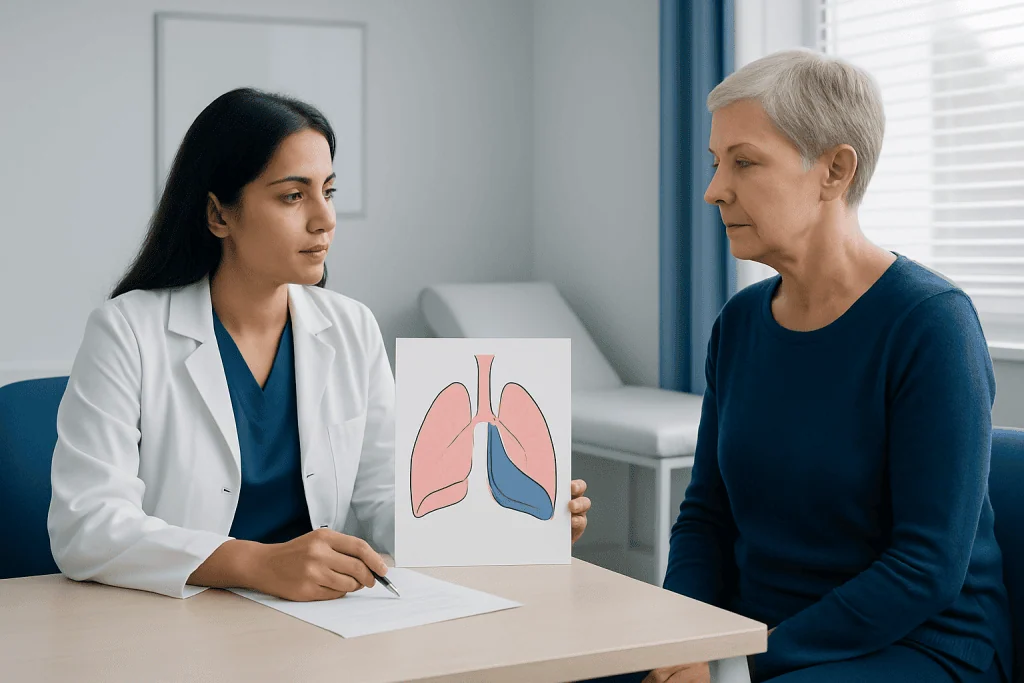
Cancer can lead to pleural effusion in several ways. Tumor cells may spread to the pleura, the lining around the lungs, and irritate it so that excess fluid is produced. Cancer can also block normal drainage pathways, including lymphatic channels, allowing fluid to accumulate. In some cases, a nearby tumor may affect pressure within the chest and contribute to fluid buildup.
Not every pleural effusion in a person with cancer is malignant. Other possible causes include infection, heart failure, pulmonary embolism, low blood protein, kidney or liver disease, or inflammation after treatment. Chemotherapy, radiation, or surgery may also play a role in some patients. Distinguishing among these causes helps guide the best treatment.
Cancers more commonly associated with pleural effusion include lung cancer, breast cancer, ovarian cancer, and lymphoma, but many cancer types can be involved. A person may also have related chest conditions at the same time, such as lung cancer or breast cancer, which can influence both symptoms and treatment options.
Risk tends to be higher in advanced-stage disease, but pleural effusion can occasionally be the first sign that cancer has spread or, more rarely, the first clue leading to a new cancer diagnosis. This is why a structured medical evaluation is important even when the cause seems likely.
How Doctors Diagnose It
Diagnosis usually begins with a medical history and physical examination. A doctor will ask about the onset of breathlessness, cough, chest pain, fever, and past cancer treatments. On examination, reduced breath sounds on one side of the chest may suggest fluid around the lung, but imaging is needed to confirm it.
Common imaging tests include chest X-ray, ultrasound, and CT scan. Ultrasound is especially useful because it can show the amount and location of fluid and help guide a drainage procedure safely. CT imaging may also help doctors assess whether there is tumor involvement in the pleura or nearby structures.
When appropriate, doctors may perform thoracentesis, a procedure that removes some fluid with a needle for testing and often also relieves symptoms. The fluid can be examined for cancer cells, infection, protein content, and other features that help identify the cause. Sometimes more than one sample is needed, and in selected cases additional procedures such as pleural biopsy or thoracoscopy may be recommended.
The results of these tests help determine whether the effusion is malignant, whether it is likely to recur, and which treatment is most suitable. Diagnosis is not only about naming the problem; it also helps match the treatment plan to the patient’s symptoms, overall cancer status, and goals of care.
Treatment Options: Drainage and Cancer-Directed Care
Treatment depends on symptoms, the size of the effusion, how quickly it returns, and the type and stage of cancer. If the fluid is small and not causing symptoms, careful monitoring may be enough for a time. When breathlessness is significant, the first step is often to remove fluid and relieve pressure on the lung.
A common treatment is thoracentesis, in which a doctor drains fluid through a needle or small tube. This can provide rapid symptom relief, but the fluid may come back. For recurrent effusions, options may include a chest tube, placement of an indwelling pleural catheter for ongoing home drainage, or pleurodesis, a procedure that helps the pleural layers stick together so fluid is less likely to reaccumulate. In selected situations, patients may need interventional radiology support for image-guided procedures.
Cancer-directed therapy is also important. Depending on the cancer type, treatment such as chemotherapy, targeted therapy, immunotherapy, hormonal therapy, or radiation may reduce further fluid formation by controlling the underlying disease. Some patients may also be assessed by thoracic specialists if surgery or more advanced procedures are being considered, particularly when the diagnosis is uncertain or the lung does not fully re-expand.
The best approach is individualized. Doctors consider expected benefit, symptom burden, the need for repeat procedures, the patient’s general health, and personal preferences. In many cases, combining drainage with supportive care and ongoing oncology treatment offers the most practical and comfortable plan.
Prevention, Self-Care, and Ongoing Monitoring
There is no guaranteed way to prevent pleural effusion in cancer, but ongoing cancer care and prompt attention to new symptoms can reduce complications. Keeping follow-up appointments allows the care team to monitor breathing symptoms, imaging findings, and response to treatment. Early action may make management easier if fluid begins to return.
Self-care focuses on conserving energy, supporting breathing, and knowing what changes to report. Some people find it easier to sleep with the upper body slightly elevated. Gentle movement, pacing activities, and avoiding overexertion can help manage breathlessness, while staying in close contact with the medical team ensures symptoms are addressed promptly.
Helpful self-care measures may include:
- Taking prescribed medicines as directed
- Using breathing techniques taught by the care team
- Tracking symptoms such as worsening shortness of breath or cough
- Reporting fever, new chest pain, or reduced drainage if a catheter is in place
- Attending regular oncology and respiratory follow-up visits
Patients with a long-term pleural catheter need instructions on home care, drainage schedules, and signs of infection or blockage. Near the end of care planning, some people may seek treatment in experienced centers; Acibadem International’s multidisciplinary specialists in JCI-accredited hospitals diagnose and treat cancer-related chest conditions for international patients when coordinated evaluation is needed.
When to See a Doctor
Any new or worsening shortness of breath in a person with cancer should be discussed with a doctor. While pleural effusion is one possible cause, breathlessness can also result from infection, anemia, blood clots, asthma, heart problems, or progression of cancer. A prompt assessment helps identify the cause and start the right treatment.
Urgent medical attention is especially important if breathing becomes difficult at rest, chest pain is severe, lips appear bluish, confusion develops, or the person cannot speak full sentences comfortably. Fever, chills, or coughing up blood also need prompt evaluation, as they may point to infection or another serious problem.
People who have already been treated for pleural effusion should seek review if symptoms return, if the relief from drainage is short-lived, or if there are concerns about a catheter site such as redness, swelling, leakage, or unusual pain. Follow-up is part of ongoing cancer care, and adjustments to treatment are common as needs change over time.
Frequently asked questions
Is pleural effusion in cancer the same as cancer in the lungs?
No. Pleural effusion means fluid has collected around the lungs, not inside the lung tissue itself. It may happen because cancer has affected the pleura, but it can also occur for other reasons such as infection, inflammation, or heart-related problems.
Can draining the fluid help breathing right away?
Many patients feel improvement soon after fluid is drained, especially if the effusion was large. However, the amount of relief varies, and some people have other causes of breathlessness at the same time.
Does pleural effusion always come back after drainage?
Not always. Some effusions return, while others do not, depending on the underlying cause and how well the cancer responds to treatment. If fluid keeps recurring, doctors may suggest longer-term options such as a pleural catheter or pleurodesis.
Is thoracentesis painful?
Thoracentesis is usually done with local anesthetic to numb the area, so patients typically feel pressure rather than significant pain. The medical team monitors the person during and after the procedure to improve comfort and safety.
How do doctors know whether the fluid is malignant?
Doctors often send a sample of pleural fluid to the laboratory to look for cancer cells and other signs that explain the cause. Imaging findings and the patient’s overall cancer history are also considered, and sometimes further testing is needed.
What symptoms should lead to urgent medical attention?
Urgent care is important if there is severe shortness of breath, chest pain, bluish lips, confusion, high fever, or coughing up blood. These symptoms can signal complications or another serious condition and should not be ignored.
References
- National Cancer Institute
- American Cancer Society
- American Thoracic Society
- National Health Service
- MedlinePlus
This article is for general information only and is not a substitute for professional medical advice. Please consult a qualified doctor about your individual situation.
Pleural Effusion in Turkey — costs, top hospitals & a free quote
JCI-accredited · board-certified surgeons · reply within 24h
Add us as a Preferred Source to see more of our trusted health content across Google Search, AI Overviews and Discover.

Medical Oncology Department
Medical treatment of cancer with chemotherapy, immunotherapy and targeted therapies under a multidisciplinary tumor board.
60 specialists in this unit