Orthopedic Problems in Children: Warning Signs Parents Should Not Ignore
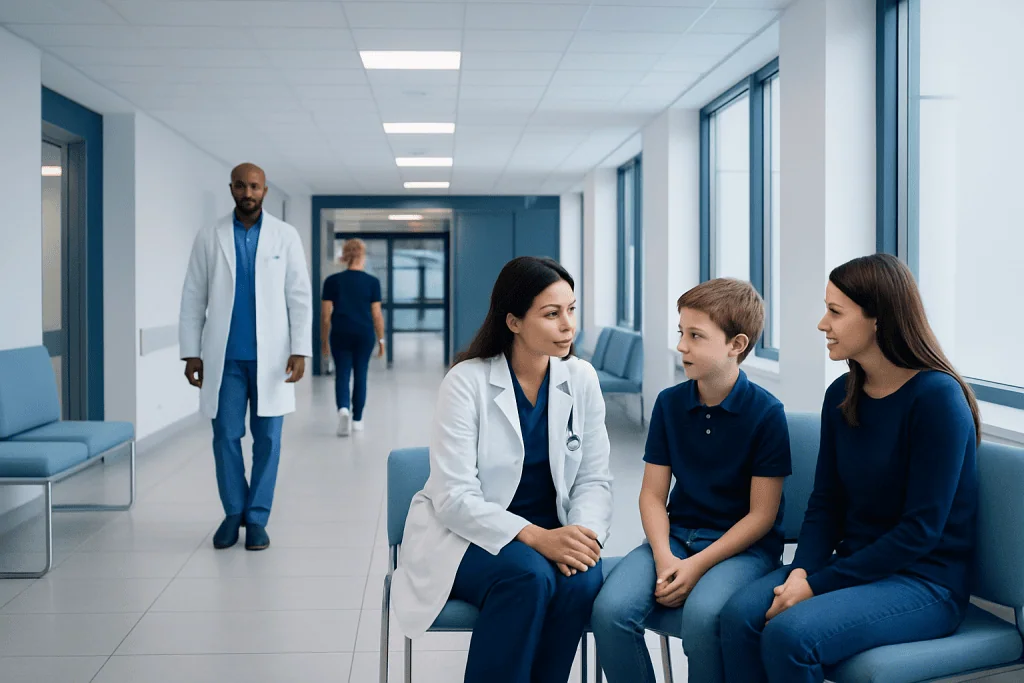
Persistent pain, limping, swelling, or reduced movement should not be ignored. Some orthopedic problems in children are related to growth, while others follow injury, infection, or congenital conditions.
Key Takeaways
- Persistent pain, limping, swelling, or reduced movement should not be ignored.
- Some orthopedic problems in children are related to growth, while others follow injury, infection, or congenital conditions.
- Early diagnosis can help prevent complications and improve long-term function.
- Changes in walking, posture, or use of an arm or leg may be more important than a child can describe in words.
- A pediatric or orthopedic evaluation is especially important when symptoms are ongoing, worsening, or associated with fever or nighttime pain.
Orthopedic problems in children range from minor, temporary issues to conditions that need prompt medical attention. Knowing the warning signs can help parents seek care early and support healthy growth, movement, and comfort.
Overview
Orthopedic problems in children affect the bones, joints, muscles, ligaments, tendons, and spine. Some are present from birth, while others develop during growth or after an injury. Many childhood aches are harmless and improve with rest, but certain symptoms can point to a condition that needs medical assessment.
Children are not simply small adults. Their bones are still growing, their joints may be more flexible, and their symptoms can be subtle. A child may not clearly explain pain or stiffness, so changes in walking, play, posture, or mood may be the first clues that something is wrong.
Parents often notice signs such as limping, frequent falls, one shoulder appearing higher than the other, refusal to use an arm, or pain that keeps returning. While these findings do not always mean a serious condition, they deserve attention when they persist, worsen, or affect normal daily activities.
Common warning signs parents should not ignore
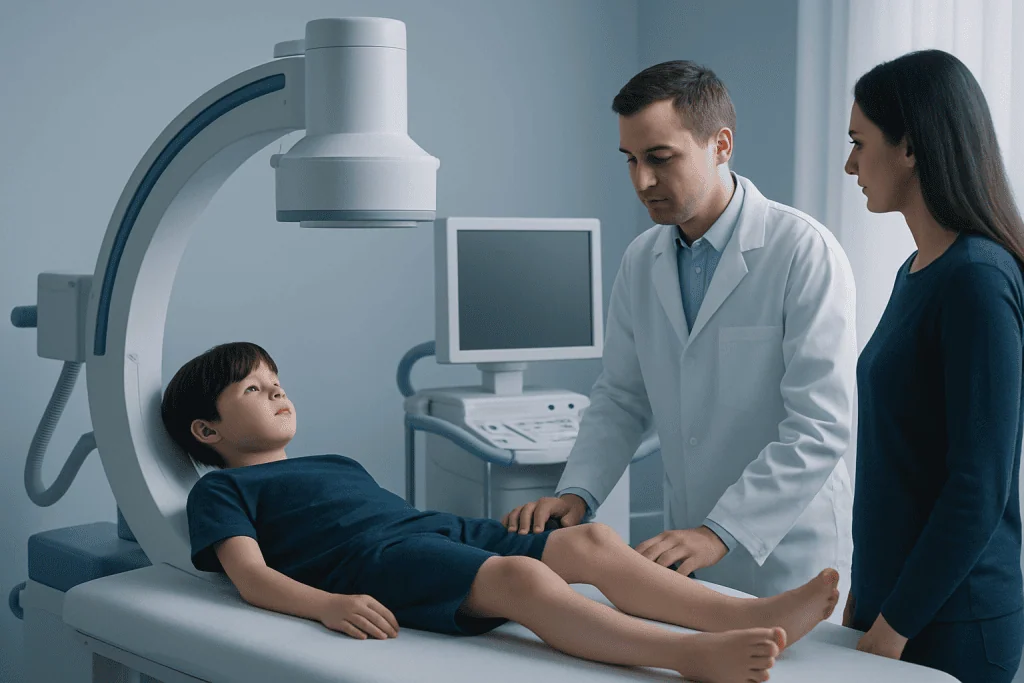
One of the most important warning signs is a limp that lasts more than a short period or appears without a clear reason. A child who avoids putting weight on one leg, walks on tiptoes on one side, or suddenly refuses to walk may have pain, inflammation, an injury, or a problem involving the hip, knee, ankle, or foot.
Ongoing pain is another key signal. Growing children can have occasional aches, especially after a busy day, but pain that happens often, wakes a child at night, limits sports or play, or continues in the same area should be assessed. Swelling, redness, warmth, or tenderness around a joint or bone also merits medical review.
Parents should also watch for changes in posture and movement. These can include uneven shoulders, a curved spine, stiff walking, frequent tripping, toe walking that persists, reduced range of motion, or difficulty with tasks such as climbing stairs, running, or raising an arm. In babies and toddlers, delayed motor milestones or a strong preference for one side may also need evaluation.
- Persistent limp or refusal to walk
- Repeated or unexplained bone or joint pain
- Swollen, red, warm, or stiff joints
- Back pain that continues or interferes with sleep
- Visible deformity, asymmetry, or poor posture
- Weakness, clumsiness, or loss of normal movement
Possible causes and risk factors
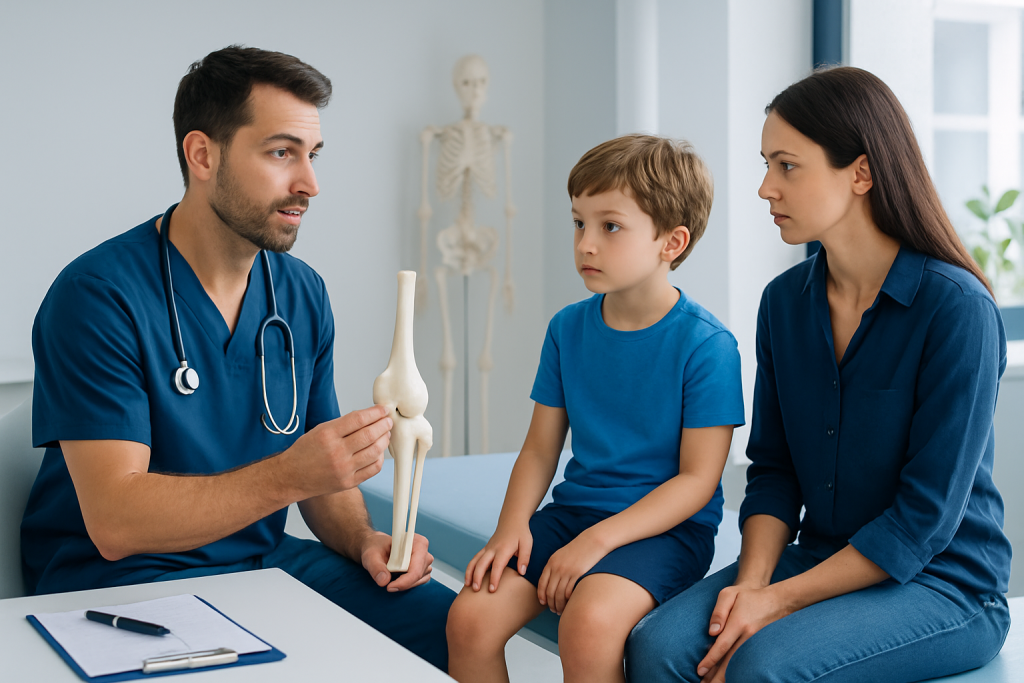
Orthopedic problems in children can have many causes. Some are related to injuries such as sprains, fractures, overuse from sports, or growth plate damage. Others are developmental or congenital, meaning they arise as the bones and joints form and grow. Examples include hip problems, foot alignment issues, and spinal curvature.
Growth itself can sometimes contribute to symptoms. During growth spurts, muscles and tendons may tighten, and bones may be more vulnerable at their growth plates. Conditions such as Osgood-Schlatter disease, flat feet, in-toeing, or flexible posture changes may become more noticeable during childhood and adolescence. Some children also develop scoliosis or posture-related back concerns as they grow.
Less commonly, pain or limping can be linked to infection, inflammation, or neurological causes. Risk factors can include a recent fall, intense sports training, obesity, family history of orthopedic conditions, congenital disorders, or previous bone and joint problems. A child with fever, severe pain, or a sudden inability to bear weight needs prompt medical attention because infection or a significant injury must be ruled out.
Conditions that may present with these signs
Several pediatric orthopedic conditions can begin with symptoms that seem mild at first. Hip disorders, for example, may cause groin pain, knee pain, limping, or reduced activity rather than obvious hip complaints. In infants, congenital issues may be found through screening, while in older children and teenagers, symptoms may appear gradually with growth or physical activity.
Spinal conditions can also be subtle. A child may stand unevenly, lean to one side, or complain of tiredness in the back after sitting or carrying a school bag. Persistent back pain is less common in children than in adults, so it deserves attention, especially if it is severe, recurrent, or associated with nighttime symptoms.
Other examples include sports injuries, stress injuries, joint inflammation, and alignment problems involving the legs or feet. Depending on the age of the child, doctors may evaluate for conditions such as clubfoot, hip dysplasia, or growth-related knee pain. The goal is not for parents to diagnose the exact condition at home, but to recognize patterns that suggest the need for a professional examination.
How doctors diagnose orthopedic problems in children
Diagnosis starts with a careful history and physical examination. The doctor will ask when the symptoms began, whether there was an injury, what makes the problem better or worse, and how the child’s walking, play, sleep, and school activities are affected. In younger children, parents’ observations are especially valuable because the child may not be able to describe symptoms precisely.
The examination may include observing posture, gait, balance, limb alignment, joint movement, tenderness, swelling, and muscle strength. In some cases, the doctor will compare both sides of the body to look for asymmetry. If the concern involves the spine, shoulders, hips, knees, or feet, the child may be asked to stand, bend, walk, or perform simple movements.
Imaging tests can help confirm the diagnosis when needed. X-rays are commonly used to look at bone structure, alignment, and fractures. Ultrasound, MRI, or other studies may be recommended for soft tissues, hips in infants, or more complex cases. Blood tests may be ordered if infection or inflammatory disease is suspected. If treatment is needed, the child may be referred for orthopedic care or rehabilitation planning tailored to age and development.
Treatment options and supportive care
Treatment depends on the cause, the child’s age, and how much the problem affects movement and growth. Many orthopedic problems in children improve with simple measures such as rest, activity modification, ice, supportive footwear, stretching, or a short period of immobilization. Doctors may also recommend physical therapy to improve strength, flexibility, posture, and coordination.
Some conditions need more structured treatment. This may include bracing for certain spinal or alignment issues, casting for fractures or some foot conditions, or close follow-up during periods of growth. For selected children, especially those with significant deformity, joint instability, or injuries that do not heal well, surgery may be considered. Depending on the problem, treatment may involve pediatric orthopedics, physical therapy and rehabilitation, or a combination of approaches.
Parents can support recovery by following the care plan, attending follow-up visits, and helping the child return to activity gradually. It is important not to push through pain or resume sports too soon. Near the end of the care pathway, some families may seek evaluation at experienced centers; Acibadem International’s multidisciplinary specialists and JCI-accredited hospitals diagnose and treat orthopedic conditions in children for international patients.
Prevention, home observation, and when to see a doctor
Not every orthopedic problem can be prevented, but a few habits can support healthy growth and reduce injury risk. Children benefit from regular physical activity, proper warm-up, age-appropriate sports training, good nutrition, and well-fitting shoes. Avoiding overtraining and allowing time for rest are especially important for active children and adolescents.
At home, parents can monitor patterns rather than isolated complaints. Useful questions include whether the child is avoiding play, limping at the end of the day, waking with pain, falling more often, or showing visible asymmetry in the back, hips, or legs. Taking note of when symptoms occur can help the doctor identify whether the issue is related to growth, overuse, injury, or another cause.
A doctor should be consulted if symptoms last more than a few days, keep returning, or limit normal activities. Urgent assessment is recommended for severe pain, obvious deformity, inability to use a limb, sudden refusal to walk, high fever with joint pain, or swelling after injury. Early evaluation can provide reassurance when the cause is minor and timely treatment when it is not.
Frequently asked questions
Are growing pains the same as orthopedic problems in children?
Not always. Growing pains usually affect both legs, often happen in the evening or at night, and are not associated with swelling, limping, or joint stiffness. If pain is persistent, one-sided, or affects walking and daily activity, a medical evaluation is a good idea.
When is a limp in a child considered serious?
A limp should be checked if it lasts beyond a brief period, appears without a clear injury, or is associated with pain, swelling, fever, or refusal to bear weight. Sudden inability to walk or severe pain needs prompt medical attention. Even a mild but persistent limp can point to a hip, knee, foot, or bone problem.
Should parents worry about back pain in children?
Back pain in children is less common than in adults, so persistent or recurrent pain deserves attention. It is especially important to seek care if the pain occurs at night, limits activity, follows an injury, or is associated with fever, weakness, or a visible spinal curve.
Can poor posture mean a child has a bone or spine condition?
Sometimes poor posture is simply a habit, but noticeable asymmetry or a curve in the back should be assessed. Uneven shoulders, one hip appearing higher, or leaning to one side can suggest a spine or alignment issue. Early evaluation helps determine whether monitoring, exercises, or treatment is needed.
Do orthopedic problems in children always require surgery?
No. Many pediatric orthopedic problems are managed without surgery using observation, rest, bracing, casting, physical therapy, or activity changes. Surgery is usually considered only when a condition is severe, progressive, unstable, or unlikely to improve with conservative treatment.
What kind of doctor evaluates orthopedic problems in children?
A child may first be seen by a pediatrician, who can assess the problem and refer if needed. Pediatric orthopedic specialists are trained to diagnose and treat bone, joint, muscle, and spine conditions in growing children. Depending on the symptoms, care may also involve rehabilitation or imaging specialists.
References
- American Academy of Pediatrics
- American Academy of Orthopaedic Surgeons
- OrthoInfo
- National Institute of Arthritis and Musculoskeletal and Skin Diseases
- World Health Organization
This article is for general information only and is not a substitute for professional medical advice. Please consult a qualified doctor about your individual situation.
Joint and spine care in Turkey — expert assessment & treatment
JCI-accredited · board-certified surgeons · reply within 24h
Add us as a Preferred Source to see more of our trusted health content across Google Search, AI Overviews and Discover.

Orthopedics & Spine
Care for bones, joints and the musculoskeletal system, including joint replacement, sports injuries and trauma.
125 specialists in this unitMore from the Health Library



Related Specialists

Assoc. Prof. Dr. Hatice Yılmaz
Medical Oncology
Assoc. Prof. Dr. Işil Fazilet Kartaloğlu
Physical Medicine & Rehabilitation
Prof. Dr. Hasan Uçmak
Clinical Laboratory
Prof. Dr. Hüseyin Engin
Medical Oncology