What Is Neuroimmunology? How the Immune System Affects the Brain and Nerves

Neuroimmunology focuses on the relationship between the immune system and the nervous system. Immune activity can protect the brain and nerves, but abnormal inflammation can also cause disease.
Key Takeaways
- Neuroimmunology focuses on the relationship between the immune system and the nervous system.
- Immune activity can protect the brain and nerves, but abnormal inflammation can also cause disease.
- Autoimmune neurological conditions may affect the brain, spinal cord, peripheral nerves, or muscles.
- Diagnosis often combines a neurological exam, blood tests, imaging, and sometimes spinal fluid testing.
- Treatment depends on the cause and may include immune therapies, symptom management, and rehabilitation.
Neuroimmunology is the field that studies how the immune system interacts with the brain, spinal cord, and nerves. It helps explain why inflammation or autoimmune activity can affect movement, sensation, thinking, vision, and overall neurological health.
Overview: What neuroimmunology means
Neuroimmunology is the area of medicine and science that looks at how the immune system and the nervous system influence each other. The nervous system includes the brain, spinal cord, and peripheral nerves. The immune system helps protect the body from infections and harmful substances, but it also communicates closely with nerve cells and supporting brain cells.
For many years, the brain was thought to be mostly separate from the immune system. Research now shows that this is not the case. Immune cells and inflammatory signals can affect brain function, nerve signaling, and tissue repair. In the right balance, this interaction is helpful. When the immune response becomes misdirected, too strong, or prolonged, it may contribute to neurological symptoms and disease.
Neuroimmunology is especially important in conditions where the immune system attacks parts of the nervous system by mistake. These are often called autoimmune neurological disorders. Examples include multiple sclerosis, autoimmune encephalitis, myasthenia gravis, and certain forms of neuropathy. Neuroimmunology also helps doctors understand the role of inflammation in infections, recovery after injury, and some chronic neurological conditions.
How the immune system affects the brain and nerves
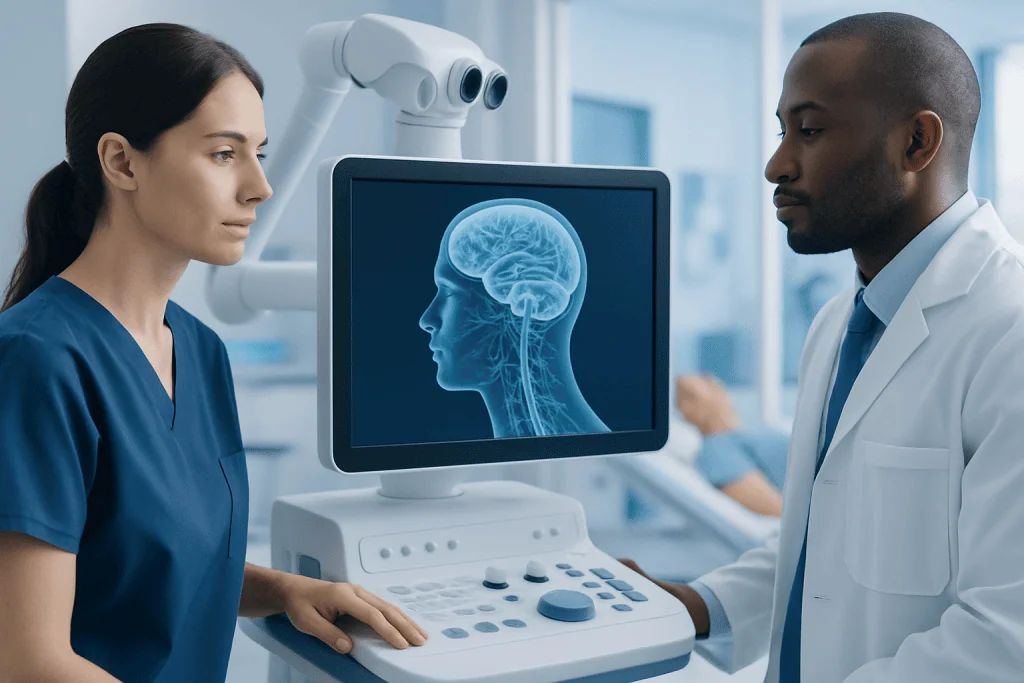
The immune system affects the nervous system through cells, antibodies, and chemical messengers such as cytokines. These signals help the body respond to infection and injury. In the brain and spinal cord, specialized immune-related cells called microglia help monitor the environment and support repair. Other immune cells may enter nervous tissue when there is inflammation or damage.
When this system works normally, it helps clear infections, remove damaged cells, and support healing. However, an overactive or confused immune response can damage healthy nerve tissue. In some illnesses, the immune system targets myelin, the protective covering around nerves. In others, it attacks receptors, muscles, or the nerve fibers themselves. This can interrupt communication between the brain and the rest of the body.
Inflammation in the nervous system may be short-term or long-lasting. Short-term inflammation can be part of normal healing. Persistent inflammation, sometimes called neuroinflammation, may lead to ongoing symptoms or progressive injury. Because the nervous system controls so many body functions, immune-related problems can affect movement, balance, memory, sensation, vision, speech, swallowing, and mood.
Conditions linked to neuroimmunology

Neuroimmunology covers a wide range of conditions. Some involve the central nervous system, which includes the brain and spinal cord. Others affect the peripheral nerves, neuromuscular junction, or muscles. One well-known example is multiple sclerosis, in which immune activity damages myelin in the central nervous system. Another is autoimmune encephalitis, where inflammation in the brain can affect memory, behavior, or seizures.
Immune-related nerve disorders may also occur outside the brain and spinal cord. These include some neuropathies and neuromuscular diseases such as myasthenia gravis, which can cause muscle weakness, drooping eyelids, and fatigue with activity. In some cases, the immune system may be triggered after an infection. In others, the cause is not fully clear.
Neuroimmunology also overlaps with conditions such as transverse myelitis, neuromyelitis optica spectrum disorder, vasculitic neuropathy, and certain paraneoplastic neurological syndromes. Some infectious diseases can trigger inflammation that affects the nervous system, while systemic autoimmune diseases, such as lupus or sarcoidosis, may also involve the brain or nerves. Each condition has different patterns, but all reflect the important link between immunity and neurological health.
Symptoms that may suggest an immune-related neurological problem
Symptoms vary depending on which part of the nervous system is affected. Common examples include numbness, tingling, weakness, balance problems, vision changes, dizziness, and unusual fatigue. Some people notice sudden symptoms, while others develop them gradually over time. Symptoms may come and go in episodes or continue to worsen without treatment.
If the brain is involved, a person may have headaches, memory problems, confusion, personality changes, speech difficulties, or seizures. If the spinal cord is affected, symptoms can include limb weakness, tightness, altered sensation, or bladder and bowel problems. If peripheral nerves are involved, symptoms may include burning pain, loss of reflexes, or trouble walking.
Muscle weakness that worsens with repeated use may suggest a problem at the neuromuscular junction. Inflammation can also affect eye movement, swallowing, breathing, or coordination. Because these symptoms can have many different causes, a careful medical evaluation is important. Early assessment may help identify conditions that benefit from prompt immune treatment.
- Visual blurring or eye pain
- Numbness or pins-and-needles sensations
- Weakness in the arms, legs, face, or eye muscles
- Problems with balance, walking, or coordination
- Changes in thinking, memory, or behavior
- Seizures or unexplained episodes of confusion
Causes and risk factors
Immune-related neurological disease can develop for several reasons. In autoimmune conditions, the immune system wrongly identifies part of the nervous system as a threat. This may involve antibodies, T cells, or both. Why this happens is not always known, but it usually reflects a combination of genetic tendency and environmental triggers rather than a single cause.
Possible triggers include infections, other autoimmune diseases, certain cancers, and sometimes medications. In some people, an infection may lead the immune system to react in a way that later affects the nerves or brain. In others, inflammation is related to an underlying systemic disease that also involves joints, skin, blood vessels, or internal organs.
Risk factors differ from one disorder to another. Age, sex, family history, smoking, and general immune health may play a role in some conditions. However, many people who develop a neuroimmunological illness do not have a clear risk factor. That is why persistent or unexplained neurological symptoms should not be ignored, even in otherwise healthy individuals.
How doctors diagnose neuroimmunological disorders
Diagnosis usually begins with a detailed medical history and neurological examination. Doctors ask when symptoms started, whether they came on suddenly or gradually, and whether there have been infections, autoimmune symptoms, or similar episodes in the past. The exam helps identify which part of the nervous system may be affected.
Further testing often includes blood work to look for inflammation, infections, vitamin deficiencies, and disease-specific antibodies. Brain or spinal imaging, especially MRI, is commonly used to look for inflammation, demyelination, or structural changes. In selected cases, doctors may recommend a lumbar puncture to examine cerebrospinal fluid for immune cells, proteins, or antibodies.
Other tests may include nerve conduction studies, electromyography, evoked potentials, electroencephalography, or specialized antibody panels. Diagnosis can sometimes take time because symptoms overlap with stroke, infection, metabolic problems, and other neurological illnesses. A structured evaluation helps rule out other causes and guide the most appropriate treatment. If needed, patients may undergo MRI scanning or electromyography testing as part of the workup.
Treatment options and long-term care
Treatment depends on the exact diagnosis, severity of symptoms, and how quickly the condition is progressing. Many neuroimmunological disorders are treated by reducing harmful immune activity while also supporting the nervous system. Common approaches may include corticosteroids, intravenous immunoglobulin, plasma exchange, or longer-term immunosuppressive or immune-modifying medicines. Doctors choose treatment based on the suspected mechanism and overall health of the patient.
In addition to immune therapy, symptom management is often an important part of care. This may include medicines for pain, spasticity, seizures, sleep problems, or bladder symptoms. Rehabilitation can be especially helpful for strength, mobility, balance, speech, and daily functioning. Depending on the condition, some people may benefit from physical therapy and rehabilitation as part of recovery.
Follow-up is important because some conditions can relapse, while others require long-term monitoring for side effects or changes in disease activity. Treatment plans often involve neurologists, immunologists, rehabilitation specialists, and other experts working together. Near the end of the care pathway, some international patients choose centers such as Acibadem International, where multidisciplinary specialists in JCI-accredited hospitals evaluate and treat complex neuroimmunological conditions.
Self-care, monitoring, and when to seek medical help
Self-care cannot replace medical treatment, but it can support recovery and day-to-day well-being. Rest, balanced nutrition, stress management, and regular follow-up help many people cope better with chronic neurological symptoms. Taking medicines as prescribed and reporting new side effects or symptom changes promptly are also important.
People living with immune-related neurological conditions may find it helpful to keep a symptom diary, especially if symptoms fluctuate. Recording changes in vision, strength, sensation, balance, mood, or cognition can help doctors understand whether a condition is active or stable. Avoiding smoking and managing general health conditions, such as blood pressure or diabetes, may also support nerve and brain health.
Urgent medical care is needed for sudden weakness, loss of vision, severe confusion, seizures, difficulty breathing, trouble swallowing, or rapidly worsening numbness or paralysis. These symptoms do not always mean a neuroimmunological disease, but they should be assessed promptly. Anyone with ongoing or unexplained neurological symptoms should speak with a qualified doctor, especially if symptoms interfere with walking, daily activities, or thinking clearly.
Frequently asked questions
What is neuroimmunology in simple terms?
Neuroimmunology is the study of how the immune system and nervous system affect each other. It helps explain how inflammation or autoimmune reactions can influence the brain, spinal cord, nerves, and muscles.
Can the immune system really affect the brain?
Yes. The immune system communicates with the brain through cells and chemical signals that help fight infection and support healing. If that response becomes abnormal, it can lead to inflammation that affects thinking, movement, sensation, mood, or vision.
Are all neuroimmunological disorders autoimmune?
Not all of them are purely autoimmune, but many are. Some conditions involve an immune attack on the nervous system, while others involve inflammation related to infection, cancer, or another systemic disease.
What are common signs of an immune-related neurological condition?
Possible signs include weakness, numbness, balance problems, vision changes, confusion, memory problems, and unusual fatigue. The exact symptoms depend on whether the brain, spinal cord, peripheral nerves, or neuromuscular junction is affected.
How is a neuroimmunological condition diagnosed?
Doctors usually combine a neurological exam with blood tests, imaging, and sometimes spinal fluid analysis. Additional tests, such as nerve studies or antibody testing, may be needed to clarify the diagnosis and rule out other causes.
Can neuroimmunological disorders be treated?
Many can be treated, and some respond very well when identified early. Treatment may include medicines that calm the immune system, therapies that manage symptoms, and rehabilitation to support function and recovery.
References
- National Institute of Neurological Disorders and Stroke
- National Institute of Allergy and Infectious Diseases
- Mayo Clinic
- Cleveland Clinic
- World Health Organization
This article is for general information only and is not a substitute for professional medical advice. Please consult a qualified doctor about your individual situation.
Neuroimmunology in Turkey — costs, top hospitals & a free quote
JCI-accredited · board-certified surgeons · reply within 24h
Add us as a Preferred Source to see more of our trusted health content across Google Search, AI Overviews and Discover.